
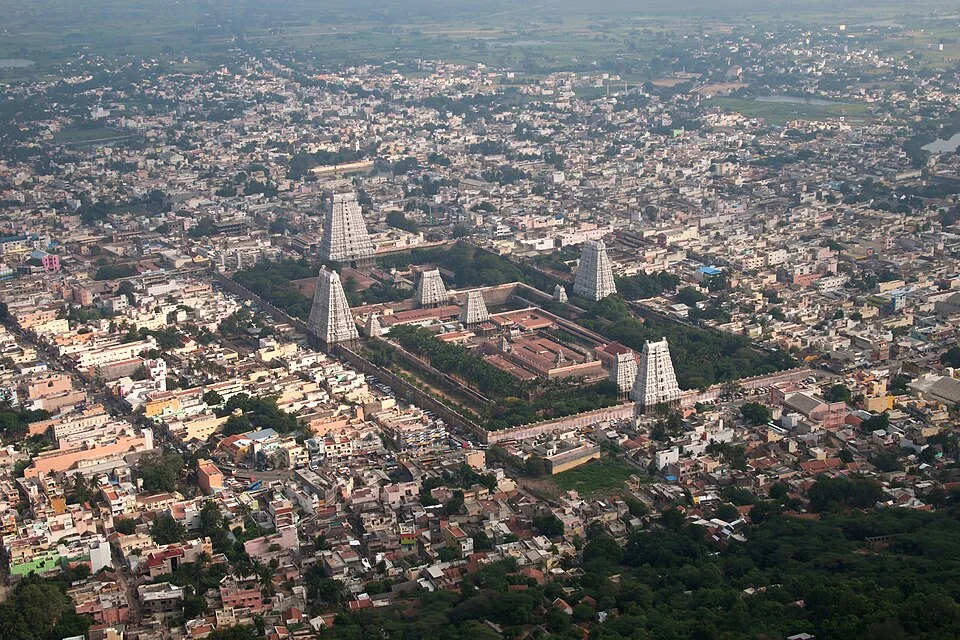
Tiruvannamalai: a major temple and the hill within the city
Give Tiruvannamalai three calendar days and two nights: arrival on the first day, temple surroundings and a measured foothill interval on the second, and departure on the third. The Tatilmerkezi Stork does not turn this pause into a race to a summit. The relationship between the main temple, known as Annamalaiyar or Arunachalesvara, and Arunachala Hill provides the programme's focus. Broad gateway towers, approach streets and the hill's direction glimpsed between buildings form different parts of the same city day. Visitor access within a worship setting must be established on the actual day; every courtyard or interior is not automatically open. Keeping the full day in one main urban setting helps explain the city without reducing the surrounding district to a long temple and mountain checklist.
Arrival: terminal, station and room are separate steps
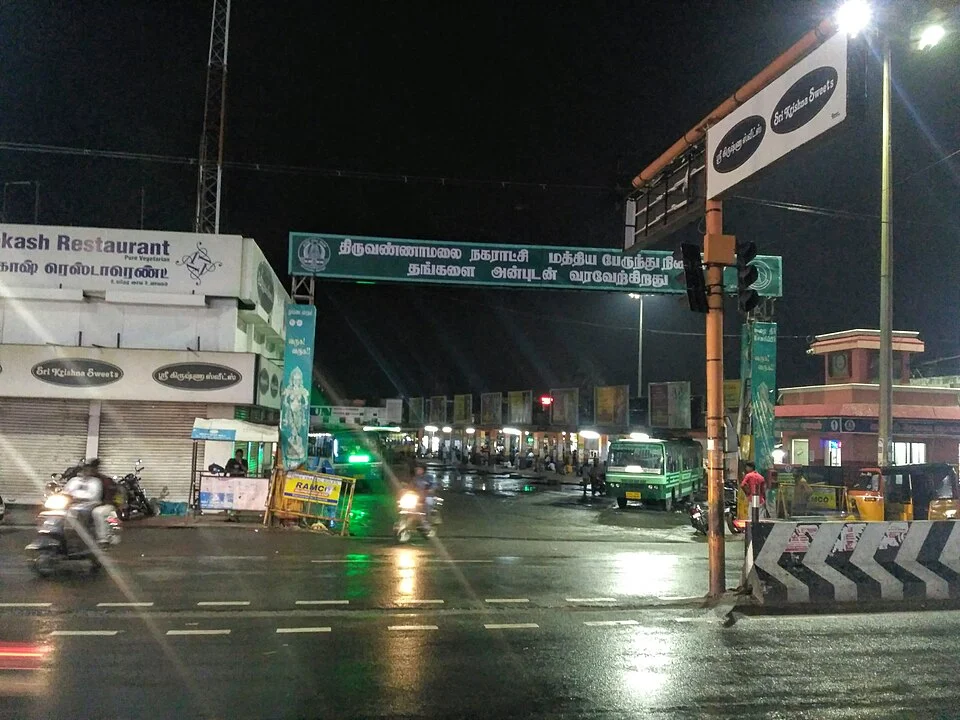
Bus travellers should use the operator's actual arrival terminal, while rail passengers need the booked stop and travel date. The photograph of Tiruvannamalai central bus station documents an urban transport location rather than the time of a particular service. The railway nameboard likewise records the place name, not present frequency. Arrange the last connection from the terminal or station to the accommodation entrance. Carrying large luggage directly into the temple surroundings is unnecessary on arrival day. Finish the evening with food, the room and identifying the entrance direction for tomorrow. Discuss reception contact for a late arrival or luggage storage for an early one. The programme need not coincide with a full moon. Where unusual crowds are expected, compare transport and accommodation choices against institutional notices for the actual date.

Annamalaiyar surroundings: towers and the public approach
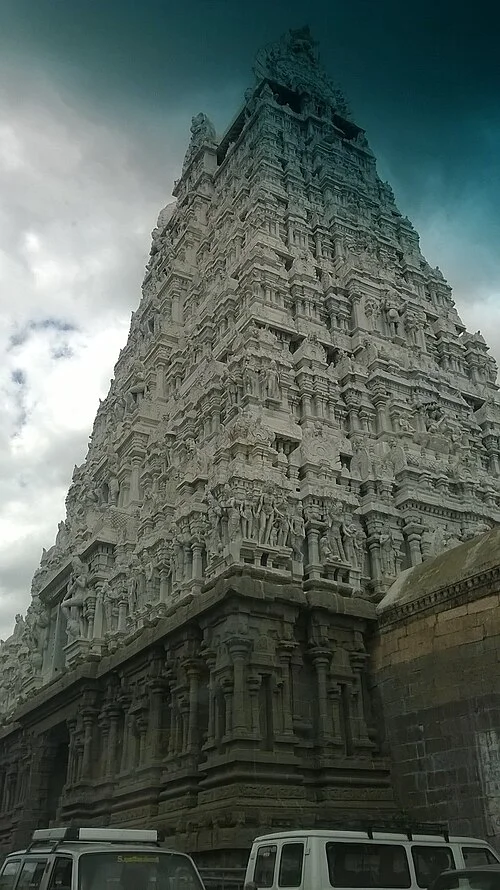
Give the first part of day two to the main temple surroundings. The district account describes the eastern gateway and other historic gopurams as parts of a large architectural setting. Old height figures and numerical rankings are not used to measure the visit; the street approach, permitted entrance and courtyard arrangement are more practical interests. Establish the visitor entrance on site and follow footwear, clothing and photography conditions. Avoiding obstruction to worshippers matters as much as seeing the tower's scale. Camera arrangements should not be assumed identical in every area. If an interior section is closed, exterior architecture and a nearby street interval can sustain the programme. Keep the morning geographically contained, with room for a seated break and lunch rather than hurriedly adding several distant destinations.
The Arunachala direction: foothill walking without a summit promise
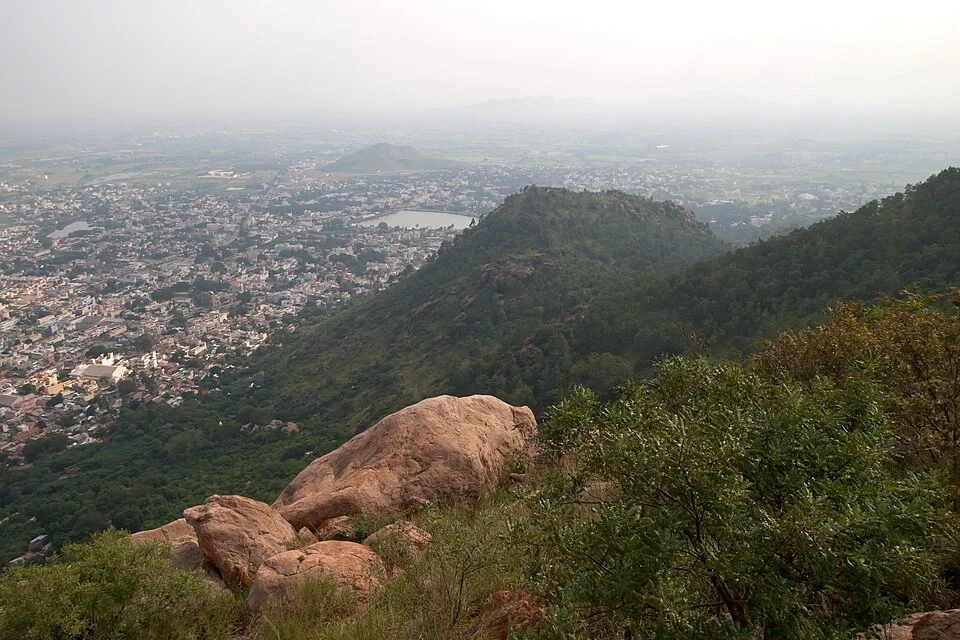
After the temple surroundings, spend time understanding the hill's direction within the city. The official account mentions routes and religious places associated with Girivalam, but this does not create an uninterrupted long walk or climbing permission for every visitor. Choose a short public foothill section with a clear start and return point. Match its length to personal mobility, heat and the actual road arrangement. Completing a wider circuit needs a separate physical plan and current access information. A summit ascent, searching for a path in darkness or approaching a ceremony on the hill is not made compulsory for this city day. A slope photograph is not evidence that a route is open. Reading the relationship between the temple and hill in a modest exterior interval can still explain the city's basic geography without undertaking a demanding excursion.

Tamil dishes for a real seated pause
For breakfast, look on the actual menu for idli or dosa with sambar and chutney. The national tourism food account places these in a Tamil regional context; they are not labelled unique to Tiruvannamalai or guaranteed in every kitchen. At lunch, an available rice and vegetable option provides a practical seated interval instead of combining a long foothill walk with hunger. Another available plate can make dinner a different meal rather than repeating the morning. A business name near a worship area does not establish service hours or ingredients suitable for a particular diner. The actual menu and kitchen information matter. Put the meal break into the walking rhythm rather than filling it with another shopping checklist. Dish names make the reader's choices concrete without inventing prices, a restaurant ranking or an unchanging recipe.
Annamalayar streets: a short evening urban interval
Select an evening street section together with the route back to the room. The relationship between a gateway and its street can also be seen in the evening; do not assume identical decoration or crowds on every date. Shopping, journeys to worship and vehicles can continue beside each other within the same public setting. Keep the walk modest while establishing the return direction and a practical meal pause. A photographic viewpoint does not prove an easy pedestrian crossing after dark, so assess the actual road conditions. District interests such as Sathanur or another hill need separate days and connections when desired. Not converting the evening into a distant new excursion allows genuine rest after a temple morning and foothill afternoon. Everyday streets complete the urban setting without requiring a second major attraction before bedtime.

A festival decision and choosing a room for two nights
If travelling specifically for Karthigai Deepam or a full-moon period, check the institutional announcement for the relevant year and day and build a different crowd plan. A festival notice dated 2025 is not reused as the 2026 calendar. Before the date is established, participation, hill access and effortless entry are not promised. Select a room against the main temple approach, an evening meal and the departure stop. Proximity on a map does not establish a step-free or uncrowded walk. Compare the return connection when choosing between a quieter street and a busier central setting. Two nights in the same room avoid carrying luggage during the full day. Discuss the actual entrance address and arrival conditions. In a crowded period, allowing more time for the final transport connection and limiting the programme to one main visit can be sensible.
Departure on the third morning: a clear scale for the visit
The final morning is reserved for breakfast, luggage and reaching the booked service. Three calendar days mean two nights and one complete city day; arrival and departure are not counted as two additional full sightseeing days. Another hill, an extended Girivalam walk or outlying settlements require extra time. The source check on 5 October 2026 does not guarantee unchanged access or transport later. The Stork's main suggestion combines the large temple, the hill's urban direction and a Tamil meal within actual daily movements. This is distinct from Namakkal's two rock-cut approaches or Dindigul's fort day. Even without reaching a summit, the entrance surroundings, a public foothill interval and working streets can support a complete city pause. A shorter physical route is not treated as an unsuccessful visit.

