
Two nights around a temple and palace in Thanjavur
The Tatilmerkezi Stork invites you to give this city in the Kaveri delta more than a photograph of a famous tower followed by an immediate departure. This plan uses three calendar days, two nights and one complete sightseeing day: arrive, explore selected parts of the historic centre, then leave. Brihadisvara temple and the Maratha palace grounds provide the main interests, with ordinary city life connecting them. A continuation towards Kumbakonam or Darasuram needs its own overnight stay or a separately allocated excursion day. The broader district also contains villages and coastal attractions that should not be mistaken for adjacent city stops. Rather than filling a short stay with all of them, choose a compact route that leaves time to understand the two principal places and sit down for an actual meal.
Arrival: match Thanjavur station to your address
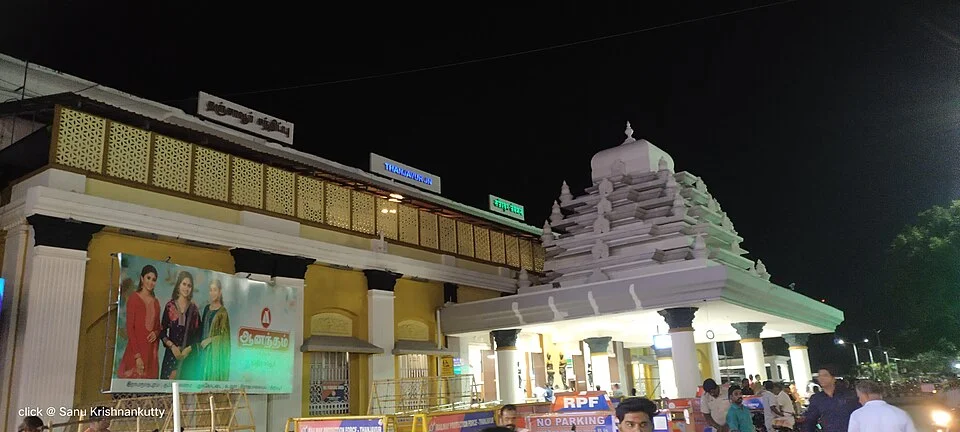
When travelling by train, compare the exact station written on the ticket with your accommodation address. A photograph of Thanjavur railway facilities does not establish today's timetable; use the operator's current information to select a service for the actual date. If approaching by air through Trichy, give the onward road connection to Thanjavur its own place in the arrival day. Carrying luggage around a temple compound is not a necessary introduction to the city. After checking in, a nearby meal and a modest look at the surroundings can be enough. Examine the approach to Brihadisvara and the later connection towards the palace before the full sightseeing morning. Different entrances or collection areas may have separate arrangements, so do not assume a single admission covers every building described in tourism information.

Brihadisvara: understand a Chola monument at its own scale
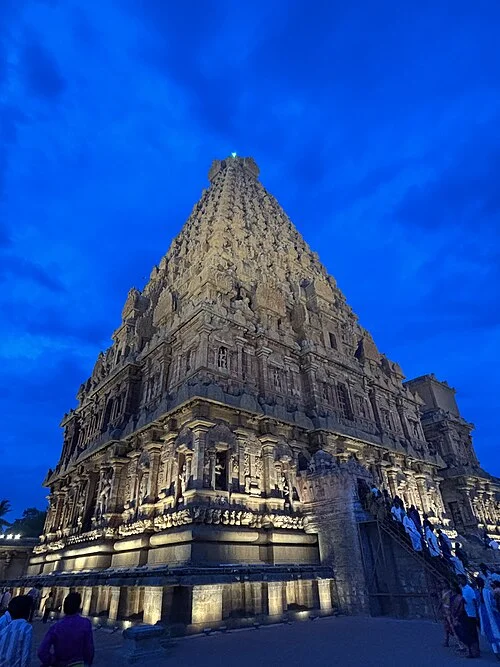
Brihadisvara is the Thanjavur component of UNESCO's Great Living Chola Temples property. It offers a strong focus for the first full morning, moving between the structure's monumental scale and the smaller elements that make it understandable. Instead of looking only for a photograph of the main tower, observe the approach, courtyard and surrounding architectural relationships. This is a living place of worship, and visitor movement should fit around that function. Follow the current directions for accessible areas, footwear and photography, as well as arrangements during ceremonies. Do not touch carved surfaces or cross a closed passage to obtain a clearer angle. Keep an allowance for heat, rest and lunch rather than adding several other temples to the same morning. A careful encounter with one important building can provide a much clearer experience than collecting a series of hurried entrances.
The Maratha palace grounds: a tower and one chosen collection
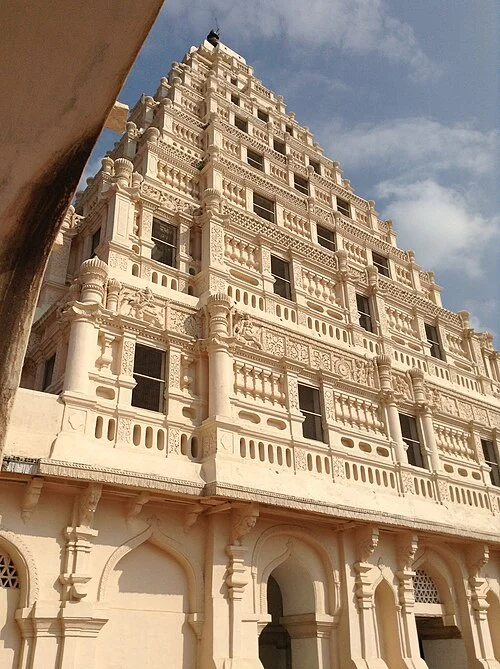
After a lunch break, move to the area described as Thanjavur Palace in district visitor information. Establish which parts of the historic grounds can actually be entered that day. A tower, courtyard, museum and gallery are different settings and should not be treated as an automatically open sequence. If choosing a collection, allow enough time to read the information beside a few selected objects. That can be more useful than attempting to pass through every room. Ask about photography, bags and flash use where relevant. A broad architectural photograph of the tower is not evidence that climbing it or entering every room will be possible. At the end of the visit, assess the remaining daylight and your energy before selecting another small stop. Keeping the palace distinct from the temple makes the day easier to follow and avoids turning different historical periods into one undifferentiated sightseeing list.

Marshal Hall and a modest look at the working city
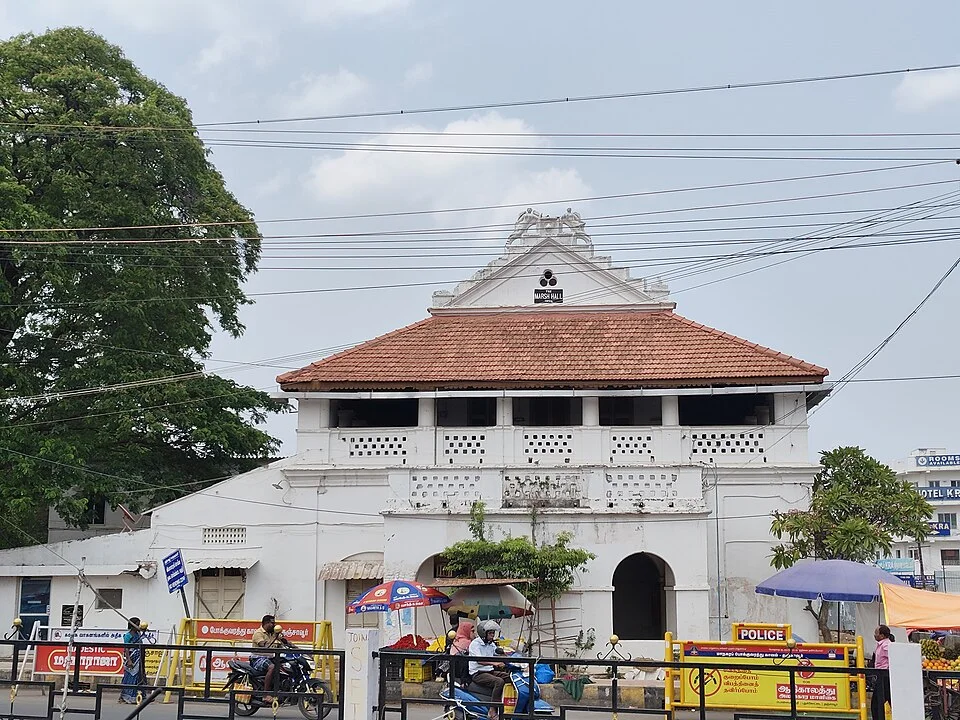
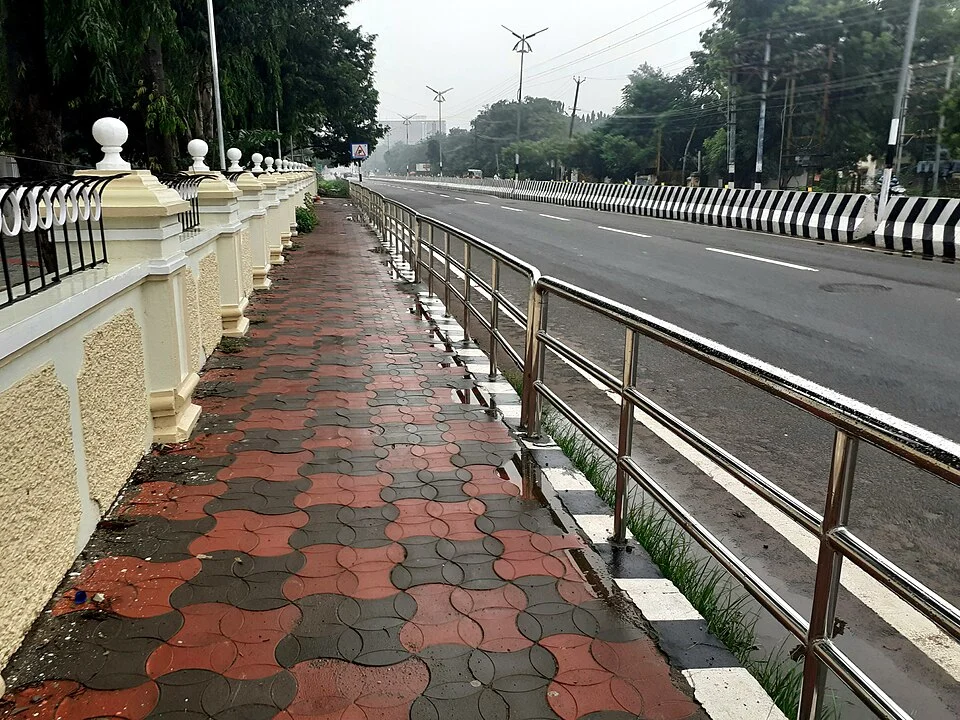
Buildings such as Marshal Hall can offer an exterior pause that brings the city beyond its monumental temple into view. Treat it as an opportunity to observe an urban setting, rather than a promise of admission to the building. Create a short walking segment according to actual traffic, shade and pedestrian crossings. The sidewalk photograph near Manimandapam shows a different city location; it should not be interpreted as the street immediately outside the palace. If you want to visit that area, assign the connection and return their own time. Consider the needs of everyone travelling with you rather than assuming all visitors can comfortably cover the same distance. Returning for dinner after one exterior stop is a complete choice. A working city does not have to become a route where every photographed building is compulsory.

Meals: idli, sambar and a rice-based lunch
The Thanjavur Tourism Promotion Council describes idli, sambar and other examples from the broader South Indian culinary setting. A portion of idli with the sambar or chutney actually offered makes a straightforward start to the sightseeing day. For lunch, a rice-based meal can be chosen with the vegetables, pulses and other accompaniments on that day's menu. These dishes are not exclusive inventions of Thanjavur; they are ways of encountering regional food while staying in the city. The council's account of sambar's origins is a story, not something this guide presents as conclusive historical evidence. If trying a richer dish or a dessert, choose a portion that suits the pace and temperature of the day. Explain any particular ingredient requirement directly to the kitchen. A general recipe cannot establish the contents of every menu, and no restaurant price or permanent combination of side dishes is invented here.
Choosing accommodation around the two main interests
For two nights, place the palace area, Brihadisvara approach and actual arrival point on the same map. A listing can call itself central without explaining the luggage transfer or where a vehicle can meet you. Confirm reception arrangements for a late arrival, storage if useful and the approach needed for departure. If you prefer not to make another long journey every evening, consider the nearby meal options too. A quieter room outside the historic centre can be a reasonable choice, but its road connections belong in the visit plan. If Kumbakonam, Darasuram or Manora becomes an important interest, extend the schedule instead of assuming all these places form the same urban walk. Accommodation in Thanjavur is a base for this particular city visit; it does not remove the separate travel and visiting time required by the wider delta or coast.

Departure: give the next delta town a separate visit
Day three is set aside for breakfast, collecting luggage and reaching the onward connection. Continuing to Kumbakonam begins another city plan, with its tank, river setting and carefully chosen temples; those interests should not be squeezed onto the end of Thanjavur's single full day. If flying through Trichy on departure, protect the margin needed for the final road journey. Sources were checked on 5 October 2026, while current visitor access and transport schedules must be confirmed for the actual journey date. The Stork's suggestion here is a coherent short stay: understand one major Chola temple, give the palace grounds a separate look and sit down to an ordinary regional meal. An unvisited attraction is not automatically a failure. It may represent a different interest best served by a longer visit or another dedicated day.