
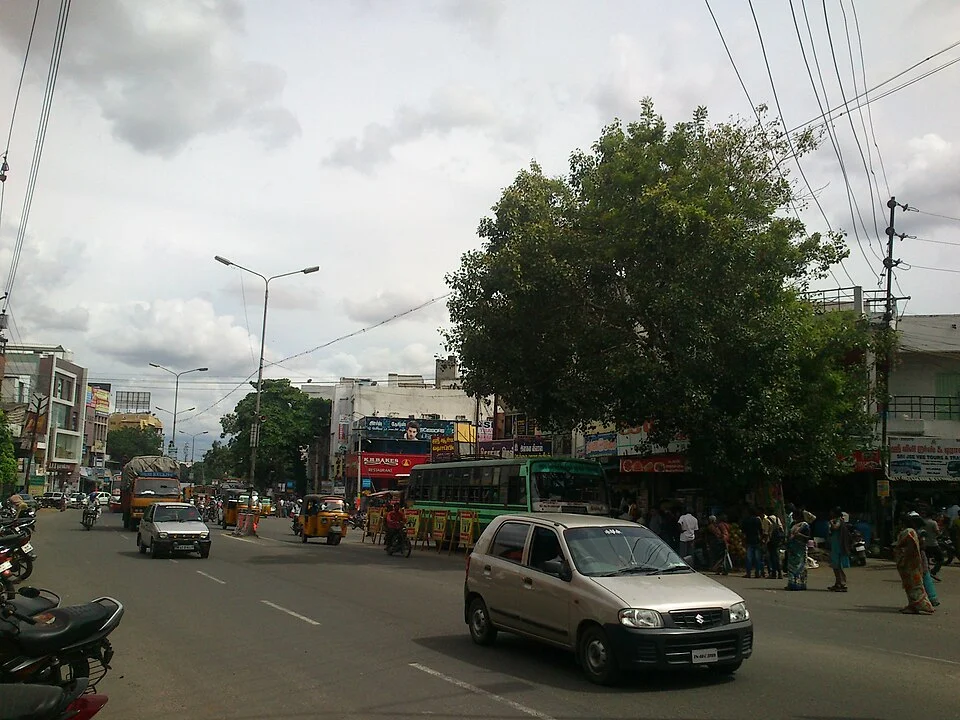
Tiruppur: two complete days in a working textile city
We suggest four calendar days and three nights: arrival, a working-city and meal day, a separate historic-architecture day, and departure. The Tatilmerkezi Stork invites you to approach the plan as a look at the everyday scale of a production city rather than a promised factory tour. Official district information highlights textile identity, while streets and sales points can offer a different urban experience to a curious traveller. Giving historic Sukreeswarar its own day avoids compressing production interests and architecture into the same brief interval. This is not a repetition of Karur's river and central-temple day. Actual urban connections, the Khadherpet shopping context and an old structure requiring its own transfer create a distinct stop. Two complete days can provide a useful beginning without claiming access to every industrial address.
Arrival evening: match the stop with the room entrance
If arriving by train or bus, establish the actual Tiruppur stop on your ticket and where the operator leaves you. Connect that point with the accommodation address; a city name does not imply an easy walk from every terminal. District arrival information supplies context rather than every train and bus movement on a particular day. Your real ticket and the operator's current service remain the basis of the journey. A nearby meal and a rest after leaving luggage can prepare you for the following working-city day. A business traveller should assess the meeting address, while a visitor can consider the central surroundings and vehicle approach for the separate architectural day. Ask directly about late arrival, room noise and an early breakfast if needed. Reaching the correct door comes before guessing shop hours or adding another errand into arrival evening.

Day two: approach Khadherpet as a sales interest
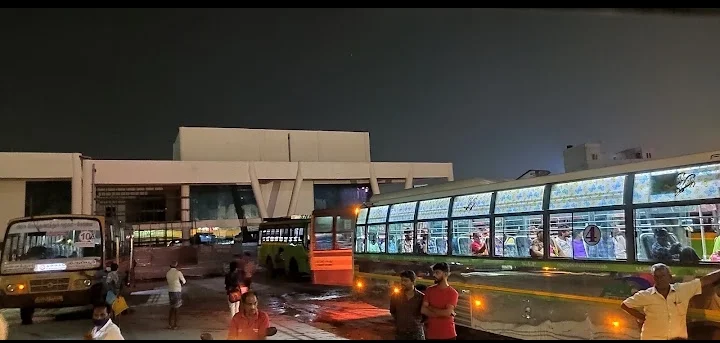
If Khadherpet appeals, begin the urban part of the day with a modest shopping look. Discussing fabric type, sizing, intended use and carrying requirements at an actual open sales point is more accessible than expecting entry to an arbitrary production facility. Textile identity does not mean every factory offers tours. Distinguish a shop address from a private production area; without a prearranged business appointment, keep the interest within public streets and accessible sales premises. The historical street photograph supplies a dense trading context rather than a current directory of its old business names. A short product look followed by a seated meal can give the city day two meaningful parts. We provide neither price promises nor production-quality rankings. Choose according to the real product being offered rather than assuming a whole industrial network can be explored in one morning.

Noyyal: assess the urban water setting on the day
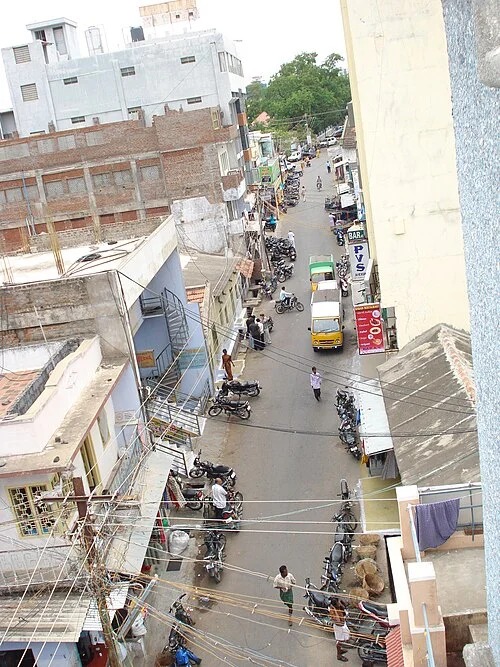
The Noyyal photograph helps explain water and settlement within a working city. If the river interests you, establish a permitted public approach and suitable return before leaving. Do not assume this urban riverbank is a continuous walking park, swimming area or reliably clean landscape. Road, ground and water conditions need to be evaluated locally. If a suitable short public look fits the city day, it can form a small pause before or after the meal; if there is no appropriate approach, it need not become a compulsory stop. The interest is in noticing the relationship between urban streets and water. There is no reason to stand unsuitably in traffic or cross a bank boundary simply for a photograph. Preserve the scale of two modest city interests instead of combining an extensive factory chain with a lengthy river excursion on the same complete day.

A regional meal: arisi paruppu sadam or kambu dosa
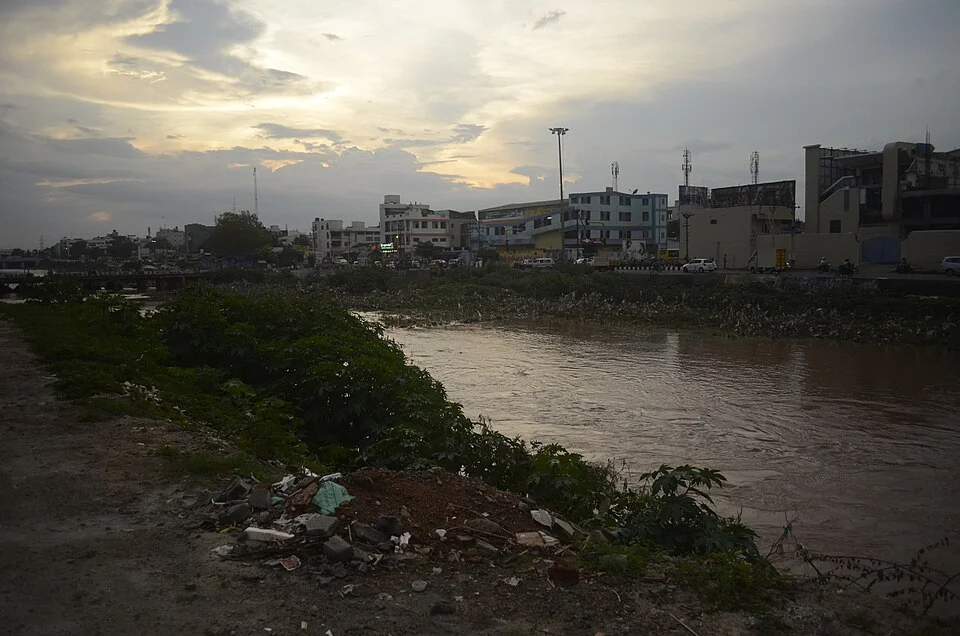
Official Incredible India food information names arisi paruppu sadam and kambu dosa within the Kongunadu culinary context. It describes the first as a rice-and-lentil preparation and the second as a millet dosa. If available on a Tiruppur menu, arisi paruppu sadam at lunch or kambu dosa at breakfast can connect the working-city day with a concrete regional plate. They are not represented as dishes exclusive to the city or served by every establishment. Look at the actual menu and choose one main meal; the interval between travel and shopping does not require an extensive order list. Establish ingredients directly if meat, dairy or spice matters to you. A modest breakfast or comfortable lunch can give a useful rhythm to travellers combining sightseeing with a business interest. The regional names supply meaningful culinary curiosity rather than an unspecified recommendation to eat something warm.
Day three: a separate connection for Sukreeswarar
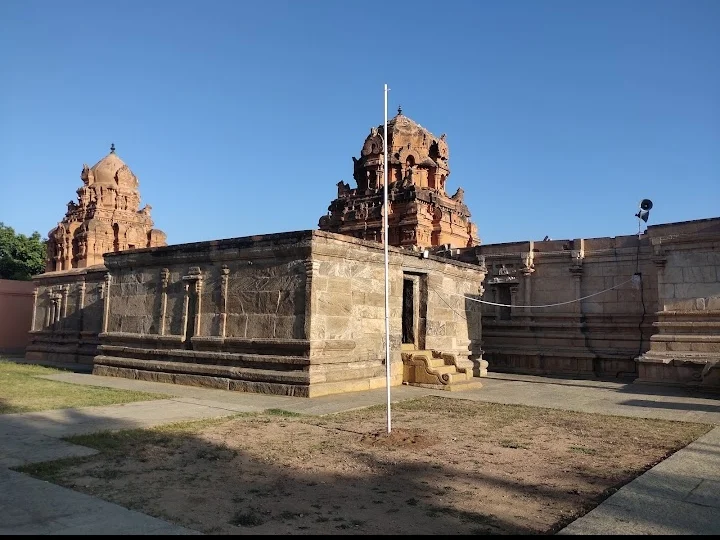
District tourism information includes Sukrieswara at Sarkar Periyapalayam among the historic temples preserved by ASI. Keep this focus separate from the shopping day. Plan outward travel, the visit and return together, placing the architecture within a realistic half-day or complete-day connection according to your actual arrangement. Stone walls, building mass and the permitted exterior offer different details from the city street. Distinguish living worship from architectural observation, learning clothing and photography arrangements locally. Not every interior is assumed to be an unrestricted visitor space. An exact age asserted in a photograph's description is not used as historical authority; the official preservation and correct location context are sufficient for this plan. Consider return transport while designing the day rather than after the visit finishes. Adding another compulsory temple does not automatically make the selected architectural stop more rewarding.

Choose three nights against the work and visit addresses
Accommodation depends on the main need in Tiruppur. Travellers attending a meeting should assess the connection to its real entrance, while visitors interested in shopping and urban life may prioritise reachable central sales surroundings. A convenient vehicle approach for the separate Sukreeswarar day can also matter. Examine the actual street and entrance rather than a broad city marker. A room near a main road may be practical, but consider noise expectations and evening food together. Three nights separate arrival from two complete days; they do not supply automatic entry to production facilities or worship sections. Ask about the room floor, lift and door approach when mobility or luggage requirements make them relevant. Establishing the onward terminal, real ticket and morning transfer on the final evening helps conclude the urban pause with a clear plan rather than another uncertain connection.
Day four: finish shopping with luggage in mind
Leave departure morning for breakfast, luggage and the connection. If buying textiles, arranging weight and packing the evening beforehand reduces hurried preparation before reaching a terminal. A traveller combining meetings with a visit can also preserve the boundary of two completed days rather than adding another factory address in the last hour. Sources were checked on 5 October 2026, while services, open businesses and visitor arrangements must be established for the travel date. The Stork's Tiruppur suggestion places different urban layers beside one another: the actual arrival connection, a sales street, the Noyyal context, a regional meal and a separate old structure. Four calendar days and three nights give these interests room within two complete days. Without claiming the entire production network, the plan offers a measured encounter between a working textile identity and historic architecture.