
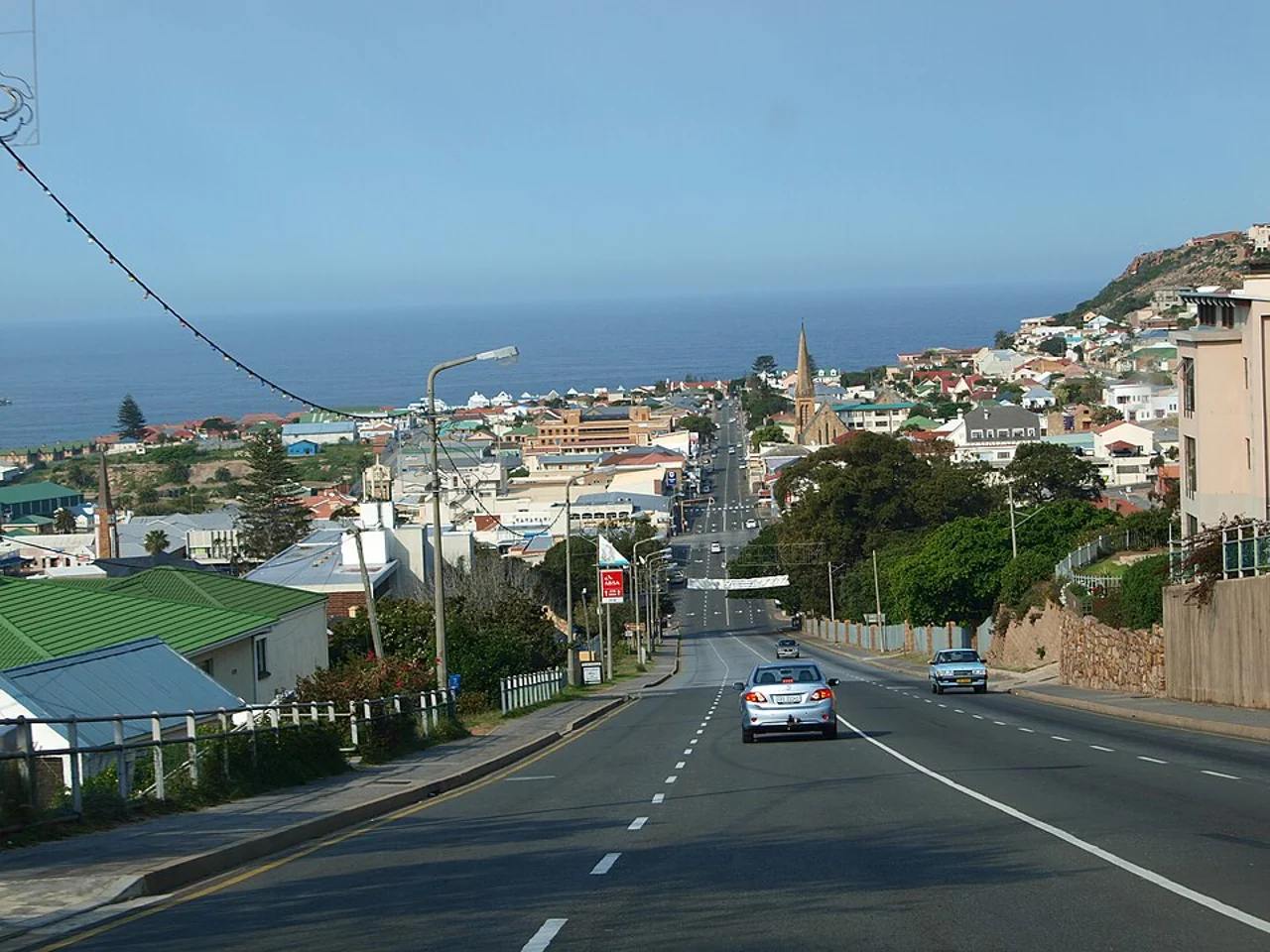
Mossel Bay: two days of maritime and plant-use interpretation
The Tatilmerkezi Stork suggests staying with two different town questions instead of leaving Mossel Bay after one photograph of the bay. Focus first on maritime interpretation at the Dias Museum Complex, then on the garden's account of local plant use and a manageable waterside pause. These are not attractions relabelled from a national driving circuit. The reader need is to balance collection rooms and outdoor surroundings while choosing a specific meal near the harbour. Allow three nights for two full days: settle in on arrival, visit on the next two days and depart on the fourth calendar day. A shorter stay can honestly select one collection focus and leave the other for another time.
The most important current distinction comes first: the museum's own notice says boarding the caravel is temporarily closed until further notice for safety. It can still be seen from outside, but going aboard is not an activity promised by this route. The displayed ship is also a replica rather than the original vessel of the historical voyage. Knowing both facts helps families set expectations correctly. Other maritime interpretation and the following day's plant focus can be considered against actual visiting conditions. This programme is not based on assuming that a closed activity will have reopened by the date you arrive.
Day one: the Maritime Museum and transport questions
Begin the principal visiting day at the complex's 1 Market Street address. The institution's own account connects maritime interpretation with a historic production building's later museum use. Choose one question rather than memorising every display: how do passengers and cargo shape a vessel intended for open-water travel? Family members can each discuss a detail. Looking at a replica and examining an original object are different experiences, so follow the identities given by the museum. Replace any expectation of boarding the closed caravel with external observation and time in collection areas actually accessible on your visit.
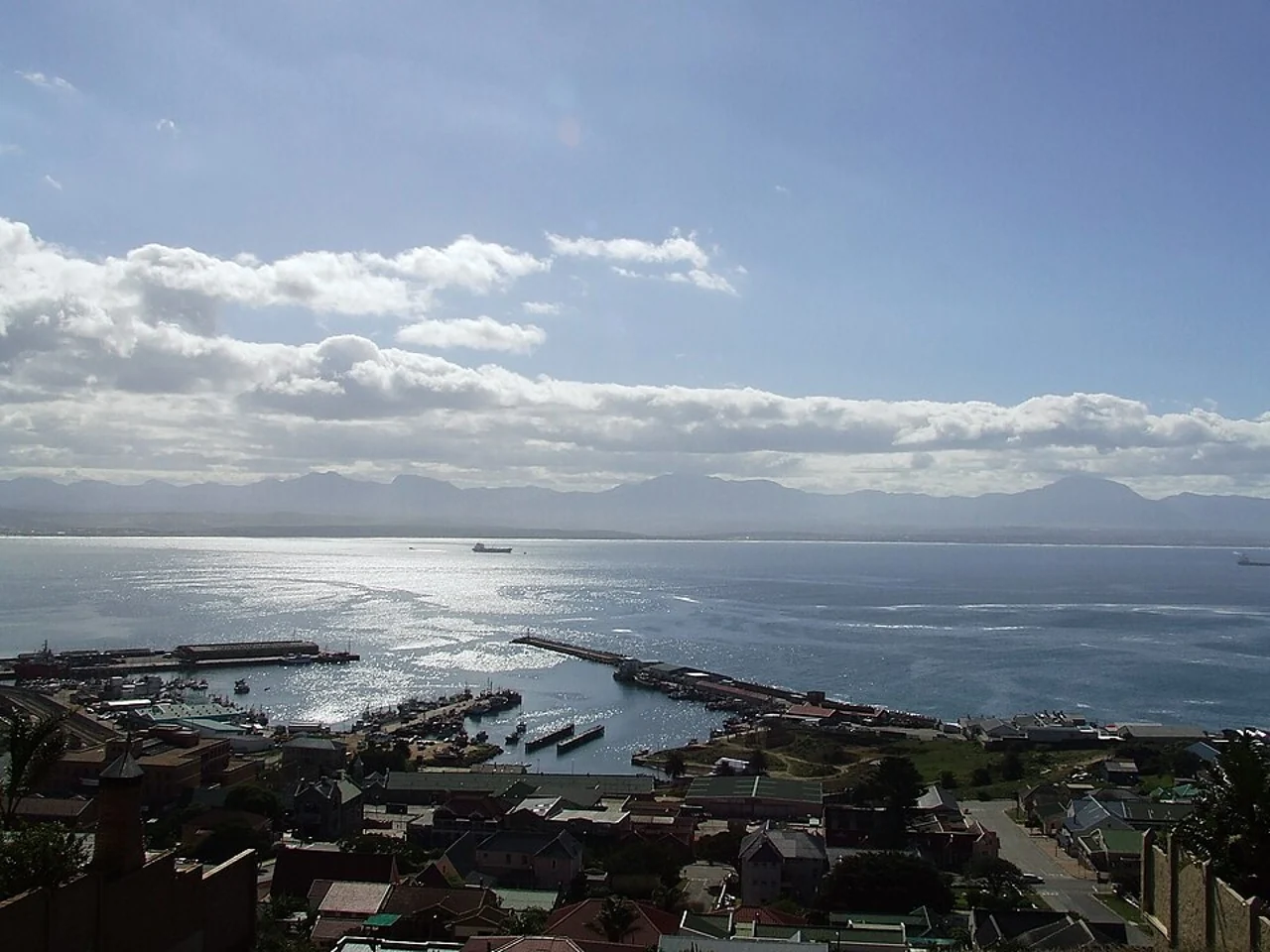

Do not expand the afternoon merely to add another entrance. Ask about the day's arrangement of the complex's different spaces and choose according to interest; a ticket does not necessarily keep every doorway accessible under every condition. Discuss mobility needs, pushchairs or special groups with the institution beforehand. If little time remains between arrival and closing, adjust the next day's programme rather than racing through the collection. The museum publishes different weekday and weekend visiting periods and specific holiday closures. Consult its current notice, remembering that a webpage observed today is not a promise of unchanged future conditions.
Day two: the ethnobotanical garden and use
Shift the second day's attention to the ethnobotanical garden and institutional interpretation of plant use. Unlike the first day's transport question, consider plant names, texture, scent and their relationship to human life. Reading an interpretation or listening to a staff member does not give permission to collect a plant or use it yourself. With children, choose observations explicitly permitted rather than picking or tasting leaves. The garden's sensory interpretation offers one approach to understanding, but discuss the real surfaces and entrance connections with the institution if you have particular accessibility requirements.

The historic Post Office Tree can provide a short connection within the museum setting. An earlier photograph of the tree and its surroundings provides historical context, not proof that a service operates in an unchanged manner today. Avoid turning these two focuses into an unnecessarily long outdoor walk. With rain or increasing heat, pause and consider the institution's current outdoor conditions. Plant interpretation here is not a recipe or medical recommendation. Comparing one leaf form, one explanation of use and one maritime detail is enough for the end of the day. Different collection questions offer learning without requiring more kilometres of walking.
Town and shore: a short harbour-facing pause
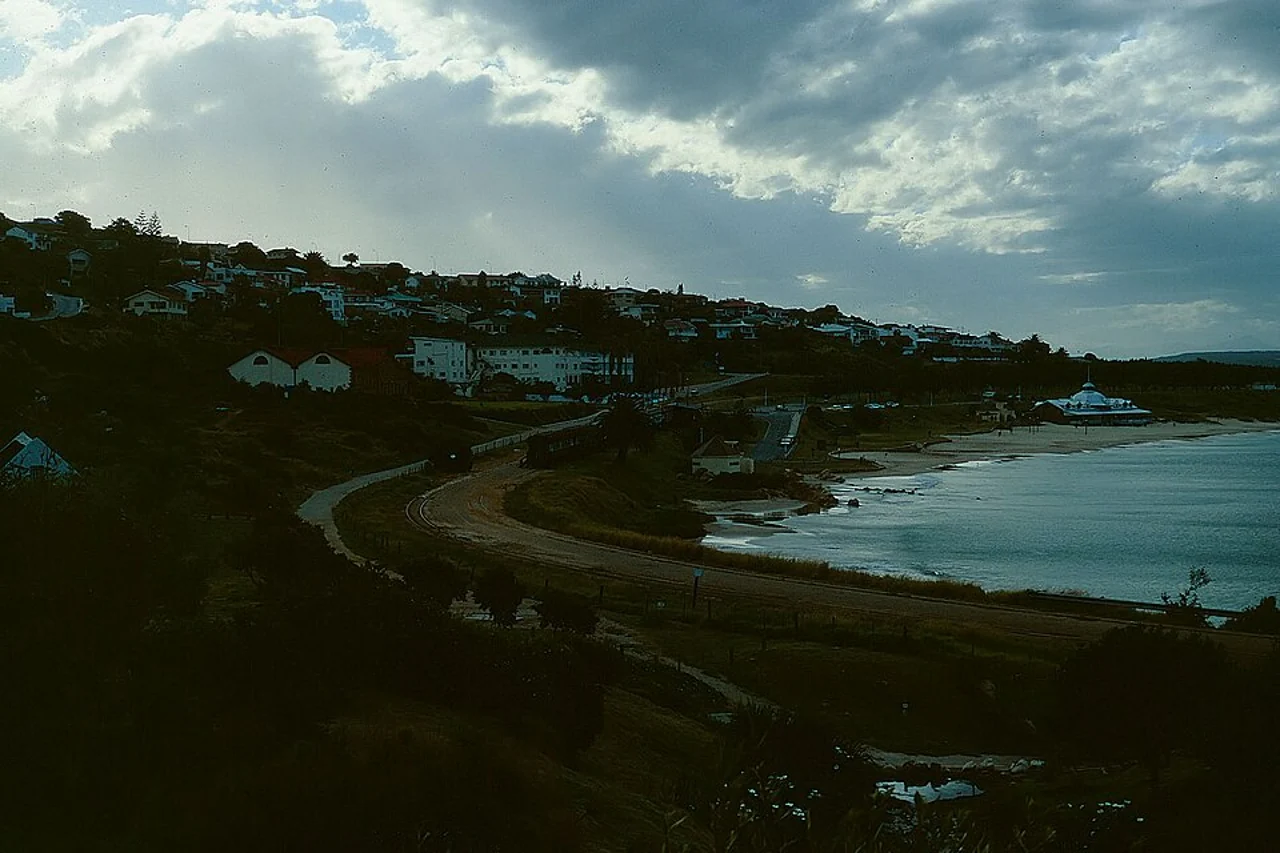
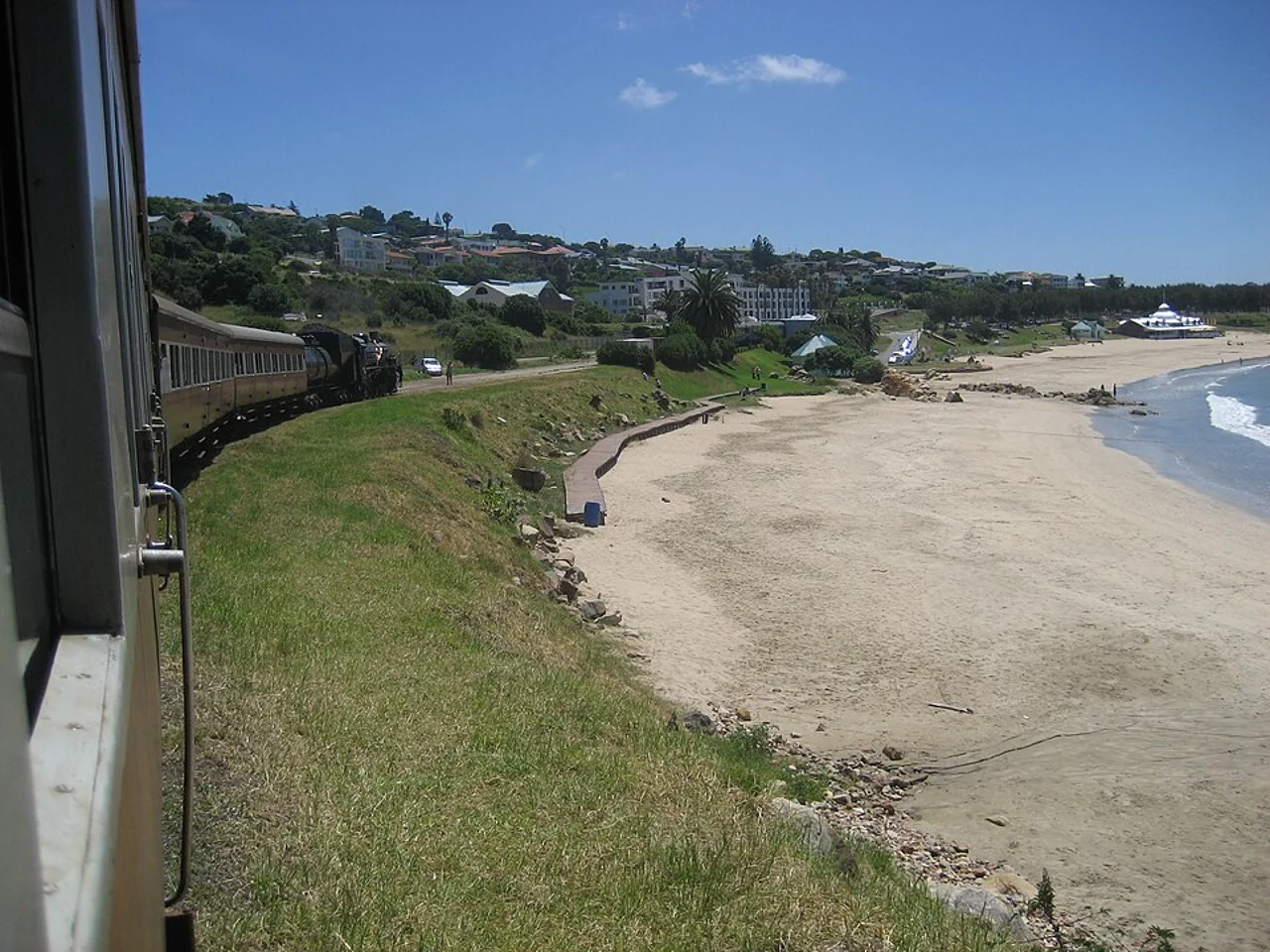
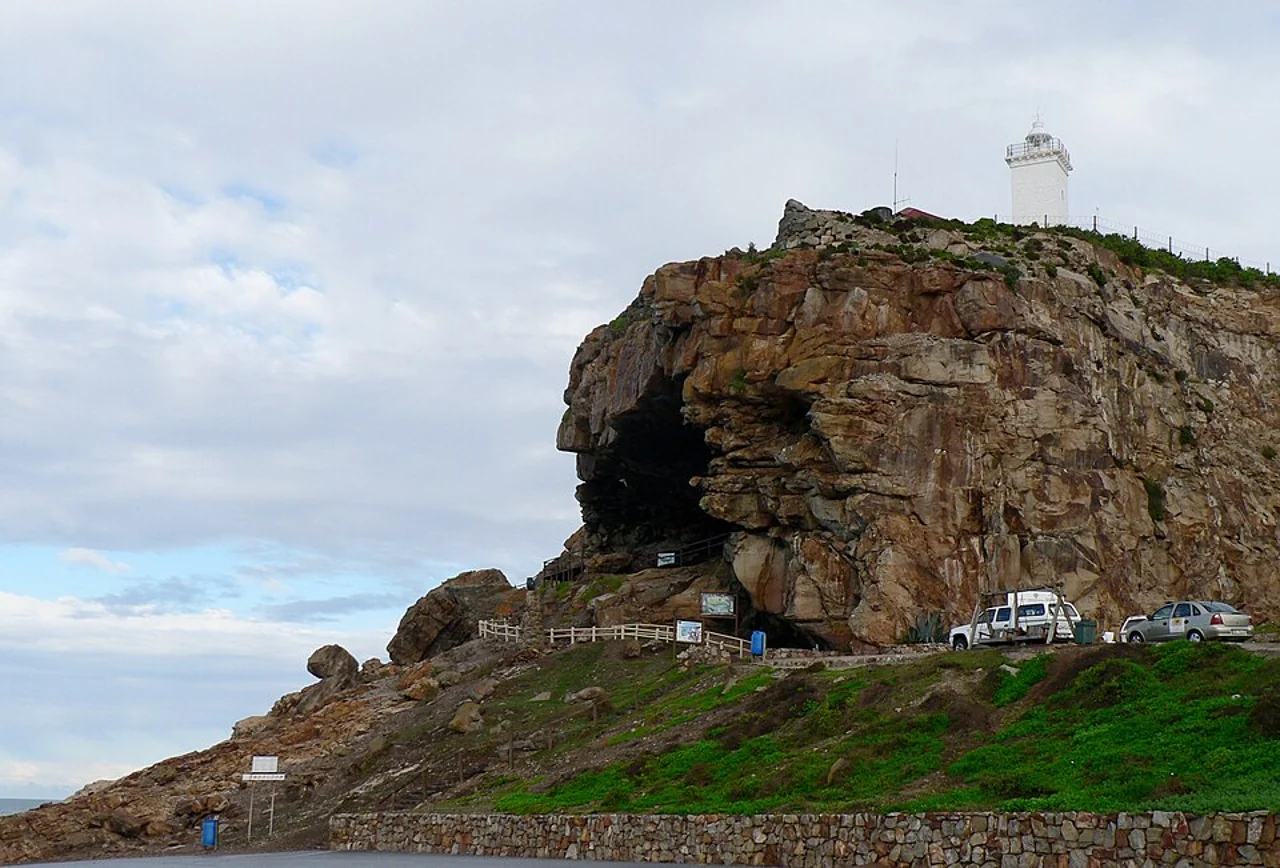
Consider the harbour and town surroundings for an outdoor break after the principal visits. Some photographs show an earlier train or a different period of coastal use; they do not prove a current tourist railway service. A scenic pause around Santos is also different from a promised swimming activity. Weather, local notices and real access conditions need separate checking for water activities. Even if the coastal or cave context near St Blaize interests you, the entire long trail need not be added automatically to a short museum break. Decide against the group's walking capacity and available daylight.

Sitting near the water before a meal makes space to discuss the first collection. Working harbour areas, vehicle routes and visitor footpaths are not interchangeable, so respect signs and closed gates. With children, choose a safe place to stop rather than stepping backwards beside the water for a picture. Arrange a late return in advance: a vehicle appearing in an app now does not guarantee availability later. Viewing a broad bay scene separately from a town facade shows that Mossel Bay consists of more than sea or museum alone. Neither scene has to become another compulsory stop on a crowded visiting day.
A concrete meal: hake with roosterkoek
Kaai 4's own menu lists braaied hake served with salad and roosterkoek. This offers a specific preparation rather than a general suggestion to find somewhere for lunch. Ask about the available serving and consider the bread alongside the fish. Other listed options include a boerewors roll and several pot dishes. Choose a preparation you actually want rather than trying everything in one sitting. Confirm stock, kitchen service and any booking needs against your date. The source does not establish today's price or prove that the fish was caught in the same harbour that morning, so those claims are not made.

Families can settle alternatives for anyone who does not want fish before ordering. A short dish name does not resolve serious requirements involving shellfish, dairy, wheat or other ingredients; speak to staff. Arrange the return beforehand so lunch after the museum is not squeezed into the few minutes before a waiting vehicle. Connecting maritime interpretation with a meal does not require giving every marine product an exclusively local origin. Asking about real provenance and preparation creates a firmer connection. Sharing just one observation from the day's notes can enrich the meal without needing another restaurant, activity or lengthy detour.
A base, transport and choices with less time
A central base can keep museum starts and evening meals within one town plan. If choosing a room for its coastal view, also examine its entrance address, gradient and real pedestrian connections; a view does not establish convenient access to every collection. Separate intercity arrival from the final journey between accommodation and museum. With a hire car or arranged transfer, specify luggage, child seats and the return requirement. No particular public route or exact departure was verified for this preparation, so none is promised. The driver should settle meal and drink choices in a way compatible with the later journey.
With one full day, connect maritime interpretation with a short garden pause and one meal without claiming the entire second-day programme was completed. With two, giving plant-use questions their own attention makes the comparison worthwhile. Sources were checked on 5 October 2026, and the caravel-boarding closure remains clear in both languages. Before visiting, review the latest institutional access notice and your selected provider's service arrangements. The Stork offers one final question: how do a ship's transport layout and a plant's interpreted use reveal different aspects of town life? These two questions give a short break more substance than a hurried bay stop.