
Patna: a city pause for Pataliputra heritage and the river
The Tatilmerkezi Stork suggests reading Bihar's history in Patna without compressing different institutions into one museum name. This city guide's specific purpose is to distinguish Bihar Museum from Patna Museum, observe Golghar's granary architecture and organise a separate worship-site visit to Takht Sri Patna Sahib. A Ganges pause is a quieter complement, not a compulsory river excursion. Four calendar days and three nights allow two full touring days. Nalanda, Rajgir and Bodh Gaya are not automatic extensions of this short city schedule: they need different distances and time. The ancient name Pataliputra does not imply that every object in a contemporary gallery was discovered in the same neighbourhood. Separating an object's origin from its present display improves both the historical reading and the geographical itinerary.
Two full days: separate the museum block from Patna City
Treat day one as arrival, luggage and a nearby evening meal. Give day two's substantial visit to Bihar Museum, considering Patna Museum as a separate institution after lunch if time and interest remain. If two detailed interiors feel excessive, choose one for the main visit and observe the other's building from an authorised exterior area. On day three start with Golghar and a permitted urban riverfront pause, then arrange an independent journey towards Patna City for Takht Sri Patna Sahib. Day four is the departure transfer. This counts two complete touring days without turning arrival and departure windows into additional sightseeing days. Readers preferring an earlier worship visit can reverse day three's sequence. Success depends on choosing visits that fit actual opening and connections rather than collecting every possible stop. A closure is therefore a reason to rearrange the blocks, not to force the whole schedule.
Bihar Museum: begin with the collection label
The state's official tourism channel lists Bihar Museum among Patna's cultural and historical institutions, while the district description places it on Bailey Road. Let personal interest determine the first gallery choice rather than the number of rooms available. For an archaeological object, read its period, findspot and material before looking at its form. With children, discussing a few objects may be more useful than attempting every exhibition in sequence. The illustrated sandstone pillar capital is identified by its photograph source with Bulandi Bagh, Patna, and a Shunga-period date around the second–first centuries BCE. It also demonstrates the difference between an ancient object's period and the date of a modern photograph. Displays can change. Official sources publish differing museum hours, so this guide does not treat one timetable as universal: use the institution's current notice for your selected visiting date.


Patna Museum: a related name, a separate institution
Do not use Patna Museum and Bihar Museum interchangeably when giving a driver an address or reading a map. The district administration's gallery identifies Patna Museum as a separate building, and the 2019 photograph here records that structure's exterior. Establishing the institution and its written address avoids losing time at the wrong entrance. A second long museum visit after Bihar Museum is optional. Architectural interest may be satisfied with an authorised exterior observation; a reader seeking a particular collection should ask the institution where it is currently displayed. An older book's reference to an object at Patna Museum does not guarantee that it remains in the same case today. Plan the connection and admission separately without assuming one ticket covers both institutions. This keeps the museum day manageable while respecting the distinction between two places instead of merging their names, collections and access arrangements.


Golghar: observe the form of a granary
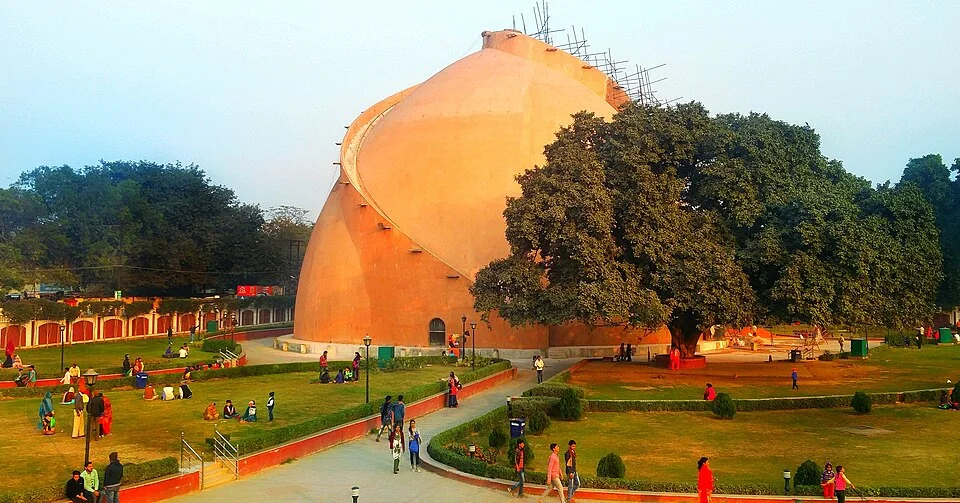
The Patna district administration introduces Golghar as a substantial eighteenth-century granary. Its mass and exterior spiral staircase supply the clearest architectural subject for a short visit. Although the source describes climbing the staircase, that does not establish permission to ascend on every current date. Confirm the open route, repair boundaries and access on arrival. If the stairs are closed, observing the exterior and permitted surroundings remains a meaningful alternative. Avoid blocking narrow passages in a crowd merely to obtain a photograph. Treat the river pause as a separate part of the day and do not assume an uninterrupted pedestrian route along the whole bank. Visitors choosing a brief architectural observation can preserve more time for Patna Sahib. This flexibility prevents a changed access arrangement at one monument from turning the entire day into an unsuccessful attempt to follow an old schedule.
Takht Sri Patna Sahib: distinguish visiting from worship
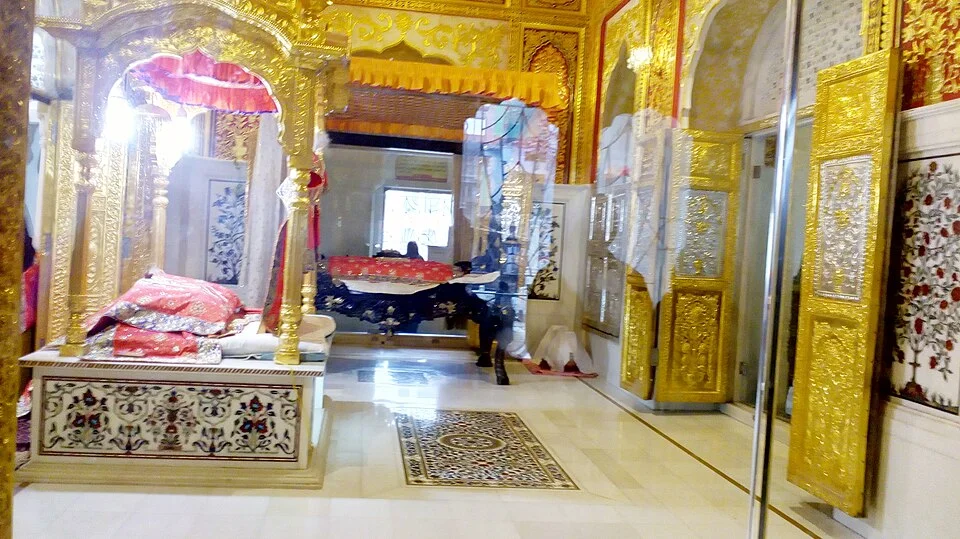
Bihar Tourism introduces Takht Sri Harimandir Ji Patna Sahib as an important Sikh worship site associated with the birthplace of Guru Gobind Singh. A journey into Patna City is not proposed as a short walking continuation of the central museum day. Give the connection and visit their own time. The official etiquette guidance asks visitors to cover their heads, remove footwear and maintain quiet; follow the current instructions of staff. A general tourism statement about photography does not grant unrestricted filming throughout every worship area. During a ceremony wait without distracting participants and do not take intrusive close-up images of people. The dated interior photograph records the site in 2016 and determines neither today's display nor worship arrangement. At a busy festival, a shorter authorised observation or a different visiting date may fit your journey better than forcing a crowded interior visit.

Complete the day with the Ganges and Litti Chokha
Bihar Tourism identifies Gandhi Ghat as one of the city's river stops. Readers adding a short view should establish the connection, open bank area and weather during the day. The illustration in this guide was taken from Mishri Ghat and is not labelled as Gandhi Ghat. Neither a particular aarti hour nor a boat departure is guaranteed in this schedule. Entering the river or stepping into a restricted bank section is excluded. For a concrete Bihar meal, consider Litti Chokha: the state source describes litti as a wheat preparation filled with sattu, accompanied by mashed aubergine or potato. Establish the real serving style and use of ghee with the kitchen. A vegetarian dish name does not imply absence of dairy. Solve the return connection before searching for dinner so that the evening finishes without an unnecessary chain of new transfers.


Match accommodation with station and airport needs
Accommodation can balance the museum-focused second day with the separate Patna City visit. The Bailey Road area may support the Bihar Museum day, while an address convenient for Patna Junction can suit an early train; neither guarantees walking access to every attraction. If Patna Sahib is the main purpose, compare the connection for that eastern visit separately. District information identifies Jayaprakash Narayan Airport and Patna Junction among principal arrival points. Confirm current departures and luggage transfers using dated operator information rather than turn an older generic route list into a promise of today's direct service. With only one full day, begin with Bihar Museum and a local meal, then add another open stop according to interest. Sources were checked on 4 October 2026. Reconfirm hours, admission, access and river conditions before travel and fit the plan to the actual dates of your stay.