
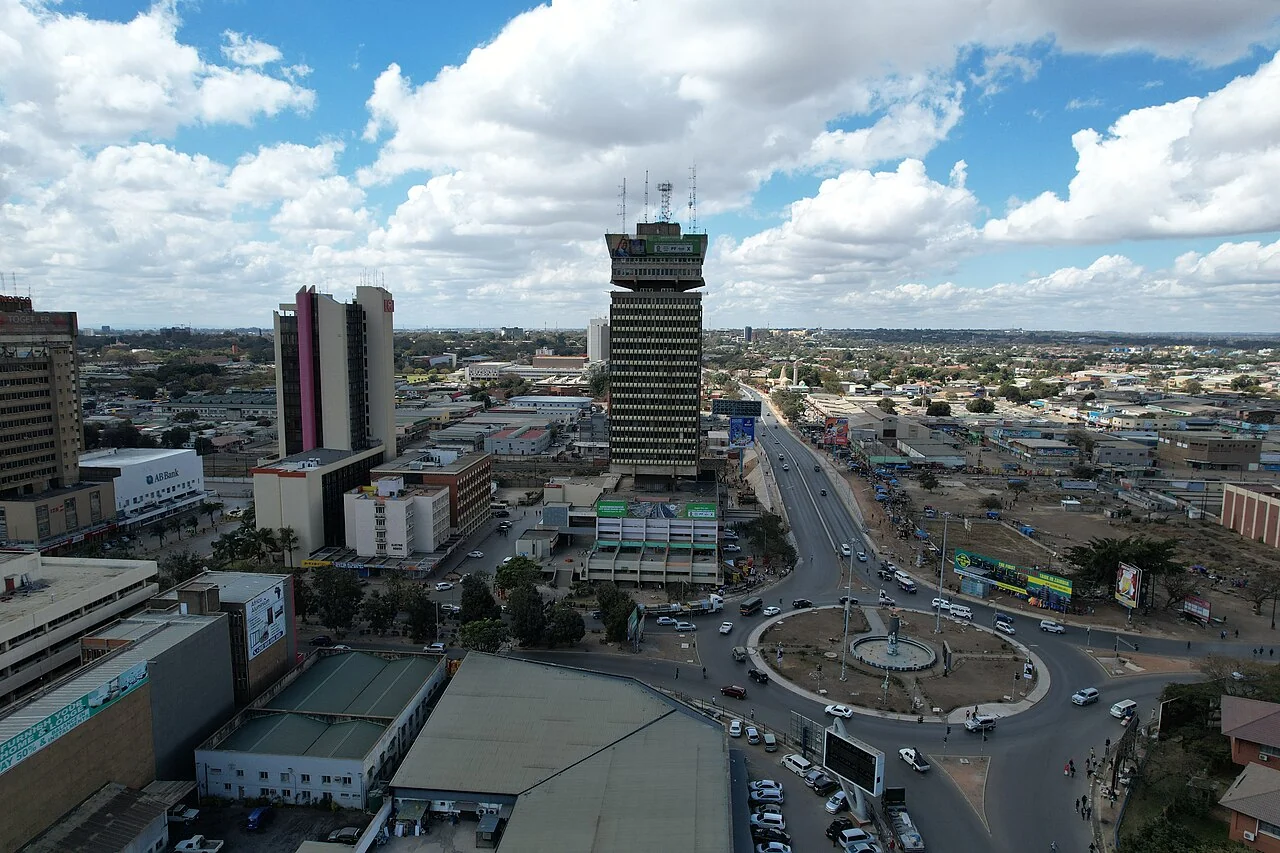
The Tatilmerkezi Stork gives Lusaka more attention than a night between flights. This guide is for readers who want two complete capital days built around a museum, craft production and real meals. Livingstone's waterfall and South Luangwa's safari from the Zambia country guide are not repeated here under a city label. Reserve the first day for a museum and nearby lunch, the second for a Kabwata craft visit, and consider a weekend market only when actual operating days match. Selecting fewer places does not make an urban stay dull. A useful question to a maker, or a quiet hour thinking about national history, can offer more than multiplying transfers.
Three nights and a realistic city calendar
Use arrival day for settling in, a nearby meal and confirming the following connection. The first full day can focus on Lusaka National Museum, the second on Kabwata crafts and local lunch, with departure the following morning. Three nights provide two full city days. If you fly out the morning after arrival, this example does not fit your available time: do not count a connection night as a sightseeing day. Swap the visits according to actual institutional opening and guide availability. Confirm both admission and the return connection before reserving another activity.
A reader with one full day may prioritise the museum and a short meal, while someone focused on shopping could choose Kabwata without forcing the museum into the same afternoon. Consider children's attention, seats and real walking surfaces. If wildlife outside the city is also important, recognise that it requires another activity, transfer and access arrangement. This two-day programme does not sell a national-park visit. Finishing with an answer to what you wanted to learn at each place can be more meaningful than returning with only a completed attraction list.
Museum day: approach history with your own questions
Zambia Tourism Agency lists Lusaka National Museum on Independence Avenue among the capital's visits. Confirm current opening, exhibitions, guiding and accessibility with the institution; older charges on tourism listings are not presented as today's ticket. Enter with two or three questions: which historical periods shape the interpretation, how are communities represented, and what connections are made with present life? Spend time in relevant sections rather than rushing to complete every room. Ask a museum staff member when interpretation is unclear instead of repeating your own assumption as an established historical fact.
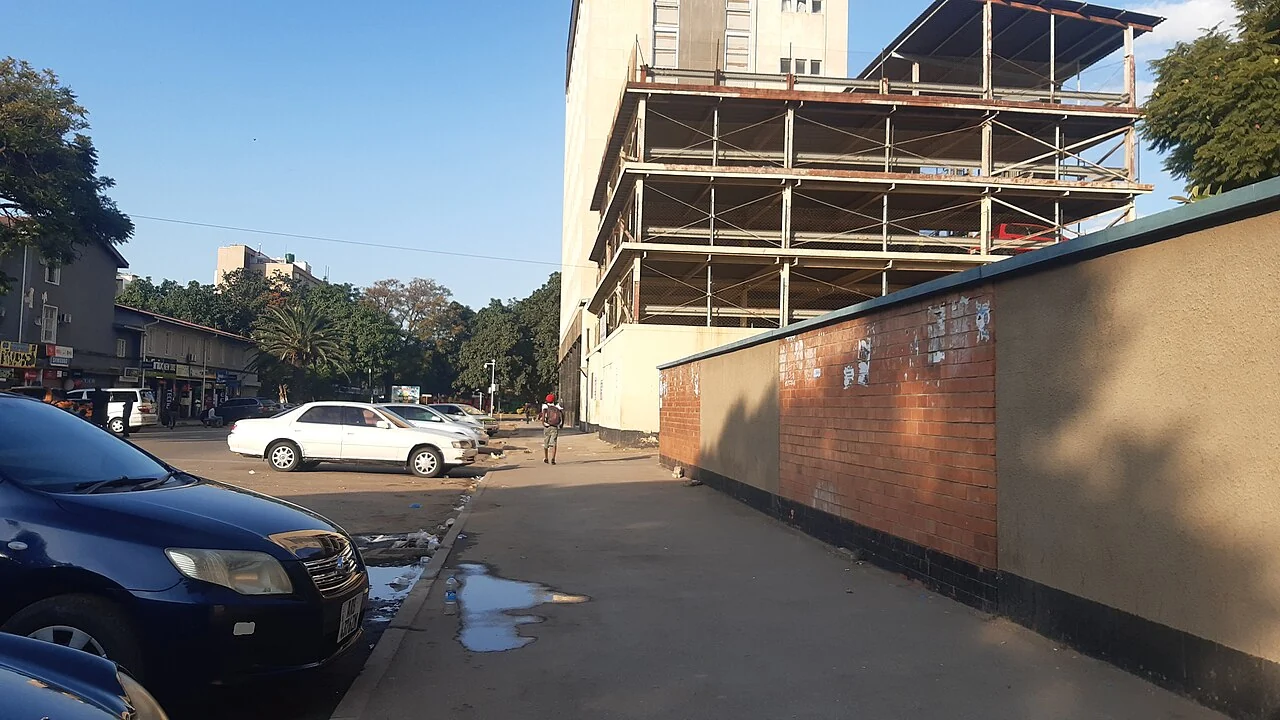

Photography and bag arrangements may depend on the exhibition. A general city photograph does not establish permission to reproduce exhibits indoors. When family interests differ, use a shared section followed by a seated break. Place lunch after the museum within the day's central plan rather than allowing a distant restaurant booking to interrupt the visit. An indoor activity may be welcome in rain, but a closed institution does not oblige you to wait outside. Clear institutional information allows the programme to change without sacrificing time on the capital's second day.
Kabwata and weekend craft alternatives
The official ZTA activity record identifies Kabwata Cultural Village as a Lusaka craft-market visit. Arrive with an interest in understanding a useful item: fabric for everyday use, a small wooden object or another production you can carry. Begin with questions about technique, material, size and the maker's own role. Discuss permission and timing before photographing people at work. A product sold in a local market is not proof that a wildlife component is lawful. Avoid protected animal products and objects whose origin cannot be established rather than assuming every souvenir is acceptable to take home.
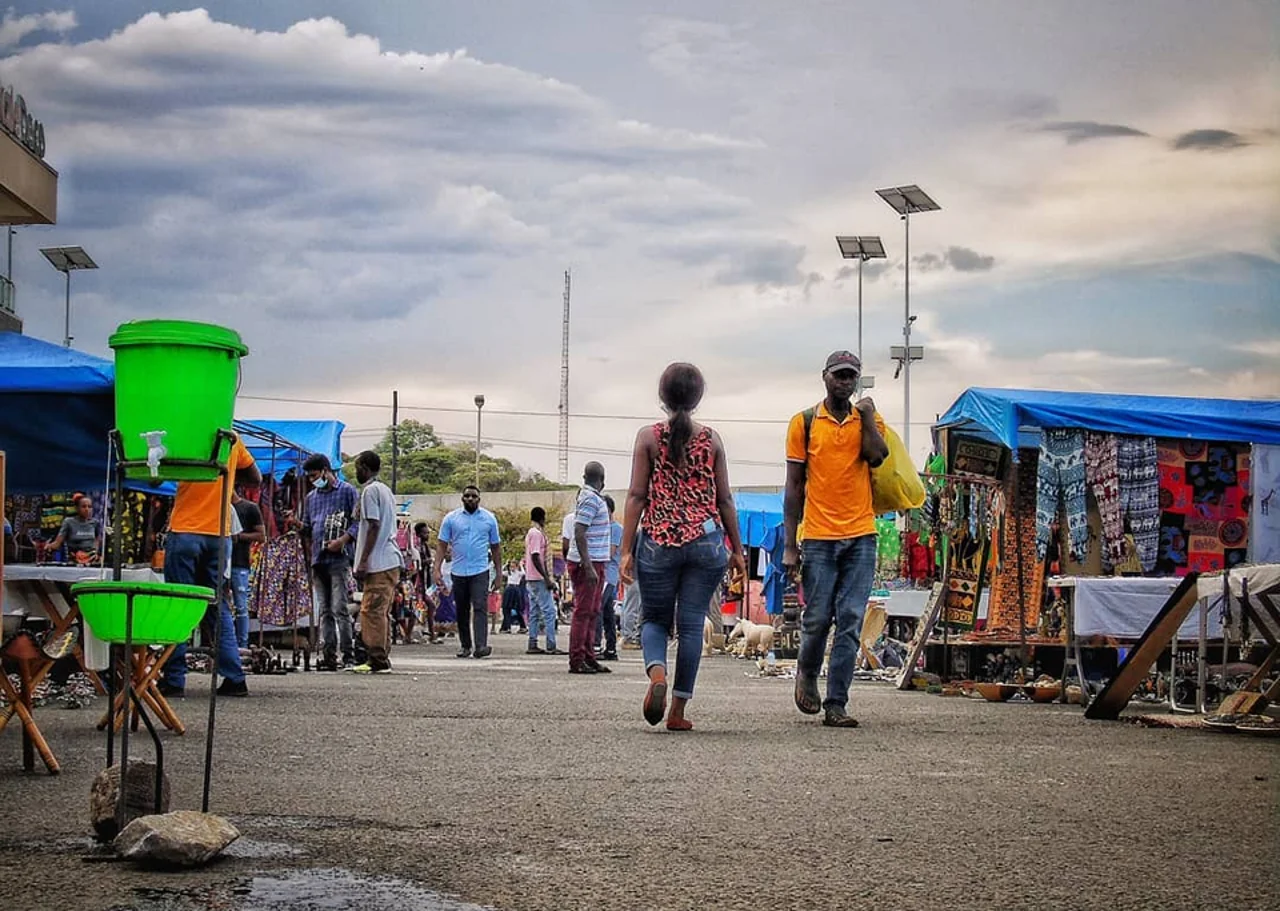

ZTA also lists weekend craft activity around East Park. If the actual location and operating day are confirmed, it can provide an alternative within the second day; it is not the same business as Kabwata. Our image shows a 2021 Arcades market setting rather than today's Kabwata stalls. You do not need every shopping site on one itinerary. A pause that helps you understand material and carrying requirements may be more useful. Think about packaging for breakable objects and your baggage allowance. Learn the actual price before purchasing rather than treating a previous visitor's payment as the present rate.
A nshima meal and a kapenta option
UN Tourism's Zambia gastronomy material names nshima and kapenta among concrete food choices. If offered on your actual menu, consider maize-based nshima with properly cooked fish, vegetables or chicken. Kapenta is a small-fish option, so discuss fish allergies and preparation before ordering. Nshima alone does not explain the entire meal's ingredients. Ask about sauces, stock, oil and chilli; a vegetable name is not automatically proof of vegan preparation. A group interested in sharing portions and a solo traveller needing a substantial meal have different requirements, which can be settled before placing the order.


Plan a quieter lunch after the first day's museum and a seated meal after crafts on the second day. Arrange a return vehicle instead of undertaking a lengthy unfamiliar restaurant walk at night. For an early flight, ask about breakfast preparation and safe drinking water when reserving the room. Placing food within city days does not require repeating a paragraph left over from a safari. The aim is to connect the time and location of an actual meal. The illustrated nshima plate is a Zambian food example, not the current menu of a named Lusaka establishment.
A central address or a Great East Road connection
Readers focused on the museum can compare actual central addresses; those with meetings around Great East Road can consider accommodation serving that connection. Map markers such as Manda Hill or Arcades help orientation but do not prove that every nearby hotel is reached by a comfortable walk. Ask about the precise location, evening food, collection point, stairs and room noise together. Proximity to a long road differs from having a suitable short pedestrian connection. In rain, the entrance and baggage-arrival arrangement can matter more than the view shown in a photograph.
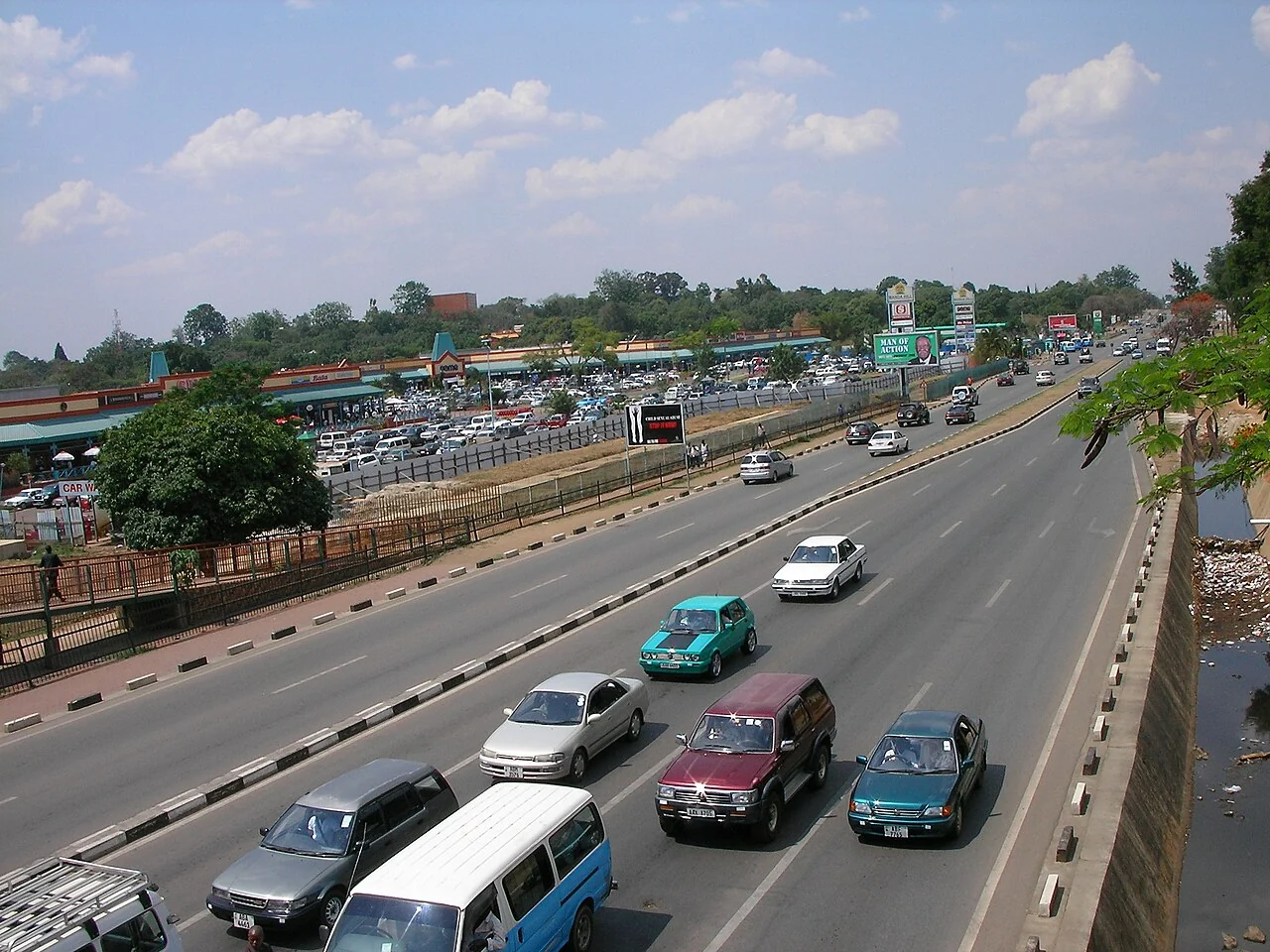

One room for three nights reduces luggage movement if it genuinely serves both days. A distant room that appears inexpensive may offer a different overall proposition once every meal or visit requires another vehicle. Keep your priority clear: city history, shopping with makers or a work appointment. Decide where the return vehicle meets you and obtain current local information on pavements and junctions. The city images establish road and urban context, without claiming that every street retains the same present layout or surface. Preparing departure morning early is more useful than spending the final evening uncertain about the airport connection.
Kenneth Kaunda transfers and current checks
Zambia Airports Corporation's own ground-transport information identifies taxis. Establish airport collection, driver identity and the full hotel address. Older project dates on the page are not interpreted as current service promises. Confirm the actual transfer charge, baggage and waiting arrangements with the provider. A public bus or minibus is not automatically recommended from the airport: verify real routes and conditions before depending on them. Allow for delays when separate tickets connect on one day. Adding a museum or market before a flight should not quietly transform departure into a third full city day.
Official security information checked on 4 October 2026 highlights disruption from Lusaka demonstrations, the importance of arranged vehicles instead of walking at night, and restrictions on photographing sensitive government or military sites. Do not make a protest an observation activity; follow local security directions. This city guide does not include the DRC-border countryside or safari parks. Confirm current entry and health conditions for your passport with the relevant authorities and check insurance against the actual activities planned. Preparation for two capital days does not imply that every part of Zambia can be visited under the same road or access conditions.