
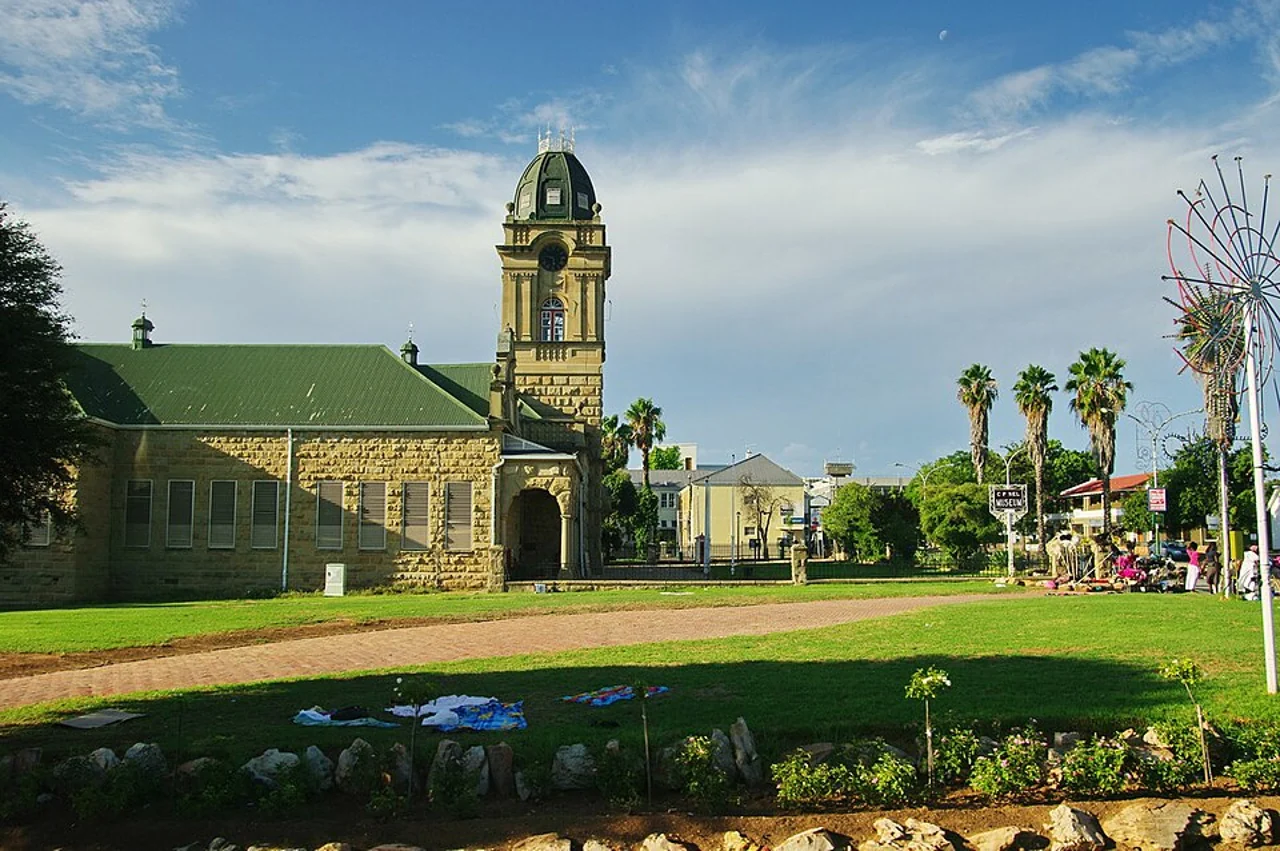
Oudtshoorn: feather trade, domestic objects and town facades
The Tatilmerkezi Stork proposes a town visit that does not reduce Oudtshoorn's ostrich story to a farm demonstration. Read feather commerce and domestic collections at CP Nel Museum through different questions, then observe historic exteriors around Baron van Reede and High Streets. A Cango Caves excursion or national driving loop is not the main programme here. For two full town days, allow three nights and separate arrival, two visits and departure across four calendar days. With less time, choose one complete museum day and a meal. The second day should not merely rename the first: give trade the first focus and everyday use and townscape the next.
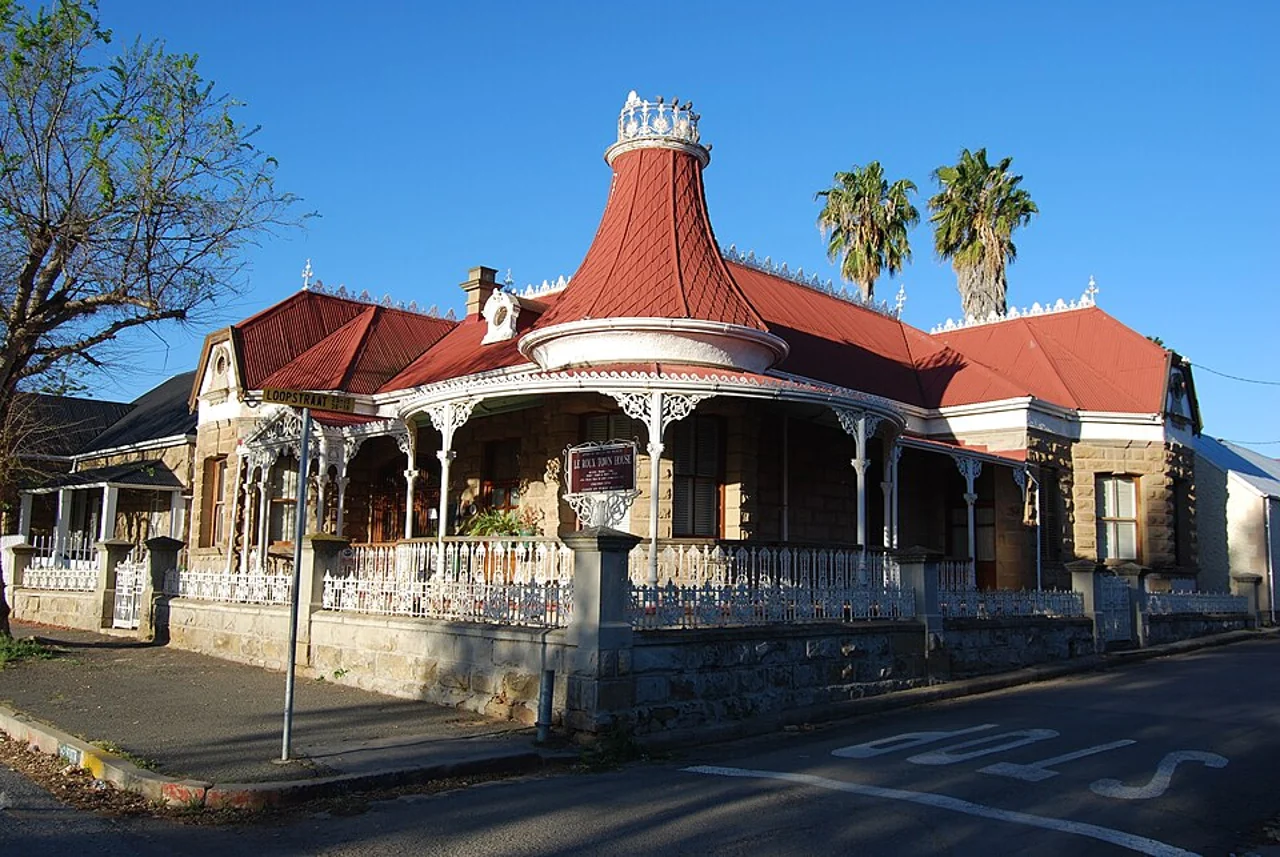
The institution's current information distinguishes weekdays from Saturday and states that Sunday and public holidays are closed. Plan collection days around that instead of assuming a full weekend programme. The Le Roux Town House exterior photograph supplies historic domestic context. Older tourism opening periods are not repeated as a present interior-access promise; ask CP Nel separately if entering that house matters to you. The confirmed museum interpretation and exterior town walk remain meaningful without an uncertain interior visit. A building appearing in a photograph does not establish that every traveller can enter it on the day they arrive.
Day one: read feather commerce as a product story
CP Nel's own Ostrich Room interpretation connects the feather industry with town life. Enter with questions about the transformation from material into fashion rather than merely searching for an impressive object. Consider an accessory's shape, intended use and relationship to distant buyers. Follow the institution's historical interpretation to distinguish growth and decline in commerce. This route promises neither a particular piece on display nor a production demonstration or working-farm tour. An exhibition room and an operating agricultural business meet different visitor needs, and one should not automatically be substituted for the other.

Choose one comparison afterwards: did the product interpretation or the town's architectural scale attract more interest? Families can let everyone select a question. Children need not read every panel; colour, material or use may provide a starting point. Giving one room attention can be more worthwhile than rushing to an unrelated distant stop. Ask ahead about particular guiding or group arrangements. Arrival and the last-entry period are not necessarily equivalent. If late, keep the programme modest and leave the other collection need for another suitable day. Separating the visits makes curiosity, rather than the number of entrances, the measure of the programme.
Day two: domestic objects and community history
Turn the second museum question towards everyday work. The institution's Exhibition Rooms and Shop interpretation offers older household, lighting and practical objects as another focus. An iron or lamp does more than indicate age: it opens discussion of energy, maintenance and domestic labour. Do not make the first day's trading product identical to the second day's household object. One may have moved through a distant market, while another met an ordinary daily need. Follow labels and staff explanations rather than assuming that an exhibited mechanism may be touched or that a working demonstration comes with an ordinary visit.

The synagogue interpretation provides a further window on community history. The institution connects this past with movement of people in the feather-trade era. Rather than passing through solely for an attractive interior, consider relationships between settlement, worship and economic life. A current religious or special-event arrangement is not identical to ordinary tourist access, so follow institutional directions. This guide repeats no universal first-or-only ranking: understanding town history does not require one. A short walk and relaxed meal afterwards can connect your notes while keeping the two days' different questions clear, instead of adding more visits merely to occupy every remaining hour.
Baron van Reede and High Street: an exterior walk
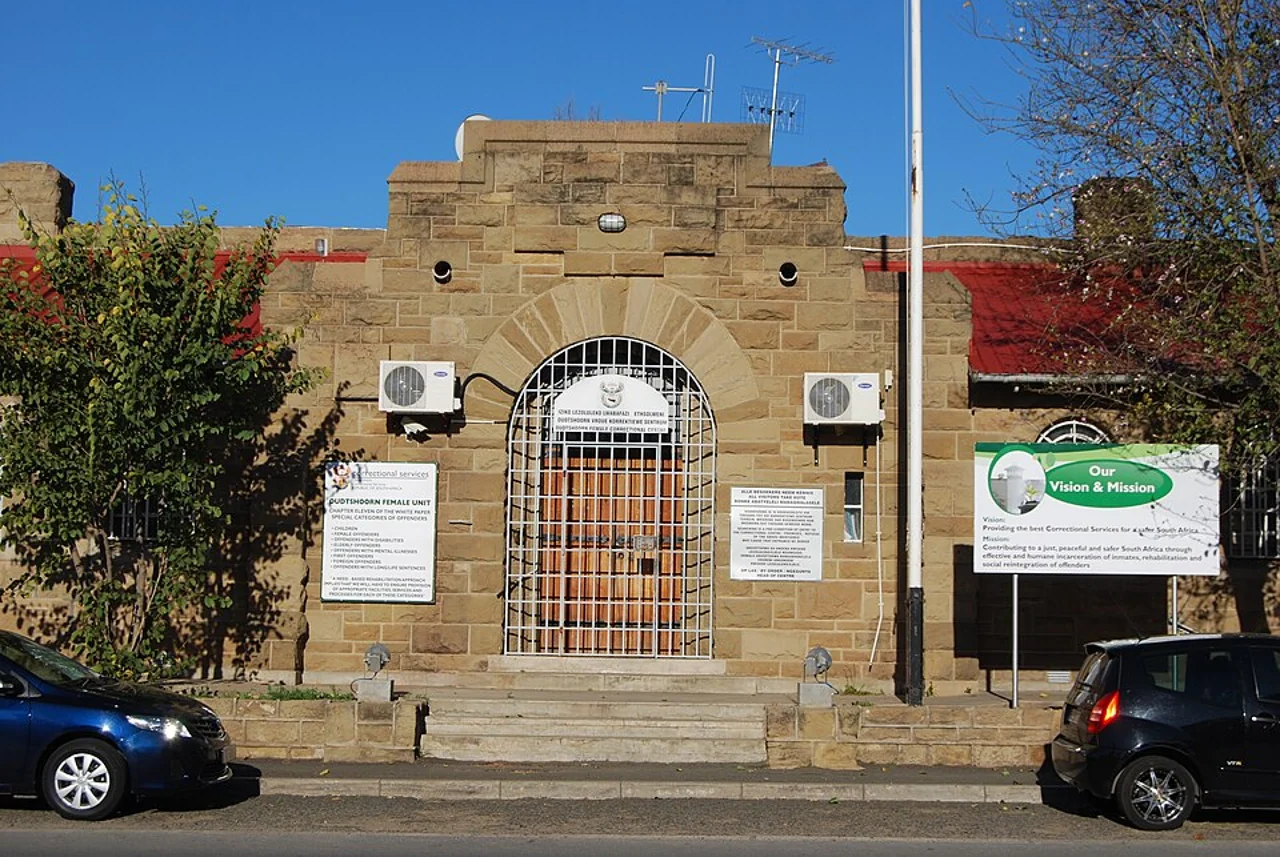
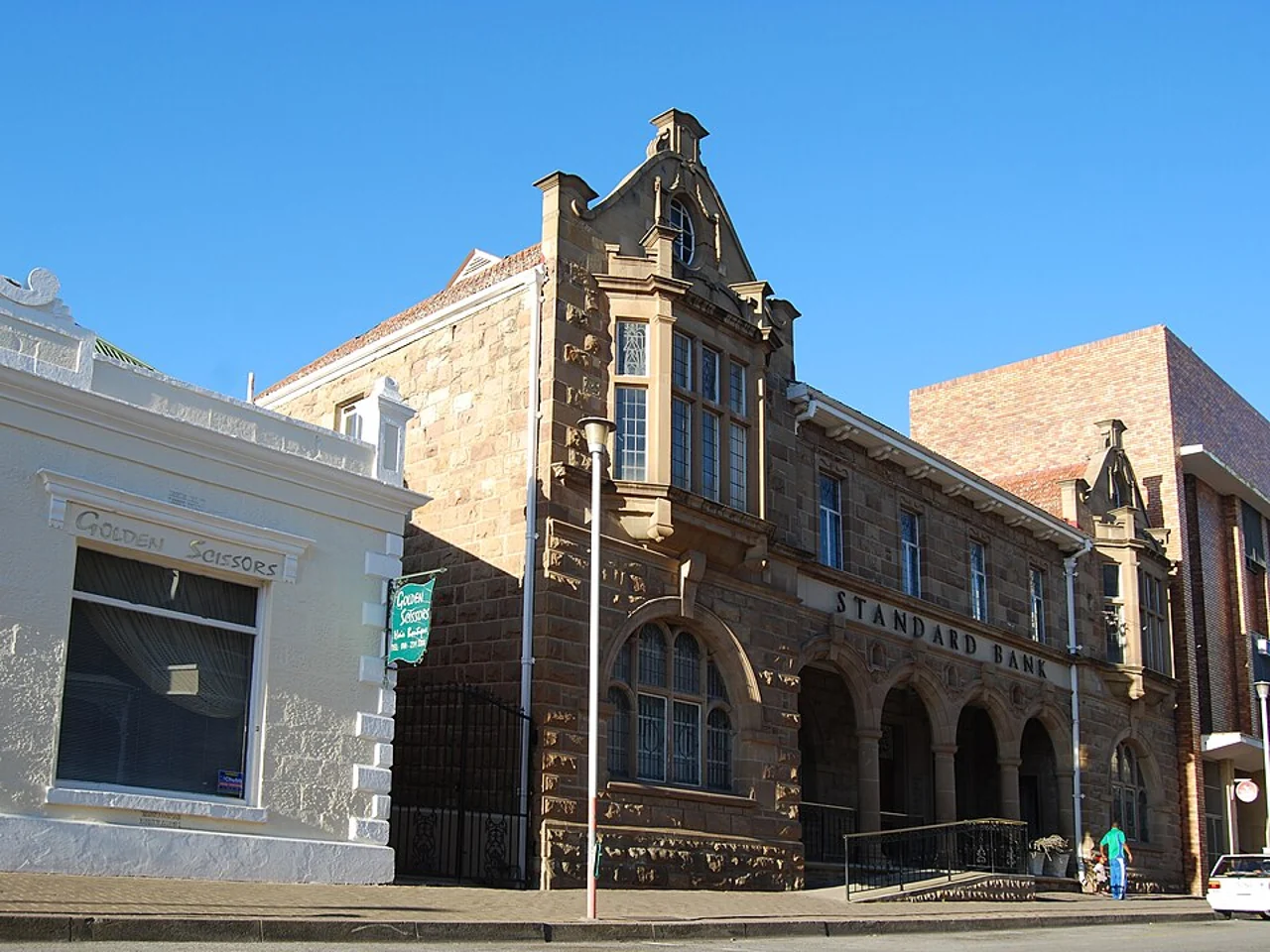
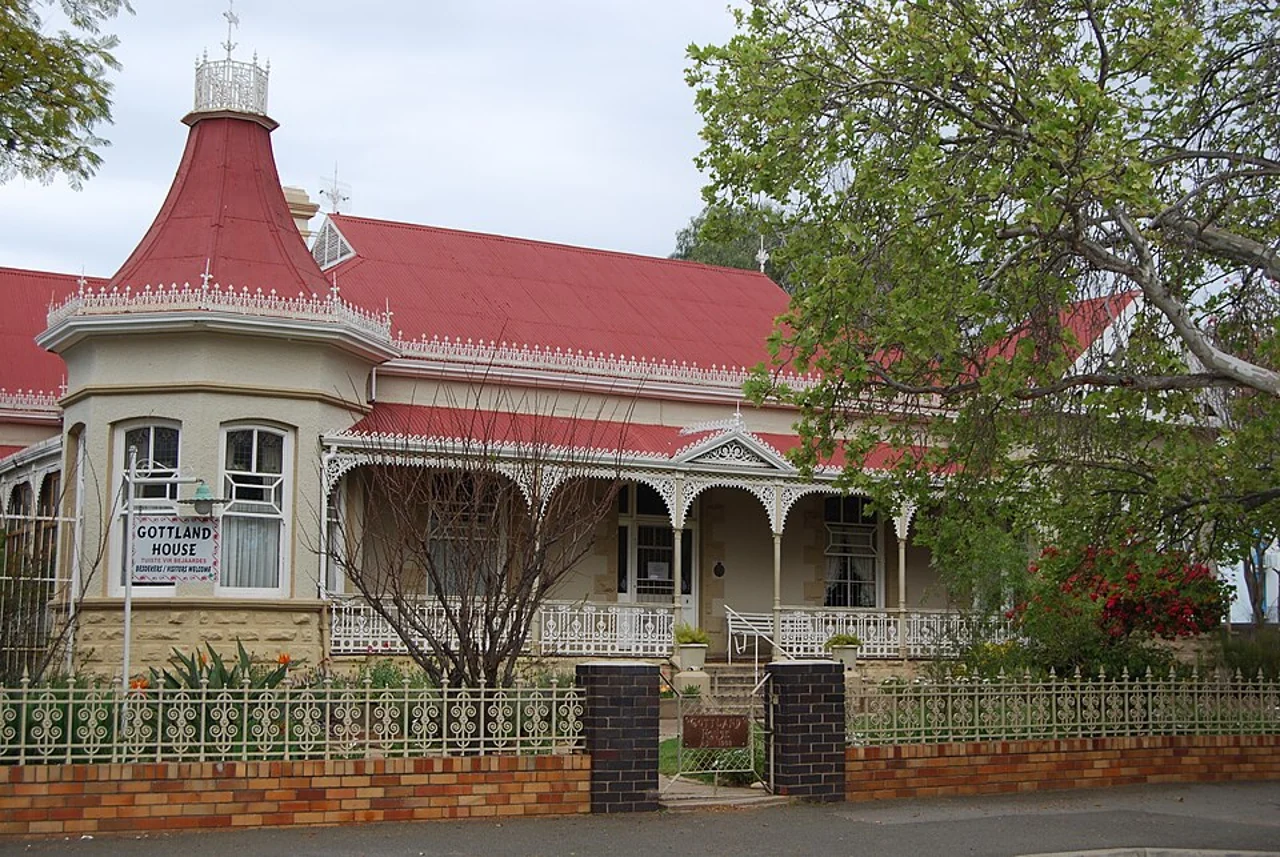
Choose your own starting and return addresses for a short town walk. Historic buildings near Baron van Reede and the Le Roux facade in High Street provide outdoor context for wealth and domestic-use questions considered in the museum. Do not assign every building the same story or present business. Select concrete features such as roof, veranda, door arrangement or material. The Gaol, former bank and Gottland House photographs show particular historic-building contexts; they are not presented as current banking services, guest rooms or collection interiors. Observing a facade and entering a building's collection remain different experiences.

This walk is not an automatically booked guided tour. Observe without entering private property or obstructing entrances and working doorways. In heat or with increasing tiredness, shorten the circuit and leave a shaded rest. Families need only a few facades and a sitting point rather than an uninterrupted walk along every street. Arrange the return and daylight separately for evening photography; a scenic image is not route-safety verification. Adding a distant cave or farm on the second day is optional rather than necessary to complete the town need. Some unfilled time can help you notice an architectural detail that escaped attention earlier.
A specific meal: ostrich roosterkoek or bobotie
Nostalgie's own Oudtshoorn menu offers specific choices including roosterkoek filled with ostrich strips, ostrich fillet and bobotie. Comparing the museum's feather product with ostrich served as food can suggest different economic uses of the same animal, without claiming an unevidenced particular local farm origin for the plate. If available that day, ask how the filling is prepared or discuss a cooking preference for the fillet. Choosing bobotie does not require tasting every other listed option in the same sitting. One thoughtfully chosen meal can be more enjoyable than attempting a long sequence of restaurant addresses.

Confirm service and reservation arrangements for your date. A short menu description is not a complete allergen list, so discuss serious requirements with staff. Ask about the actual alternative for someone not eating meat before ordering. Connect the meal to the museum exit using the real address and kitchen service rather than hurriedly ending a walk to reach an assumed closing time. No current prices or unchanged daily stock are guaranteed here. The local meal connection comes from curiosity about preparation and real provenance. A dish associated with a town name does not automatically establish a particular farm or historical authenticity claim.
Accommodation, transport and a smaller programme
A central base may suit collection visits and the evening meal. When choosing accommodation for its historic exterior, check the actual entrance, parking and return arrangement rather than inferring rooms or services from a photograph. Separate intercity arrival from the final museum connection. Specify luggage and child seats with a hire car or arranged transfer. No particular bus or train timetable was verified for this preparation, so none is added. With a rural base, plan outward and return travel rather than assuming town visits can all be reached on foot. Check accommodation handover arrangements if you want to avoid carrying bags between museum spaces.
Travellers with one full day can combine the Ostrich Room focus with a brief domestic-object comparison and one meal. Those with two suitable days can read commerce and everyday life separately. Sources were checked on 5 October 2026; recheck Sunday, public-holiday and Le Roux interior arrangements before travel. The Stork suggests a three-word note for the journey onward: product, home, community. Recording one concrete detail for each helps remember Oudtshoorn as more than an ostrich photograph. A programme may stay small while offering genuinely different questions, enough breathing space and a town setting that gives the collection interpretation a practical connection to daily life.