
Jabalpur: separate the city day from the Bhedaghat day
The Tatilmerkezi Stork suggests making the most important Jabalpur decision before leaving your hotel: a city day for Madan Mahal and its rock formation, followed by a separate Bhedaghat day for the Narmada's Marble Rocks and Dhuandhar. A stay in Madhya Pradesh's Mahakoshal region deserves more than being a vehicle transfer on the way to a national park. Four calendar days and three nights create two full visiting days for travellers interested in reading two different landscapes without rushing. Kanha and Bandhavgarh should not be treated as nearby city parks attached to the same day; they need separate bookings, transport and time. The specific purpose of this guide is to distinguish a suitable river-excursion day from a city-architecture day. Even without a boat trip, permitted bank and waterfall observations can make Bhedaghat worthwhile. Going onto the water is optional.
Four calendar days and two full visiting days
Use day one for arrival, luggage and a nearby evening meal. Begin day two with a connection to Madan Mahal and authorised observation of the structure, then consider the nearby Balancing Rock as a separate short stop. After a rest, readers with time and interest can investigate the open collections at Rani Durgavati Museum. Build day three around outward and return transport to Bhedaghat: Dhuandhar's open viewpoint is the principal stop, while a safe operating boat service at Marble Rocks is a conditional addition. Select Chausath Yogini according to the steps and time you can manage. Day four is departure, rather than an extra full visiting day. River conditions may justify reversing the two main days. With just one full day, choosing either Bhedaghat or city architecture as the principal purpose makes more sense than trying to consume both through a succession of rushed connections.
Madan Mahal: read the building and its rock setting
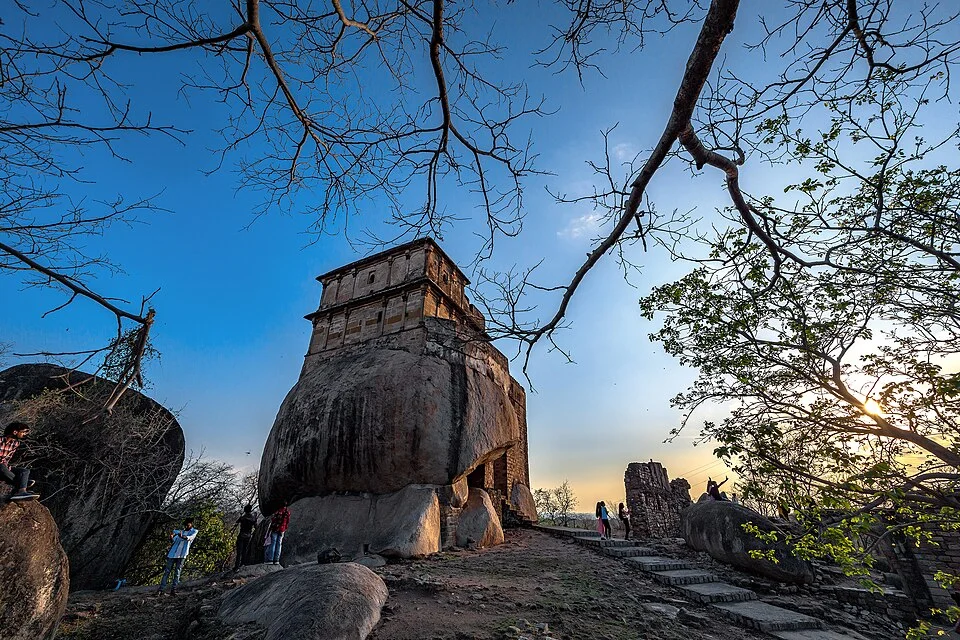
Official tourism sources introduce Madan Mahal as a hill structure associated with Jabalpur's Gond heritage. Focus on the architectural relationship with the substantial rock mass. Observe the overall exterior and setting first, then examine closer details where the open route permits. A historic building does not guarantee that every room or upper level is accessible on every visiting day. Check ground conditions and maintenance boundaries before using stepped sections; a shorter exterior observation can still belong in the itinerary. Travellers with restricted mobility should ask staff which open areas fit their needs and reduce the visit accordingly. Do not cross protection boundaries for a photograph or obstruct narrow passages. Madan Mahal and Balancing Rock can occupy the same city block of time, but climbing and resting must be accounted for separately. The experience does not require definitive claims that compress a ruler's entire military history into one building.

Balancing Rock: a short geological pause
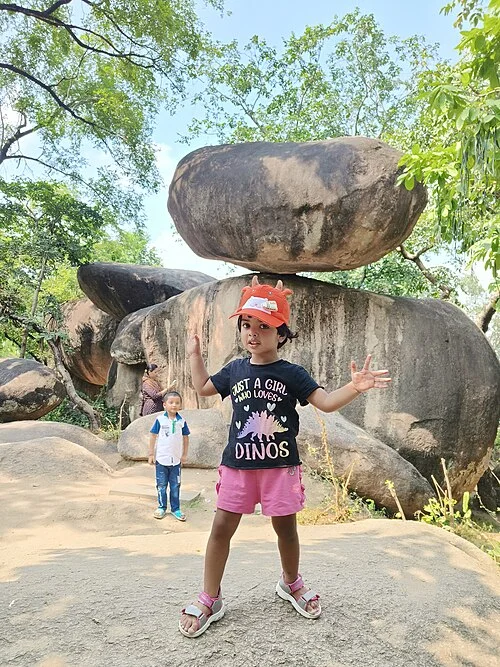
The national tourism source presents Balancing Rock as a separate formation that can be considered with the Madan Mahal approach. Instead of expecting a furnished architectural room or a lengthy hiking trail, observe the boulder's shape and the different surfaces below and around it. A short pause need not become a long excursion to be valuable. Do not climb the formation for a camera position, attempt to move stones or leave open boundaries. Older statements about hours or free admission are not used as guarantees that maintenance and local arrangements cannot change today. Confirm the actual visiting setup on arrival. With children, discussing how the boulder appears to balance can give the stop substance beyond a souvenir photograph. Leave time for lunch and a rest in the city before choosing the museum or returning to the hotel. This formation and Bhedaghat's Marble Rocks are different places, not two names for a single attraction.

Dhuandhar: observe the Narmada from an open viewpoint
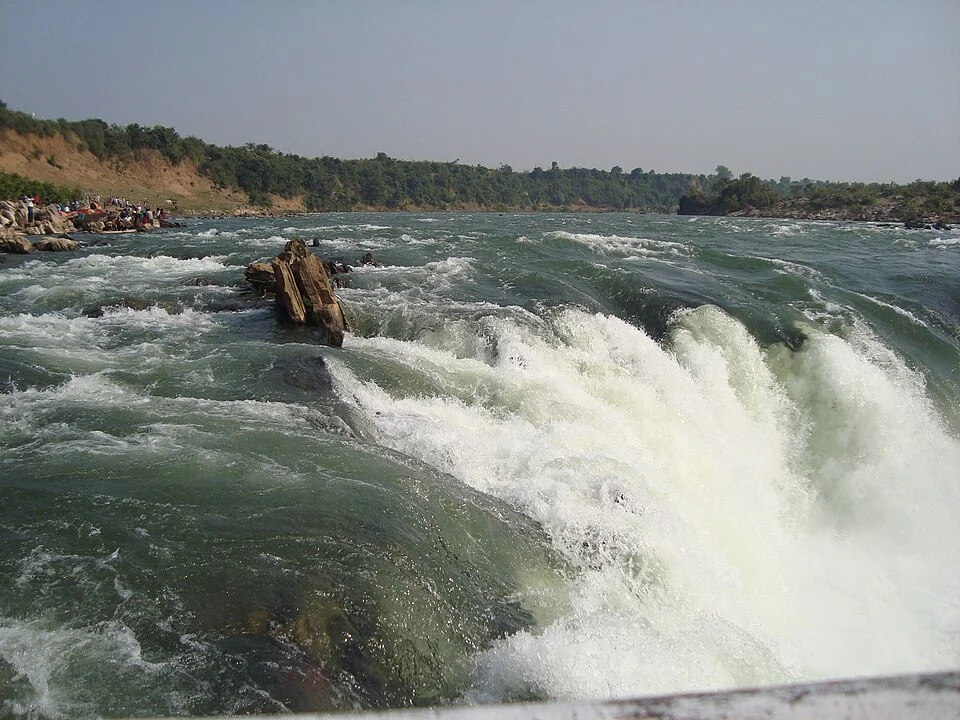
Dhuandhar belongs to the Bhedaghat river landscape where the Narmada narrows and cascades. The official tourism page describes viewpoints and different ways of observing the surroundings. The core activity here is simply seeing the falls from the platform currently authorised and open. An older photograph does not establish today's water level or current. The possibility that some activities stop during periods of heavy water belongs in the plan. Follow directions at slippery surfaces, closed sections and barriers; entering the water or approaching the edge for a pose is excluded from the proposed activities. Check the present operator separately if a cable car or another service matters to you. No single ticket covering every activity is promised. Arrange this outward and return journey as an excursion distinct from a short city visit. Add Marble Rocks when the connection is suitable, or retain an open-area observation when it is not.

Marble Rocks: boating is a conditional choice
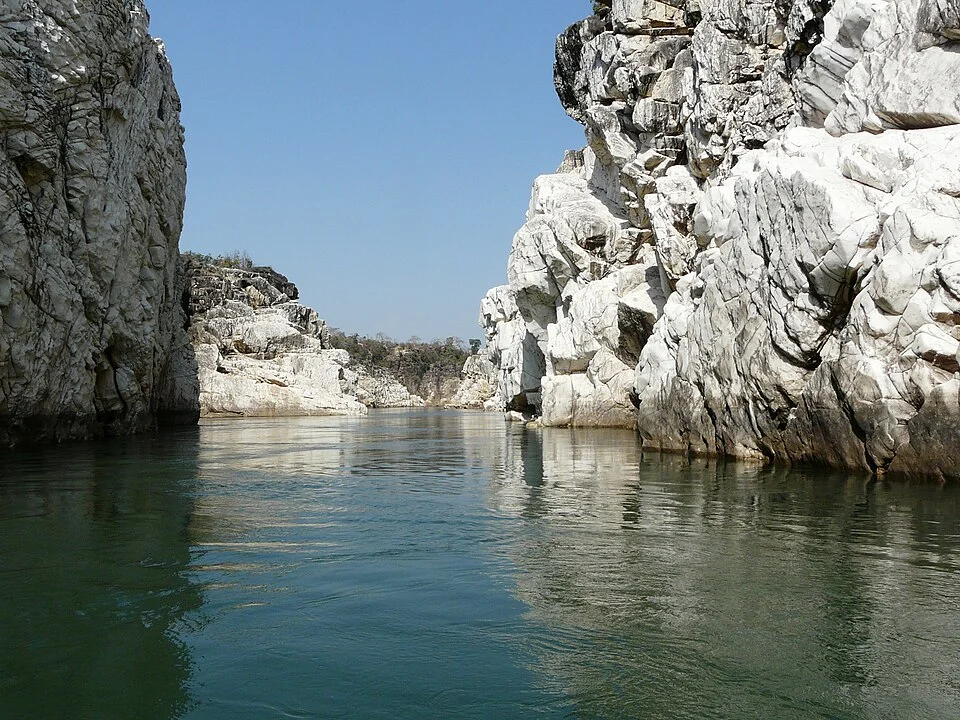
Official presentations of Jabalpur and Bhedaghat describe the narrow Narmada valley formed between marble rock walls. The cover photograph records this distinct river setting rather than a close-up of the waterfall. Anyone wishing to travel by boat should verify the authorised operating service, return arrangements and safety instructions for the actual visiting day. A service appearing in an old brochure does not guarantee a departure when high water or unsuitable weather stops operations. Follow life-jacket instructions and choose a bank observation instead of boarding a boat that does not appear appropriate. A night or full-moon trip is not sold as a compulsory experience in this short city itinerary. Viewing the rocks from the river and shopping for marble products beside the bank are separate decisions, not mandatory stages of a tourist sequence. Leave time for lunch, rest and the return transfer rather than make time on the water an unnecessary race to catch the next connection.
Chausath Yogini and an optional museum
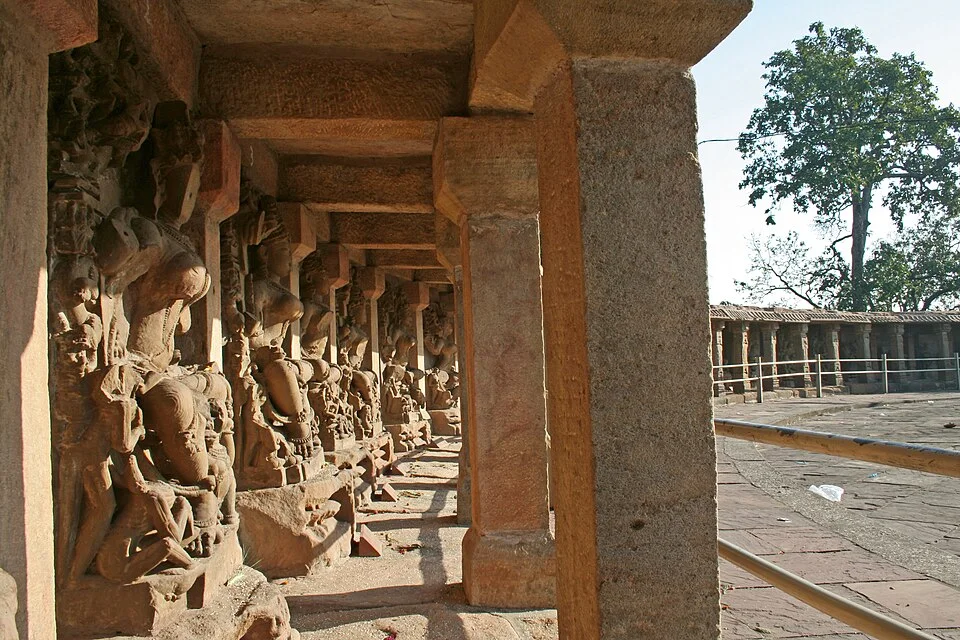
The district source lists Chausath Yogini Temple, Rani Durgavati Museum and other regional places as separate interests. If selecting Chausath Yogini for the Bhedaghat day, account for the hill and steps. Ask staff about worship access, open routes and photography rules. The 2007 photograph records the columned section containing historic stone figures; it establishes neither today's arrangement nor permission for unrestricted close-up photography. Rani Durgavati Museum offers a different city-day option. There is no requirement to see every collection and complete a long river excursion on the same day. Build a visit around a few objects or architectural details that matter to you. Excluding Kanha and Bandhavgarh bookings from these two city days preserves an important time boundary. Readers wishing to extend into a national park should allocate additional days and research real admission arrangements and independent transport rather than treat wildlife entry as an automatic city add-on.

Khoya Jalebi, accommodation and arrival points
Madhya Pradesh Tourism's Jabalpur brochure identifies Khoya Jalebi as a concrete regional sweet: a jalebi preparation made with mawa or khoya, a concentrated milk ingredient, and syrup. The older brochure supports the food's name and regional connection, not a claim that every shop stocks it today, sells it at an old price or operates an old tour schedule. Establish the milk ingredients and actual preparation with the selected business. A small dessert after a main meal introduces a local example without turning the day into a sequence of snacks. Compare a hotel's connection to Jabalpur Junction with the vehicle departure you need for Bhedaghat. Staying near the station does not guarantee walks to every attraction. The national source identifies Dumna Airport as JLR and Jabalpur Junction as JBP. Check flights and trains using dated operator information. Sources were reviewed on 4 October 2026; reconfirm visiting hours, river conditions and open routes before travel.