
Sri Lanka: two weeks for heritage, hills and the south
The Tatilmerkezi Stork suggests approaching Sri Lanka as a sequence of different landscapes rather than a single coastal hotel. This country plan allows fourteen calendar days and thirteen nights: one initial night around Colombo or Negombo with airport access in mind, three in the Sigiriya area, two in Kandy, three in Ella, three around Galle and a final night near a suitable airport connection. Day one is arrival; days two, five, seven, ten and thirteen are transfers; day fourteen is departure. Days three, four, six, eight, nine, eleven and twelve leave seven full sightseeing days. The north and east remain outside this selected route. For a shorter stay, remove the hill-country or coastal section rather than forcing every stop into faster transport. That choice protects useful daylight for meals, visits and recovery instead of treating each hotel as a brief pause between journeys.
Sigiriya: distinguish the ascent from the gardens
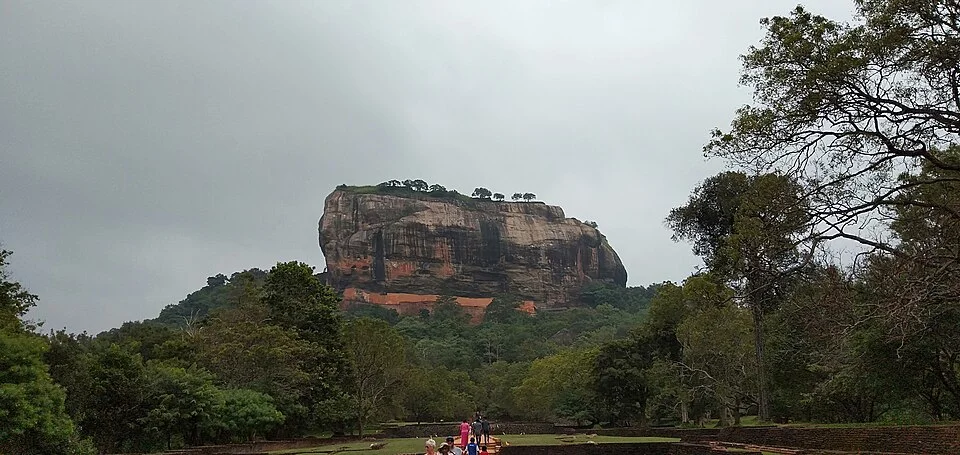
Transfer to the Sigiriya area on day two and settle in. On day three, obtain current information about the authorised ticket, open areas and visitor arrangements for the historic rock and gardens. Climbing the stepped ascent is not a compulsory achievement. Heat, rain, knee problems and discomfort with height can change your choice; a visit focused on suitable gardens and accessible open spaces can still be rewarding. Respect conservation barriers and do not touch old painted or built surfaces. Blocking a narrow passage for a photograph makes the experience harder for other people. Bring water, sun protection and enough time for breaks. Day four can be a suitable cultural visit around Dambulla or a quieter local day. Prepare clothing covering shoulders and legs for a temple and ask separately about interior photography. Several long climbs are not required to make the day worthwhile, particularly before the next road transfer.
Kandy: a full day around the lake
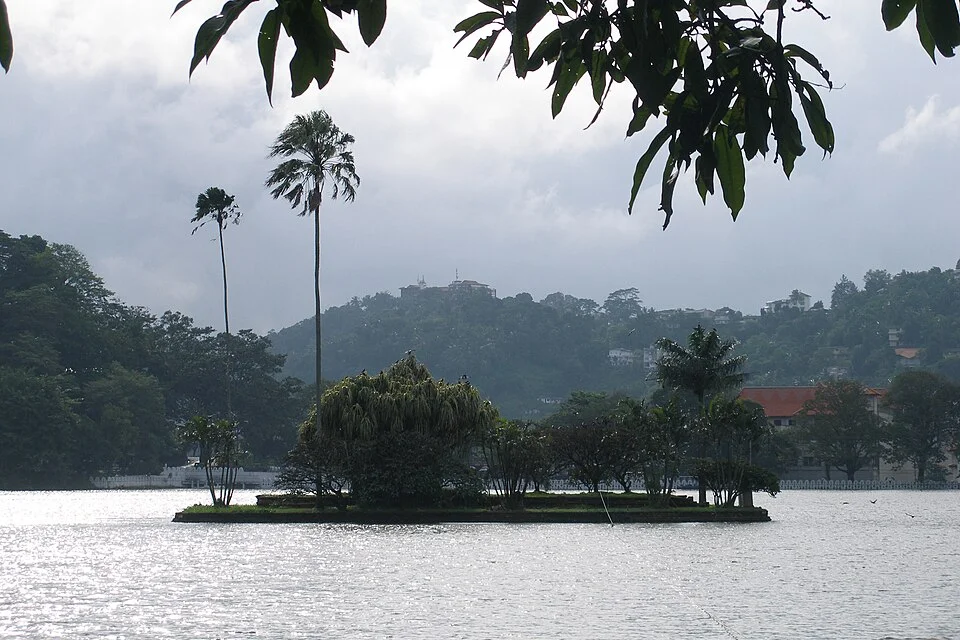
Travel to Kandy on day five, with only a short walk and meal after arrival if time permits. Day six combines the lake surroundings with a cultural visit matching your interests. If entering the Temple of the Sacred Tooth Relic, remember that this is an active place of worship. Follow instructions about shoes, hats, dress and photography; a ceremony is not merely an opportunity for a better image. Avoid posing with your back to a Buddha statue and listen to staff directions. Assess lake-area walking for traffic, practical access and somewhere shaded to sit. Before the evening ends, check the actual station, reservation and baggage arrangement for the following journey to Ella. This stop is a complete city day in its own right, not simply a bed placed between two longer transfers. A seated lunch and some unallocated time make the cultural programme easier to enjoy.

Ella: keep the train journey separate from nature days
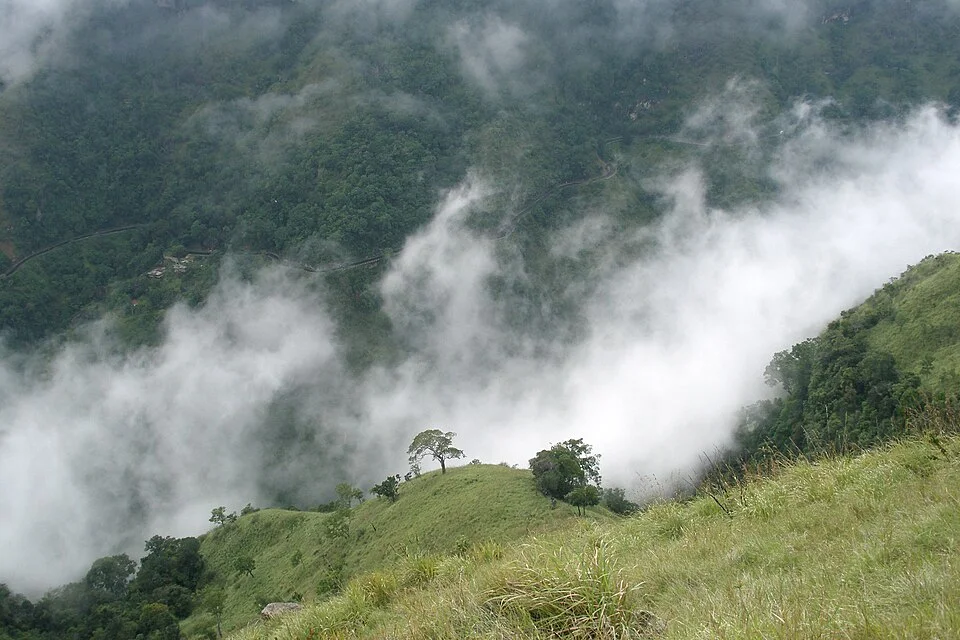
Allow day seven for reaching Ella. If choosing rail, consult the current Sri Lanka Railways service and seat-reservation information. A social-media video does not establish that seats are available for your date. Where the service changes, arrange a reliable road alternative and a realistic arrival time at the hotel. Remain inside the carriage while the train is moving; scenery is not a reason to lean from a doorway or window. On day eight, choose a short walk suited to your ability and the weather, or a tea business that actually accepts visitors. Fields and production buildings can be working private spaces, so do not enter without permission. Preserve day nine for rest, an open viewpoint or a safe visit delayed by rain. Do not force a hillside outing during heavy rain, a landslip warning or a road closure. The next day already contains a substantial southward transfer.

Galle and Mirissa: a coast day is not a swimming promise
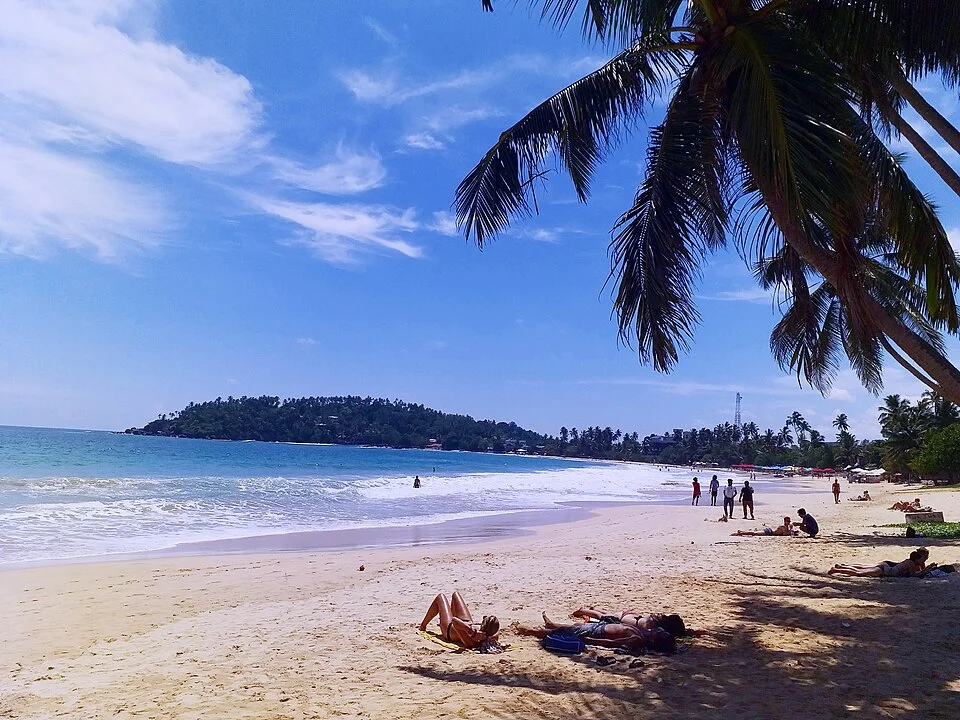
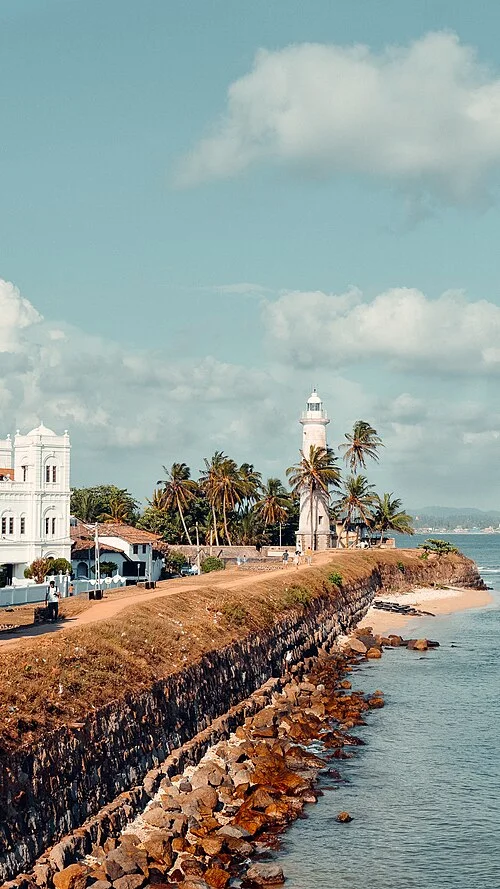
Make the road transfer to the Galle area on day ten without attaching another major activity to the evening. Day eleven is for the historic fort streets, an appropriate open museum or building and a walk beside the ramparts. This is a lived-in neighbourhood; a residential doorway is not a public attraction. Take shaded breaks according to heat and rain, and be careful beside wet stone, edges and rough water. Day twelve can be a conditional return outing to Mirissa. Seek local information about currents and warnings before swimming: a beach photograph is not evidence of safe water on your travel date. This itinerary does not automatically add a whale boat or island trip. Anyone seeking a marine activity should separately assess the authorised operator, weather and behaviour around wildlife. If conditions are unsuitable, a meal and a resting day around Galle are valid substitutes.


Choosing accommodation and protecting the final night
Around Sigiriya, compare morning access to the heritage site with connections through Dambulla. In Kandy, decide whether walking access to the centre or a quieter hillside room matters more. An Ella view room may involve stairs, difficult vehicle access or a different night-time return arrangement. In Galle, staying within the fort for evening walks and choosing a coastal accommodation district serve different needs. Ask each property about actual access, meals, baggage and cancellation terms. Return to Colombo or Negombo on day thirteen for a final night suited to your international airport, then depart on day fourteen. The plan avoids linking a long morning journey from Galle to a tightly timed check-in. Budget vehicle transport, rail, accommodation and admissions separately. A car with a driver does not imply unlimited stops throughout the day; discuss route, luggage and fuel arrangements in writing. Avoid making long night drives the normal way to recover time lost earlier.
Hoppers, string hoppers and kottu at the table
The official Sri Lankan culinary material describes appa, or hoppers, and indi appa, or string hoppers, alongside curries and sambols. Kottu provides another meal option based on chopped roti, vegetables and selected additional ingredients. These are Sri Lankan examples rather than dishes attributed exclusively to one town or identical recipes promised in every restaurant. A straightforward kottu meal after arrival, rice and curry during the Kandy day, and a hopper breakfast before a coastal outing can fit the itinerary naturally. Ask the actual business about its menu and serving time; no guide can promise that every variety is sold at once. When choosing accompaniments such as dhal curry or coconut pol sambol, discuss spice level, egg, fish and meat ingredients. Vegetarian preferences need a conversation about sauces as well. For a tea break, choose a place where you can sit and arrange the onward connection, not simply a photogenic outlook. Read current prices from the menu rather than relying on an invented national average.
Entry arrangements and the current fuel situation
Sources were checked on 4 October 2026. The official immigration notice identifies forty nationalities eligible for a free tourist ETA from 25 May 2026; this must not be generalised to every passport. Use the official application information to establish the requirement, eligibility, validity and approval for your own nationality and trip. An authorisation that may be free still involves the applicable application process. The current UK FCDO notice reports limits on fuel purchases through weekly quotas and announced special arrangements for tourism businesses. Reconfirm that your vehicle has actually been arranged with the operator rather than assuming every transfer will be unaffected. Check the airline for disruption to some flights routed through Middle Eastern hubs. The itinerary remains a proposal, not a promise that each connection operates. It is sensible to postpone a stop where the road is closed or a dependable transfer cannot be confirmed.
Rain, local conduct and a flexible return
Monsoon rain, flooding and landslips can affect roads and rail links. Follow updates from the Sri Lankan Disaster Management Centre and Department of Meteorology alongside local instructions. An optimistic statement from accommodation does not override an official closure. Take dangerous-current warnings on the coast, closed hillside paths and conduct rules at worship sites seriously. Follow security-checkpoint instructions and do not photograph military or sensitive government areas. Read the advice issued by your own authorities and check your insurance; this route is not a declaration of risk-free travel across Sri Lanka. With children or a preference for less walking, removing one section may improve the holiday. The Stork would not turn thirteen nights into thirteen hotel changes. A few useful bases, an unhurried lunch and a genuine final-night airport connection are more helpful than a long checklist that leaves no space for the journey itself.