

Kimberley: two days from the diamond pit to city collections
Tatilmerkezi’s Stork turns towards Kimberley in the Northern Cape for a compact visit with a clear purpose. This city rewards more than a quick picture of an enormous hole. Use one day to consider extraction and the town that developed around it, then a second day for the cultural and natural-history collections of the McGregor Museum. This is a city-based guide, rather than a renamed national safari itinerary. You do not need to buy diamonds, add a distant park or collect every attraction in the province. The useful comparison is between an industrial landscape and the objects through which a museum explains people and their surroundings.
Decide the order before booking your nights. The main McGregor Museum does not offer ordinary Sunday visiting, so a Saturday-and-Sunday stay works better with collections on Saturday and the Big Hole on Sunday. On weekdays you can follow the order below. If your flight arrives late in the afternoon, resist placing two substantial museums into the remaining hours. Settle into your accommodation and begin the main visit the following morning. Giving each day its own focus leaves room to read labels, ask a question and have an unhurried meal. It also makes the plan easier to adjust when a guided experience or appointment is unavailable.
Day one: read the Big Hole and Old Town together
Start the first main day at the Big Hole. The viewing area helps you understand the scale of the excavation, while the institution’s interpretation and Old Town provide a different view of the surrounding social world. The underground experience is a museum simulation, not a descent into a currently working mine. Families who prefer to avoid a dark or noisy experience should ask staff about its contents and choose their activities accordingly. Move beyond the glitter of valuable stones by considering what an object was used for and how work, trade and everyday needs fitted together. That question can keep the visit interesting even for someone with little interest in jewellery.
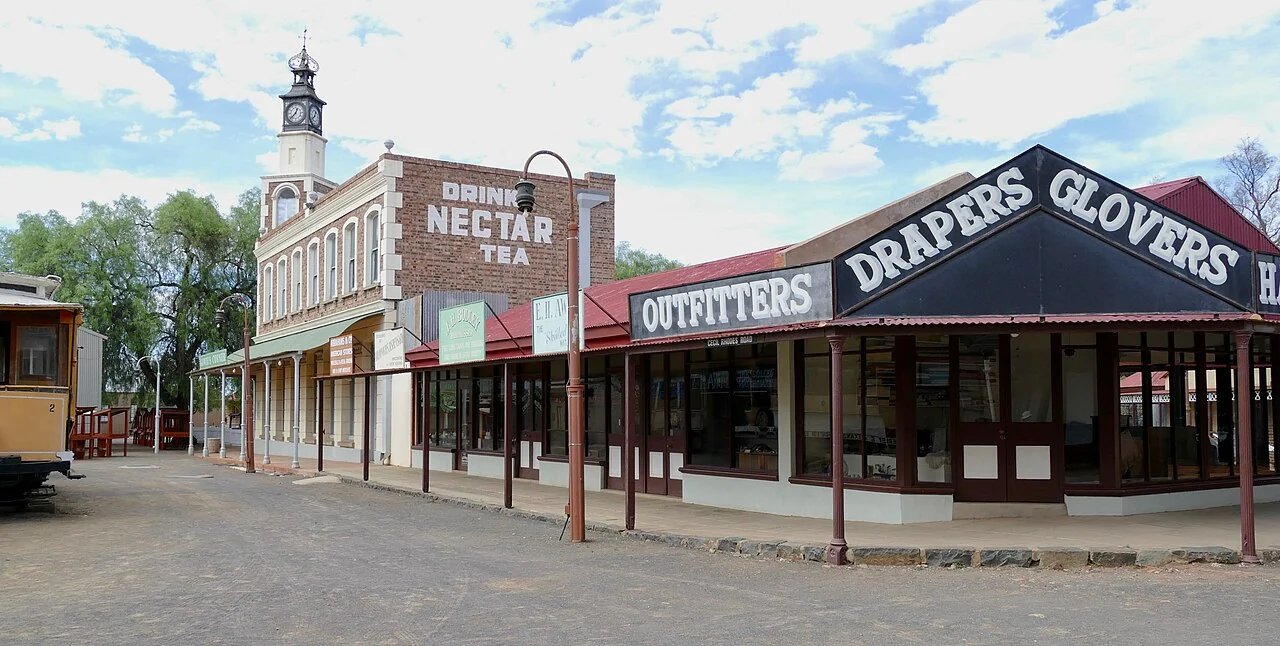

Treat the Old Town buildings as part of the historical museum environment, rather than a promise of today’s functioning shopping street. Make the photograph stop after the interpretive visit, when a particular façade has a meaning for you. The operator distinguishes individual visiting from larger group arrangements; an organised party should make contact beforehand. Check the dated programme and current charges directly before travelling, without relying on a copied timetable. Leave the afternoon flexible for lunch, rest and a short exterior stop if conditions suit. Adding another distant collection solely to fill the itinerary can turn a thoughtful day into a sequence of rushed arrivals.
Day two: the McGregor Museum on Atlas Street
The main address for your second day is 7 Atlas Street in Herlear. Do not confuse it with the Alexander McGregor Museum on Chapel Street: these are different visitor locations with different access arrangements. Enter the verified street address into your map rather than accepting the first result attached to the museum name. At the main collection, separate your attention between natural history and human or cultural interpretation. Take a short break between sections and note which community, period or subject a particular object belongs to. That simple habit gives a visitor unfamiliar with the region more to remember than a quick walk past display cases.
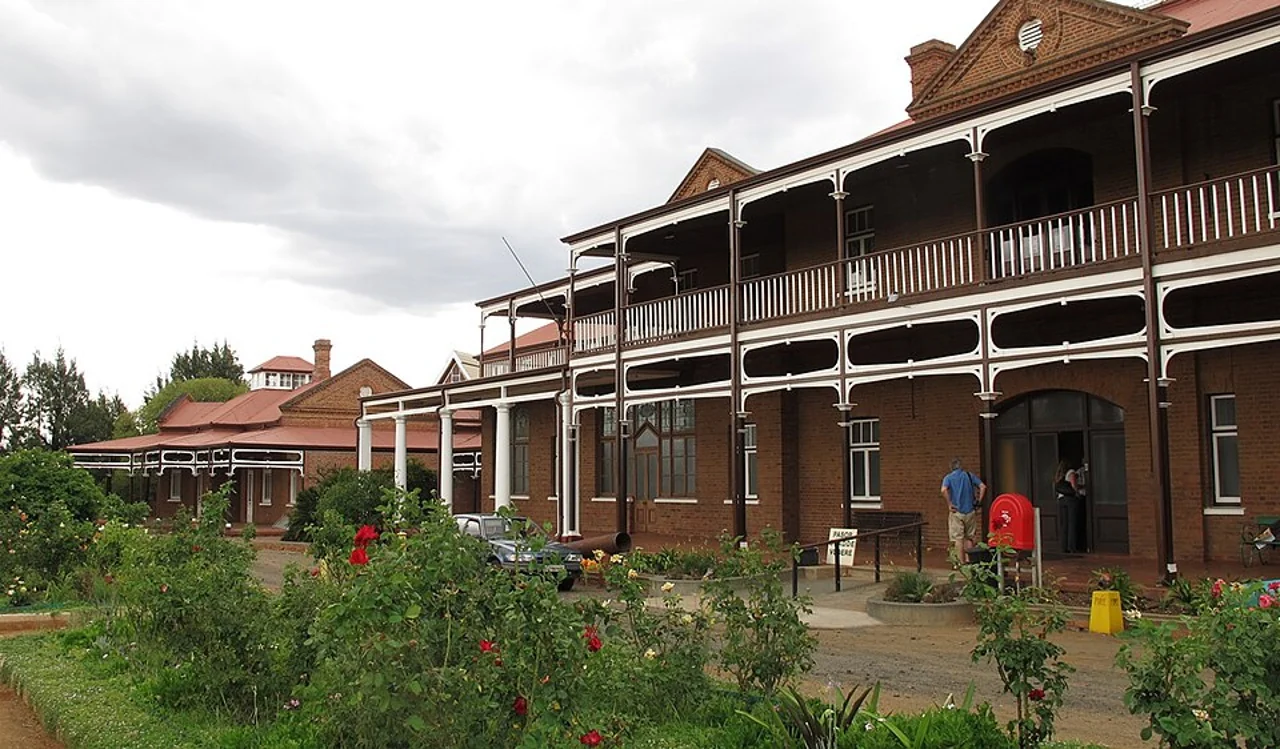

The institution’s current visitor page does not treat Sunday as a normal open day, and public-holiday arrangements differ from ordinary weekday visiting. For your actual date, ask the museum to confirm the entrance window. Accommodation staff can help coordinate that check with your transport, but their advice is not a substitute for the institution’s response. If you arrive with little time before closing, choose one section instead of trying to complete the whole collection at speed. Keep the rest of the afternoon free from a compulsory second paid attraction. A pause to revisit something learned in the galleries can be a useful part of a short cultural break.
A short civic architecture stop around Market Square
The City Hall façade at Market Square offers a small outdoor architectural focus between your museum visits. This is not a guarantee of admission to municipal offices. If the surroundings are busy, comfortable and suitable for a stop, look at the exterior details; if not, continue without getting out. Decide where your return vehicle will meet you before taking photographs. The point is to add a glimpse of civic architecture, not to turn every central-city map marker into an uncontrolled walking circuit. Leave luggage at your accommodation rather than carrying everything through a brief stop, and keep your camera use discreet.


Nearby markers on a map do not automatically form an easy walking chain. Heat, road crossings, bags and current security conditions can change the sensible decision. One or two selected exteriors with reliable return transport will often be a simpler option for a short stay. A historical façade pictured in this guide does not establish interior access or the presence of the same businesses today. Finish the evening with a meal and an arranged journey back to your base rather than improvised wandering. Prepare drinking water and charged devices for the next visit so that the second morning does not begin with an avoidable practical problem.
Belgravia and Dunluce: an appointment-based option
Dunluce House in Belgravia can provide a historic domestic setting to complement the main collection, but it should not be treated as a building with a spontaneously open door. The museum’s visitor information describes weekday guided access for small groups by appointment. Do not allocate a guaranteed second-day afternoon to it before receiving confirmation. If an appointment is possible, compare the scale of a residence with the scale of a museum: rooms, verandas and the relationship to the street raise different questions about everyday life. Ask about photography rules separately rather than assuming an appointment permits every kind of recording.
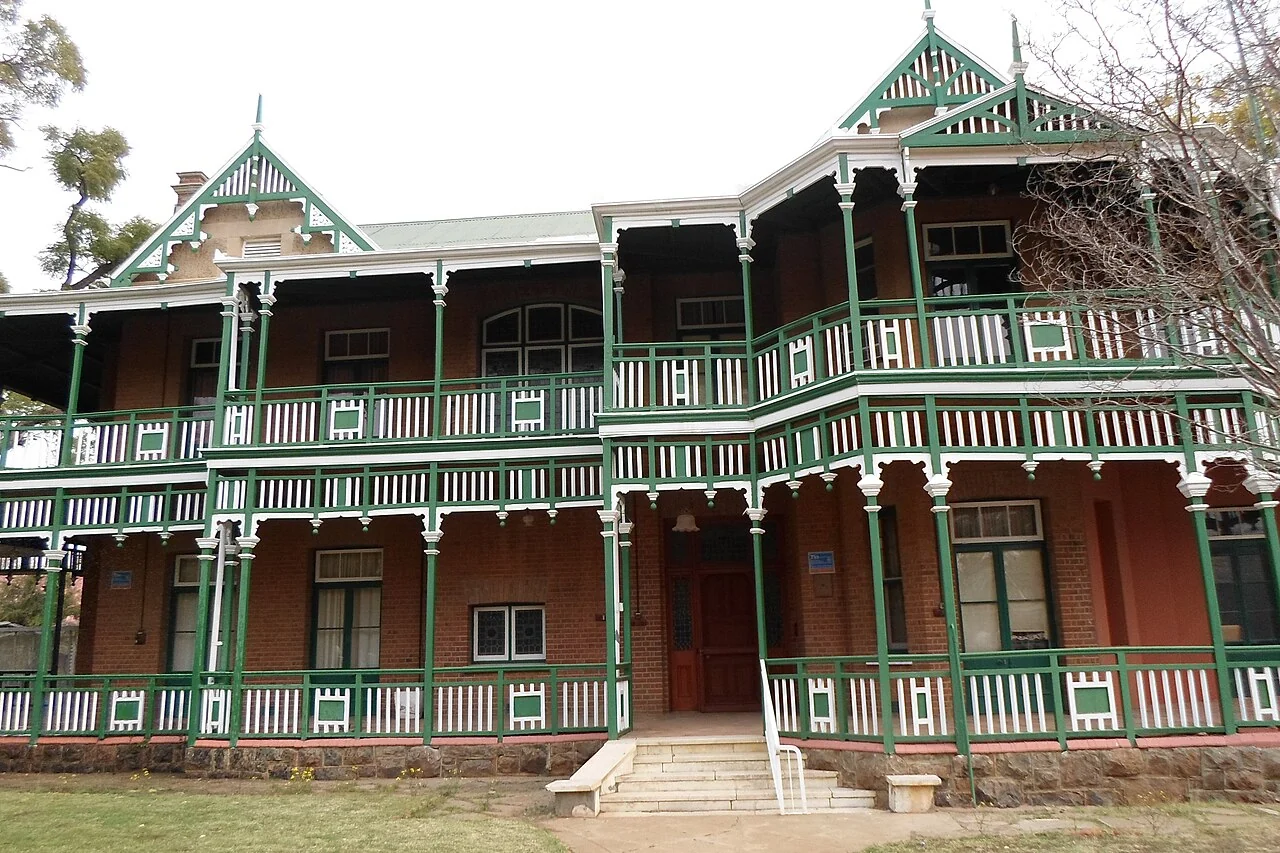

If Dunluce is unavailable, replacing it automatically with another appointment-only building is not a reliable backup. Spending longer at the main museum or resting while preparing the onward journey is a more honest alternative. For accommodation, compare suitable options around Belgravia and Herlear by secure parking, evening meal arrangements and practical journeys to the collections. Before choosing a low advertised rate, ask how late arrival works and how you reach reception. A traveller staying only two nights may gain little by moving accommodation halfway through the visit: the extra packing and luggage transfer can outweigh a small reduction in distance.
Meal planning: pap, boerewors and melktert
Plan meals around the visit rather than hoping that a convenient stop appears between institutions. Breakfast before your main collection, a seated lunch afterwards and an early evening meal close to your base make a workable pattern. If available on the menu, pap provides an introduction to a maize-based accompaniment, while boerewors is a seasoned sausage associated with South African cooking. These are national food examples, not products exclusive to Kimberley. For a braai-style grilled meal, ask about the meat, vegetables and portion arrangement instead of assuming a fixed plate. Explain allergies, vegetarian preferences or other dietary requirements before ordering.
For a smaller sweet stop, melktert is a milk-filled tart option when the actual menu offers it. You might choose a more substantial lunch and small dessert on the first day, followed by a lighter lunch after the second collection. An item appearing in an official national tourism food guide does not mean every local restaurant stocks it on your date. Check the establishment’s own menu. Photographs of historic shops in this guide are not restaurant recommendations, and no current price is invented here. Include transport in your meal budget: two additional journeys to a distant dining address may matter more than a small difference between dishes during a short visit.
Airport transfer, local travel and the final checks
ACSA’s official transport information for Kimberley Airport describes taxis available on request. Confirm your transfer through your accommodation or the airport information point before arrival, especially for a later flight. Keep the driver’s meeting location and contact details accessible. A statement that transport is available is not a promise of a ready vehicle at every hour or a fixed fare. If considering a hire car, assess your comfort with the driving direction, parking and returning after dark. For two city days rather than a long regional circuit, a dependable transfer plus a few planned local journeys can be the simpler arrangement.
Current official South Africa travel advice identifies crime risks, and the practical plan should acknowledge them. Use trusted transport, avoid planning solitary night walks, keep valuables discreet and do not leave bags visible inside a vehicle. Power or service interruptions may affect arrangements, so save accommodation and institution contact details offline. Before departure, make one final check of the Big Hole’s dated programme, the main McGregor address, any confirmed Dunluce appointment, airport transfer and weather. The Stork’s suggestion is to finish one extraction-history visit and one city collection carefully, instead of competing to see everything in two days; leave the remaining time for a safe and relaxed meal.