

Two different readings of Montagu’s past
The Tatilmerkezi Stork suggests beginning Montagu with Long Street rather than a thermal-pool checklist: how do domestic objects and a congregation’s memory describe the same town differently? This cultural break in the Western Cape links Joubert House to the Old Mission Church. The first day follows materials and their use within a household; the second considers shared worship, displacement and local knowledge. Three nights across four calendar days leave an arrival day, two complete culture days and a separate departure. Do not label the journey into town as a full museum day.
For a shorter road-trip stop, choose the collection that fits your interest instead of racing through both. Joubert House suits an interest in everyday household arrangements; the Old Mission Church gives a different focus on community history and inherited knowledge. Adding a vineyard tasting or thermal facility either lengthens or replaces part of this plan. Such activities are not spare hours that necessarily fit themselves between collection visits. The purpose here is to read a few real details in Montagu, rather than simply tick its name on a long Route 62 itinerary.
Joubert House: from a floor to domestic routines
Joubert House’s own account connects the Elberta peach-stone floor in its kitchen and pantry to an old local method. Make this house at 25 Long Street the first full day’s main focus. Where that section is accessible, consider texture, function and the relationship between the rooms; do not assume permission to touch or enter a restricted area. Wallpaper, dining arrangements and household furniture can each prompt a useful question about the job they served. Appearance and age are only part of what such an object can tell you.

For a family visit, ask children to distinguish spaces for preparing food, eating and resting rather than merely counting rooms. Adults can compare craftsmanship with evidence of use. Do not assume every object has been preserved continuously in an untouched original condition; the institution’s restoration account is also part of the reading. Keep two observations for comparison with the next day: where people gathered and how particular materials were assigned to particular tasks. Ask about photography rules. A displayed contemporary toy or artwork can have separate rights even when the house itself is historic.
Old Mission Church: congregation and plant knowledge
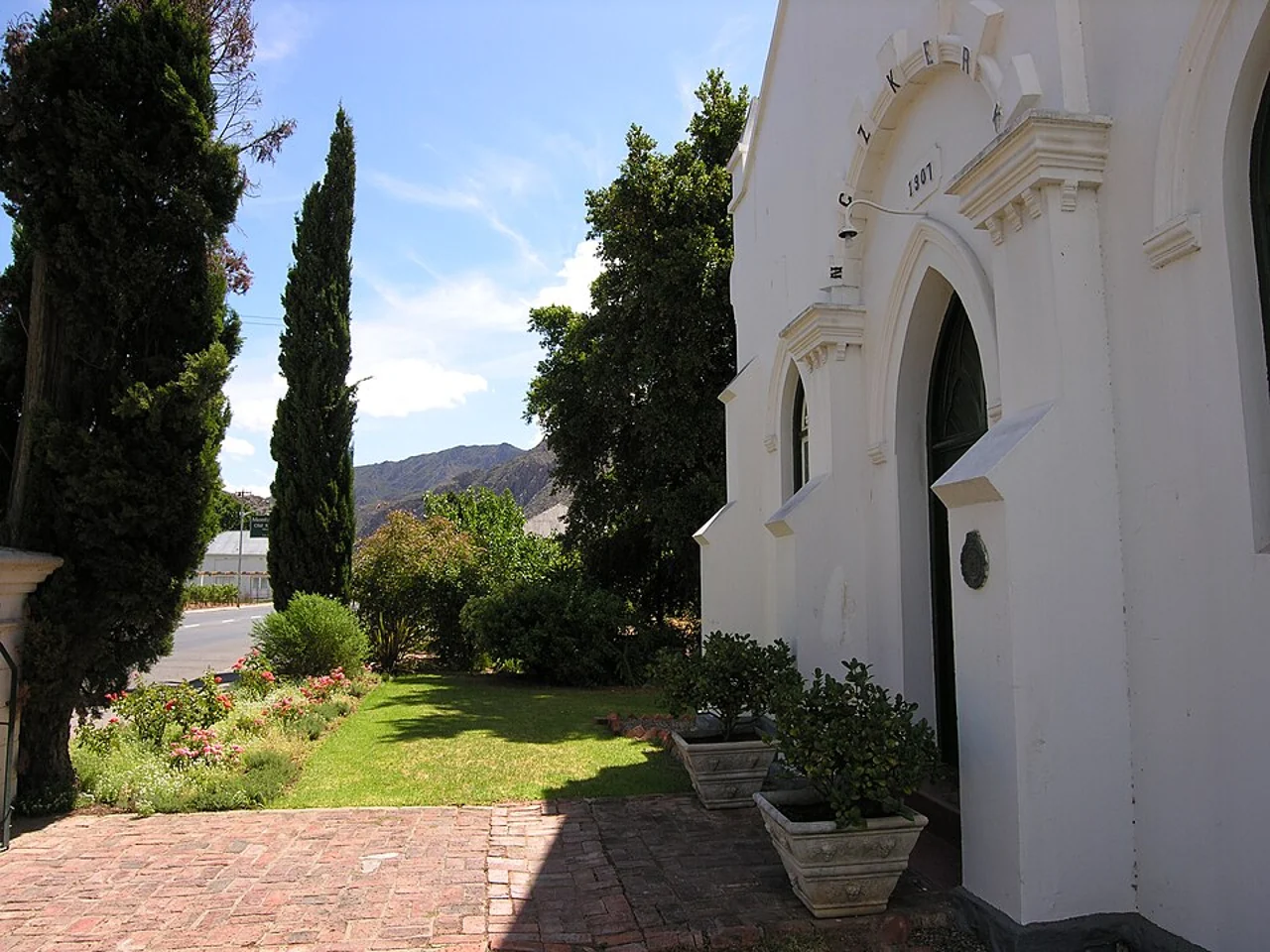
On the second cultural day, move to the Old Mission Church at 41 Long Street. The museum explains that legal measures in the 1960s forced the congregation to leave, before the building later became a museum. Its architecture alone cannot convey that community story. When a bench, pulpit or musical element is presented, think about how the space was shared. Yesterday’s household reading concerned private routines; today the emphasis moves to collective use, departure and memory. Allow those differences to shape the questions rather than repeating the same room-by-room checklist.

The institution also interprets indigenous plants and inherited plant knowledge. Treat this as cultural history, not a recommendation to try a remedy: a plant’s presence in an exhibition does not establish that it is suitable for personal medical use. Archives cover local family and congregation history, but research access is not necessarily included in an ordinary visit. Contact the museum beforehand for particular documents. Because the building can also host weddings, meetings and music, confirm which exhibition spaces are accessible on your date instead of promising every room at every time.
A specific evening meal at Charlestons
Montagu Country Hotel’s current Charlestons page distinguishes breakfast from evening service. Its linked sample dinner menu includes a sweet-potato, lentil and butternut vegetarian bobotie and a Cape Malay lamb curry. If still offered on the day, these are concrete choices for a seated evening after the cultural visit. The suggestion follows a real business’s published examples, without inventing a uniquely Montagu origin story or claiming that the same dish is served every night. Ask for the current menu and ingredients when reserving. No sample-menu price is presented as a guaranteed cost for your journey.


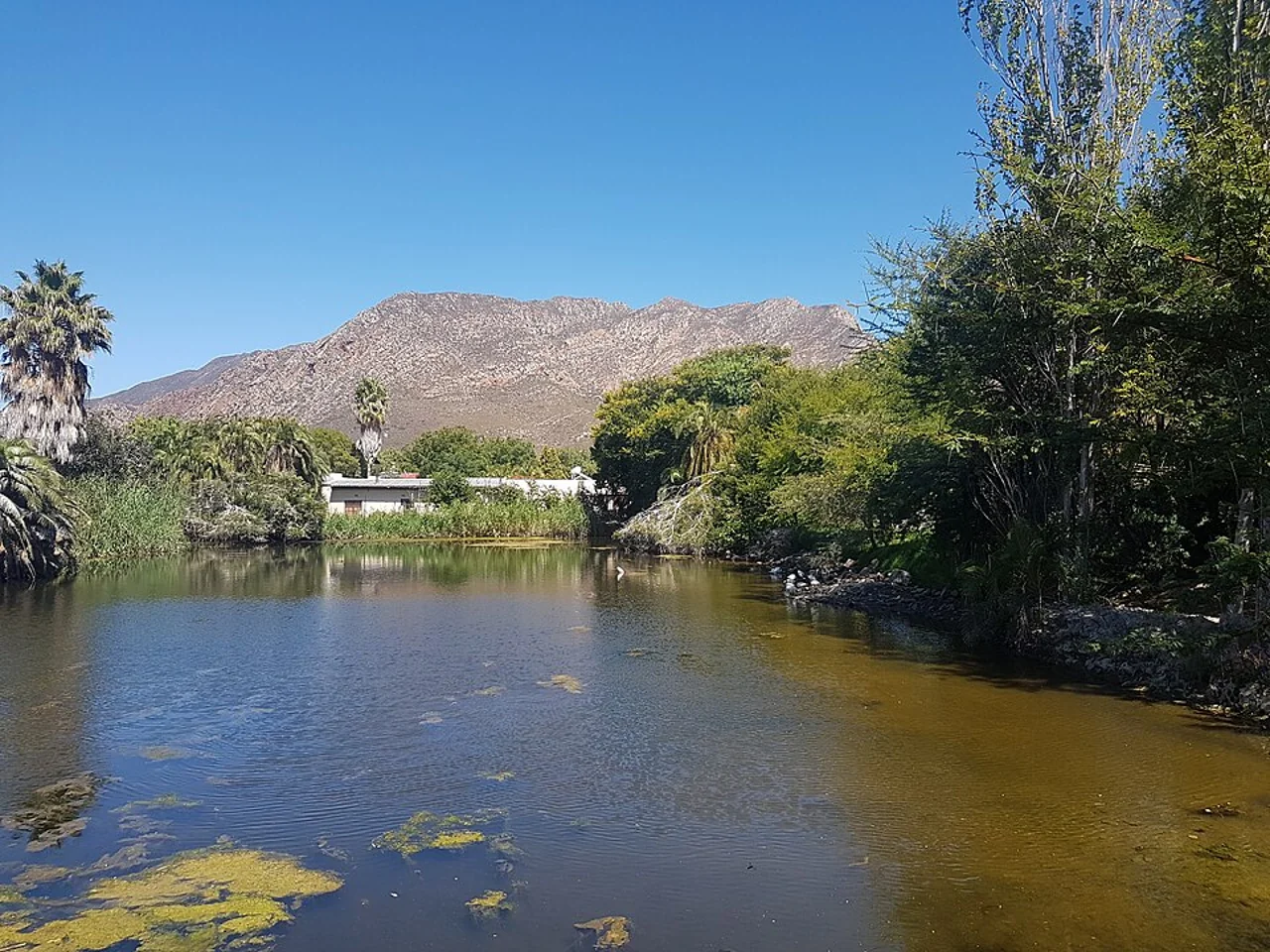
Leave time between the collection visit and the table to rest at your accommodation. On a weekend with a shorter museum window, a meal should not displace the only confirmed period of access. Explain children’s, allergy or meat-free requirements before arriving; a listed sample choice does not prove that all dietary needs can be met. This guide’s photographs illustrate town context, rather than posing a landscape as a restaurant meal. You need not stay at the hotel to plan this dining stop, but resolve the actual evening connection between the restaurant and your chosen room.
A Long Street base and the arrival connection
For two contrasting collection days, consider accommodation with a real, suitable connection to Long Street. Before booking, check the actual entrance and return route rather than relying on a straight-line distance. Let children’s stamina, temperature and rest needs shape the walking sections. In a historic property, ask about stairs, bathroom arrangements and where the vehicle can be left. An attractive old facade does not in itself establish an accessible room or a parking place for every guest. A nearby base may also make it easier to divide the day with a proper break.
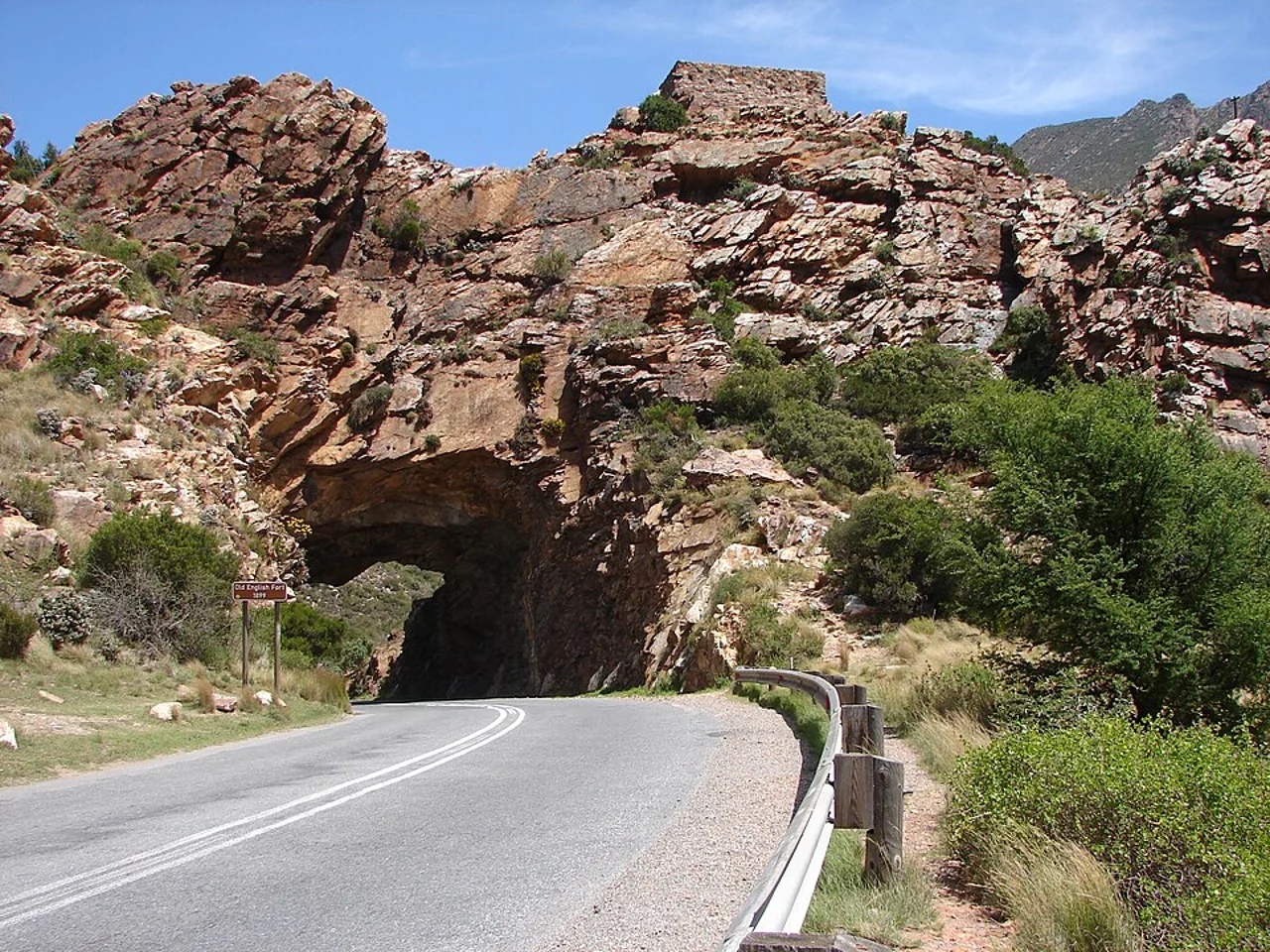

A stay outside town may appeal for its wider scenery, but it adds a separate transport job to the collection days. From Cape Town or another Route 62 stop, compare a hire car, an arranged transfer or a service actually confirmed for your starting point. This guide promises no fixed bus, train or continuously available return through an app. A historic Cogmanskloof tunnel photograph is not evidence of current road conditions. Check the road and weather for the journey date, and specify luggage or child-seat requirements when arranging the connection. Accommodation proximity and intercity transport are different decisions.
Use the visitor windows carefully
The two institutional pages observed on 5 October 2026 publish a shorter weekend and public-holiday visiting period. Two full culture days therefore require suitable dates that have been confirmed, rather than an assumption that Saturday and Sunday are complete museum days. Where a general hours line appears alongside a shorter weekend line, ask the museum to explain the arrangement for your visit. A special event, closed area or access requirement may make a single collection and a shorter exterior walk the better plan. Adaptation is more useful than promising a visit that cannot take place.
A festival or concert heading on a website does not show that the event is taking place when you arrive. Add an event only after checking the actual date and participation conditions. Rain may shorten the street walk, leaving more time for one room or a congregation story. The Stork’s closing question is specific: what different things did the kitchen floor and the shared worship space reveal? Remembering that contrast makes Montagu a stop where materials and community life became legible, rather than another scenery photograph attached to a generic museum itinerary.