

Gwalior: a high fort and a lower city
Two different levels shape a Gwalior visit: the hilltop fort landscape and the living city below. Separate them according to climbing, descending and resting needs instead of imagining one as a short continuation of the same walk. Tatilmerkezi's Stork proposes four calendar days and three nights: arrival, one full fort day, one full day for music heritage and the old city, then departure. Man Mandir's stone decoration, Sas Bahu's architecture and the Tansen memorial setting require different attention. Two clear daily themes are more rewarding than declaring every place finished after a few photographs. This plan does not secretly include Agra, Orchha or a Morena excursion. Anyone adding one should calculate an additional travel and accommodation day. Understanding the city through a morning meal, neighbourhood walk and musical tradition alongside its palace creates the real value of a short stay. You do not need to turn a city guide into a hurried central-India circuit.
Arrival: GWL and your actual railway connection
For air travel check Gwalior Airport and the GWL code; for rail travel check the Gwalior station written on the ticket. The district transport page identifies the terminal under the Rajmata Vijaya Raje Scindia name, but its older airline list and daily-route wording should not be treated as today's flight schedule. Verify the chosen carrier's actual service and arrange the transfer to your accommodation. On arrival day, leave time for luggage, a meal and a short local walk rather than forcing a fort ascent into the remaining evening. Discuss which entrance will be used the next morning and where the return vehicle will collect you. A pedestrian approach and a vehicle drop-off point are not interchangeable. An open road does not establish that every gate and building is open. If a later station transfer is planned, include luggage handling and waiting from the start instead of translating an online distance into a fixed urban journey time.
Man Mandir: the main focus of the fort day
Beginning the fort day in a cooler part of the morning helps manage the slope and open spaces. At Man Mandir, establish current entry, separate ticket requirements and accessible rooms first. The larger fort landscape does not operate like one museum hall. Take time with decoration, stone screens and facade details. Rest on the sloping approach and narrow steps, and do not approach unprotected edges simply for a photograph. View the lower city from permitted viewpoints. A complete palace circuit is not necessarily available to every visitor on the same route, and a traveller with reduced mobility should not be assumed able to reach all levels. Ask staff which areas are suitable that day. Keep a shaded break and drinking water in the programme instead of adding another long climb in the hottest period. Giving Man Mandir proper attention can provide a more understandable visit than running through every part of the fort.
Choosing Sas Bahu and Teli ka Mandir
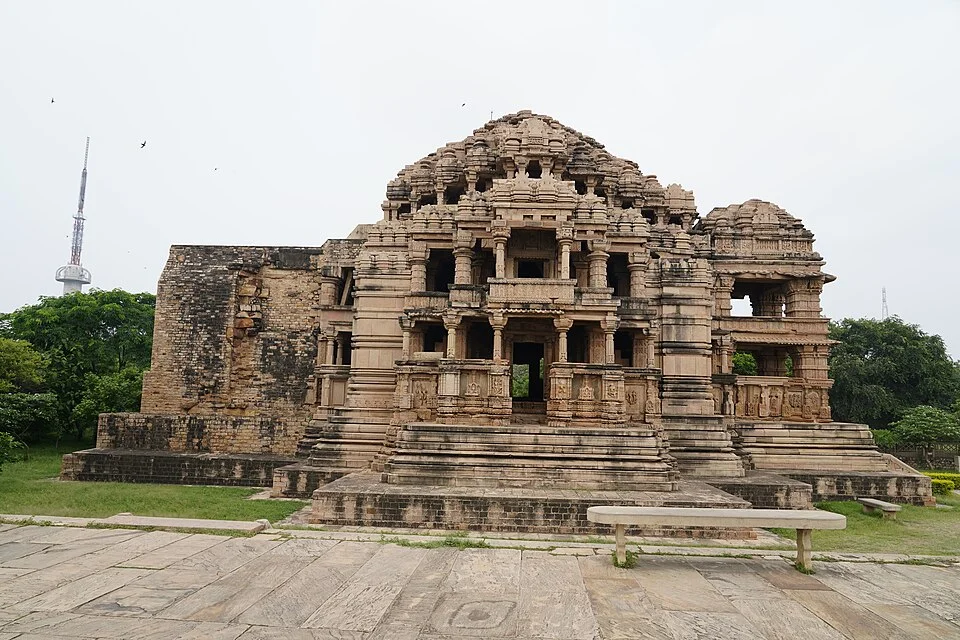
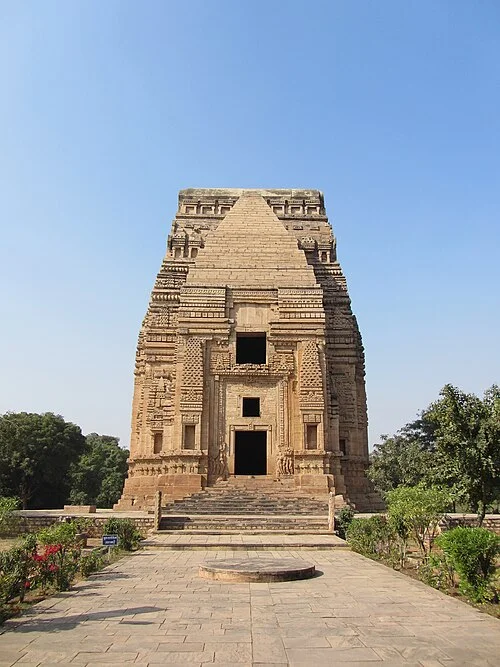
Sas Bahu and Teli ka Mandir are separate architectural stops in the fort setting. The state tourism brochure describes both here; they are not two names for one stone building. After Man Mandir, choose one or both according to your energy, checking open access and the connecting route. Sas Bahu's facade rhythm and carved stonework offer one focus, while the more vertically rising mass of Teli ka Mandir offers another. There is no need to expand a name legend into verified construction history. Looking carefully at exterior architecture is a worthwhile visit when conservation or worship arrangements limit interior access. Do not touch carvings or sit on historic walls. The year a photograph was taken does not establish today's conservation arrangement; current entrance instructions take precedence. Understanding the differences between these two buildings is the practical contribution of this fort section, rather than simply adding two more completed names to a checklist.


Tansen and Muhammad Ghaus: distinguish the monuments
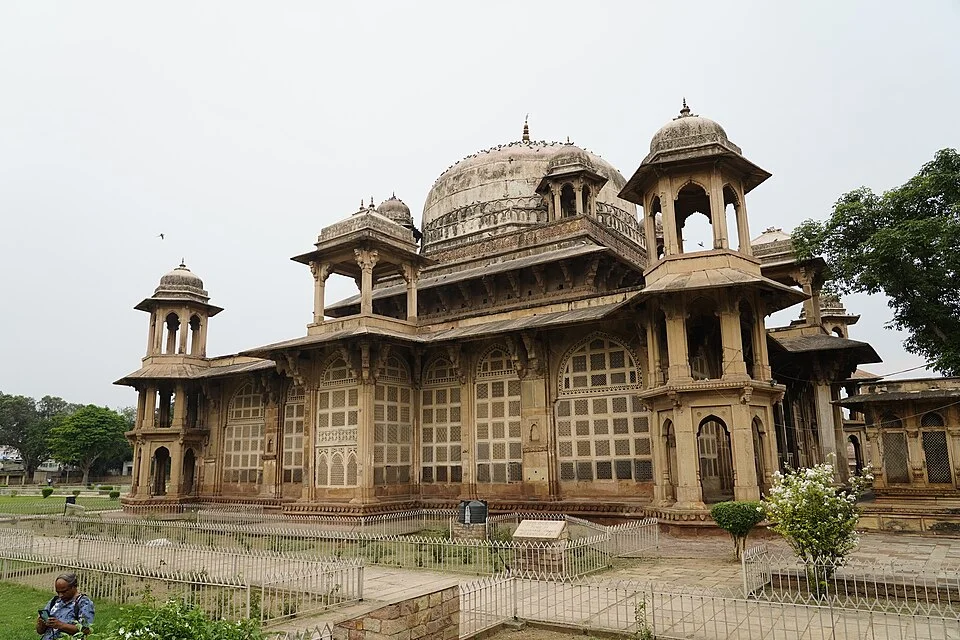
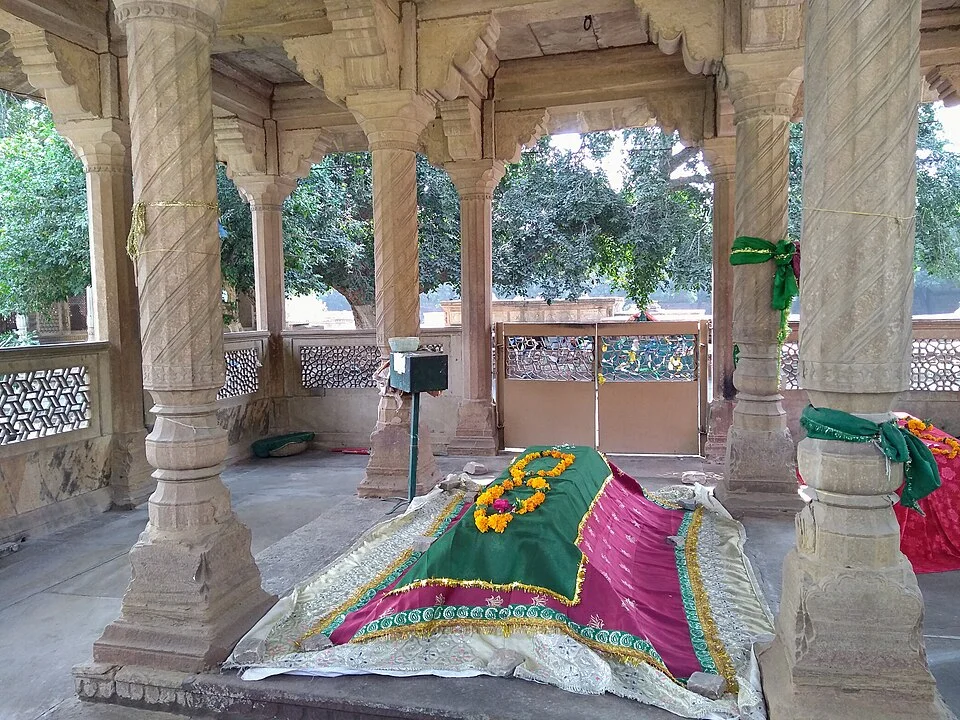
The Tansen memorial setting and Muhammad Ghaus tomb towards Hazira can anchor the second full day. Their proximity does not make them the same monument: Tansen's burial setting is identified separately from the large screened Ghaus building in the photograph. The district introduction emphasises the pierced-stone work at Ghaus's monument. Read the facade and courtyard arrangement first, then enter only the areas permitted that day. Keep your voice low in burial and worship spaces, make room for other visitors and ask about photography. The Tansen connection is understood here through musical heritage; this guide does not claim that a performance takes place every day or is included in admission. For a seasonal music event, consult that year's official programme separately. A city meal and a short lower-city walk after the morning monuments give this day a different rhythm from the high-fort route. This is a visit to real places of memory, not a promised concert package.


A city meal with bedmi puri and gajak
The district administration's culinary list includes bedmi puri, moong dal mangoda and gajak. It describes bedmi puri as a fried preparation involving pulses, wheat flour and spices. Looking for this during a Gwalior morning gives the visit a more concrete starting point than a generic Indian breakfast list. Ask what accompaniments are served and what has been prepared that day rather than expecting identical recipes or portions everywhere. Praised businesses in the state tourism food article from 2020 are not used as a current best-vendor ranking or opening list. For gajak, use the district description of a sesame-and-jaggery confection; its regional association with Morena is not presented as an invention exclusive to Gwalior. Discuss requirements involving sesame, wheat, pulses and oil directly with the business. Sharing a small amount of the sweet can make a comfortable finish before a rest, rather than heading immediately into a long hot walk after an oversized meal.
Lashkar, Hazira or station access as a base
Compare accommodation against the first day's fort return and the second day's lower-city interests. Lashkar can be considered for city meals and old-city connections, the Hazira side for a monument-focused programme, and straightforward station access for a short rail connection. These are selection criteria, not proof that every neighbourhood is quiet or every property stands on a comfortable walking route. Discuss the precise address and vehicle approach with the property. Ask about night noise, stairs, room level and luggage storage. If two museums interest you, establish that Gujari Mahal and a private palace museum can have different operators, tickets and access arrangements. An additional museum should replace one second-day monument or meal block rather than introducing a third complete sightseeing day unnoticed. With small children or someone who finds climbing difficult, shortening the first fort day is a reasonable choice. A useful base supports the actual itinerary instead of becoming another distant stop.
Departure, weather and whether to extend
Collect your bags and protect the remaining airport or station transfer on departure day. Adding an unfinished fort section that morning reopens both the hill ascent and urban traffic calculation. Rain affects stone surfaces and steps, while prolonged walking in exposed areas can be tiring in hot weather. Follow visitor staff's closure and access instructions. No sound-and-light event, music festival or special museum section is guaranteed without checking its current organiser's timetable. Sources were reviewed on 4 October 2026. A longer stay can include an outward excursion as a new complete day; the unchanged four-day core does not claim to cover them all. One fort day, one monument-and-food day and two distinct transfer days give a clear framework for a short Gwalior visit. The Stork's advice is to balance looking down from the hill with spending real time in the lower city. That balance makes the programme useful even when a particular room or event is unavailable.