
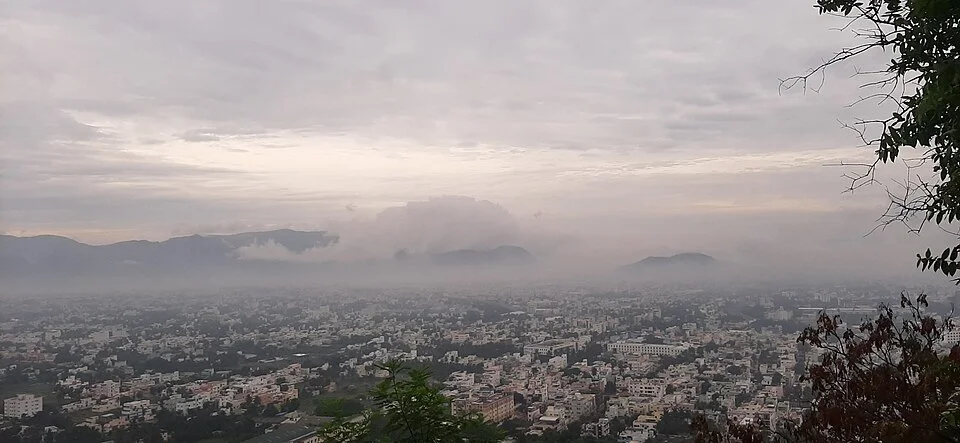
Salem: an urban base and a separate Yercaud day
Salem in Tamil Nadu provides a useful base for travellers wanting a day in the Shevaroy hills while sleeping in the city below. The Tatilmerkezi Stork suggests giving Salem more attention than a bus change for Yercaud: worship buildings in the older centre, ordinary commerce and the region's connections with mangoes and coffee can form a separate urban day. Consider four calendar days and three nights: arrival, one complete Salem day, one complete Yercaud day, then departure. This keeps the winding hill journey away from a final train connection. The guide concerns Indian Salem, not the Massachusetts city or Boston's Salem Street. Checking the state name is particularly useful for international reservations. The main choice for a landscape-focused visitor is whether to leave the city for a day or spend a night in the hills. This core keeps three nights in Salem. If choosing hill accommodation, reorganise the room and luggage movements rather than silently adding another night.
Salem Junction and two bus terminals
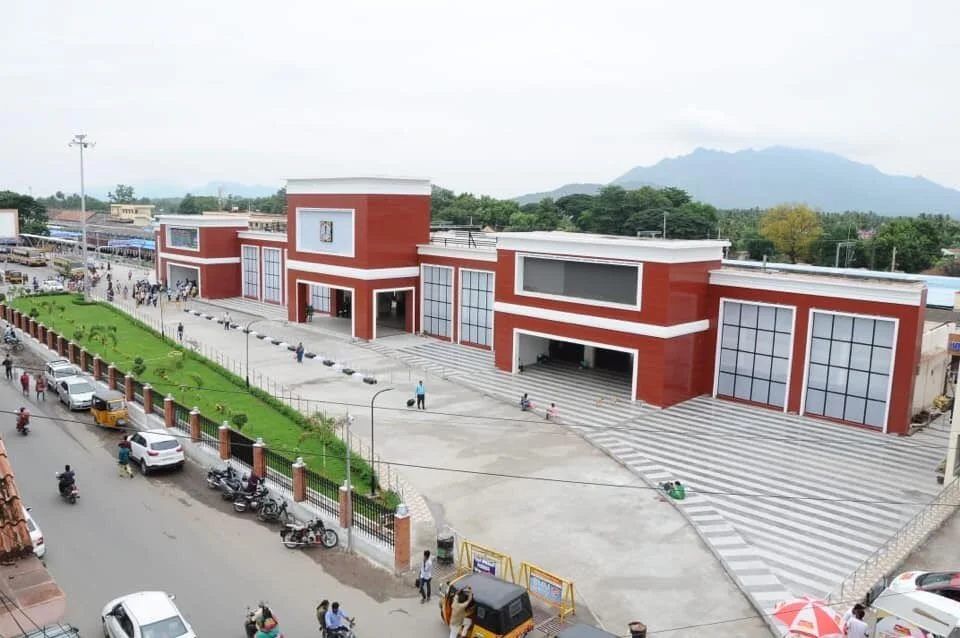
For rail arrival, compare Salem Junction on the ticket with your hotel's precise address. The station is not the entrance to every old-centre attraction, so selecting the final luggage connection in advance helps. The district tourism record distinguishes MGR Integrated Bus Terminus, also called the New Bus Stand, from the Town Bus Stand or Old Bus Stand used for local routes. A service listing only Salem does not necessarily establish the right terminal. For Yercaud, obtain the departure and return terminals from the operator; no current departure time or fixed fare is supplied here. For air travel, use the airport on your actual booking and confirm the service with the carrier. An older promotional list of nearby airports is not evidence of every current operation. Instead of adding a second excursion outside town on arrival evening, settle into the room, have a light meal and identify the following morning's meeting point. Keeping the return contact and accommodation location available offline can also make transfers easier.

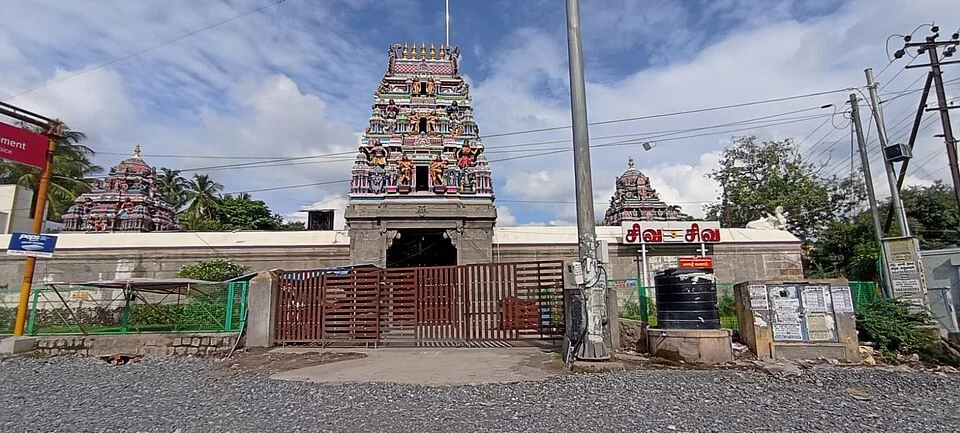
The old centre and Sugavaneswarar Temple
Begin the urban day with Sugavaneswarar Temple near the Old Bus Stand. The district identifies the worship building beside the older terminal; Suguvaneshwara is another spelling encountered in its record. The entrance tower, coloured figures and courtyard arrangement offer a specific architectural focus. Leave room for worshippers, ask staff about footwear and bags, and do not infer permission for interior photography from an exterior image. Afterwards choose a direction towards Kottai Mariamman or Alagirinathar around the Fort area for another section of the day, rather than feeling obliged to complete every worship building. Divide even nearby streets into short sections according to crossings and heat. A seated midday rest may make more sense than adding a distant temple. Travellers interested in craft can notice silver anklet and textile commerce, but entering a workshop's production space requires permission in advance. Distinguish a shop accepting customers from a private working area. The goal is to observe the city carefully rather than to interrupt its normal religious and commercial life.

Yercaud Lake: the focus of the second full day
Yercaud is not a park within Salem city. Allow a complete outward day for the separate hill settlement in the Shevaroy range. Arrange the morning journey and return together, and establish current hill-road conditions. Begin with a short walk around Yercaud Lake before deciding the rest of the programme. An open Boat House or lakeside area does not establish that boat services operate in every weather condition. For boating, check that day's operator, capacity and safety equipment. Remaining beside the water is also a valid choice. Nearby Anna Park or a botanical garden can replace another part of the existing day according to your interest and actual access. Do not remove breaks to squeeze all gardens, a waterfall, temples and viewpoints into one outing. A lake stop, one landscape setting and a meal create a clearer purpose for the hill day. Shorten the programme when rain or mist reduces visibility, rather than treating an advertised panorama as something that must be obtained regardless of conditions.


Pagoda Point and realistic landscape expectations
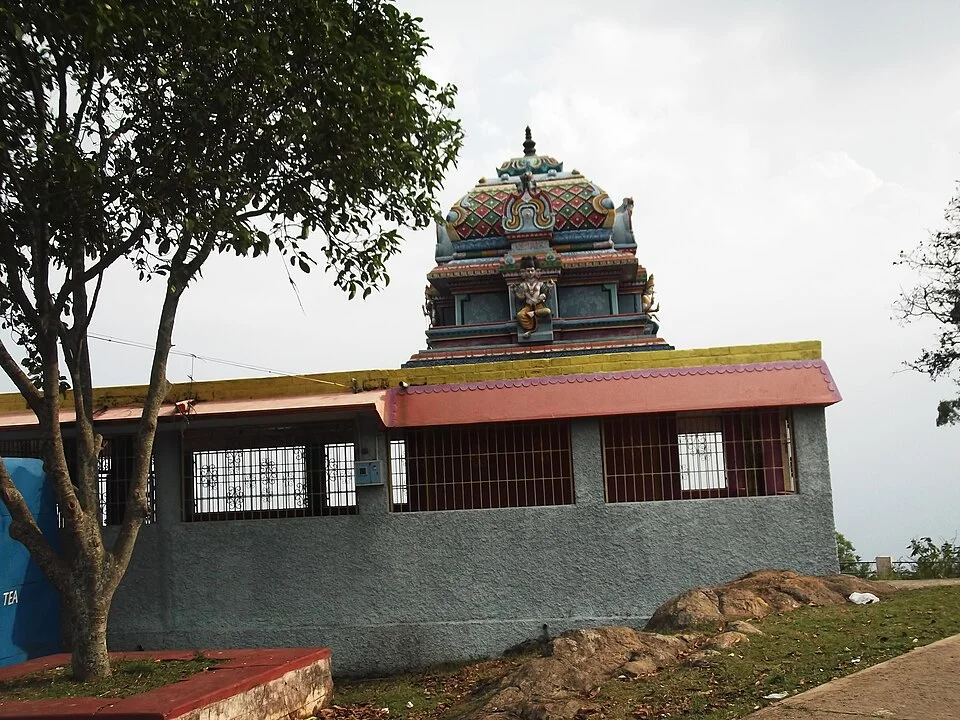
The district's Yercaud visitor list includes Pagoda Point among its viewpoints. It can become the landscape stop after the lake programme, provided you check the journey and return meeting separately. The photograph shows a structure at the setting; it does not guarantee an unobstructed horizon or a sunset view on every day. When mist arrives, stay within permitted areas rather than approaching an unsafe edge to find a picture. A night return solely for this stop is not compulsory. With someone unable to walk far, establish the actual remaining surface between the vehicle drop-off and the viewpoint. If a separate walk to Killiyur Falls becomes a priority, remove a planned stop or add another day. A waterfall with changing water and access conditions is not an automatic extra within a four-day visit. Learning about surrounding coffee cultivation during a break can also help a visitor see the hills as a working landscape rather than only a backdrop for panoramic photographs.

Malgoa mangoes, regional coffee and tapioca
The district record identifies Malgoa mangoes as a concrete regional product. Trying available fruit at the end of an urban meal during its season is more realistic than listing a dessert as available throughout the year. Ask the seller which variety is being offered and whether it is ready to eat. The same official record describes coffee cultivation on the Yercaud slopes and products including chips, fryums and papads made from tapioca grown around Salem. That does not mean every business serves an identical menu. At a coffee break state your preferences for sugar and milk, and avoid replacing a main meal with dry snacks. For lunch, choose a rice-and-vegetable plate prepared that day and adapt the portion to your appetite. This is a general meal suggestion, not a claim for a specifically named Salem dish. Allow a seated meal during both the city and hill days. Mangoes and coffee are two real regional examples, rather than a reason to turn every shopping street into a competitive tasting itinerary.
Choosing the centre, a terminal or the hills
Keeping three nights in Salem can allow the old-centre connection and Yercaud vehicle meeting to be organised from one room. Compare a property with convenient station access for an early train, an address towards the centre for meals and worship buildings, and a location with good New Bus Stand access for relevant road connections. An area name alone guarantees neither quiet nor easy walking. Ask about the actual entrance street, night traffic, stairs and luggage storage. If moving one night to Yercaud, reorganise arrival at the hill property, the luggage route and the following station connection. That changes the existing three nights rather than adding another night without explanation. Families may prefer two clear daily routes to changing rooms every morning. Salem's industrial identity is not an open invitation to tour factories: any specialist production visit needs the business's permission. Choose accommodation to support the trips you really plan, rather than because it appears close to one point on a broad district map.
Departure and the limits of four days
Collect your luggage and protect the booked connection on the last day. Do not move an unfinished Yercaud excursion into departure morning. If a full hill day is unsuitable, complete the city programme calmly and leave that outward journey for another visit. Other district destinations, including Mettur Dam, Sankagiri and Tharamangalam, are not neighbourhoods of central Salem. When one is your main interest, replace the Yercaud day with a separate route or extend the programme. This four-calendar-day guide does not claim to complete the whole district. Follow local instructions concerning rain and road conditions, and establish current access rules at worship settings. Sources were reviewed on 4 October 2026. Older lists of opening times, prices and cheapness were not transferred as current promises. The Stork recommends observing one urban section carefully and giving Yercaud enough time. The distinct contexts of mango production, commerce, worship buildings and hill scenery can then remain visible within a manageable visit rather than disappearing behind a single city name.