

Tatilmerkezi Stork is treating Port Louis as a city in which to spend two complete days, rather than a short shopping stop on an island circuit. The reader here wants time to understand migration and labour history, then combine a market and a neighbourhood meal on a separate day. This does not rename the west-coast, national-park and Le Morne programme in the Mauritius country guide. Day one gives attention to Aapravasi Ghat's account; day two follows the daily rhythm around Central Market and Chinatown. The Caudan area can support food, a seated break and an appropriate cultural event. Someone visiting from a beach resort has different decisions from someone sleeping in the capital for three nights. This guide turns the second choice into a workable urban calendar.
Three nights and two different city days
Consider arrival evening for settling in and nearby food, the first full day for the historical site, the second for a market and neighbourhood meal, then departure on the third morning. Three nights provide two complete visiting days. Rearrange them around confirmed institutional opening and any guide reservation. Do not count every hour after an airport arrival as sightseeing time. Similarly, adding a museum before departure does not magically provide a third complete day. Separating the days can also prevent an important labour-history visit from being interrupted by a hurried lunch search.
A one-day visitor should choose a history or market priority rather than compress every stop. Family attention spans, shade, drinking water and seated breaks belong in the real calendar. If one person wants photographic viewpoints and another prefers reading exhibitions, agree short individual interests within the same stop and a shared meeting place. Port Louis can be approached as a few relationships to understand over two days: harbour and work, migration and neighbourhood, produce and meals. Those questions give direction without guaranteeing open doors, suitable weather or tickets for every event. Keep departure arrangements clear from the start so that neither full day becomes dominated by luggage and transport uncertainty.
Day one: labour and migration at Aapravasi Ghat
UNESCO associates Aapravasi Ghat in Port Louis with the history of indentured-labour migration. Avoid reducing the visit to a photograph of stone walls. The site's management connects the Beekrumsing Ramlallah Interpretation Centre visit with the heritage remains. Confirm current access, guiding, exhibitions and group arrangements directly before making this the morning's main activity. Plan according to your interest rather than repeating a fixed duration or ticket price. Before entering, consider whose stories are being told and which documents or personal experiences make the history easier to understand.
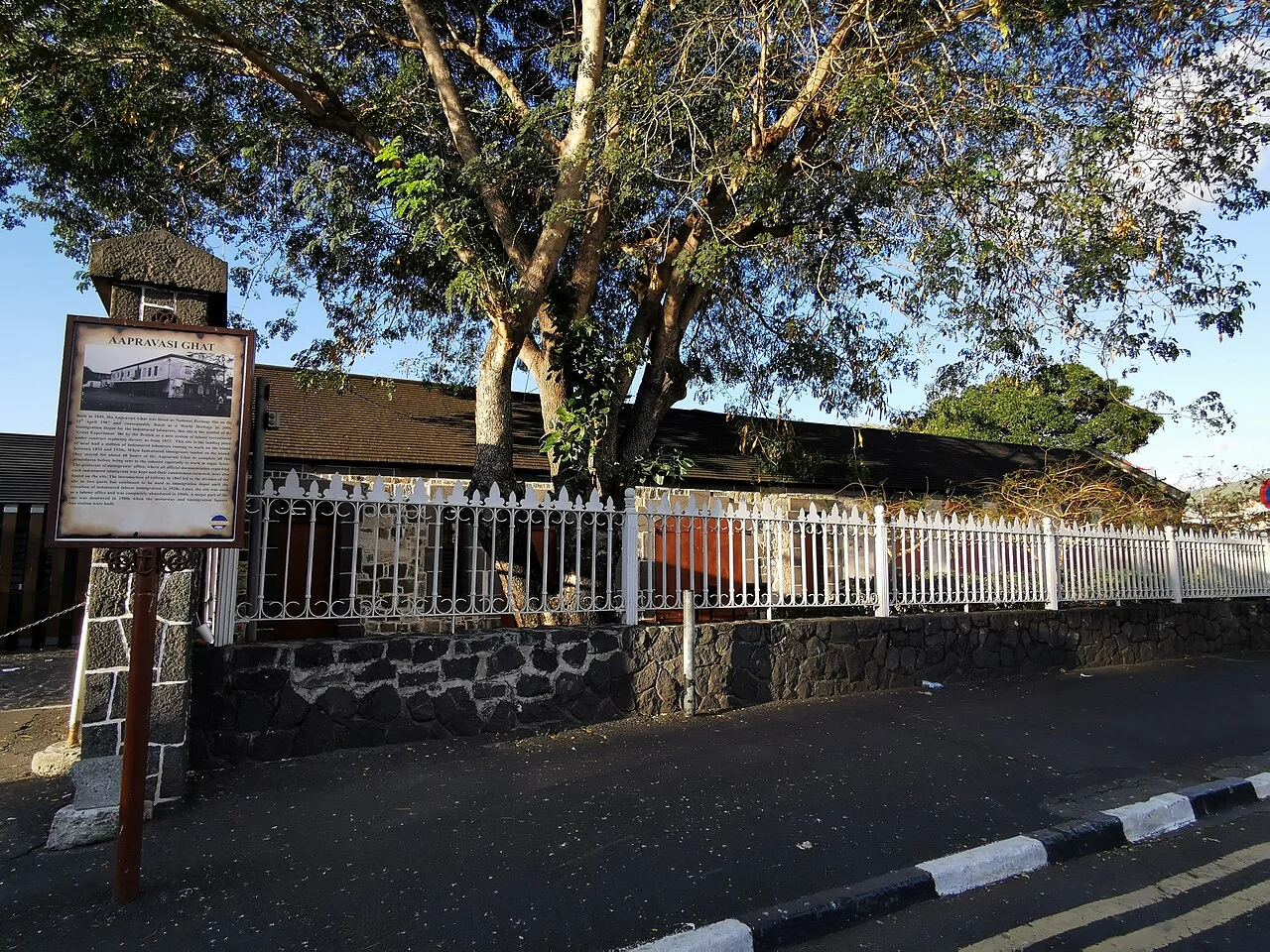

Do not casually equate the exhibition's concepts with today's language of tourism. Ask how contracts, freedom of movement and working conditions are explained; different experiences should not become one comfortable migration story. With children, choose an age-appropriate question and a shorter reading section. Obtain current photography and belongings rules from the institution. Our exterior photograph documents the entrance setting, not exhibition contents or present access to every part. A nearby seated meal and quiet break afterwards may provide a better transition than forcing every neighbourhood into the same day. Leaving a little space for reflection is part of the programme, not an omission to compensate for with another hurried stop.
A Caudan break and a separately chosen cultural event
Consider the Caudan area after lunch for a short walk, a café seat and, where suitable, a cultural programme. MTPA connects the area with shopping and Caudan Arts Centre. If an exhibition or performance matters, check the institution's current programme for the actual day and ticket availability. Walking around the centre does not automatically provide admission to every show. After the morning's historical visit, a rest may be sufficient; an additional indoor activity need not be obligatory merely to complete the schedule. Choose a break using bag weight, temperature and the crossings needed for the return.
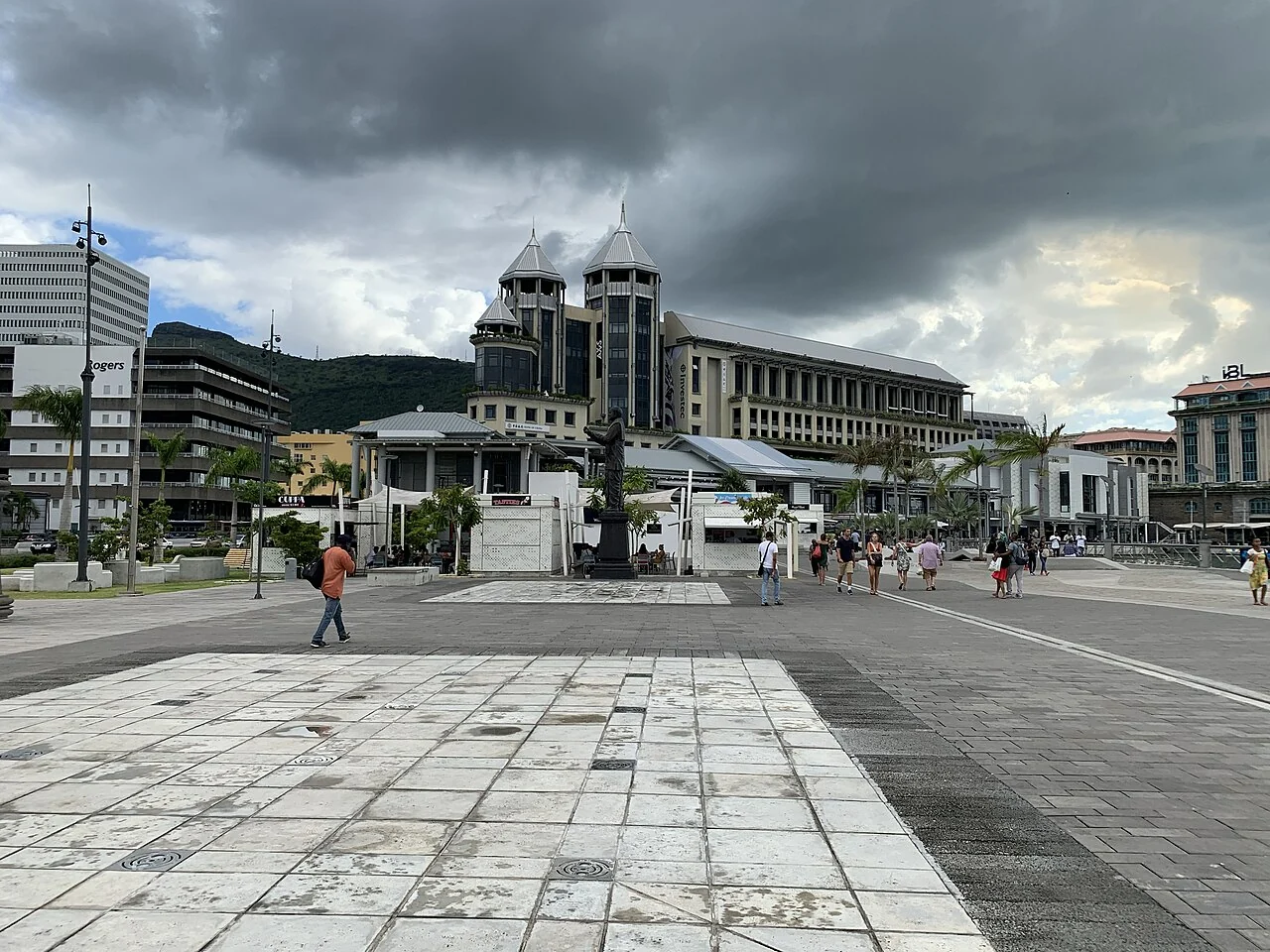

Knowing what you are looking for preserves shopping time. A small book, portable object or something meeting a personal need can be enough; every shop need not be explored in one afternoon. Ask about provenance, material and care. Avoid carrying conspicuous electronics or large purchases back through side streets at night. Groups splitting between shops should agree an unmistakable meeting point and time. In this urban stay, Caudan represents a harbour-area rest and culture option, not every Mauritian coast. The waterfront view is not turned into a recommendation for swimming or a boat activity. A modest afternoon can also make the next morning's food exploration more enjoyable.
Day two: from market produce to an actual meal
Devote the second morning to the produce and food areas around Central Market. MTPA's market account identifies samosas, dholl puri and alouda. A dholl puri listed on the actual menu can provide a starting point; ask the preparer about filling, sauces, heat, oil and allergens. If considering sweet alouda, ask about milk and the water or ice used. Visible clean preparation, reliable water and appropriate ingredients matter more than a dish's fame. Choose a licensed, dependable establishment or an established market food counter rather than a transient street seller.
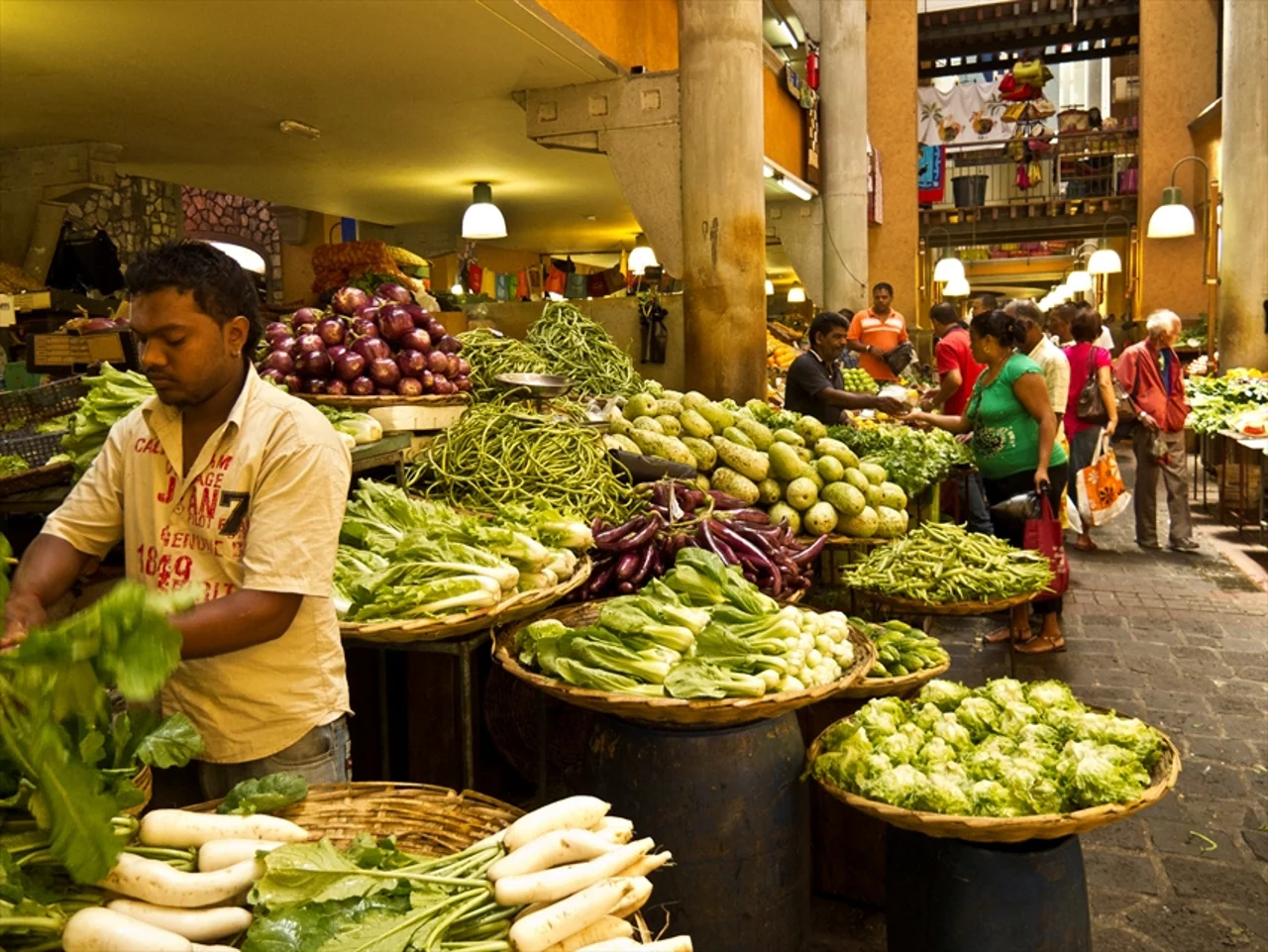

Allow separate time for looking at produce and sitting down to eat. A group navigating a narrow passage with different foods in every hand can make both movement and conversation difficult. Clarify portions and ingredients before ordering if sharing several items; sauce and seasoning cannot always be removed afterwards. Think about carrying, washing and customs rules when buying fruit. Do not interrupt a stall's work simply to make a photograph, and ask before photographing people. The food-market image is a general 2011 produce scene. It makes no claim about present prices, a particular shop's menu or the continued presence of the same vendor. Learning how an ingredient is selected can be as useful as accumulating a long list of things tasted.
Chinatown: a separate meal and respectful walking
After the market, give a short neighbourhood section to Chinatown, checking real crossings and the return route locally and on a map. There is no requirement to repeat the earlier meal. Dim sum identified by MTPA can be considered in a later seated meal if available; ask whether individual fillings contain meat, fish or vegetables. A piece appearing vegetable-based may still use meat stock or shared preparation surfaces. Leave an appetite margin for this second meal instead of trying to consume every local name during one lunch. Understanding one flavour you enjoy can be more meaningful than ticking off many dishes.


Treat neighbourhood businesses as places where people work. Do not block entrances while photographing shutters, old façades or signs. For nearby places of worship, establish current admission, dress and camera rules; viewing an exterior and entering are different activities. Check the actual opening of the place chosen for a short rest. Our Chinatown photograph records a 2006 street setting, not today's traffic or the existence of a current restaurant. Avoid converting the migration questions learned on day one into generalisations about everyone encountered on day two. Listen instead to people who wish to explain their work. Finishing the afternoon lightly also prevents the final evening from becoming frantic packing time.
Accommodation: an urban address and daylight connections
For this two-day programme, an address actually within Port Louis can reduce repeated journeys from a coastal resort. For a room advertised near Caudan or the centre, assess pedestrian crossings, traffic conditions and evening food separately. A broad district label does not guarantee a safe short walk. Choose registered accommodation and ask about vehicle collection, stairs, cooling, noise and baggage arrangements. How the address serves both days matters before the room's view. Sleeping in the capital is not the only correct way to visit Mauritius; this guide serves the distinct reader who wishes to give the city time.
Metro Express passenger information explains single-use tickets, MECard and validation on boarding and leaving. Build a Port Louis connection from the actual station map and current operating information. Old pandemic hours on a page are not repeated as today's timetable. Do not confuse the flight airport and the city tram network with one continuous service. Agree an airport transfer's full address, luggage, driver and actual fare beforehand. If walking and vehicles must be combined, write each leg's meeting point separately. Leave a departure margin that considers traffic and terminal procedures. A workable urban stay does not require promising a service frequency or fixed fare that has not been checked with the operator.
Current security and entry checks
Official security information checked on 4 October 2026 stresses avoiding solitary night walks in poorly lit backstreets of the Port Louis business district and choosing registered accommodation. Keep valuables secure and do not postpone organising the return vehicle until the last meal. In heavy rain or a weather warning, substitute an indoor visit that is genuinely open and follow official directions. Coastal and mountain walking are outside these two urban days. Judging safety solely from an island holiday image can obscure the capital's different conditions.
Confirm current passport, travel-form and health requirements with the responsible authorities for your nationality and previous itinerary. Official information can include health-related entry restrictions following recent travel in certain African countries; check this specifically before applying if relevant to your route. Preparing a capital stay does not mean every passport is accepted under identical rules. When institutional access, both days' transport and the departure flight fit together, the plan becomes a practical city stay. Two days allowing reflection on labour history and an unhurried neighbourhood meal can meet a different need within an island journey.