

Monastir: two town days between the Ribat and remembrance
The Tatilmerkezi Stork gives Monastir time beyond a brief look at the coast. Plan three nights with two full town days: the first for the Ribat as a defensive structure, the second for remembrance around Bourguiba and the medina. Rather than adding a hurried excursion to a Sousse mosaic visit, build two separate branches from the same room. Beach packages, El Jem and a Kairouan transfer are not the main need here. Comparing old stone with modern commemorative space can explain why staying in one town is sometimes more revealing than moving continuously. Use arrival day for luggage, a nearby meal and confirmation of the next visit.
Five different photographs show the Ribat, a dated fish market, the mausoleum surroundings, a medina passage and the fishing harbour. They are distinct scenes rather than crops of one cover. They do not establish a present restaurant menu, access to every historic room or suitable swimming conditions. A principal visit, a seated meal and one short secondary branch make the days easier to follow. The sequence is a researched planning suggestion rather than a fabricated personal travel memory. Change it to match your real arrival, mobility needs and the institutions' actual arrangements.
Day one: read the Ribat from entrance to courtyard
Begin outside with the relationship between towers, walls and the surrounding coast. The monument agency AMVPPC explains successive construction phases and the museum section, and publishes seasonal visiting arrangements. Inside, compare how passages facing the courtyard connect to defensive positions. You do not need to climb every stone or enter an unmarked passage merely because it appears open. Reaching a tower is a separate choice shaped by stairs, heat and mobility. Stay on the permitted route and ask about collection and photography rules at entry. Look for a spatial relationship rather than treating each room as another photograph to collect.
A morning at the Ribat followed by a seated town lunch allows a calmer rhythm than rushing out to another city. The agency lists week-long visitation with summer, winter and Ramadan differences; confirm the sections actually available on your own day. No price or particular event admission is guaranteed. When looking at an object, use its label to distinguish material and period instead of assuming all displays belong together. Returning outside after the collection visit can help connect the internal layout with the street elevation. A short rest afterwards belongs to the itinerary, rather than being leftover time after an overfilled list.
A market pause: fish trading is different from lunch
The central-market photograph was made in the fish section on 29 November 2016. It does not show which stalls operate today or which species are currently sold. It introduces a useful question about how harbour work and urban meals relate. For a visit, establish the actual open day, entrance and permission for photography. Do not photograph traders or customers closely without asking. Buying a raw product and ordering a safely prepared restaurant meal serve different needs. Without accommodation cooking facilities, a seated meal may be more practical than purchasing something you cannot store or prepare appropriately.
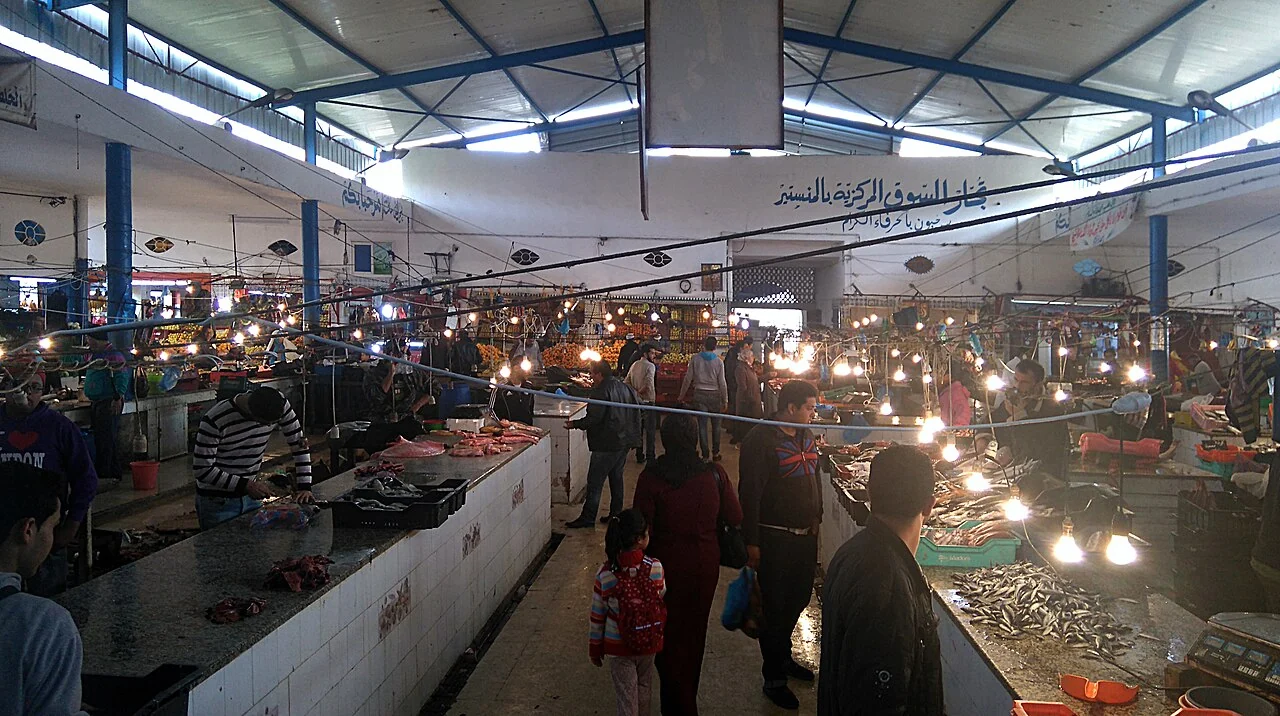

Keep lunch after the Ribat, then allow water and rest before a further walk. If choosing fish, ask about preparation, bones and relevant allergens. A market full of products does not require trying everything; one suitable meal can provide an introduction. Treat this as a working everyday place rather than a photographic studio. Where current opening or product availability cannot be confirmed, keep the market branch optional and choose a nearby meal independently. That makes the first day adaptable without allowing an old image to determine present logistics.
Day two: Bourguiba and the memory of the town
The second day asks how modern history is remembered, rather than how a fort defended its surroundings. Compare the mausoleum approach and scale with the Ribat courtyard. Official tourism information identifies the Bourguiba mausoleum as a significant Monastir landmark. Visitor and religious arrangements may differ; establish interior access, clothing and photography permission locally. Separate the physical space you can observe from historical interpretation in reliable sources. There is no need for sensational claims about a statesman, or invented first-hand testimony, to make this comparison interesting. The walk can remain centred on the actual public surroundings.
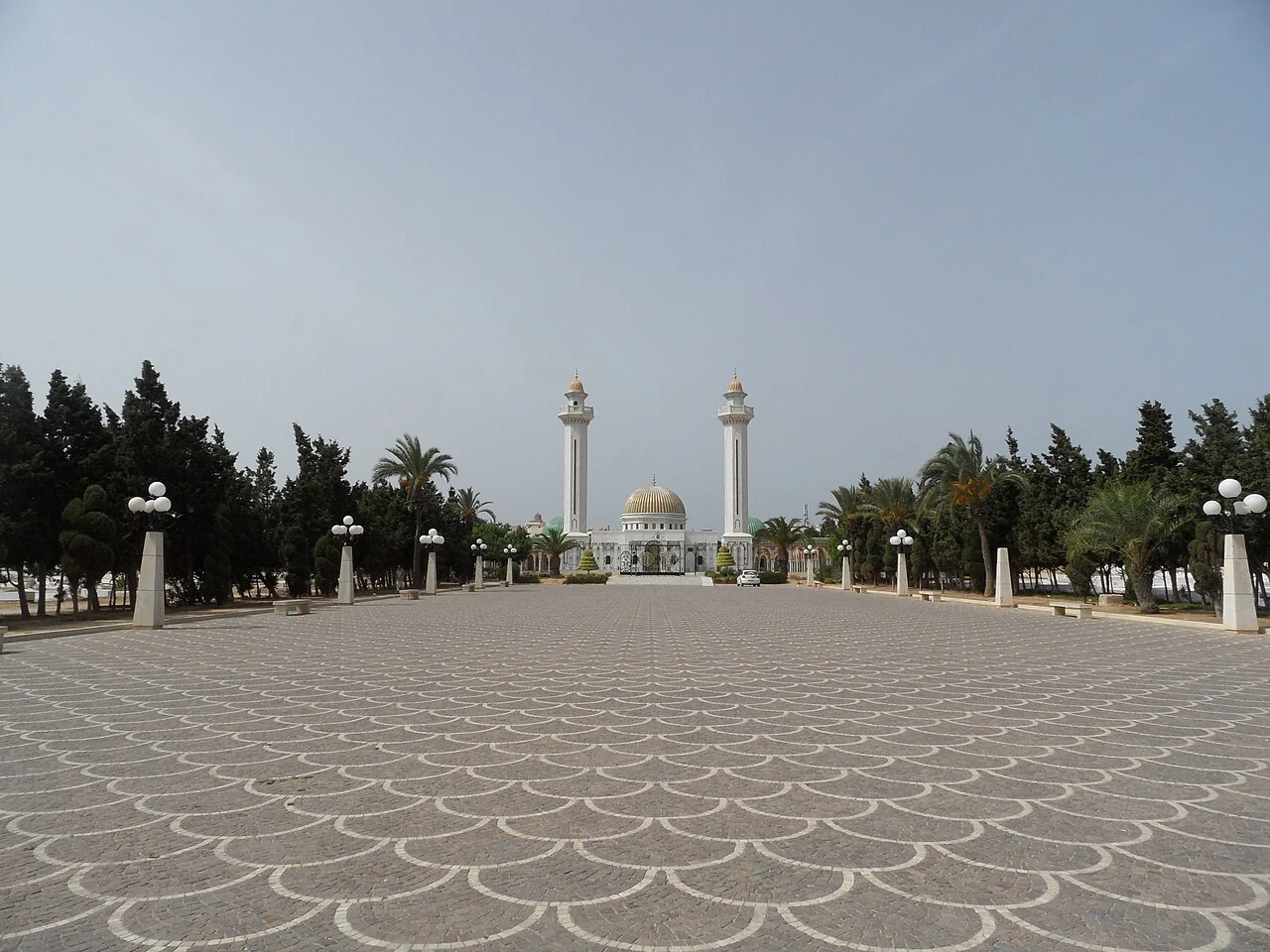

The Habib Bourguiba museum in Skanes is not the same building as the central mausoleum. The institution inventory distinguishes its location, while the English agency overview observed during this review did not provide a current visiting schedule. An interior palace visit is therefore not a guaranteed part of these two days. Consider it as a separate branch only after a real institution response and return vehicle are arranged; otherwise stay with the centre and remembrance setting. A historic photograph with an open doorway is not proof of current collection access. This day should change the questions of the first, rather than simply repeat its stone-building list.
Medina and fishing harbour: one short urban branch
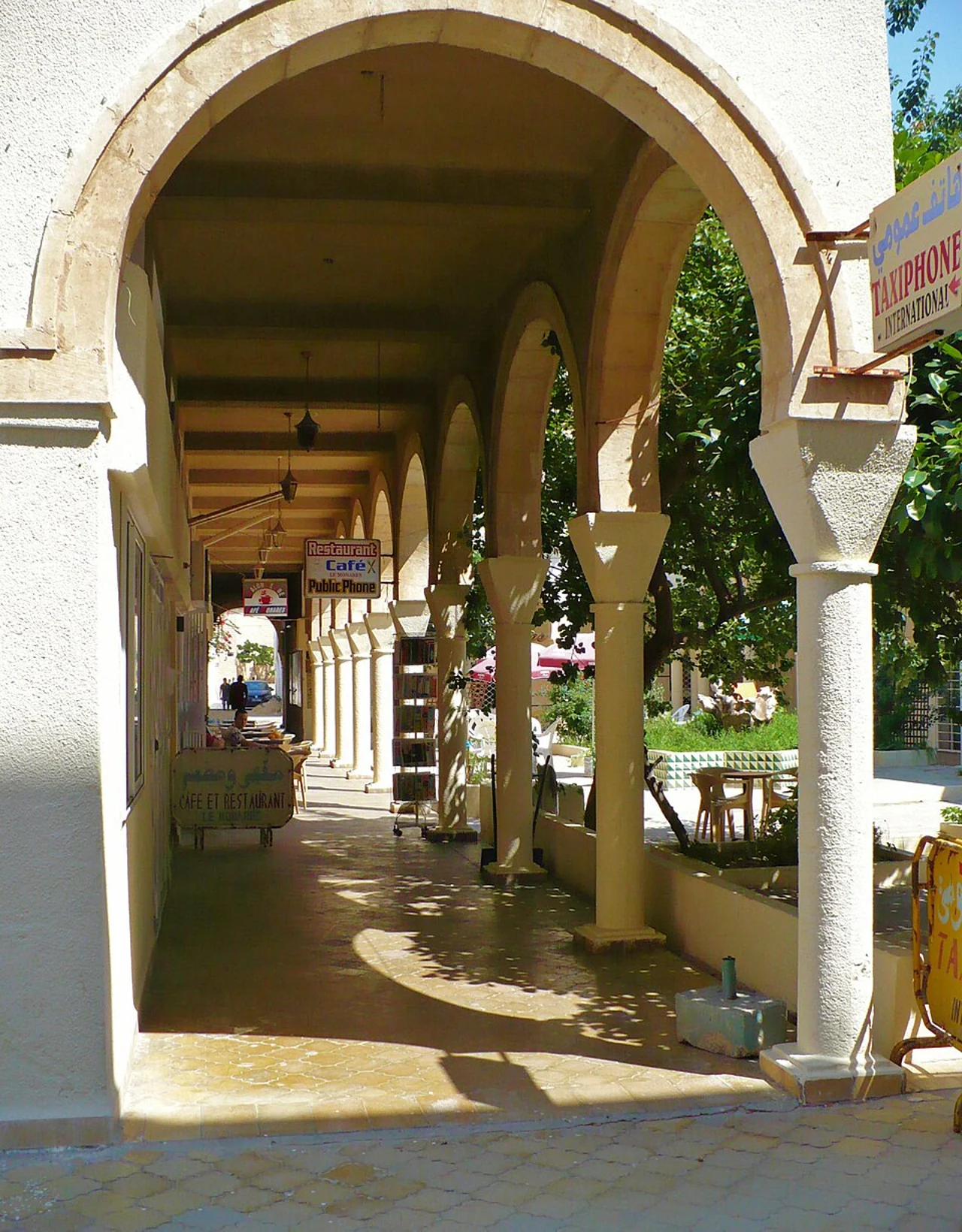
Choose a recognisable medina entrance and return point instead of following an endless shopping checklist. Discuss material, price and order conditions directly with a shop; watching a demonstration does not oblige you to purchase. The passage photograph is a 2014 urban view. A later source crop is retained in the credit information. Check paving, shade, steps and toilet access according to your needs. For a visitor with restricted mobility, a short suitable street branch may be more rewarding than trying to cover the entire old town. A clear meeting point also makes a separate transfer easier to manage.
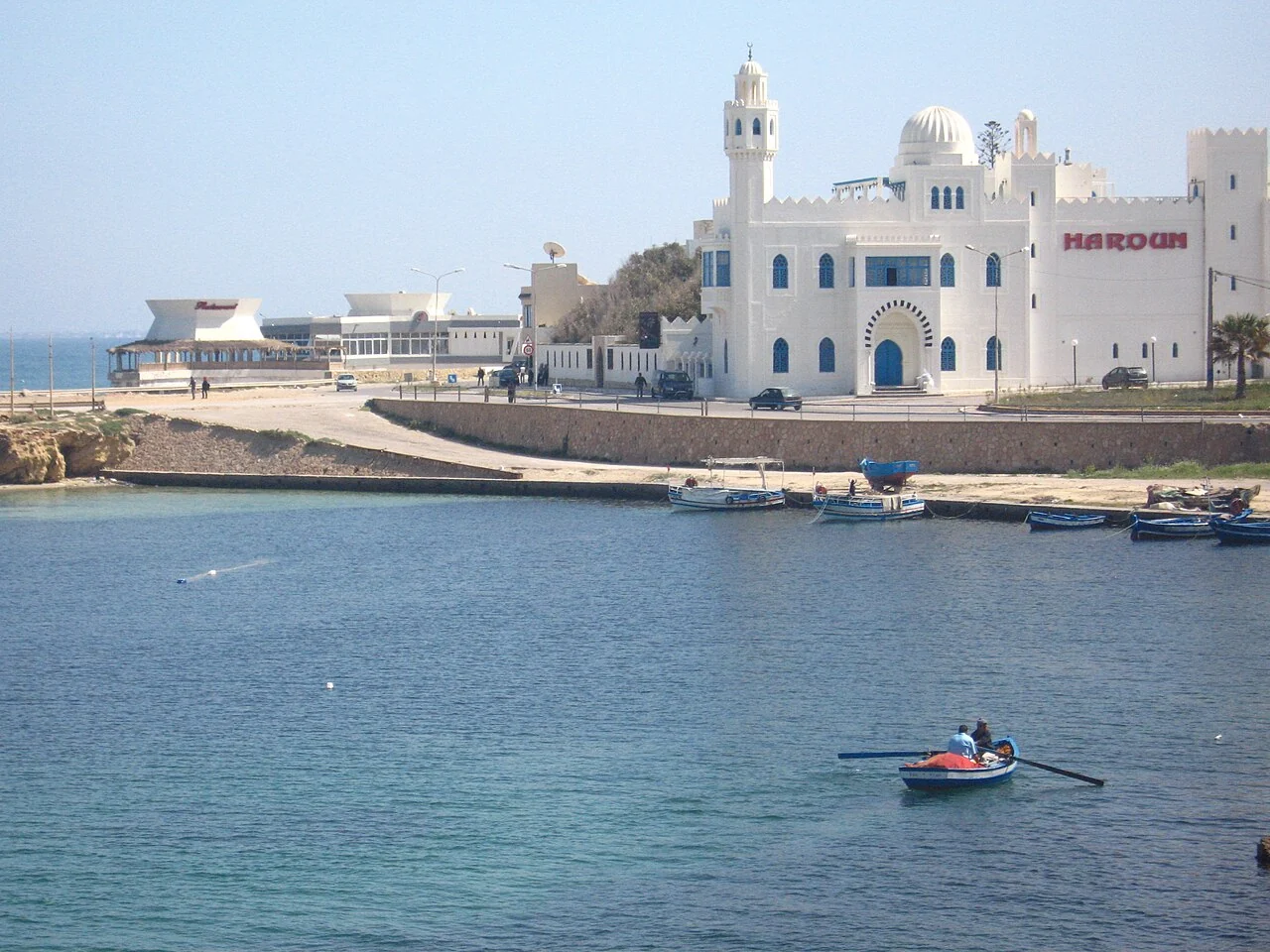


The fishing harbour offers a different working environment and coastal view. Its photograph has an unknown capture date and invalid EXIF time; no invented 1980 date is supplied. It does not establish present boat operation, excursion permissions or safe swimming. Ask where a visitor can make a short daylight stop without entering a working area. Keep the town itinerary from expanding automatically into every surrounding bay. A harbour pause and a seated meal can complement the second day without making the journey dependent on unconfirmed boat access or a long series of coastal transfers.
Concrete meals: charkaw couscous and seasonal vegetables
ONTT identifies couscous with small charkaw fish as a local Monastir preparation, potentially accompanied by peppers and squash. Ask for it where the menu and that day's produce support it. Le Pirate's own restaurant page also mentions regional cherkaou couscous and explains that the daily selection depends on the fish coming in. These sources do not guarantee one plate every day. Discuss preparation, sharing and the complete order directly with the business. Keep a separate meal allowance without inventing a current price. A concrete dish is more useful here than an unexplained promise of authentic food.
The tourism source describes marqet khodra as a seasonal preparation of lamb, broad beans and vegetables. That seasonal context must remain: an October visitor is not promised spring produce. A fish-based main meal on the first day and an available vegetable or meat alternative on the second provide different pauses. Confirm wheat, fish, broad-bean or other relevant allergens independently of a short dish name. Tea and a small sweet can belong to the afternoon, reducing the pressure to combine a museum and a long lunch in one narrow window. The guide's urban photographs are not current plate photographs from the named restaurant.
Accommodation, real connections and final checks
A central, medina-edge or marina base serves these town days differently from a Skanes coastal hotel. Plot the actual accommodation entrance, Ribat doorway, meal and evening return separately. Even in the centre, every street is not level or convenient with luggage. From Skanes, count daily return transport and evening food access as part of the complete stay. Confirm the Habib Bourguiba airport meeting point and room entrance with the real transfer provider. Apparent proximity on a map does not guarantee one duration for all arrivals. Choose practical access before being persuaded by a broad location label.
Official tourism information identifies a Sahel regional rail connection. The old Sahel timetable address observed here redirected to SNCFT's general passenger page, so it cannot establish October departures. Confirm operating trains, return arrangements and baggage conditions with the station or operator for the actual date; do not transfer a July-August table into October. Current official Tunisia advice includes regional restrictions and terrorism risks, and an urban itinerary does not replace that assessment. Before leaving, combine institution availability, coastal weather, a meal response and the return vehicle. The Stork's suggestion is to remove one stop so that both town days remain usable.