

Rajkot: Gandhi heritage and a Kathiawari table
Treating Rajkot as nothing more than a place to change trains leaves much of this Gujarat city unexplored. In Saurashtra, it offers an unusually useful combination: Gandhi's early life through a family home and a former school, regional collections around Jubilee Garden, and time for a Kathiawari meal. Tatilmerkezi Stork suggests three questions for this visit. Where is Gandhi's story told? Which collection helps explain Saurashtra beyond that story? What regional food can end the day? Giving those questions separate stops produces a more satisfying visit than rushing through one museum and leaving. The suggested trip covers four calendar days and three nights: arrival, two full sightseeing days, and departure. For a shorter stay, remove the outer stop from the second full day and keep the main heritage circuit, adjusted to opening arrangements. Rajkot is not a coastal resort, so a beach day should not be silently added to this city itinerary.
Arriving at Hirasar and moving around Rajkot
Check Rajkot International Airport, Hirasar and the HSR code when booking a flight. AAI's current airport record identifies Hirasar; old tourism descriptions of the former city airport should not determine your transfer. Arrange the pickup point, luggage capacity and total charge with the provider before travelling. A late arrival is better used for a meal and rest than an ambitious museum visit. Rail travellers should separately check the exact station on their ticket: a city name does not mean every connection uses the same platform or terminal. Short walks can connect parts of the historic centre, but junctions, heat and busy pavements change how comfortable those walks are. When using a vehicle for the wider circuit, show the driver the separate addresses for Kaba Gandhi No Delo, Mahatma Gandhi Museum and Jubilee Garden. Making sure the two Gandhi sites are not confused is a small piece of preparation that can save an entire morning.
Kaba Gandhi No Delo: begin with the family home
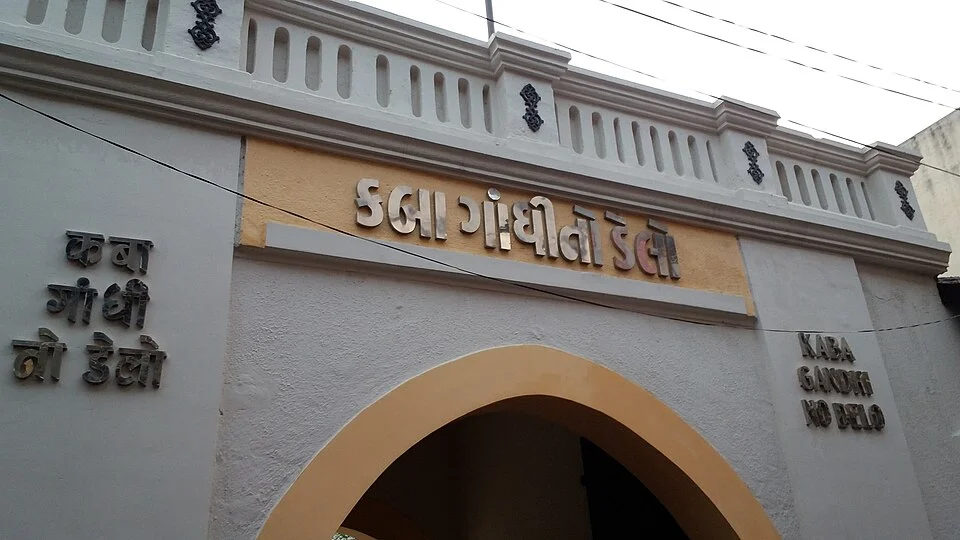
Start the first full morning at Kaba Gandhi No Delo. The house is associated with Mahatma Gandhi's family and formative years. The official tourism description highlights its Saurashtrian architectural character, including arches and courtyards. Leave time to notice that domestic setting rather than reducing the visit to a quick photograph at the entrance. Read exhibition labels before treating a displayed object as something Gandhi personally used: documents, photographs and explanatory panels convey different kinds of evidence. Confirm the current opening day and access arrangements with the operator. Even official pages give differing weekly closure information, so publishing a fixed timetable here would create false certainty. If the house is closed, reorder the neighbourhood walk and the next museum stop. In narrow streets, keep entrances and shopfront access clear while taking photographs. For children, the difference between a family house and the school visited later gives the two sites a straightforward story to follow.

Jubilee Garden and Watson Museum
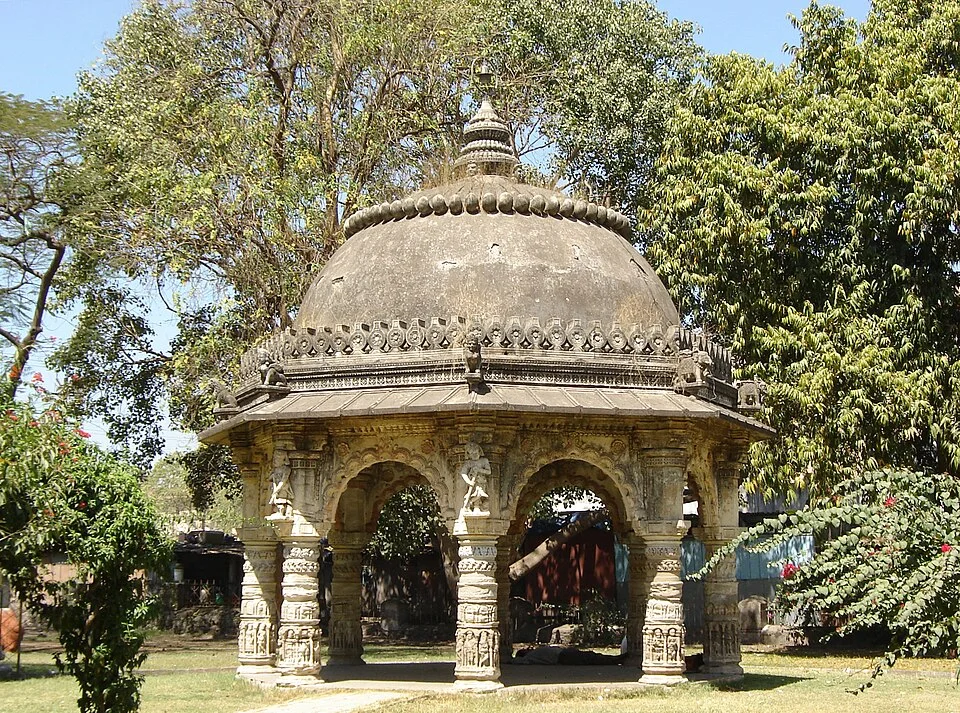
Move the later part of the first day towards Jubilee Garden, choosing the order according to the midday heat. Watson Museum adds a regional perspective rather than limiting Rajkot's history to Gandhi's lifetime. The district government's introduction highlights historic carving, clothing and material relating to local communities. Collections and display arrangements can change, so a named object should not be assumed to be on view on your particular date. Choose a few sections to read carefully and return to labels that interest you; that often creates a better museum visit than trying to pass every cabinet. The historic bandstand in Jubilee Garden and the nearby Lang Library can form a short outdoor circuit afterwards. A concert at the bandstand or access to the library interior is not guaranteed. Anyone hoping to use the library for research should check admission separately. Finish the dense heritage section with a seated water break, leaving enough energy to enjoy the evening meal.


Mahatma Gandhi Museum: the former school is a separate stop
Reserve its own slot on the second full day for Mahatma Gandhi Museum. Gujarat Tourism also identifies it as the former Alfred High School. It is not the family house at Kaba Gandhi No Delo, and the two visits serve different purposes. Travellers who only want to see the stone facade need less time than those wishing to read the exhibitions. Ask about the galleries currently open, visitor circulation and photography rules at the entrance; do not assume that a presentation or programme runs continuously. Compare the school narrative with what you learnt at the family home the previous day. Simple notes can help: which event is connected with this building, and which document describes a different period? Afterwards, leave time for central shopping streets or an early meal. If a longer vehicle excursion is planned for the afternoon, keep the museum in the morning and allow genuine reading time before the pickup rather than promising an exact minute-by-minute schedule.
The Aji Dam area and the limits of an afternoon excursion
Visitors wanting a change of setting can consider the Aji Dam area as a separate vehicle outing during the remaining part of the second day. Water infrastructure, recreation areas and zoo sections do not share identical access arrangements. Check the municipal visitor information and the areas currently open, then stay within permitted spaces. Do not enter the water, cross barriers near dam structures or assume boats are operating. Rain, strong sun or closures can make a relaxed stop back in the city the more sensible choice. The accompanying photograph shows doves at the Aji Dam Zoo site in 2011; consult visitor information for today's layout. Other Saurashtra destinations such as Gondal, Junagadh and Gir should be planned as additional route segments, rather than casually appended to the same afternoon. In particular, a national park excursion requires separate attention to booking, seasonal operation and transport. It is not an automatic extension of a Rajkot museum day.


A Kathiawari meal: rotlo and ringan no olo
Give one Rajkot meal to Gujarat's Kathiawari food tradition. Gujarat Tourism connects rotlo, a thick flatbread made from bajra or pearl millet, with this regional cuisine, and suggests ringan no olo, a roasted aubergine preparation, with garlic chutney as accompaniments. These are regional examples, not a promise that every Rajkot restaurant serves a fixed identical menu. Find out which preparations are available that day and choose portions according to the appetites of the people sharing the meal. Explain requirements concerning garlic, dairy products, butter or other allergens directly: a vegetarian description alone does not answer every dietary question. A seated meal after the museum makes a useful pause before shopping. Rather than choosing only a photogenic plate, pay attention to the bread's texture, the aubergine preparation and the balance of accompaniments. There is no need to order a large spread to try an unfamiliar flavour. Begin with a modest shared selection, then add another dish if the table wants it.
Choosing a base and protecting departure time
For a heritage-focused stay, choose a base with straightforward access to the centre and Jubilee Garden. When considering a hotel around Yagnik Road or Kalawad Road, examine its actual map location rather than relying on a central label: that label does not necessarily mean the Gandhi house is an easy walk away. Ask the property about night noise, room access, luggage storage and an early departure. For a return flight from Hirasar, do not plan the last city outing independently of the airport transfer; collecting stored bags also needs time. Breakfast, a small purchase and an unhurried departure make a better final day than adding another remote attraction. Travellers with restricted mobility should confirm step-free museum entry and usable toilet facilities before committing to the circuit. Official sources for this guide were checked on 4 October 2026. Reconfirm opening arrangements, tickets and transport services with the operator or carrier for your actual travel date.