
Columbia and Congaree: a city stay with a forest day
Columbia, South Carolina, can work as a comfortable base for a two-day combination of downtown meals and an excursion to Congaree National Park. The park address is in Hopkins, so do not mistake its wooded creek photographs for a city-center waterfront walk. Start with a modest walking plan and treat paddling as a separate activity requiring equipment, route knowledge and suitable conditions. The apparently quiet floodplain is not a static landscape. Rain and water levels can alter access, making a spare morning more useful than a tightly packed schedule. Keep the city portion flexible enough to swap with the park day when conditions require it.
Reach the correct visitor center
The NPS directions warn that entering the park name alone in a navigation service may produce the wrong destination. Use 100 National Park Road, Hopkins, for Harry Hampton Visitor Center. From I-77 Exit 5, the described approach follows SC 48 East/Bluff Road for approximately eight miles, then turns onto Old Bluff Road toward the signed park entrance. Follow the entrance road to the visitor-center parking areas. Oversized parking is limited, and large vehicles cannot use the Bates Ferry and Fork Swamp lots. Arrive early on busy days, without assuming that an early arrival guarantees space. Sleeping overnight inside a vehicle anywhere in the park is prohibited; an open parking area is not an invitation to camp.
Plan the return before travelling without a car
The park identifies a COMET connection with metropolitan Columbia, but an older park webpage is not a substitute for the operator's current timetable. Use The COMET's own information to check the date, operating day, actual park stop and return connections together. Its listings show an August 2026 version of Route 47, so avoid relying on an older May 2022 PDF. The NPS also warns that ride-share services may not collect passengers from the park. An outward ride therefore does not establish a reliable way home. Leave a generous margin before the final connection and account for a slower walk after rain. Mobile reception in the forest cannot be assumed to work everywhere.
Opening hours and restricted areas
The park compendium approved on May 27, 2026 lists normal visitor-center hours of 9 am–5 pm daily. Closures include Presidents Day, Columbus Day, Thanksgiving, Christmas and New Year's Day, with other changes possible for staffing, weather or federal decisions. Roads, trails and parking areas generally operate around the clock, but temporary restrictions take precedence. The administrative part of the visitor center and the unpaved Administrative Road east of the third parking lot are closed to the public; they are not walking shortcuts. Picnic-area hours run from sunrise to 9 pm. A reserved picnic shelter is distinct from other tables offered on a first-come basis.
Day one: begin on the Boardwalk Loop
The official Boardwalk Loop page describes a 2.6-mile route, approximately 4.2 kilometers. Pick up the self-guided brochure in the visitor-center breezeway and follow the numbered stops. Its level surface offers an accessible introduction, but flooding and maintenance determine which sections can actually be used that day. The construction update includes a dated May 23, 2026 announcement that the boardwalk was open. That announcement is not a current flood report. Read alerts and choose the available route rather than walking around a barrier. Stop often enough to notice bark textures and changes in water beneath the trees. Climbing trees for a photograph is prohibited.
Day two: closer observation or a properly arranged paddle
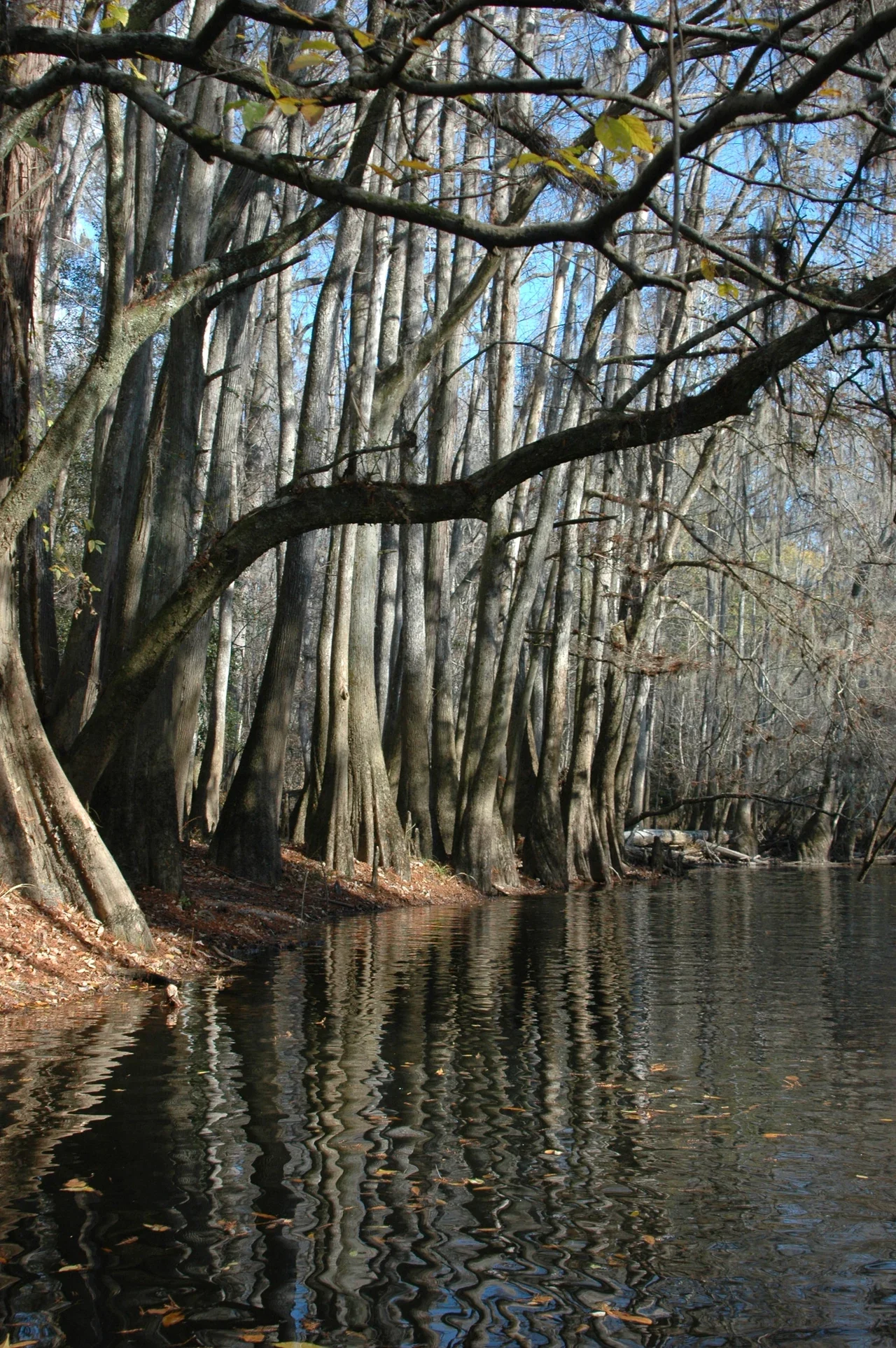
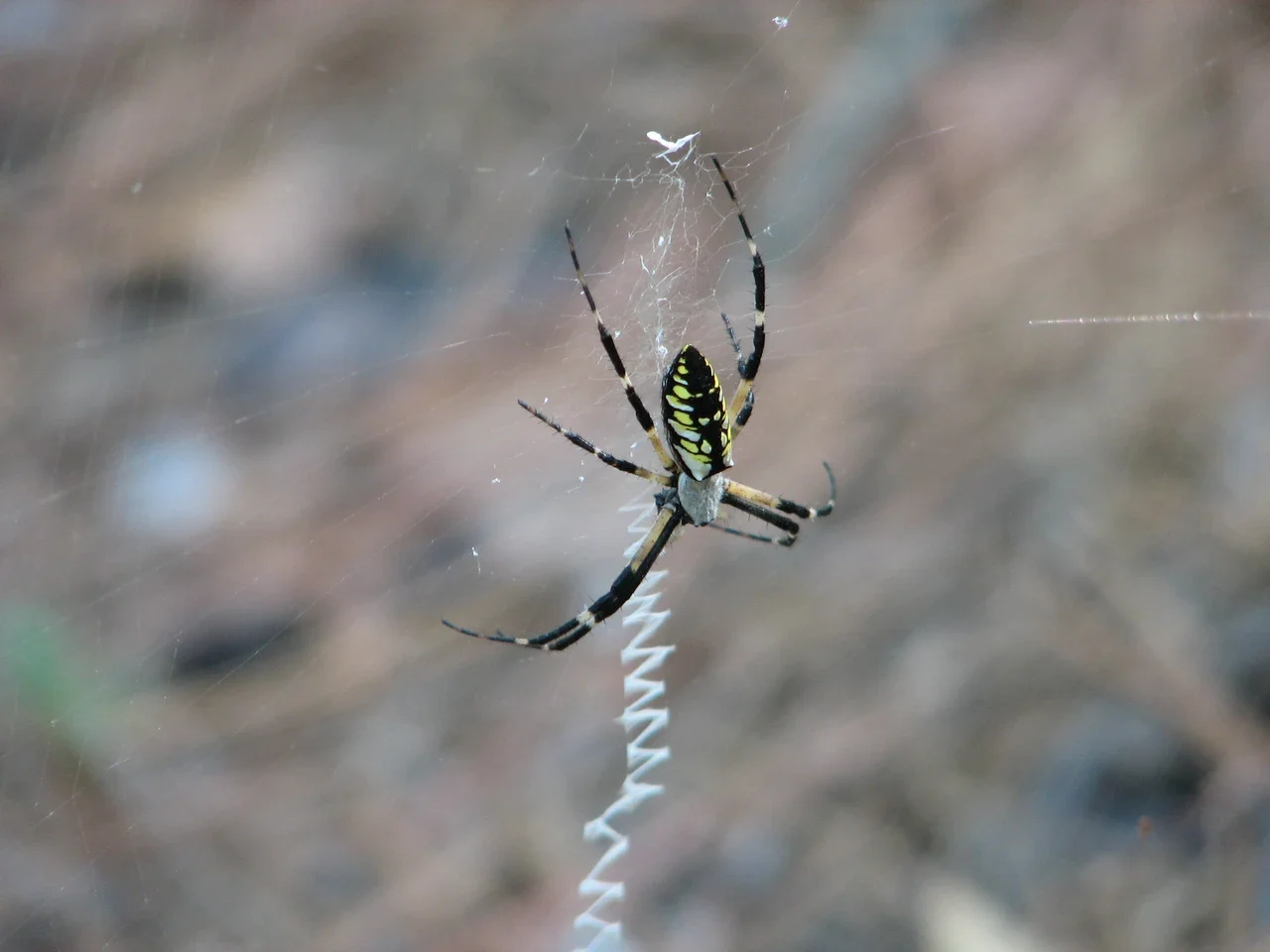
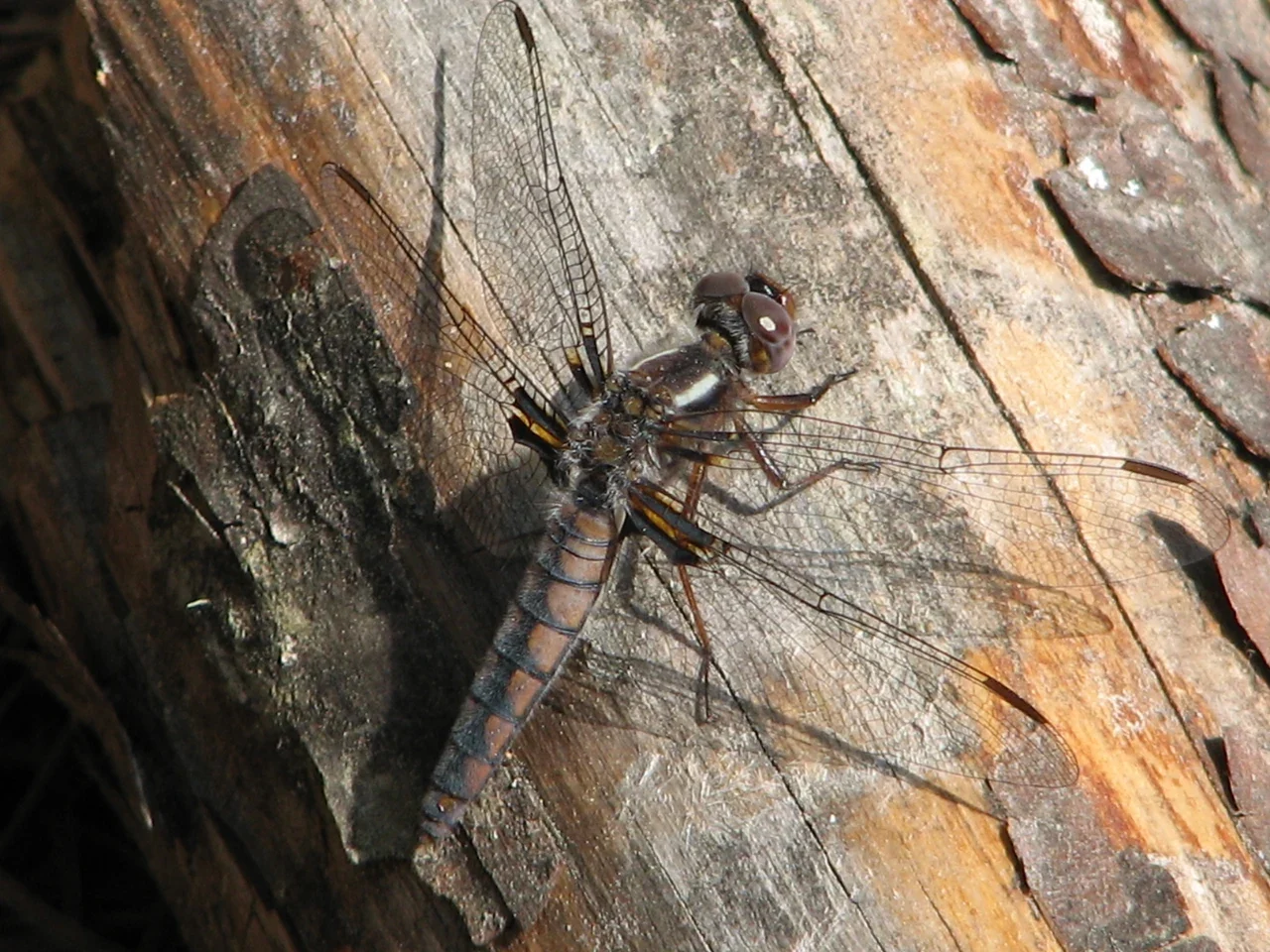
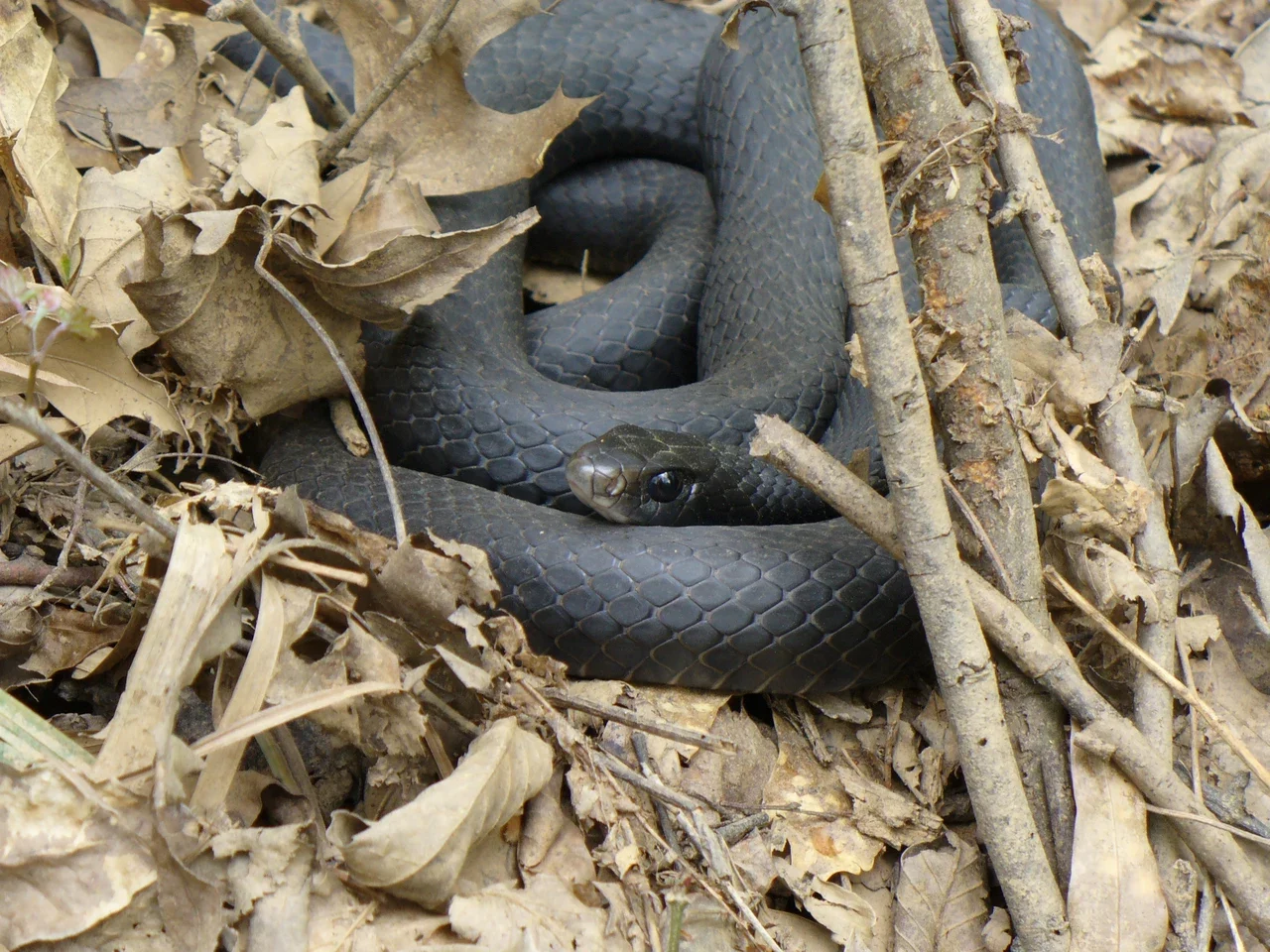
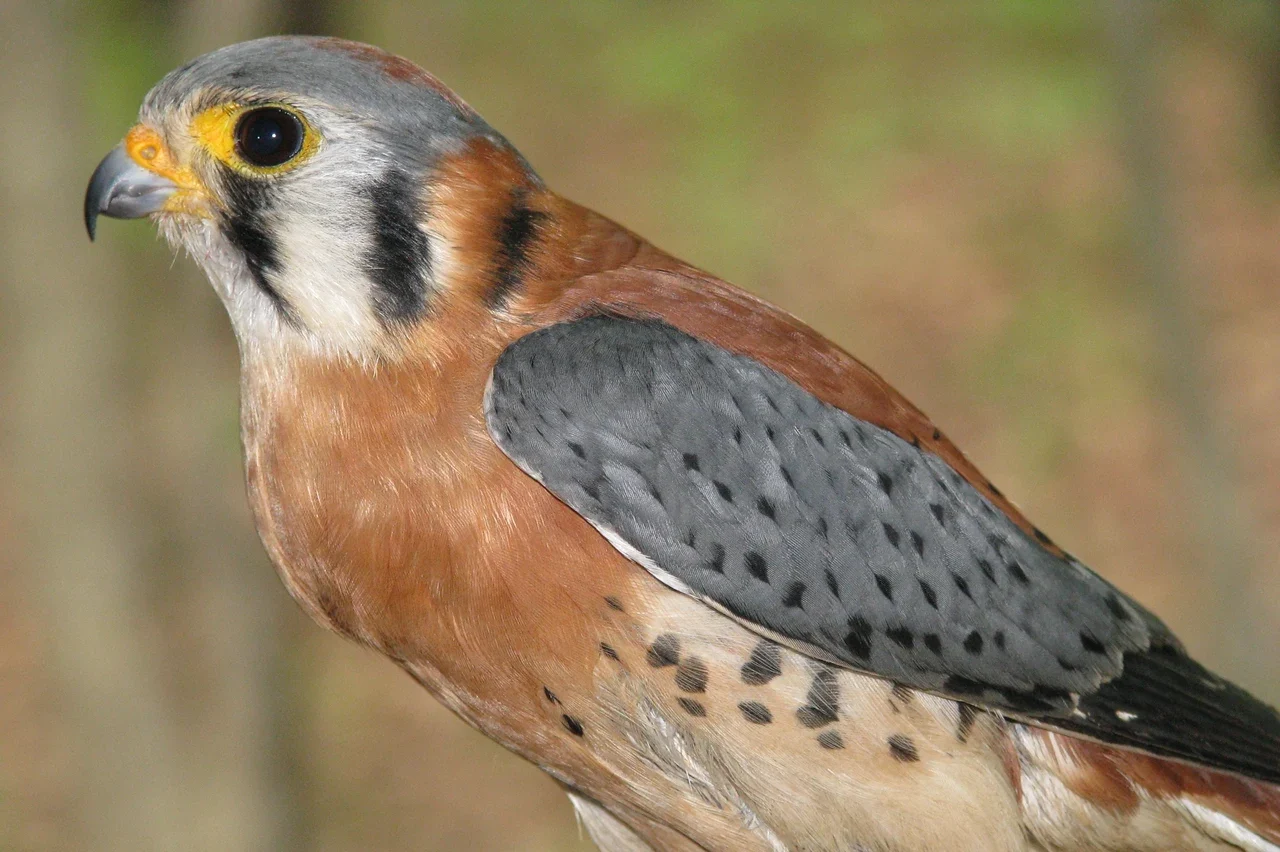
A second morning can be devoted to details missed on the first walk: reflections, insects and the relationship between water and tree roots. The NPS archive photographs here show a kestrel, spider, snake, dragonfly and creek landscape. They illustrate documented subjects rather than promise that you will find the same animals during your visit. Do not handle or feed wildlife to improve a photograph. A canoe outing requires its own equipment arrangements, water-level checks, route decision and return plan. The park's planning guidance warns about rapid flooding and unreliable mobile reception. A calm-looking archive creek photograph cannot establish that the waterway is open or appropriate for your experience today.
A downtown hotel base
Hampton Inn Columbia-Downtown Historic District is at 822 Gervais Street. The property's own page lists check-in at 3 pm and checkout at 11 am, with free hot breakfast and WiFi. Parking is an additional cost: the published rate is 18 US dollars per day, and the lot entrance is on Lincoln Street. An airport shuttle is not available. Check the room rate with your actual dates rather than treating an advertised starting price as a quotation. Confirm breakfast timing before an early park departure. If you need an accessible room, a pet stay or flexible cancellation, verify those conditions on your specific booking; the general hotel description does not replace its reservation terms.
Dinner and the correct parking lot
Cola's is at 1215 Assembly Street. The restaurant's published menu lists Shrimp and Grits at 26 US dollars, with fried leeks and a creamy tasso ham gravy. The ham makes this unsuitable for someone avoiding pork, even though the main ingredient is shrimp. Confirm ingredients, current price and availability before ordering. Its dinner schedule is Tuesday through Thursday 5–9 pm, Friday and Saturday 5–9:30 pm, with Sunday and Monday closed. The contact page advertises free parking on the restaurant's own site but specifically excludes the large mural-side lot at Gervais and Assembly, which is a separate paid lot. Read signs rather than assuming every nearby space belongs to the restaurant.
Make the final itinerary resilient
Confirm open facilities and transport first, then choose the walking distance, and only afterward fix a dinner reservation around that plan. Carry water, snacks, suitable footwear and protection from rain or sun; insect repellent may be valuable in warmer conditions. Allow for wet surfaces to slow the group. If flood conditions require postponing the forest excursion, keeping the hotel and city meal independent makes rearrangement easier. Archive images are neither a water-level report nor an announcement of an activity taking place on your dates. Protect your return connection and rest time instead of adding another stop simply because it appears on a map. Two days with room to adapt can provide a better introduction than a rigid list.