
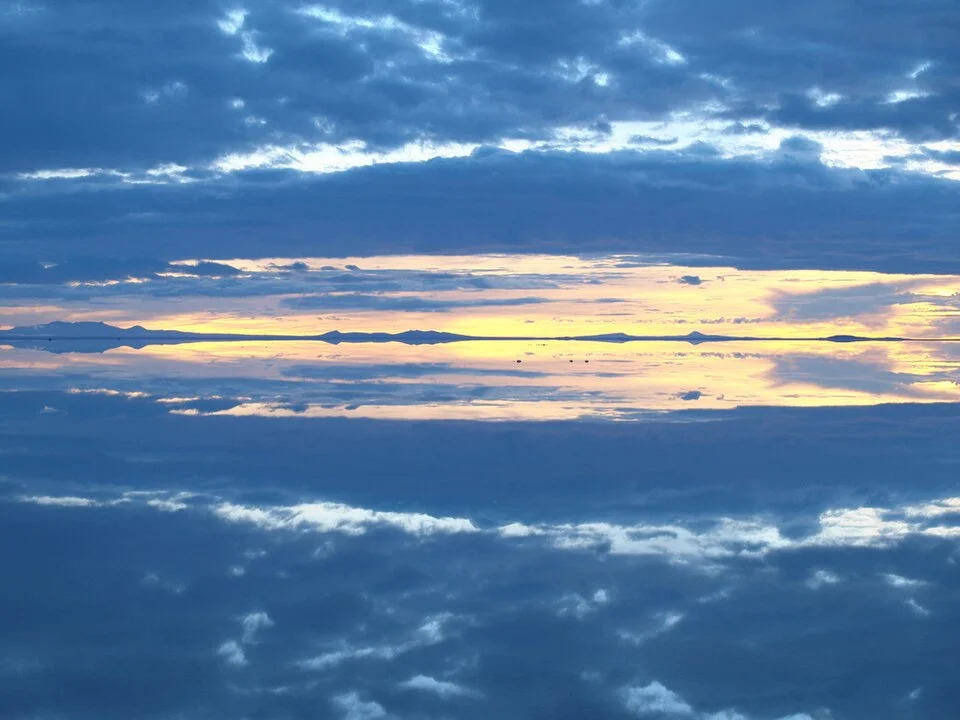
The first decision for Bolivia is not how to squeeze salt flats, a lake and green valleys into one week, but which of those journeys you can genuinely give time to. The Tatilmerkezi Stork hears the call of wide landscapes without presenting more kilometres as a better holiday. Urban and food time around La Paz paired with Titicaca forms one travel model; Uyuni and the southern lagoons form another. Santa Cruz and eastern regions are not automatic continuations of either. A country guide should help you choose between those needs rather than enumerate every stop in every city. These photographs record real scenes and the dates stated in their source captions; they do not establish current access or road conditions.
Read regional advice before drawing the route
At the 4 October 2026 source check, the FCDO advises against all but essential travel to Cochabamba Department's Chapare region, including Villa Tunari and highways 4 and 24 through that region. These areas are excluded from the example holiday framework. Elsewhere, protests and road blockades can occur at short notice; do not try to cross a blockade in a vehicle. A ticket being sold does not establish that the connection will work without disruption on the day. Review current official advice and local access again before travelling.
High-altitude areas also require personal health planning. FCDO advice identifies altitude-sickness risk in parts of Bolivia, including La Paz and Uyuni. This guide does not prescribe medication, treatment or a universal acclimatisation period; discuss the suitability of the journey with a health professional. Leaving the arrival day free of demanding walking or a long onward transfer makes the timetable clearer. Healthcare appropriate to your needs and insurance coverage are separate decisions to settle before a remote landscape section. The proposed dates are a travel framework rather than a promised health outcome.
A La Paz base: choose daily movements and meals together
Compare the historic-centre area and neighbourhoods such as Sopocachi around the daytime programme you actually intend to follow. This country guide does not declare one area best or safe for everyone. Morning appointments, the local vehicle's collection point and the return from dinner all affect the same accommodation decision. The quoted room price is not the whole trip budget; understand transfers, meals and luggage arrangements as well. Day one can be arrival and settling in, followed by one urban focus and a meal break on day two.
Experience a short city programme without turning it into a race to begin a wider country circuit. Choose between a cultural venue, a market-area pause or a local meal, checking current operation through the institution or service's own channel. Taking photographs does not require adding more slopes and more distant stops. Day three can also remain flexible around the city. This section cannot guarantee a particular health result; it simply reduces the pressure of reaching another connection. Giving the base a clear purpose makes it easier to judge whether a proposed activity really belongs in the available time.
Titicaca: give the lakeshore its own accommodation nights
The Titicaca image was taken on the Bolivian side from the Copacabana direction; it is not attributed to the Peruvian shore or another lake. If you add a lake section to a La Paz-based plan, give it its own nights and return arrangement. A lake view does not mean an Isla del Sol connection operates at the same time on every date or every visitor area opens. A possible island section requires confirmation of the boat operator, local permission, accommodation and return as one whole. An old photograph of calm water cannot determine today's boat decision.
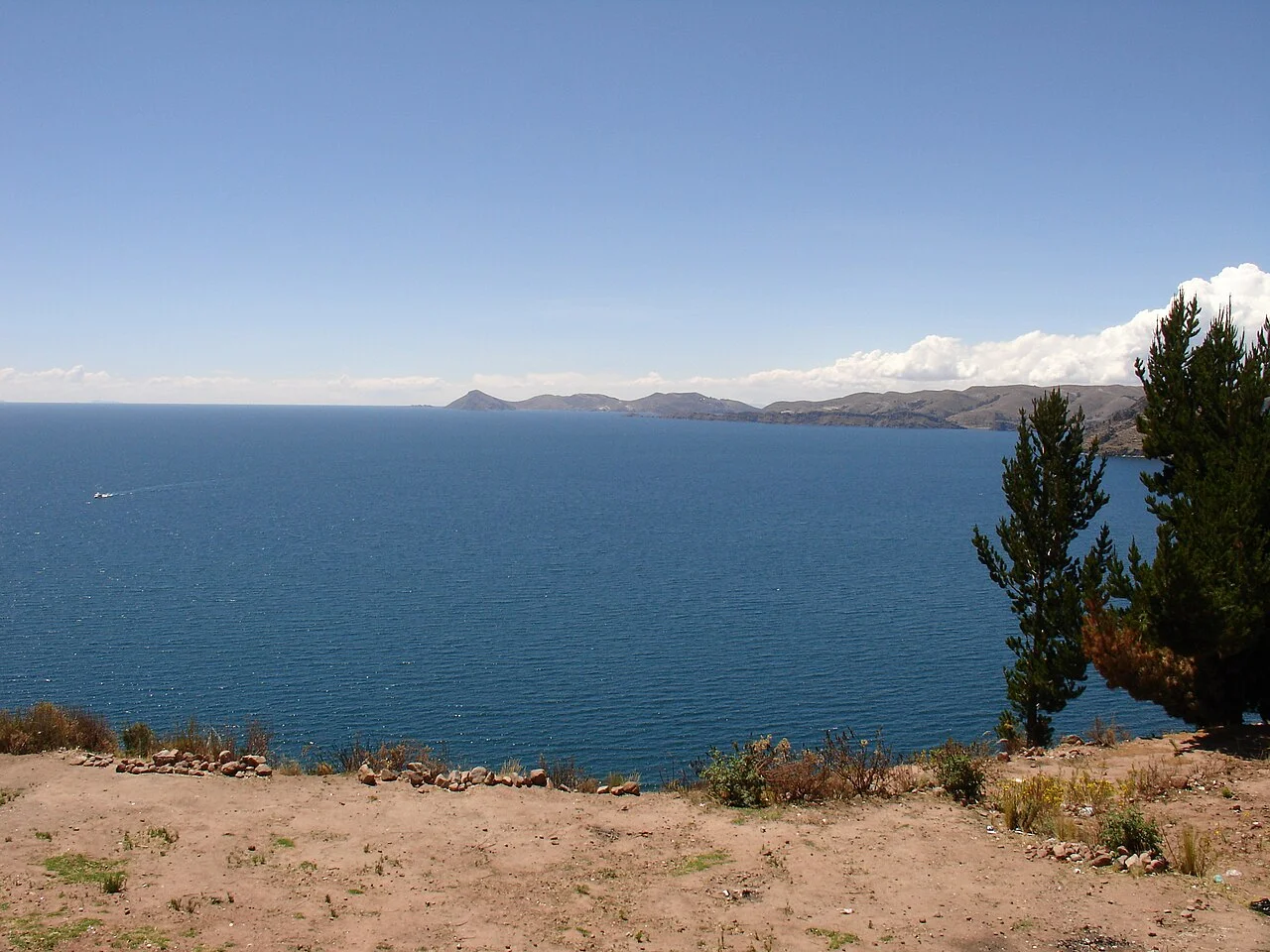

The eight-day example uses day one for arrival, days two and three for a La Paz-based programme, day four for reaching the lake area, day five for one confirmed accessible lake or shore focus, day six for returning to La Paz, day seven for a flexible local day and day eight for departure. Uyuni is not added to this programme. Knowing which accommodation could change if a day-four or day-six road connection is disrupted can reduce the need to rebuild the whole holiday at the last moment. Crossing a border would create a separate international section with another country's entry conditions, rather than an invisible extension of this framework.
Laguna Colorada: understand the scope of an Uyuni section
The reflection in the Uyuni cover photograph was recorded in 2008. It does not guarantee the same appearance in every month or on every tour. A short salt-flat programme and a multiday journey farther south to lagoons are different purchases. The Laguna Colorada source description places the photograph in October 2007, while its exact capture day is uncertain. The red lake is not presented as a walkable stop from Uyuni town. An offer should make clear where each night is spent, which regions are visited and where the journey finishes.
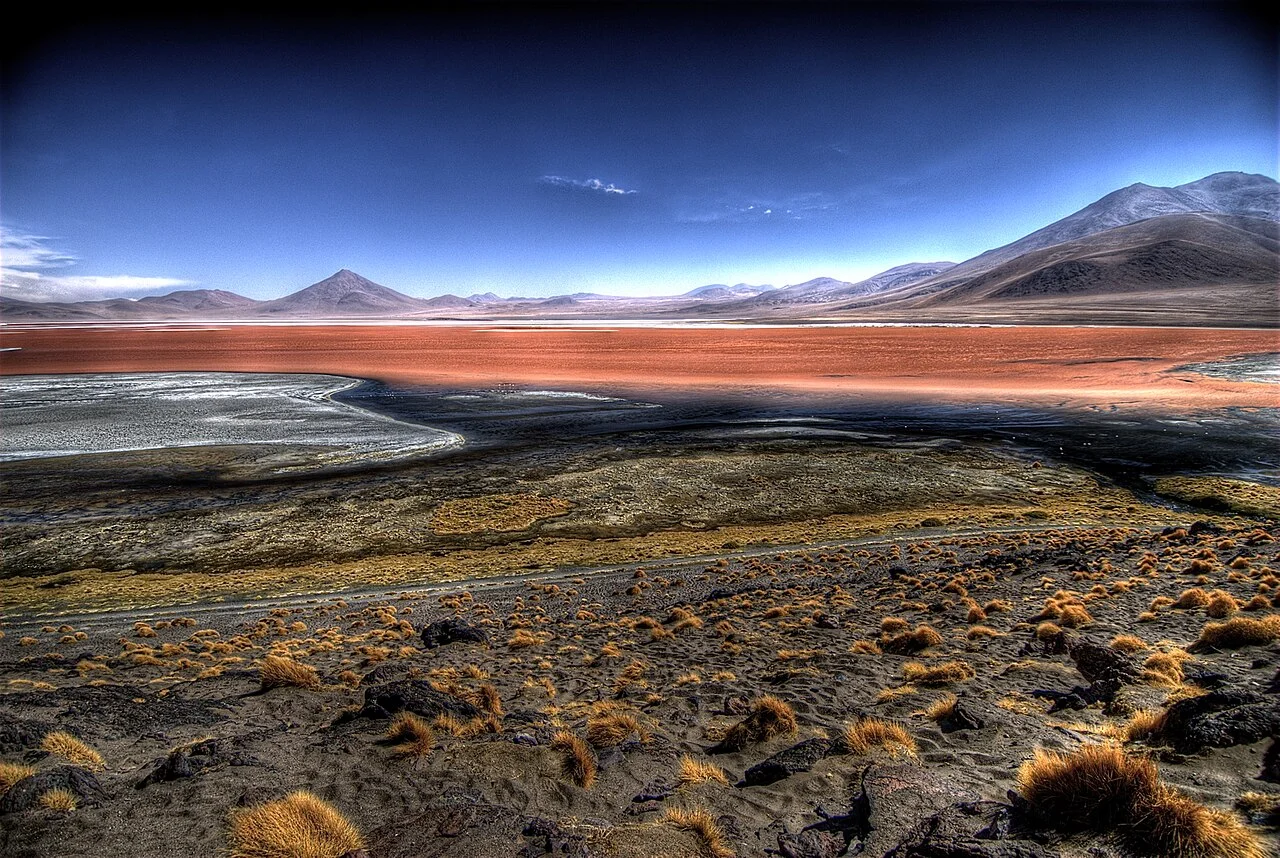

For a remote section, examine vehicle, local guiding, communication and accommodation conditions within the same product. You can ask about the operator's legal identity, route limits and the response to unexpected closure; a sales description is not evidence of a safe journey in every condition. If you want Titicaca and the southern lagoons in the same holiday, expand the available time before combining them. Choosing two impressive landscapes does not remove the movement between them. For a shorter trip, selecting one section can be more coherent than leaving both partially experienced. The geography needs to lead the itinerary rather than follow a wish list of images.
Laguna Verde: another water landscape, not an invitation to swim
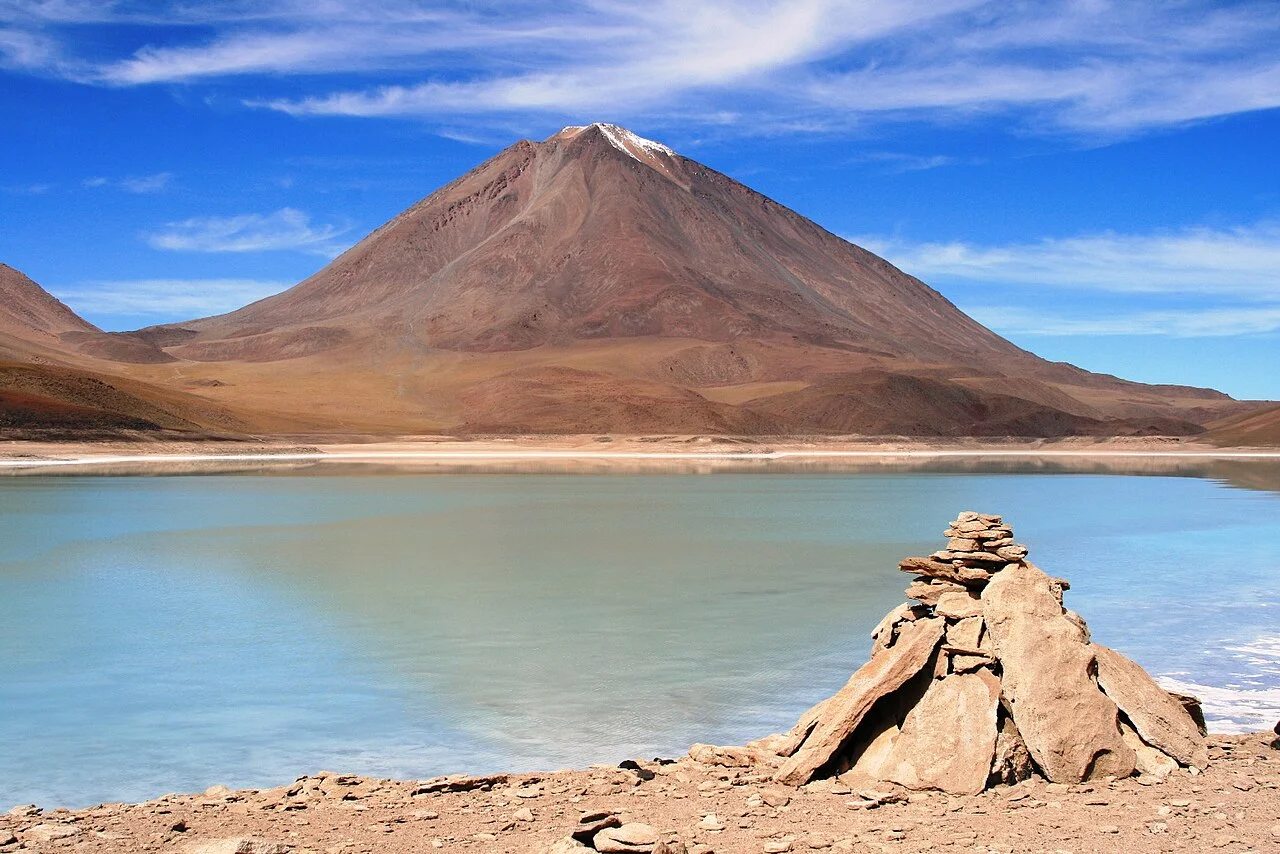
The 2008 photograph of Laguna Verde and Licancabur belongs to a natural landscape in southwestern Bolivia. It is not introduced as an urban lake or a swimming area. On a remote lagoon programme, respect regional boundaries and permitted stops; do not decide to leave a road or approach the water based on an older travel image. Route changes need to reflect local conditions. A product involving a crossing into Chile and one that begins and ends in Bolivia do not have identical documents or transport arrangements. Establish that distinction before comparing the landscapes each offer appears to include.

Cotapata and Yungas: the green valley is another travel model
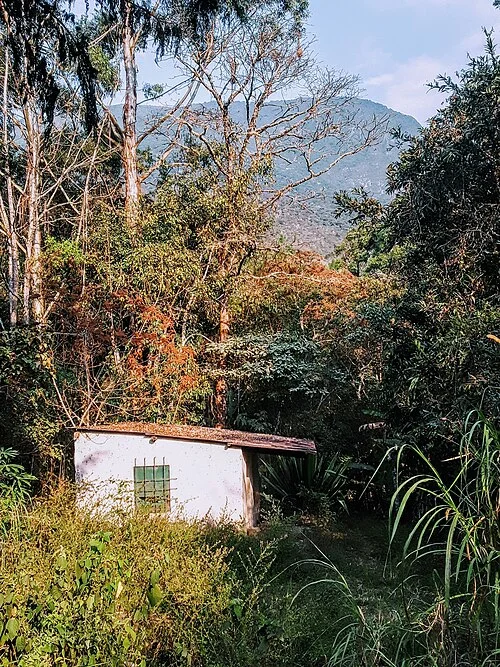
The Cotapata photograph shows a small structure among green slopes. It is not evidence of an operating visitor facility or a currently usable park trail. The scene explains a face of the country different from its salt flats. Someone interested in a Yungas section should consider a separate programme with confirmed access and suitable local professional support. This guide does not convert a valley photograph into advice to cycle a dangerous road or undertake a mountain activity. Instead of appending another long journey to the La Paz–Titicaca example, identify which day it would replace. If turning toward eastern regions, review the Chapare warning specifically against the intended route.

Salteña and tables that change with the region
La Paz's municipal tourism source introduces salteña as a baked empanada with a juicy filling, while sándwich de chola uses slices of pork and sauces. One urban meal can focus on comparing those choices. Santa Cruz's official sources identify majadito among that region's dishes; it should not be presented as a compulsory item on every La Paz menu. Local food means attending to the region where you eat rather than attempting to explain the entire country through one plate.
A small salteña pause on day two, a local main dish on day three and a different sandwich or meal after the lake return can fit within the proposed framework. These are not claims about a particular restaurant, fee or daily availability. Put the meal in a region you are already visiting instead of adding a distant country section only for one dish. The Stork's Bolivian invitation is to turn curiosity sparked by a salt-flat image into a measured choice between lake, city and table, leaving each selected part enough time to matter.