

Rabat: from an adornment object to the modern capital
The Tatilmerkezi Stork follows two scales in Rabat: a small adornment object in the Oudayas collection, then the relationship between broad streets, tram movement and an art institution in a modern capital. This guide concerns Rabat, Morocco's capital, not the Maltese town beside Mdina with the same name. Allow two full days: use the first for the kasbah museum and a compact street section, then the second for the Mohammed VI art museum and central-city movement. A three-night outline leaves the arrival evening for settling in; after a very late arrival, do not force an early museum commitment the next morning.
This is not a country itinerary for all Morocco. Additional visits to Salé or Chellah should be evaluated separately from the time required by the two main days. With only one day, choosing between adornment collections and modern art may be more rewarding than rushing through both and remembering neither. Select a modest daily question: why does an object's material matter, how does a picture interpret a city, or how do people move between different street fabrics within the same capital?
Oudayas Museum: the material and meaning of adornment
The National Adornment Museum is inside the kasbah. FNM describes the institution, reopened after renovation on 9 January 2023, through five independent collection sections interpreting Moroccan adornment with different objects and techniques. Start with one material and look for another example of its use. How an object was worn or used can produce a different story from simply admiring colour and shine. Distinguish interpretation of a protective meaning from any claim that the object has an actual medical effect.
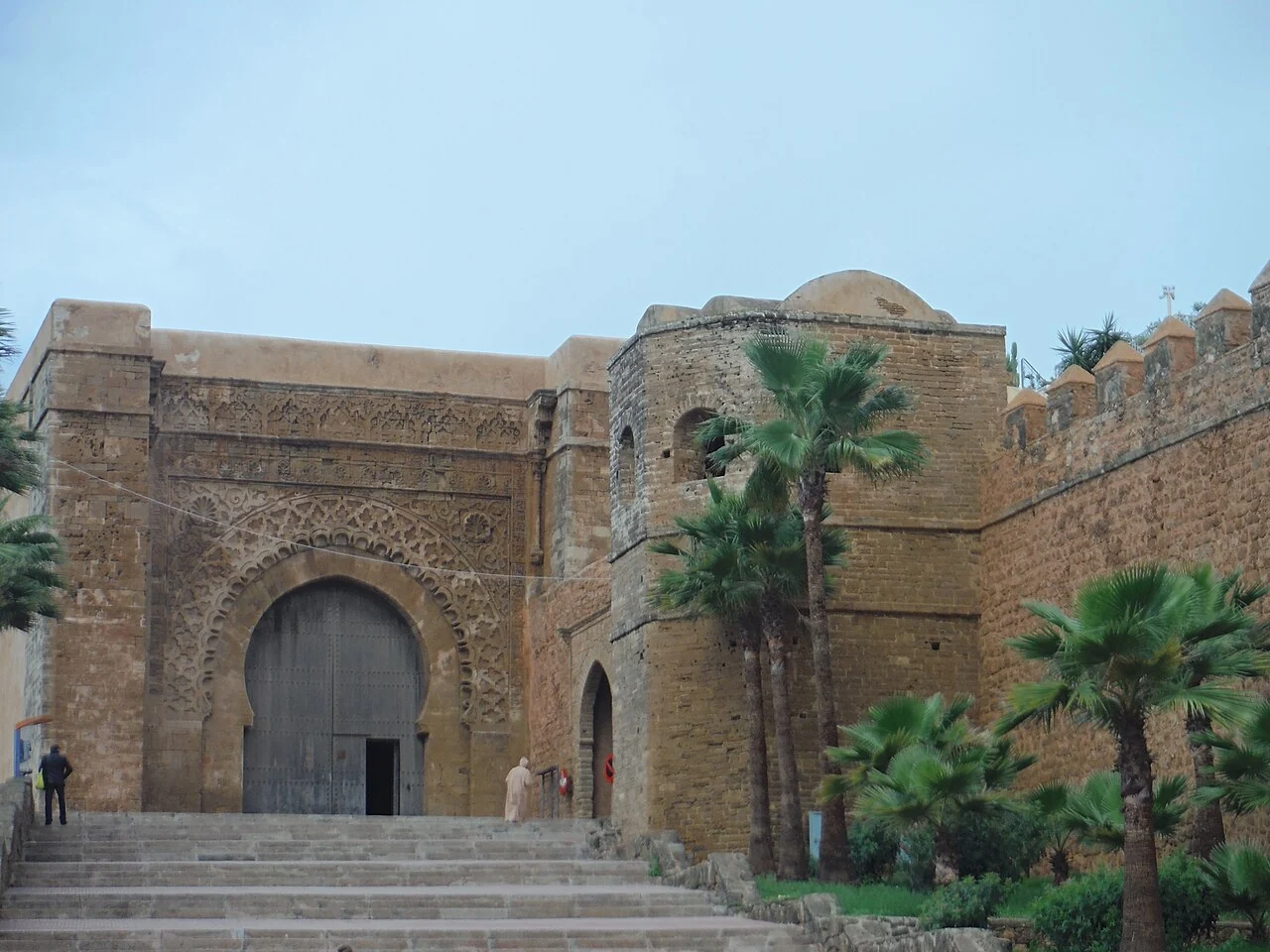

The museum entrance, the kasbah's large gate and the street section are separate stops; an old gate photograph does not identify the current museum entrance. At the 4 October 2026 check, FNM lists Tuesday closure. Ask the institution about accessible sections, last entry and mobility assistance for your visiting day. Giving one or two objects proper attention before taking a rest is a useful start. Permission to photograph an exhibition is not equivalent to permission to publish modern design or artwork images elsewhere; establish the rules for personal photography separately.
Mohammed VI: connect an exhibition question with a city day
FNM gives the Mohammed VI Museum of Modern and Contemporary Art address as 2 Avenue Moulay Hassan. On day two, do not force the previous day's jewellery objects into the same category as paintings or sculpture. A question about an artist's material, form or depiction of urban life enriches the comparison. Famous artists mentioned in the institution's past exhibition history do not guarantee their works will be present today. Review the programme and available galleries for your actual travel date; if a particular temporary exhibition matters, match the dates first.
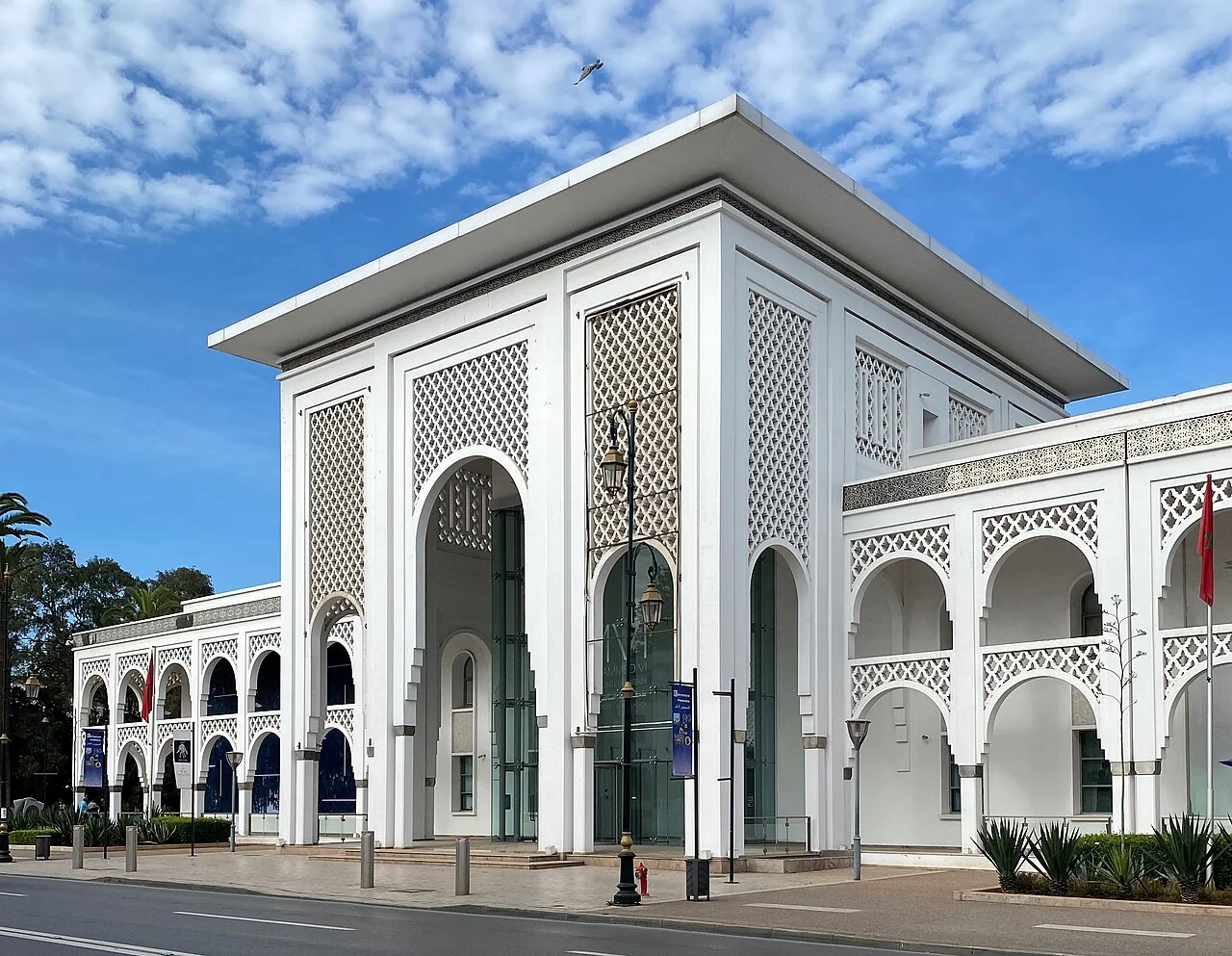

FNM's current visitor information also lists Tuesday closure for this museum. Distribute the two institutions across appropriate days rather than scheduling both on the shared closed day. Concentrating on one section can make room for an observation game with children or companions who have different interests: look for the same colour, movement or urban trace in two works. Afterwards, leave time for a short central street section and a seated meal. The purpose is to relate a few selected works to surrounding capital-city life, not to finish the collection.
Kasbah, medina and Hassan: three areas are not one entrance
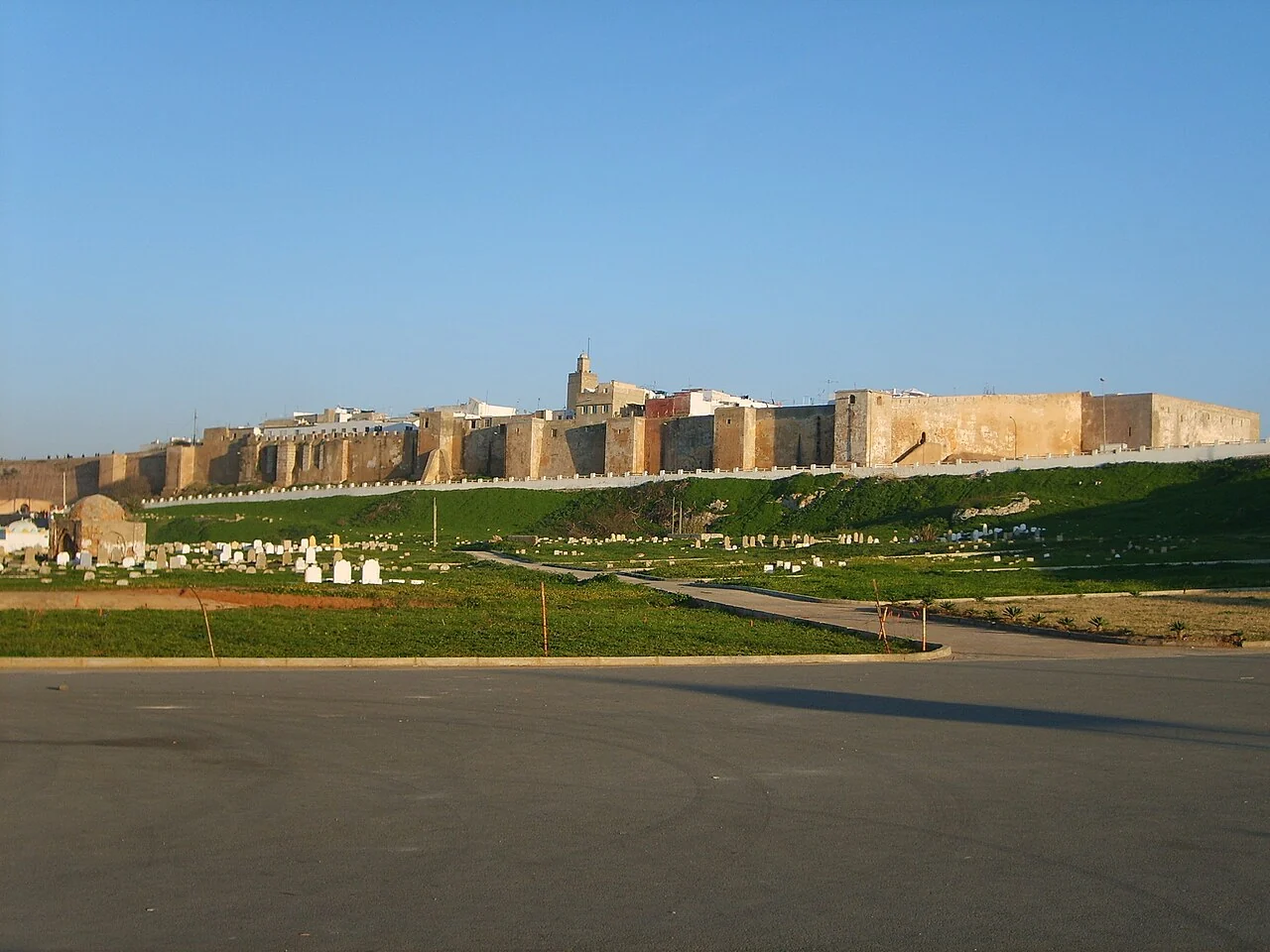
Do not expect the narrow Oudayas streets and the medina's shopping passages to have identical circulation. Choose a compact section, save the doorway used to return to your room and allow a seated pause. Rabat's official tourism interpretation highlights fabric, leather and Rbati carpet traditions. When a product interests you, ask about material and place of production; do not enter a shop's workshop or a home without invitation. Observing daily urban life does not require visiting every workshop.

Treat the Hassan Tower surroundings as a separate short architectural observation. Rules for an esplanade, monument and religious building can differ; establish current access and dress expectations locally. If the day is already full with museum time, leave this section for another day. Official Morocco safety advice warns about theft in medinas and bogus guides; choose an authorised guide, avoid demonstrations and stay away from isolated places at night. A river or shore view is not evidence of safe swimming or an operating boat-tour programme.
Ghriba and mint tea: a seated pause
A small pastry pause with mint tea can connect the kasbah and central-city day. The Moroccan National Tourist Office associates Rabat with tea and Moroccan cookies; its national gastronomy record names Ghriba and gazelle horns. Do not present these as sweets exclusive to Rabat. When available, ask the business about Ghriba ingredients and how it differs from another cookie; explain almond, dairy, egg or gluten requirements before ordering. Do not assume a particular variety is stocked or every recipe is identical.
A small tasting plate need not replace a full meal. Use the actual menu for a seated lunch after the first museum, then a lighter pause after the art visit on day two. If national couscous or tagine examples are offered, ask about preparation and portion; festival or special-occasion dishes are not continuously available. Establishing the total, specifying tea sweetness and deciding the return route before eating are small but useful steps. Even when a view is attractive, do not choose a table solely as a photographic point; the group's need to rest matters.
Plan the tram, station and room doorway together
Open the current network plan on the official Rabat–Salé tram operator site. Rather than treating a museum name as a stop name, compare its actual entrance address with the walking connection from a suitable stop. Plan the outward and return journeys with the timing of the final section in mind, especially after dark. Fares or connections on an old network map may no longer apply; use operator notices for tickets, validation and service changes. For an intercity arrival, distinguish Rabat-Ville, another station and a CTM point using your actual ticket.


For medina accommodation, ask about walking after leaving the vehicle, stairs and late entry; for a central room, compare its actual location with the tram and dinner return. There is no requirement to turn the gap between the museums into one long walk. Use day one for Oudayas objects, a brief kasbah section and a meal; day two combines the Mohammed VI collection, a central street and an appropriate transport connection. Add Hassan only when time and access suit. Sources were checked on 4 October 2026; reconfirm transport, admission and exhibition arrangements before travel. Flexibility in this compact capital plan is more useful than adding more stops.