
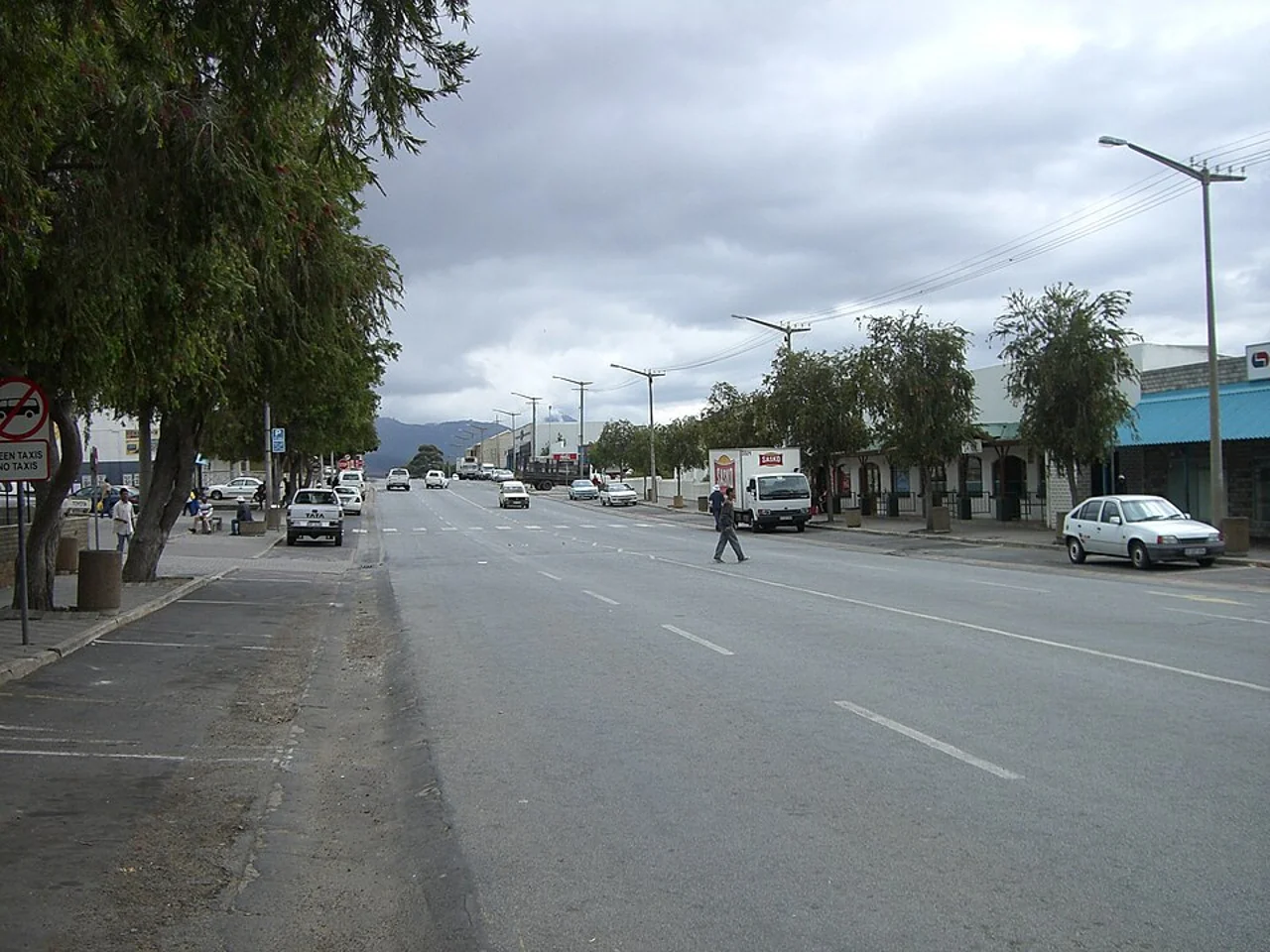
Piketberg: separate a home from community memory
The Tatilmerkezi Stork plans a Piketberg break that connects the town with its agricultural surroundings without treating them as the same visit. Piketberg Museum's domestic arrangement, Edwardian architectural influence and household-object focus prompt different questions from its interpretation of the synagogue and Jewish community. This guide serves visitors interested in reading town history at the scale of home and community rather than merely looking for vineyard scenery. A chair's use and a congregation's public presence provide different kinds of information. Comparing the collection's explanations with selected historic exteriors gives a short town day an identifiable purpose.
One night across two calendar days may offer an introduction if arrival fits the institutional window; it does not guarantee a complete museum day. For a slower plan, use two nights and three calendar days: settle in, devote the middle day to the museum and selected exteriors, then depart. Collecting the current walking map from local tourism can be easier than moving randomly between buildings. Fit the collection visit to a weekday window. If the synagogue is being used for an event, access to the relevant interpretation may require a separate confirmation.
The museum house: follow the use of an object
The institution describes the house arrangement as representing an early-1900s home and associates much of the furniture with the 1920s. Those are different dates: distinguish the building's architectural influence, the period interpreted by the arrangement and an individual object's age. If a kitchen or domestic section is accessible, consider what an object did, who used it and how the function differs from a present habit. Rather than producing a list of old things, ask what organisation made everyday life in the home possible. Do not invent ownership or a family history where the explanation does not provide one.


Families can consider movement within a room: how might food have been prepared, and where were sitting and work separated? Frame that as a question supported by the displayed objects rather than claiming everyone lived identically. Adults might note how materials and social circumstances affected use and care. Ask staff about touching, sketching and photography. Where a room has many details, choose a functional connection between a tool and a piece of furniture instead of automatically selecting the grandest item. This creates an actual question to carry into the exterior town reading.
The synagogue focus and a selected exterior walk
The museum explicitly identifies synagogue history and Jewish community history as collection themes. That changes the scale from material domestic life to shared and faith-related presence. If a document or explanation names a person, institution or place, preserve its context rather than speaking on behalf of an entire community. Remember that the synagogue is also an event space. The institution's 2026 blood-donation notices give a concrete example of that use; confirm the visit instead of concluding that all collection areas remain available on an event day. A functioning building and a historical display have related but distinct access conditions.

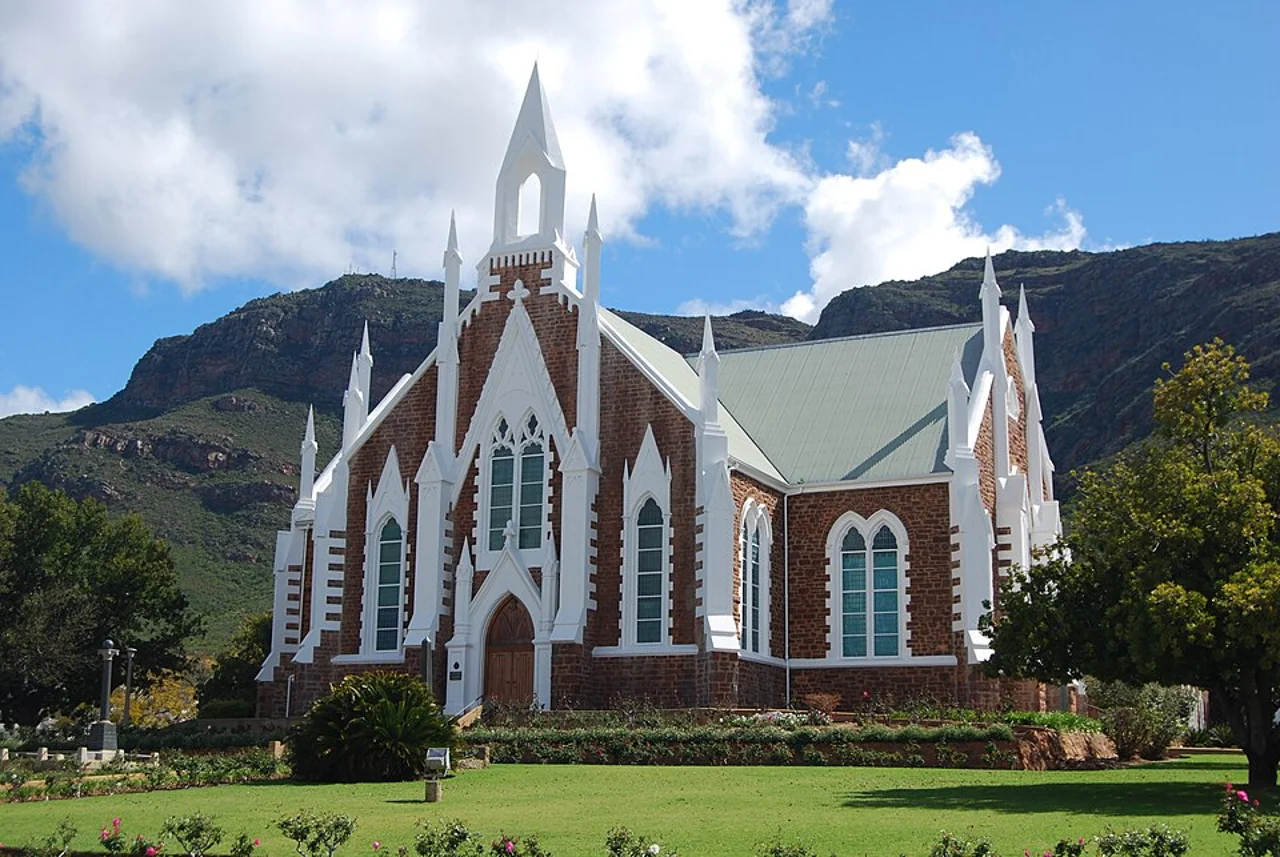
Local tourism's self-guided historical route identifies the Neo-Gothic Dutch Reformed Church, Commercial Hotel, former police and sheriff buildings and a bioscope among the exteriors. Do not treat all of them as public institutional interiors. Select two different functions from the map, such as a religious building and a former public-service building. Windows, entrances and relationships to the street can become your own interpretation questions. Do not enter working businesses or private property without permission. The Dutch Reformed Church photograph supports exterior context; it does not depict the synagogue interior. A short selection can be clearer than attempting every historical building in one day.
A Winkelshoek start: roosterkoek and coffee
The official local route starts at the tourism office in the Winkelshoek Complex near the N7. It identifies collection of a historical-route map and a traditional roosterkoek with coffee as a way to begin. If available on the day, that bread supplies a more concrete meal idea than a generic instruction to have breakfast. Ask about fillings and accompaniments locally: one source does not establish identical preparation at every stall. It is not presented as a food exclusive to Piketberg. It is a regional product linked to a real route account and a practical starting point.
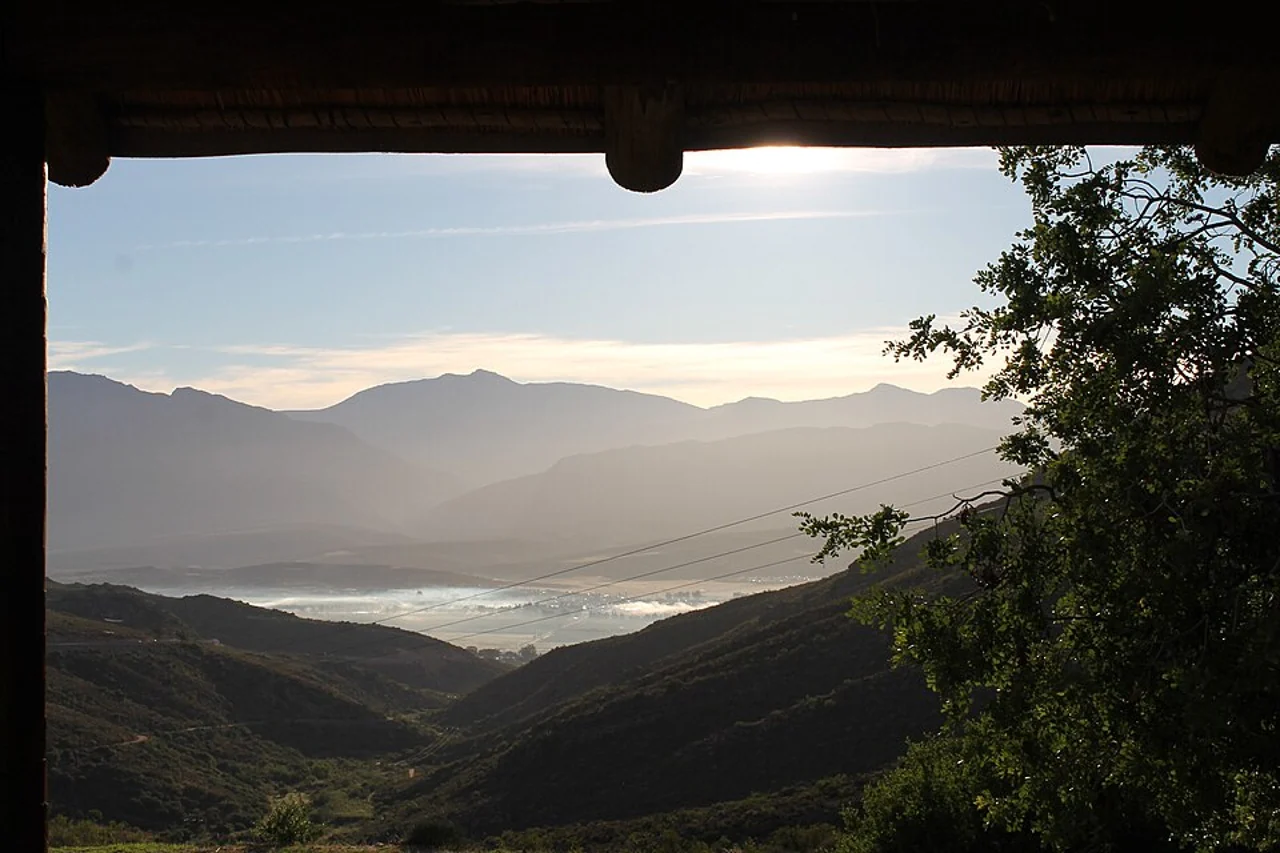

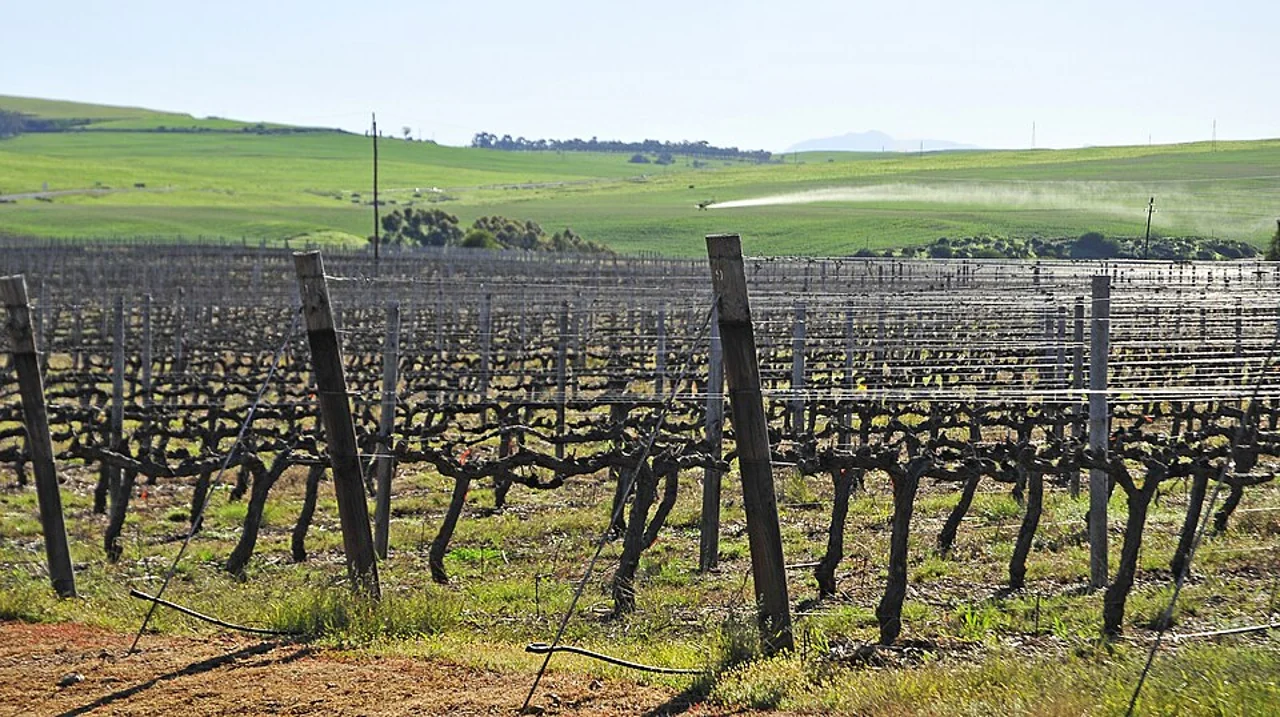
Resolving the map and a meal at the start may help preserve the confirmed museum window. Discuss allergens in bread or fillings explicitly; a photograph cannot verify serving temperature or kitchen hours. Check the office and food service for the chosen date rather than turning an older recommendation into guaranteed stock. On a complete town day, place a second substantial meal after the collection and allow water and rest during the exterior selection. Vineyard and morning-valley images in this guide do not depict a bread plate or a current sales counter. The meal and the scenery have separate evidence.
A central room or a Piket-Bo-Berg setting?
For a collection visit and short exterior selection, a central room may simplify a rest in the middle of the day. Evaluate the real advantage through entrances, crossings and the evening return. Ask about steps, parking, luggage storage and late arrival before booking. Staying in Piket-Bo-Berg or another outlying setting can combine a wider landscape with extra work reaching town. A valley photograph does not guarantee the view from a particular room. The requirements of a central cultural day and an agricultural-surroundings day are different, even when both fit within a longer regional journey.

From Cape Town or another West Coast stop, compare a vehicle, arranged transfer or service verified for the actual date. No fixed public-transport departure or continuously available app car is assumed. Proximity to the N7 and pedestrian convenience at the museum doorway are not identical; ask about the actual road arrangement. An agricultural photograph supplies no permission to enter a farm. If adding a regional event or market, confirm programme, weather and access separately without disrupting the institutional day. Avoid spending most of the short visit repeatedly changing vehicles for widely separated interests.
Balance the collection with a building still in use
The museum page observed on 5 October 2026 publishes weekday visiting windows, while current events remind visitors that the site is more than a fixed display. Discuss which domestic and synagogue focuses are accessible on the chosen date. For a short family visit, comparing the use of one household object with the meaning of one community document can be a sufficient goal. Where an explanation is incomplete, ask rather than filling the gap with your own factual story. Contacting the institution in advance about a programme, group guide or access need can improve the visit's pace.
The Stork's final question fits this town's scale: does the object used at home or the community's shared building tell more about a place? They offer different information and neither needs to replace the other. The public function of your selected historic exteriors can add a third view. If time becomes short, prioritise the confirmed collection focus rather than claiming to have visited every building on the map. A genuine roosterkoek option, correctly counted nights and respect for buildings still in use can make a small stop more useful than a hurried scenery checklist.