
Two days in Safi: ceramics and the coast
The Tatilmerkezi Stork suggests a small two-day learning plan rather than a shopping checklist. Spend the first day relating a vessel's shape to its use in the museum, then consider the pottery quarter and coastal architecture as different stops on day two. Keep the arrival evening for settling in and leave after two full days. The city becomes a stay in its own right rather than a brief pause during a long Moroccan journey. This guide does not repeat Marrakech's tanjia meal or a country-wide circuit: it addresses readers who want to understand one material in several urban contexts.
Choose the museum day before arranging the rest. If Tuesday falls in the stay, exchange the museum and pottery walks instead of treating a closed institution as visited. With one night, select a principal stop and a proper meal. Companions may not share an interest in buying objects; identifying one common museum detail and meeting for lunch can be more comfortable than keeping everyone at the same stalls. Give the departure transfer its own time outside the sightseeing programme.
Cité des Arts: use the current museum address
The FNM institutional record checked on 5 October 2026 gives the National Ceramics Museum's address as Avenue Al Medina El Mounawara, Cité des Arts. It also lists Tuesday closure. Do not mistake a historic building in an older description or photograph for the present museum address; use the institution's actual location for transport. The record introduces archaeological and ethnographic ceramics together. Read an object's label before comparing function and shape. Establish current admission arrangements, available rooms and last entry with the institution before travelling rather than copying an invented ticket price.

A small comparison can help: look at the mouth, base and surface of two vessels serving similar purposes. Different colours do not automatically imply different techniques, and an unlabelled assumption should not become a factual claim. Everyday use and museum display raise separate questions. Where prolonged standing is uncomfortable, choose a shorter collection section and ask staff about rest options. This guide does not treat contemporary artworks as freely reproducible merely because they are on display. Establish photography and sharing rules separately; urban-context images here are not photographs of the museum collection.
Bab Chaaba and the pottery surroundings
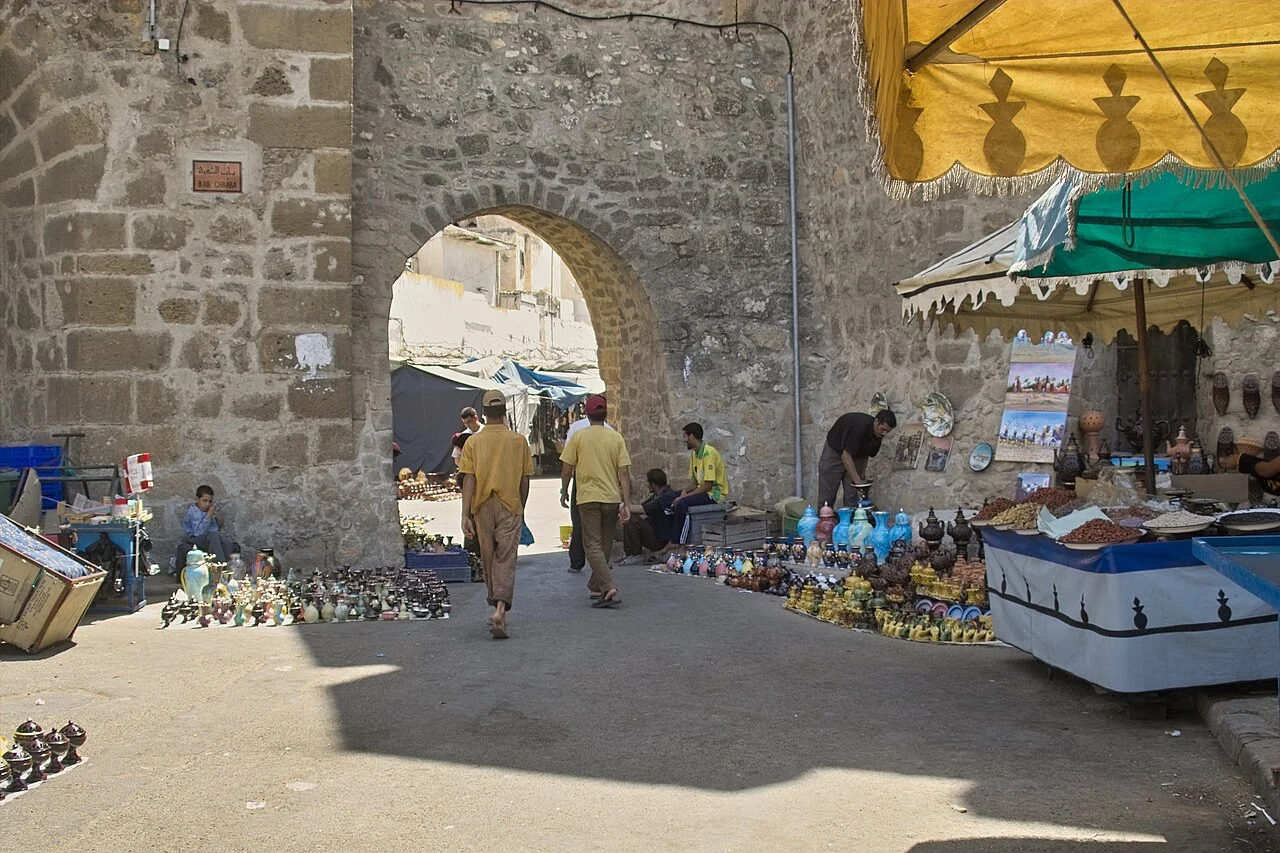
The national tourism office presents Safi's potters and their practical vessels and ceramic products. Give the second morning to understanding how the material fits working life instead of racing through shops. Save Bab Chaaba as a possible beginning or return point on your map. The market image was photographed in June 2006; no claim is made that the same seller occupies the same position today or that every stall is open. Leave room at entrances and shopfronts for people moving goods or continuing their work.

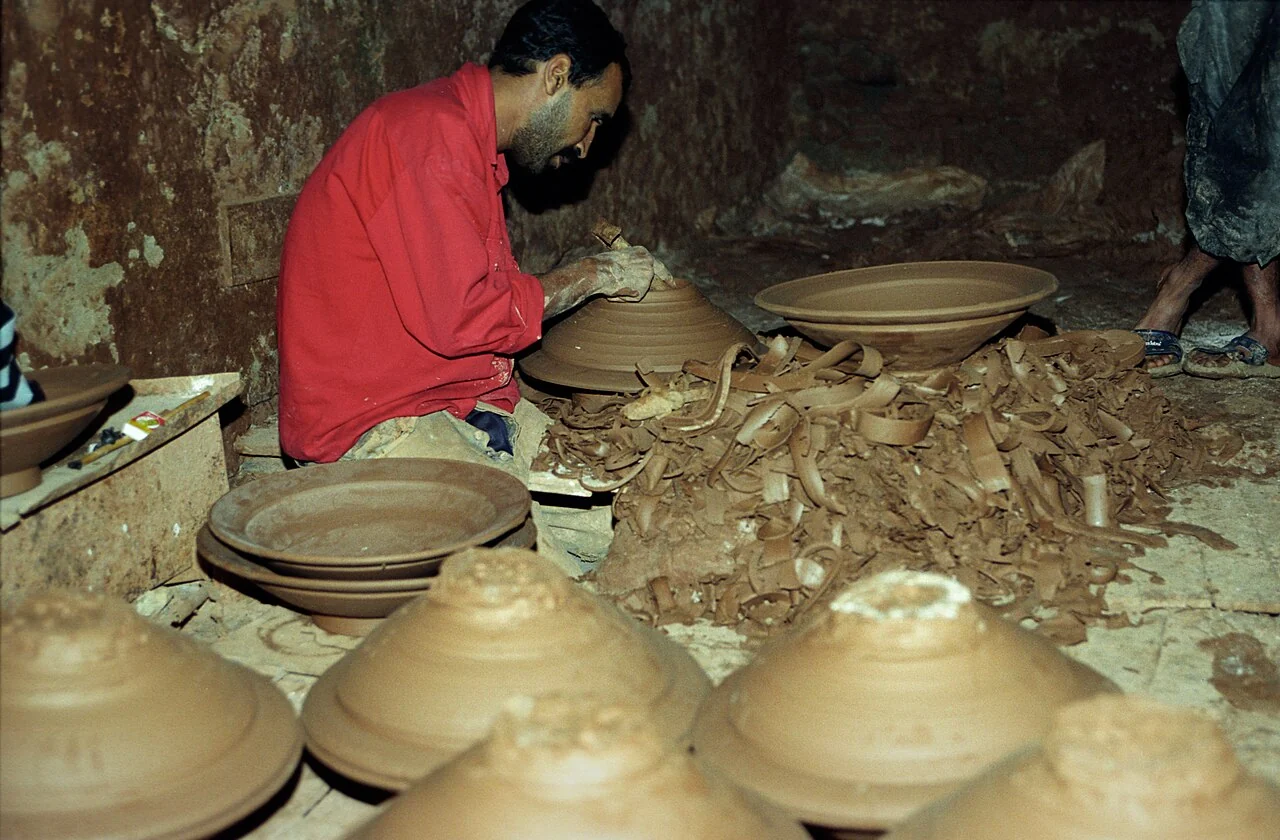
A tourism description of pottery does not automatically create a walk-in workshop demonstration. Ask permission before entering or photographing closely and do not expect someone to adjust production to your visit. A traditional utilitarian vessel and a contemporary individual artwork require different rights assessments. If buying an object, ask about intended use, glaze, cleaning and packaging. A large attractive item is not necessarily convenient for luggage. Finish the section with water and a seated pause instead of immediately adding more shops.
Medina and the exterior of Kasr al-Bahr
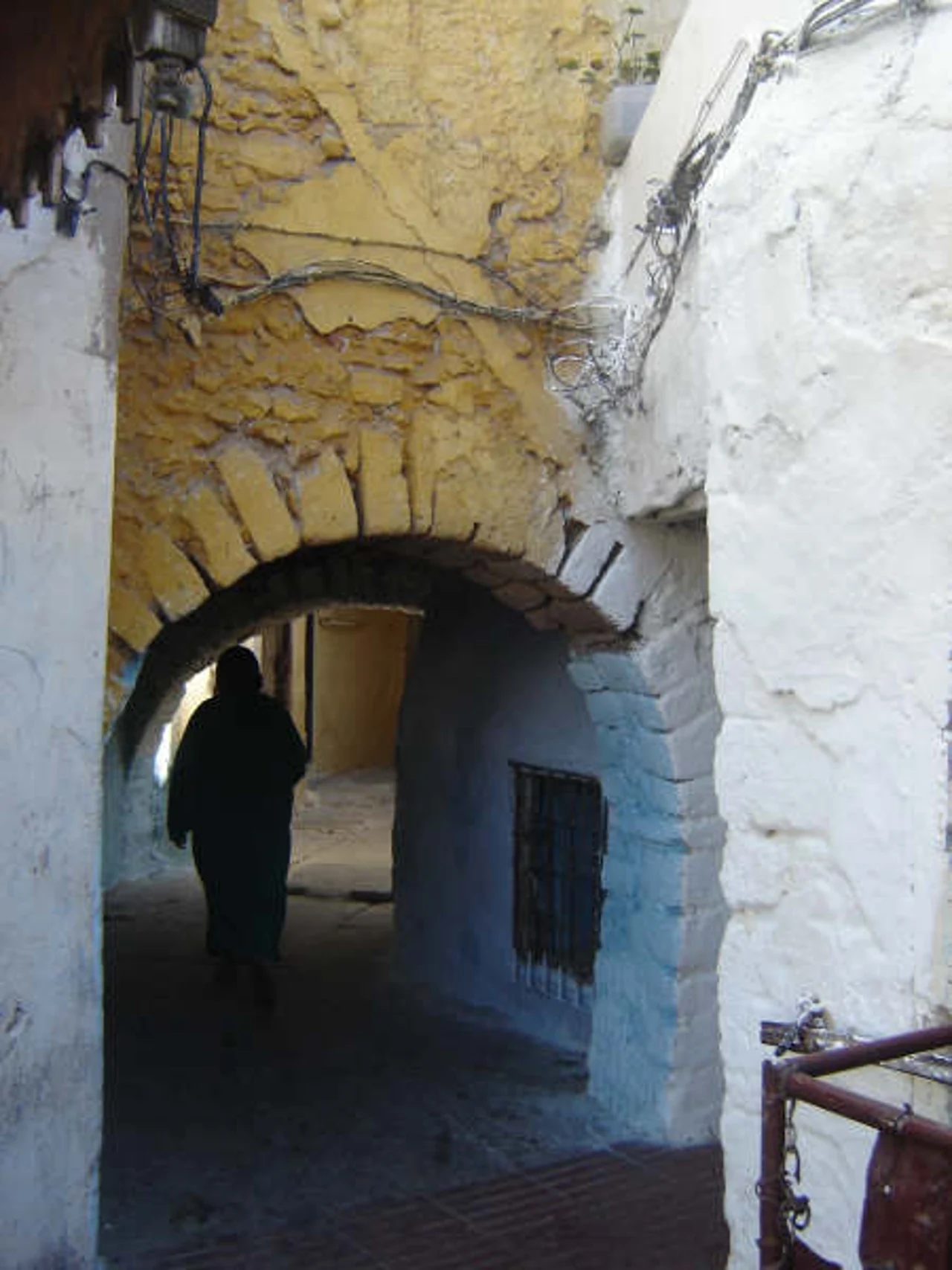
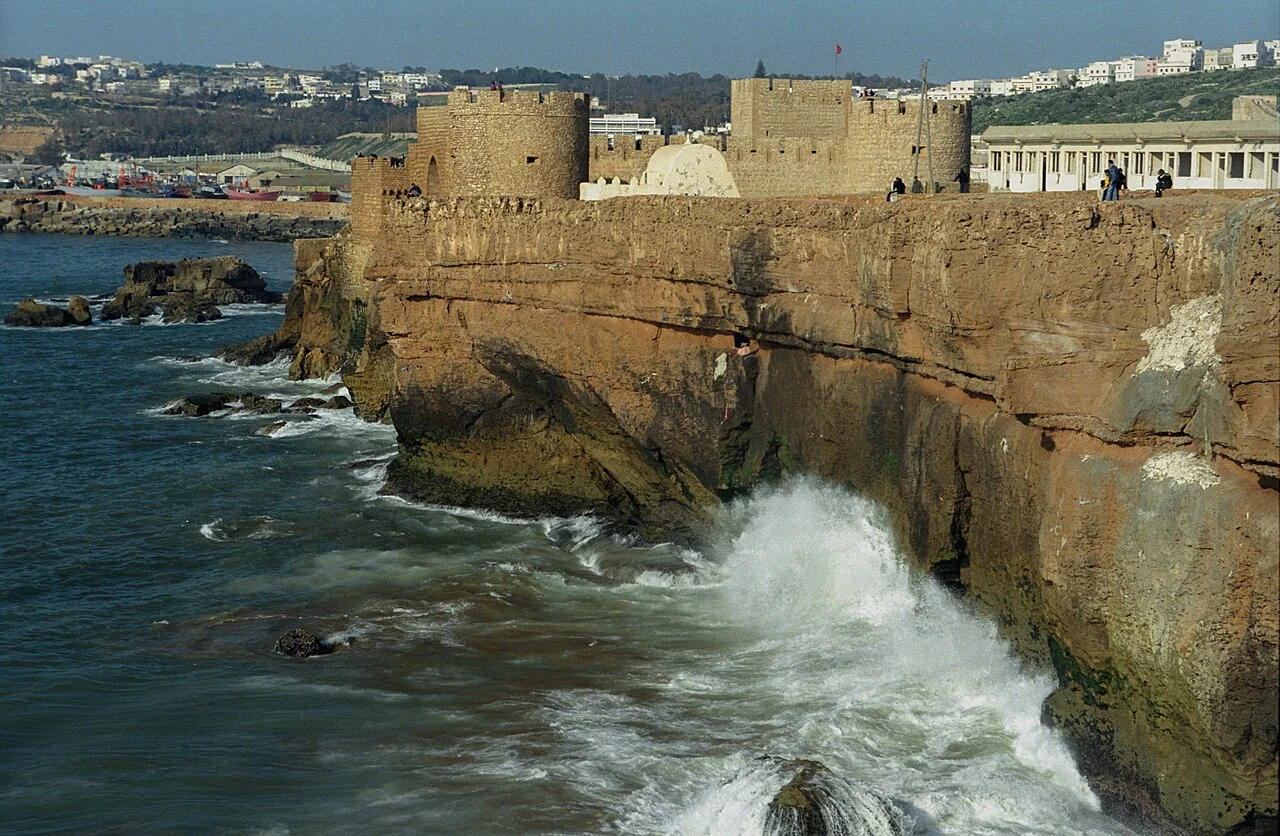
After the pottery surroundings, select a short return circuit through the medina. A narrow lane, gateway and coastal frontage show different urban scales. The national tourism office presents Kasr al-Bahr in Safi's historic architectural context; this guide considers its exterior. It does not guarantee present interior access or an open section. The sea-castle photograph shows an older exterior. Since the source does not supply its capture date, the first upload date is not represented as the day it was photographed. Use a safe public viewpoint and keep away from restricted coastal sections.

Give the medina walk a beginning and known return. A familiar gateway can be more comfortable when tired than adding unfamiliar lanes. A historic structure, private home or place of worship does not make every doorway open to visitors. Ask permission before including people in photographs and give those carrying loads room to pass. You are not obliged to accept a purchase offer. Distinguish wave-reached coastal edges from a firm public walking area. With children or companions who need less walking, arrange the return before starting this section.
A sardine meal and a ceramic purchase
ONMT's national brochure associates the Safi–Oualidia coastal section with sardine meals. If available on the menu, consider one as a seated lunch after the museum. The scope is regional; it does not assert that every business in Safi serves the product today. Ask about preparation, portion and accompaniments. Choose an alternative if fish does not suit your diet. A region's recognised product is not a compulsory tasting task. Different meals over two days also make it easier to distinguish a main meal from a tea pause.

Before buying a vessel on the pottery day, decide its purpose. A serving dish may not have the same heat-use properties as an item intended for an oven or hob. Request actual use instructions and protective packaging. Choosing a fragile purchase once the return plan is clear may be easier than carrying it from the start of the journey. The photographs depict work and city settings, not a particular restaurant's meal or a workshop offered today. Combine primary-source information about local products with the establishment's real menu and practical advice.
A coast break, a room and urban movement
The museum and medina occupy different positions, so compare their real locations when selecting a room. Accommodation near Cité des Arts may shorten the first day's vehicle journey, while the centre or medina offers different advantages for the second walk. Ask about the actual building's steps, noise, luggage entrance and late vehicle approach. One coastal photograph proves neither a room's present view nor its transport arrangements. On a short stay, compare a more distant property's facilities with the transfers it requires every day.
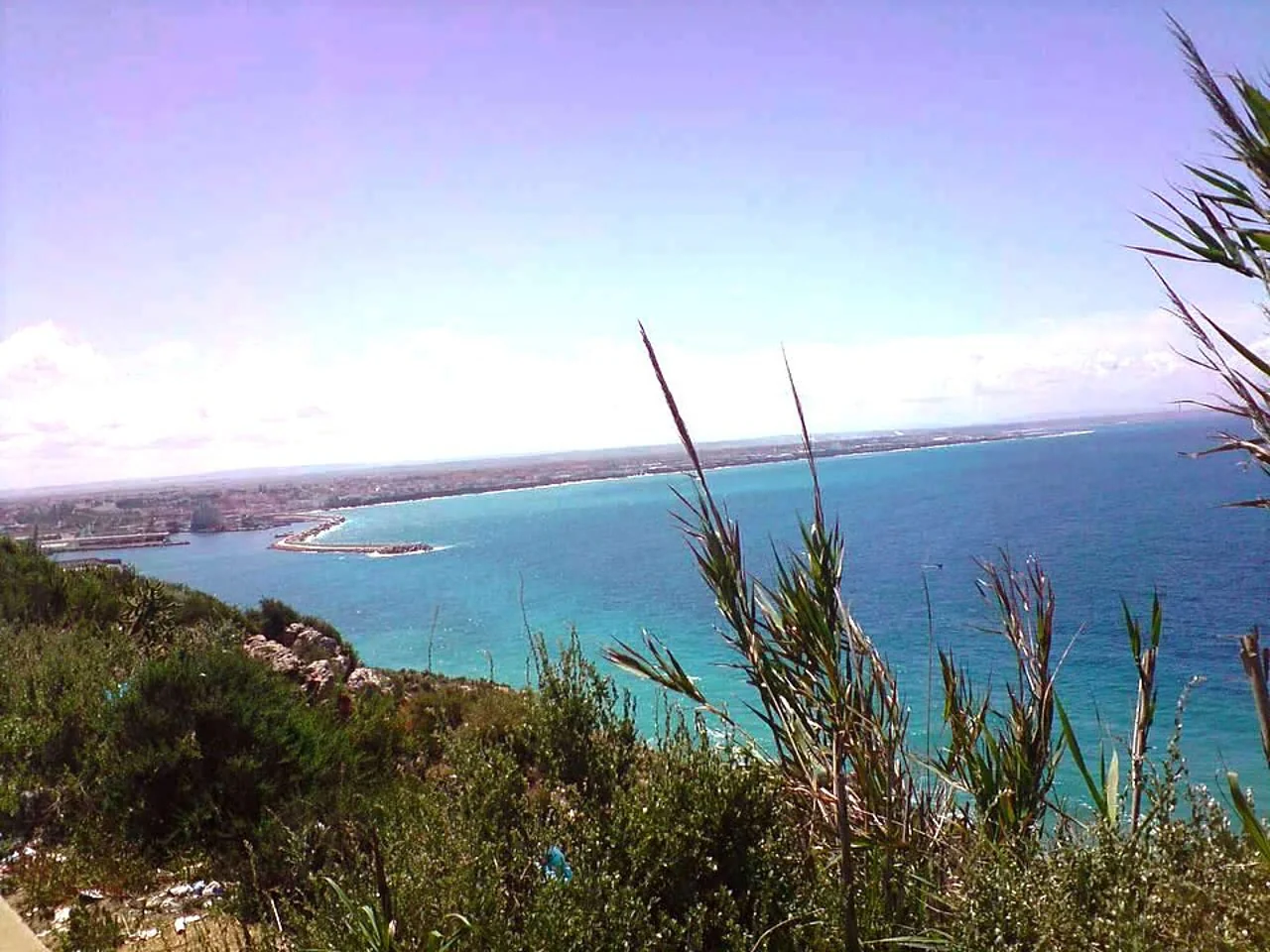
Treat the Sidi Bouzid coastal outlook as an optional rest section. Its photograph dates from April 2016 and does not certify current swimming safety. Entering the water requires local conditions, warnings and supervision to be checked for the actual day. When the coast is not the entire purpose of the trip, weather changes can be accommodated by a museum or room break. Bring water, dress for sun and wind and arrange the return vehicle beforehand. If a long coastal walk does not suit everyone, a short public viewpoint can be enough.
Intercity arrival and a dependable return
Use ONCF's actual date-specific search or announcement for reaching Safi rather than copying an old departure time. For a road arrival, consider night travel, accommodation entry and the final approach together. A long incoming transfer before the museum morning may require a shorter collection visit. A vehicle-accessible doorway and the last pedestrian medina section are separate matters. Ask the accommodation how luggage and contact will work on that last section and record the return point before sightseeing.
Current official Moroccan travel advice calls for awareness of terrorism, demonstrations and belongings. Avoid displaying valuables in crowds, stay away from demonstrations and follow local directions. Read guidance from your own authorities too. If institutional arrangements change, shorten the programme around actual information instead of forcing conditions to fit a photo list. Leaving Safi well means understanding a ceramic object more clearly, respecting the working surroundings, selecting a real meal and arranging a reliable journey onwards.