
Palakkad: two nights for an inland fort and city stop
The Tatilmerkezi Stork suggests an inland city stop in Palakkad, distinct from a Kerala coastal or boat-based programme. Three calendar days and two nights cover arrival, one complete fort-and-city day, and departure. Palakkad Fort and its Kotta Maidan surroundings are the main interests, while the wider paddy and palmyra landscape helps explain the region. The short plan does not add a forest safari, mountain trek and a multi-district circuit. Give the fort the morning and reserve part of the afternoon for a meal and practical city connections. An afternoon or evening arrival should not be counted as a full sightseeing day. The third day's onward allowance is protected separately. This guide particularly suits a reader connecting Kerala and Tamil Nadu who wants one historical focus and a concrete regional meal without treating a stopover as an unlimited regional tour.
Choose the station: Town and Junction are different stops
District information distinguishes Palakkad Town from Palakkad Junction, also known as Olavakode. When selecting a ticket, do not stop at recognising the Palakkad name: compare the actual arrival station, accommodation address and last transfer on the same map. A fort-centred city day and a very early train may lead to different choices of address. Finding a nearby meal or arranging a late arrival may matter more than a distance that merely looks short on a map. If considering a road connection from Coimbatore, give it a separate travel allowance rather than assuming sightseeing begins immediately after a flight lands. This guide does not specify a fixed train frequency or road time. Confirm the current stop, the last journey with luggage and the onward departure point. Keeping the first evening modest helps prevent one delayed connection from consuming the protected city day.
Fort and Kotta Maidan: understand the exterior scale
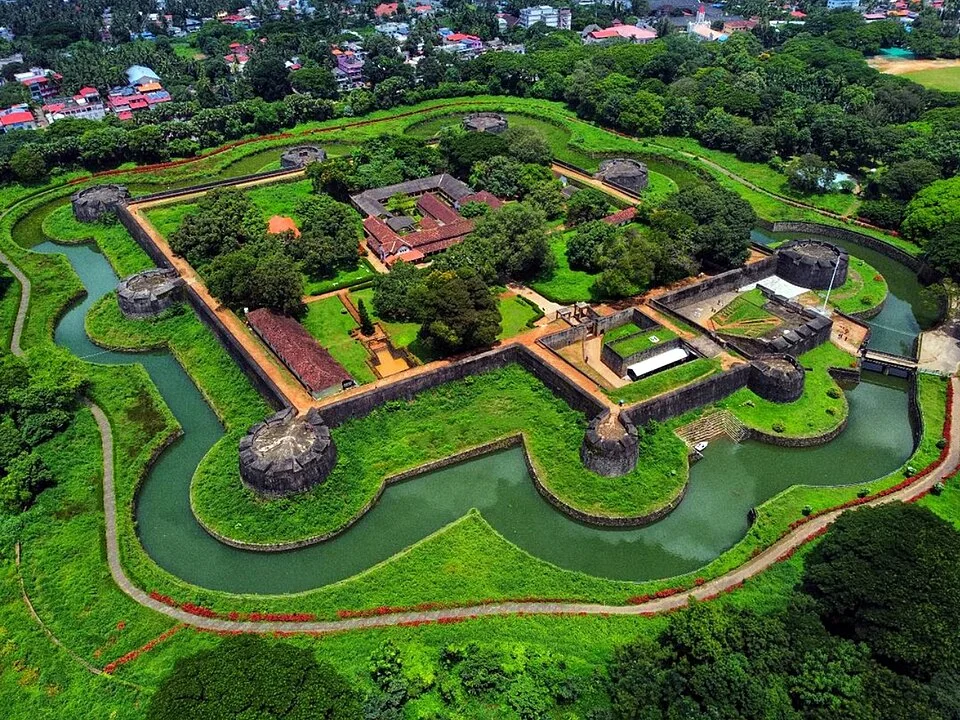
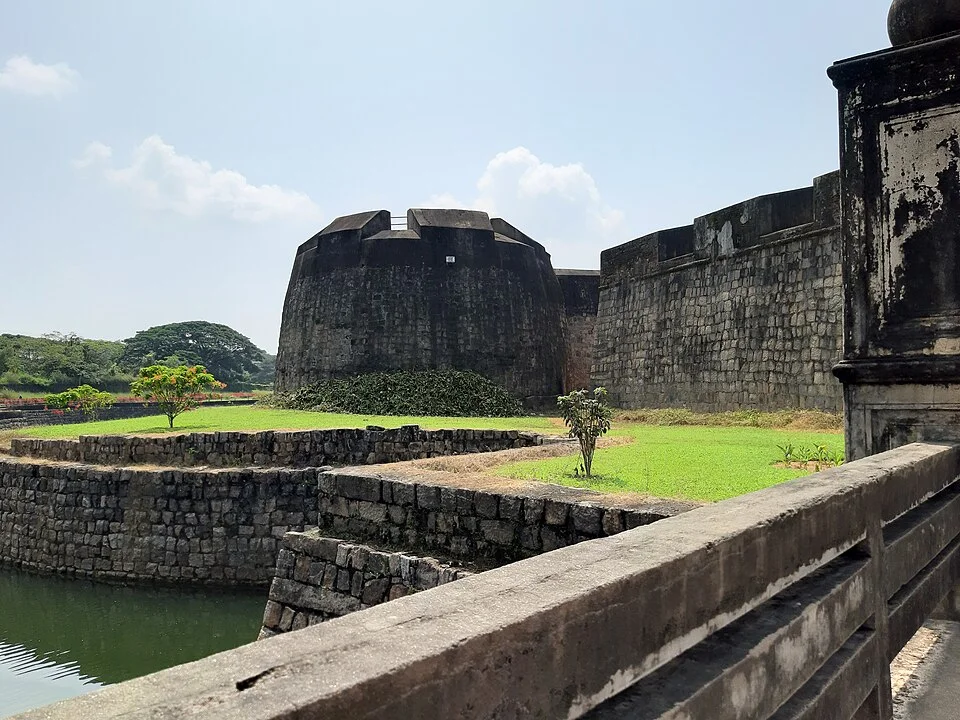
The first full day can begin around Palakkad Fort. Official information places the fort in the eighteenth-century Hyder Ali period and identifies an Archaeological Survey of India conservation context. Kotta Maidan and the moat surroundings provide a way to understand the space the fort creates within the town. From permitted paths, consider corner bastions and the relationship between walls and water. An uninterrupted circuit of the whole exterior is not compulsory: choose a manageable portion according to temperature and the ground. Rather than seeking a photograph from a wall top or beyond a marked boundary, pay attention to the structure visible from the allowed route. Establish actual interior access afterwards. A landscaped historic setting does not promise unrestricted entry or a particular event. Giving the architecture a measured morning leaves the afternoon with room for a comfortable meal.

Interior details and the step well deserve a separate pause
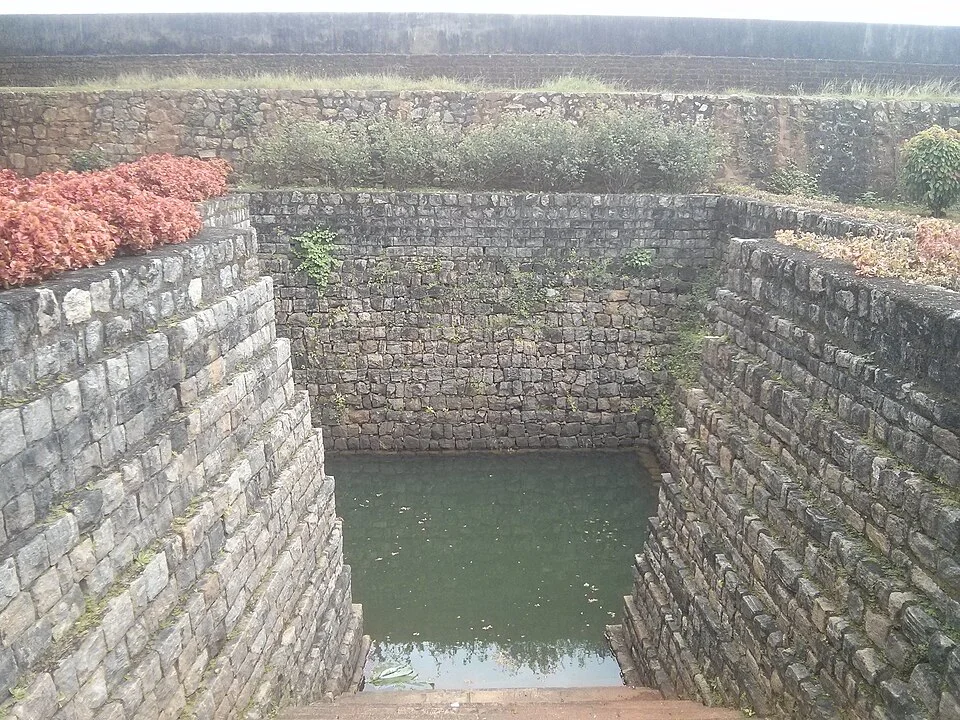
Along the permitted interior route, the fort can be understood as more than a sequence of large walls. The stone arrangement and levels of a step well provide a different scale from the broader outer moat. Descending into it or crossing an edge barrier is not the purpose of the visit. Observe what is visible along the route actually available that day, respecting directions around worship or other working spaces. Photography rules and admission are separate questions, so establish both where relevant. Do not assume that every activity or building within the historic grounds is a sightseeing attraction. Reading a few selected details slowly may be more comfortable than searching for access through closed doorways. Pause after the interior look and consider the connection to lunch. A small water structure then receives attention instead of being treated as another item rushed through without a break.

Practical city connections: use the actual address
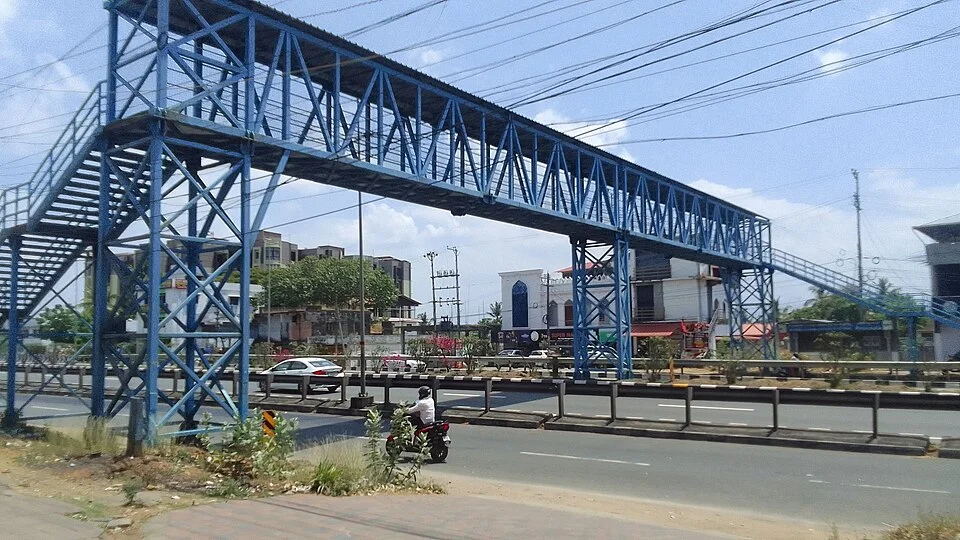
Do not imagine Palakkad's different neighbourhoods as one small centre immediately beside the fort gate. If Chandranagar forms part of the accommodation or transport plan, establish the actual vehicle route and pedestrian approach. A photograph of a bridge does not by itself offer a walking itinerary or guarantee comfortable passage at every hour. There is no need to add every urban feature visible on a map to the main sightseeing day. After the fort, divide the afternoon between a brief city look, returning to the room and a meal according to your needs. If buying something nearby, assign the activity its own allowance instead of consuming the planned rest. Give a vehicle a precise address and recognisable meeting point rather than only a neighbourhood name. Part of an enjoyable inland stop is allowing transport infrastructure to serve its practical purpose without turning it all into compulsory attractions.

Paddy and palmyra belong to the wider regional setting
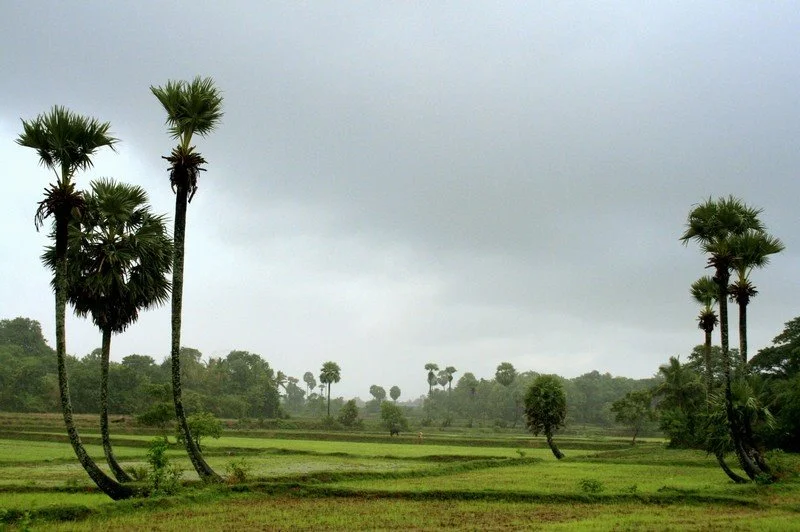
Kerala Tourism associates the wider Palakkad setting with rice cultivation and palmyra palms. That landscape can help connect a rice-based city meal with the region's geography. A field visible from a road is not automatically open to enter or to join harvesting work. An older photograph does not establish the same crop, water level or activity on the travel date. This short city plan does not assign a particular field walk. If a separate rural visit matters, arrange the actual host, meeting point, permission and return connection independently. Adding a day may be more suitable when that interest becomes central. Placing a substantial countryside route into the fort day's limited time can diminish both experiences. It is possible to appreciate Palakkad's surroundings without assuming that every open plot is a publicly accessible visitor site or that an agricultural view comes with a hosted activity.

A concrete meal: rice, sambar and ela ada
Official Kerala cuisine and Palakkad information include rice-based meals and an ela ada sweet interest. Ela ada is a regional preparation of rice dough and coconut filling wrapped in banana leaf; it should not be expected at every establishment every day. For the main meal, consider rice with sambar and vegetable accompaniments. Puttu with kadala curry can provide another breakfast choice if available. These are regional interests rather than an identical recipe served in the same portion throughout the city. A restful lunch after the fort morning can be the most useful pause of the day. Keep the sweet as a modest option alongside it rather than building the remainder of the schedule around repeated orders. A rice variety or product name on a menu is not a basis for unsupported health claims. The food interest here concerns taste, preparation and regional context, not a promised medical benefit.
Accommodation and the last morning keep the stop manageable
For two nights, assess the actual accommodation address against access to the fort day, the chosen station and nearby meals. Staying nearer Palakkad Junction and reducing transfers around the fort can be different priorities; decide according to the ticket time. Establish late check-in, early departure or luggage storage arrangements directly with the property. Day three is for breakfast and leaving. Adding a distant forest or mountain stop to that morning can unnecessarily reduce the onward allowance of this small itinerary. Sources were checked on 5 October 2026, while current transport and fort access must be confirmed for the travel date. The Stork's suggestion brings together careful attention to the stone defences, realistic city connections and a rice-based meal related to the inland setting. Two nights provide a simple city frame that gives one full day breathing room rather than a guarantee of an unrestricted regional circuit.