
The pleasure of a short Boston stay is that historic walking routes sit beside ordinary city life. The Tatilmerkezi Stork is not asking you to squeeze all of New England into a single hotel booking. This guide proposes two sightseeing days, two nights and departure on the third day, creating a manageable sequence through the centre, North End and parks. A late arrival can shift part of day one into day two; completing the entire Freedom Trail is optional. Cambridge, Salem and distant coastal towns are outside this core plan. Allowing real space for one museum, an unhurried meal and a rest is often more useful than collecting additional street names.
Boston Common: begin the route in a park
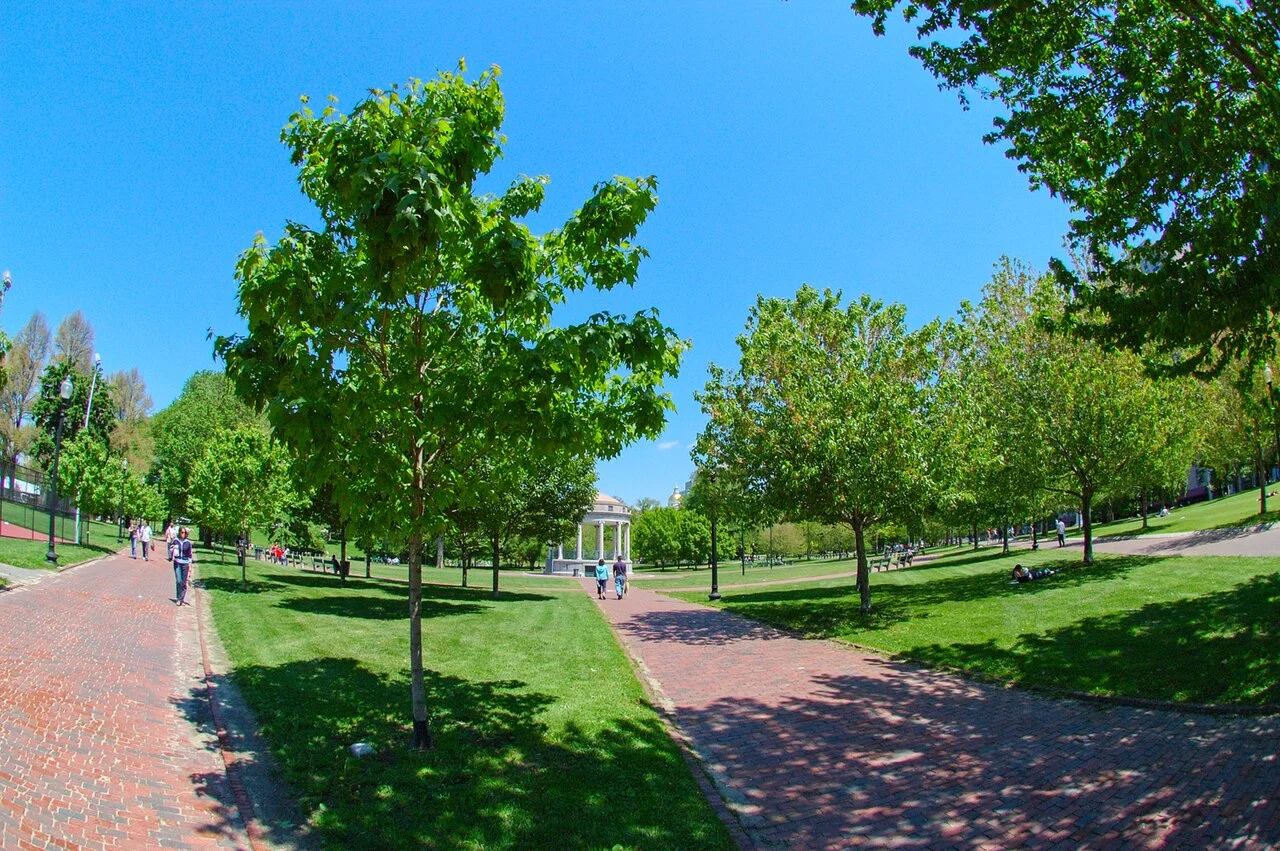
Use the Boston Common area as your first morning's meeting and orientation point. A short park walk, a seated pause depending on weather and energy, and then departure towards the historic route make a reasonable sequence. This is not a guarantee of daily events or identical greenery throughout the seasons: the accompanying photograph records a real scene in 2005. When mornings are cold or wet, shorten the park visit and check the current opening of a nearby indoor attraction. On an arrival day with luggage, settling into accommodation before a small first outing is also a sensible alternative to walking the entire park immediately.
The Freedom Trail's red-marked route provides an orientation backbone through central Boston and the historic areas of Charlestown. Current National Park Service visitor pages offer maps, visitor-centre guidance and audio interpretation through the NPS app. Following the route outside and entering every building are separate decisions. Individual admission charges, independently operated sites and guided programmes may use different arrangements. Choose two or three places that genuinely interest you that morning; noticing the other exteriors in their street setting can be enough. Turning the full route into a brisk endurance test may unnecessarily tire children and visitors who prefer a slower pace.
Old State House: exterior and interior interpretation
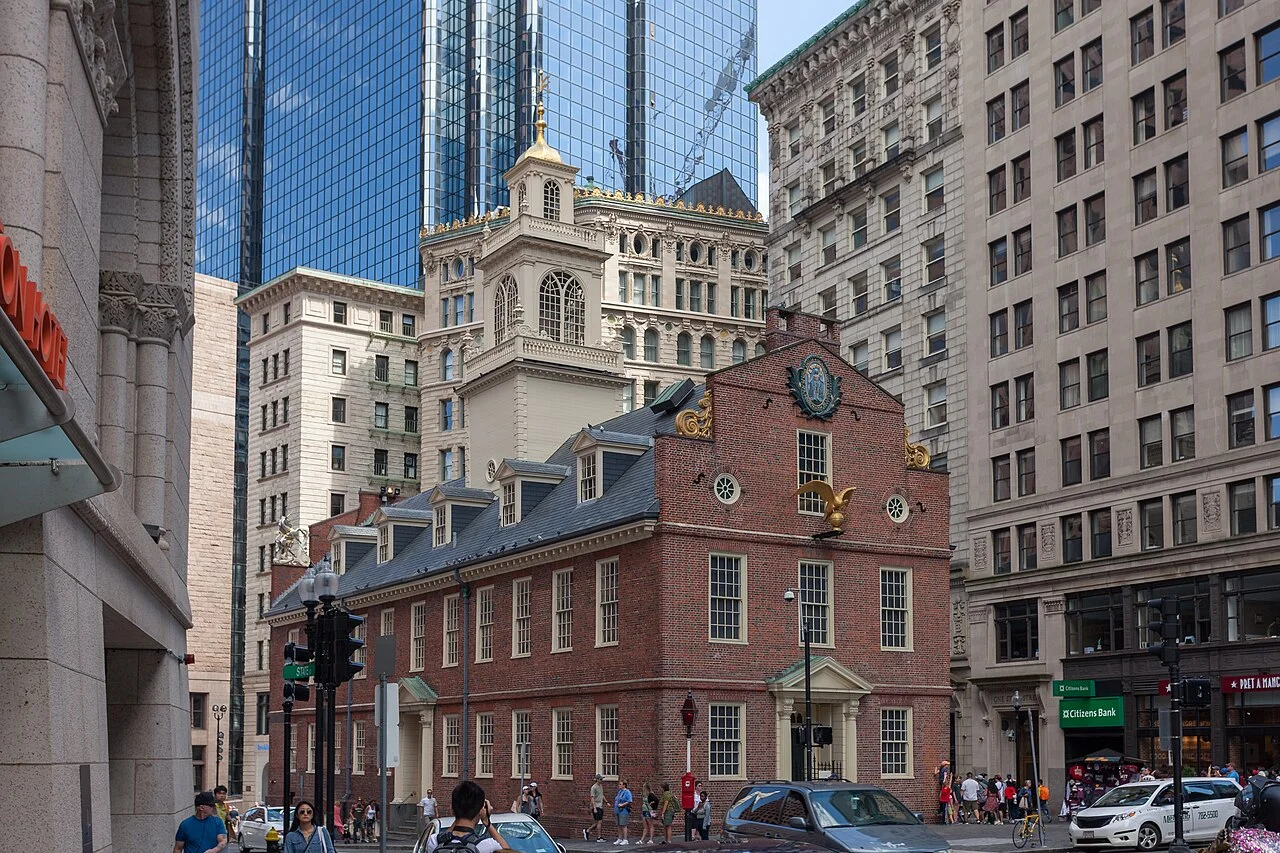
At the Old State House, first notice the building's scale within the much taller modern city around it. Looking at the exterior is a different commitment from giving time to the museum's interpretation inside. If you choose an interior visit, reduce the rest of that day's programme rather than automatically adding several more paid attractions. The historic exterior photograph does not prove what is currently on display. It was taken outside in 2017; collections, special activities and visitor arrangements need the operator's current information. A nearby coffee or a brief seated meal can provide a useful break for reflecting on the historical themes you have encountered.

Boston's revolutionary story is not the whole of its past. The National Park Service also presents the Black Heritage Trail as a distinct exploration route. If it matches your interests, set aside a separate time block rather than compressing two substantial history tours into one morning. Indigenous histories, enslavement and struggles for freedom should not be folded into one romantic city narrative. This guide offers considered visitor choices; it does not ask a single exterior image to explain every historical debate. A guided programme or an operator's own interpretation can add depth that an ambitious checklist cannot supply.
North End: Paul Revere House and a lunch block
North End works as a lunch and early-afternoon area on the first day. Separate the Paul Revere House surroundings from an interior museum visit and check the operator's current admission arrangements if you wish to enter. Travellers continuing along the historic route can pause briefly outside; those choosing the museum can shorten their evening plans. Narrow streets, pavement width and busy crossings are practical parts of the outing. A queue outside one business does not make it the neighbourhood's only worthwhile food choice. Choose your meal according to the walk's direction and whether you want a seated break, not merely the longest line.


An Italian-influenced pasta meal followed by cannoli or gelato gives this area a concrete food role in the itinerary. A cannoli may be a small dessert stop; choose its filling and portion from the menu. If breakfast was substantial, a lighter lunch can be more comfortable than attempting every famous dish in sequence. For seafood interests, leave clam chowder or a lobster roll for another meal. These are foods found in Boston within a broader New England context, not dishes exclusive to the city or identical at every establishment. This guide builds a workable meal rhythm rather than claiming current prices or a universal restaurant ranking.
Public Garden: slow down the second day
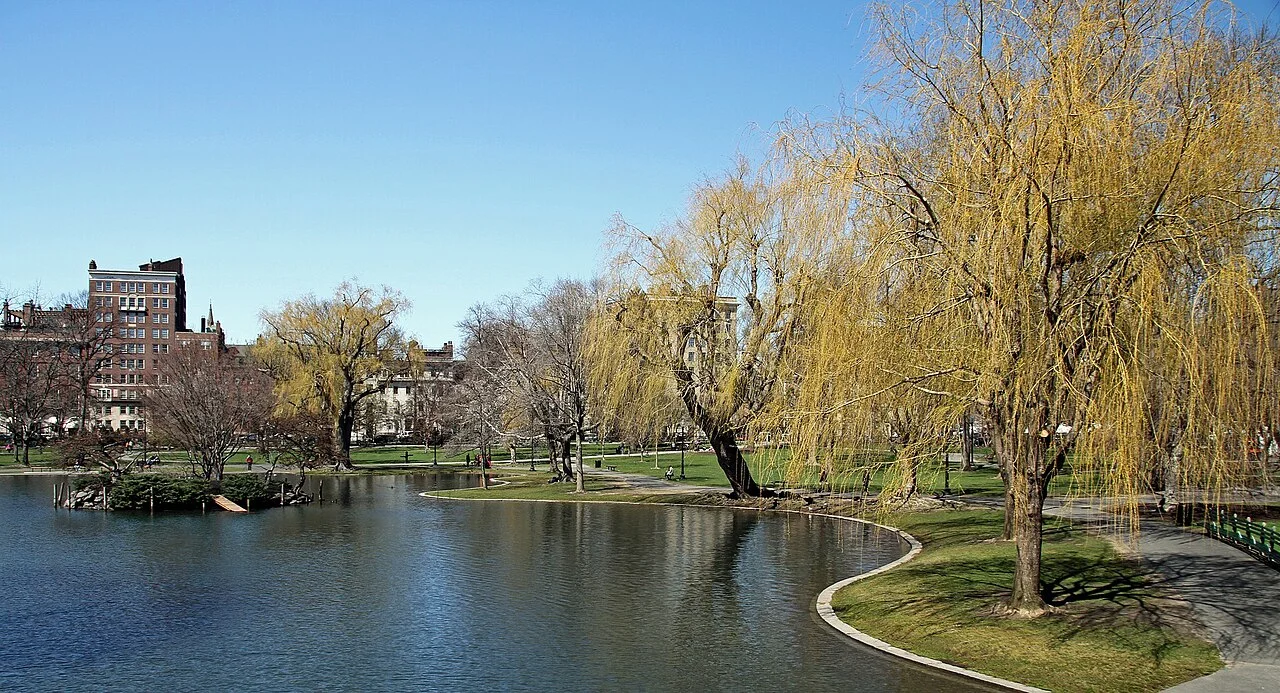
Begin day two with the Public Garden and a quieter movement towards Back Bay. A walk among trees and around the pond creates a different city experience from the first day's concentrated historical programme. The photograph shows a past garden view and does not promise today's flowers or operation of a seasonal boat service. After the garden, a shop or café pause around Newbury Street is one possible planning choice. If shopping does not interest you, observe the street rhythm and allow time to sit. Adding every gallery and indoor venue nearby can remove the restful purpose of the park morning.

The harbour: an island trip is a separate decision
Place a waterfront walk around Boston Harbor in the remaining part of day two. Travelling to an island is a different outing from a short central waterfront pause. If you choose a Boston Harbor Islands visit, check seasonal departures, the return connection and the hours needed through official visitor and operator information. This guide does not claim that the ferry in an older photograph currently runs a particular service. Staying in the city and watching the weather change across the harbour can be sufficient. In rain or strong wind, reduce exposed waterfront time and choose an indoor activity rather than treating the original plan as an obligation.


Accommodation and everyday travel on the T
A Downtown base can connect the start of the historic walk with North End, while Back Bay places more emphasis on the second day's park and neighbourhood rhythm. Neither area has a universally superior room price. Check the real station distance, stairs with luggage, an accessible entrance, night-time noise and cancellation conditions. Staying in Cambridge is another choice, but its journey into central Boston belongs in your daily timings rather than disappearing from the plan. Keeping the same room for two nights limits luggage moves; departure on the third day is not counted as another distant excursion day.
When planning a journey on the MBTA's T system, use official service notices for the actual line and check its payment options. The current MBTA pages explain contactless and Charlie arrangements; do not assume subway, commuter rail and every ferry share one fare or transfer rule. Plan a Logan Airport connection separately from the real terminal and departure time. Sources were checked on 4 October 2026, and programmes, services and admission can change. The Stork's final route note is small and practical: a park pause, several selected historic stops and two thoughtfully placed meals can explain Boston as well as a much longer completed checklist.