
Silchar: a three-night city base in the Barak Valley
Tatilmerkezi Stork does not treat Silchar merely as a stop to pass through between a flight and a bus. This four-calendar-day, three-night stay allows time to understand a working Barak Valley city: arrival, an urban day, a selected Khaspur day, then departure. There are two complete sightseeing days; connection days are not counted as full visits. Assam tourism identifies Silchar as a city on the Barak. Dibrugarh's tea landscape and Guwahati's island and worship route are not repeated here under another name. The need is to retain a settled bed, observe everyday activity around Prem Tala, approach the river connection and choose a separate day for an outlying archaeological interest. If Khaspur is not your priority, use the second complete day for a shorter urban walk and rest instead. Adding every destination promoted across the region would answer a different kind of trip. A few coherent visiting clusters make the city stay more useful than an overfilled district checklist.
Do not confuse station, airport and bus-terminal addresses
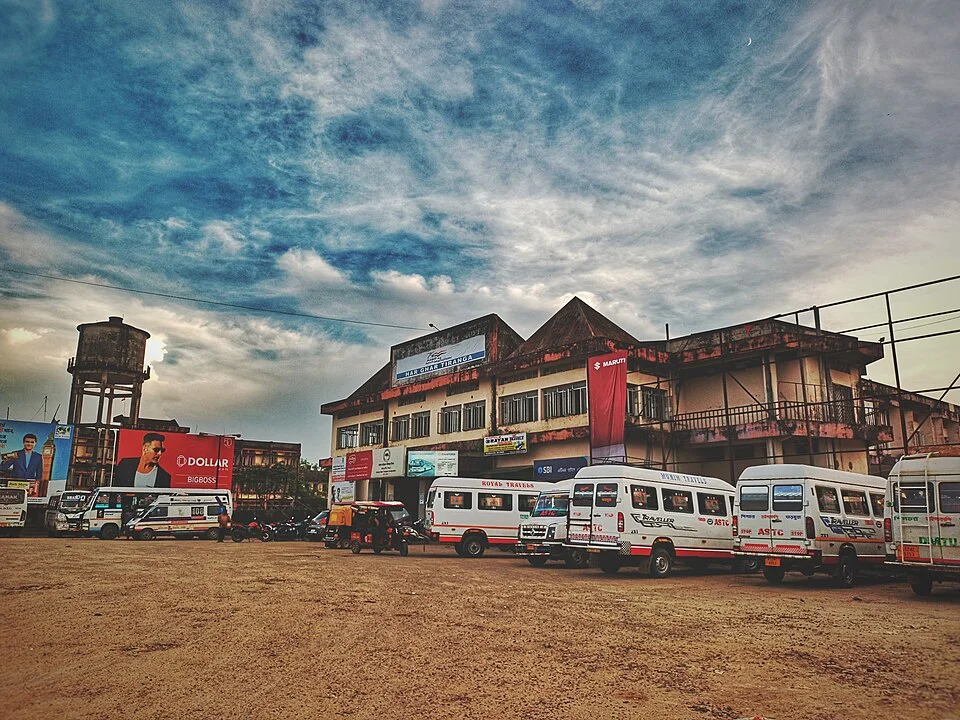
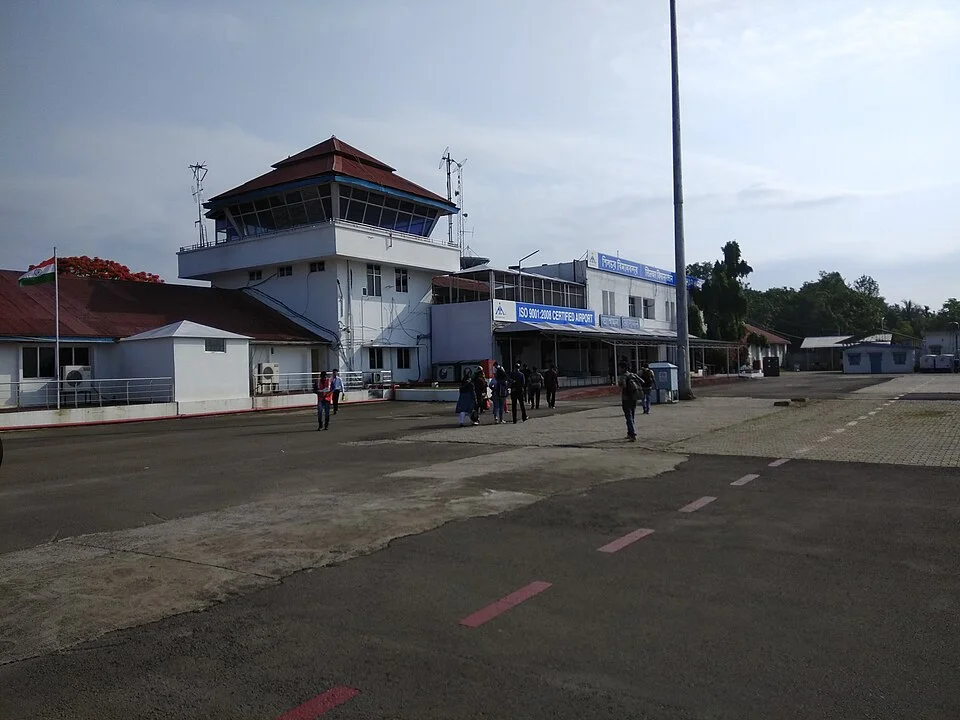
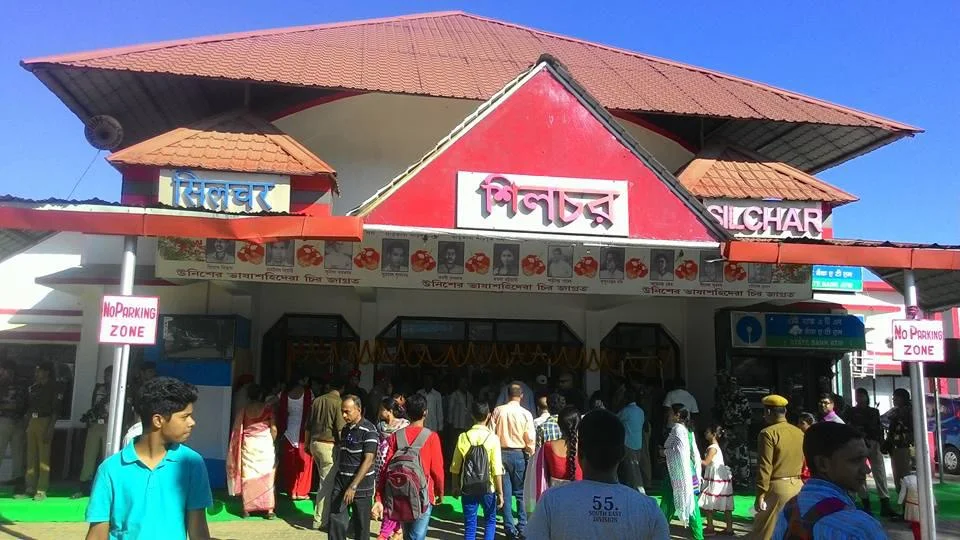
Silchar Railway Station, the airport and the interstate bus terminal represent different arrival requirements. Send the accommodation the actual point and time printed on the ticket. A shared city name does not establish the same vehicle pickup exit. Arrange a separate city-room transfer after an air arrival rather than promising a distant outing on that day. By rail, confirm the current meeting position through staff or the accommodation instead of relying on the historical entrance photograph. For a bus connection, check the terminal being used and do not assume the return leaves from the identical location. Luggage and a nearby meal can be sufficient for the first evening. Historical source material is not presented as a current route frequency, airline list or journey-time guarantee. Keep the exact hotel address in writing in case mobile access becomes difficult at pickup. Establishing one clear urban meeting for the next day is easier than hurriedly travelling between several unrelated transport points.



Prem Tala surroundings: understand the city before shopping
The first complete morning can include a short walk through the active streets around Prem Tala. Observe the public street rhythm without assuming beforehand that an individual shop remains open. Keep the walk to public pavements and available passages, taking a pause when vehicle traffic becomes busy. Observe the everyday trading rhythm without treating shopfronts as visitor platforms. Where a product interests you, ask the seller about its material, production place and suitability for carrying home. One street photograph cannot demonstrate that every item is locally made. Keeping lunch close to this visiting cluster preserves time for the later river connection. If shopping is not your aim, looking at the urban fabric is itself a sufficient reason to pause. There is no obligation to add large purchases to luggage or catch a performance. A short everyday streetscape look can provide an introduction to Silchar beyond its transport terminals without requiring a long architectural tour.
Sadarghat Bridge: distinguish a river view from permission
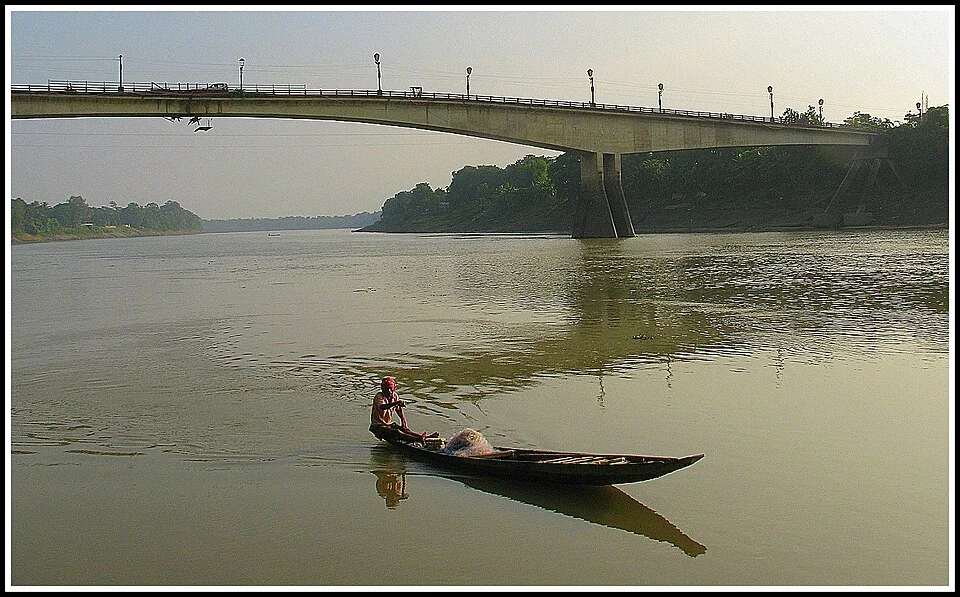
Choose the Sadarghat Bridge direction for a look at the Barak surroundings if a suitable visit can be arranged. This is not permission to enter the water, hire a boat or stop a vehicle anywhere on the structure. Identify a safe public observation point through local guidance to keep the river pause straightforward. The photograph dates from 2014; it does not establish today's traffic route or bank conditions. If rain or water levels make the intended approach unsuitable, a shorter look may be sufficient. Do not decide to walk between banks simply because a bridge appears in a photograph. Agree a return meeting with the driver beforehand so that the group does not search for a vehicle at another exit after finishing the street walk. No boat activity or swimming recommendation forms part of this city day. Rest nearby and return to the accommodation afterwards, keeping the river context within an everyday urban visit rather than turning it into an extensive regional journey.
Khaspur: give archaeology a separate day
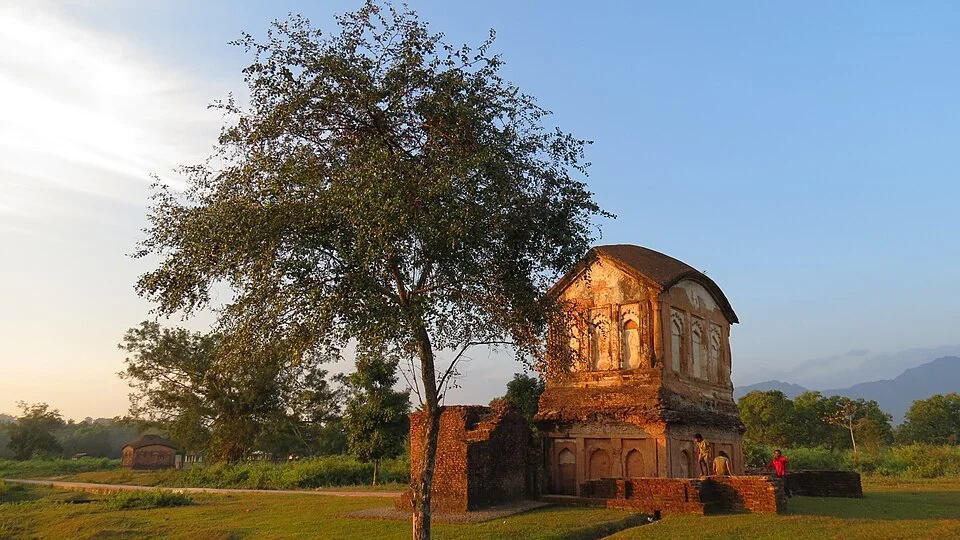
Khaspur's archaeological remains are an option for the second complete day. Assam tourism presents this as an outlying destination rather than an automatic addition to a brief central-street walk. The Archaeological Survey's Guwahati Circle records discuss the Cachari remains as a separate heritage site. Check current admission, accessible areas and the land connection before setting out. An apparently erroneous foundation year on one tourism page has not been carried into this guide. Legend, historical interpretation and current operating arrangements are different kinds of information. When observing remains, stay on the permitted route, avoid climbing masonry and leave protected surfaces untouched. Allow a complete day for departure from the city, the site visit, a suitable meal and the return. That arrangement fits the archaeological interest better than squeezing it after the river afternoon. Another distant hill or district destination is not added on the same day. If the visit is unsuitable, select a second quiet urban day rather than making an unconfirmed archaeological gate compulsory.

A regional table: tenga, rice and a small pitha choice
Assam's official cuisine record discusses sour preparations such as tenga and rice-flour pitha varieties within a regional food context. If a Silchar kitchen offers them, one example can fit a meal on the city day. This list does not claim that every Barak Valley community prepares the same dishes or that the tastes are exclusive to Silchar. Learn what is being served under the tenga name and what accompanies it from the day's menu. A rice meal with an appropriate vegetable or fish preparation can provide a practical table pause after observing the river surroundings. If available, festival-associated til pitha can be a modest sweet option, but its daily availability is not promised. Source claims about health or medicinal benefits are not reproduced. Understanding the actual ingredients is more useful than merely collecting dish names. There is no need to redirect the Khaspur day's vehicle to a distant neighbourhood simply to search for an unavailable product on a food checklist.
Accommodation, room for rain and the final departure
Compare a city accommodation base by exact address, vehicle approach and nearby meals. A central label alone guarantees neither easy walking nor a quiet room. The airport connection and an urban day around Prem Tala require different transfers, so ask how the property meets those two needs. Staying in the same room for three nights helps plan the Khaspur return without moving luggage. Accept that open-air visits may need shortening with weather conditions rather than adding more destinations to compensate. Day four is departure. Do not leave a new hill trip or another district visit until that morning. Discuss the return ticket, vehicle and luggage the previous evening so that the short urban programme ends calmly. Sources were checked on 4 October 2026. This Silchar plan meets an interest in Barak-side city life and a separate archaeological visit together, without asserting that it completes all of Assam or that every transport connection will operate without disruption. More time can deepen either interest while preserving the distinction between city and district travel.