
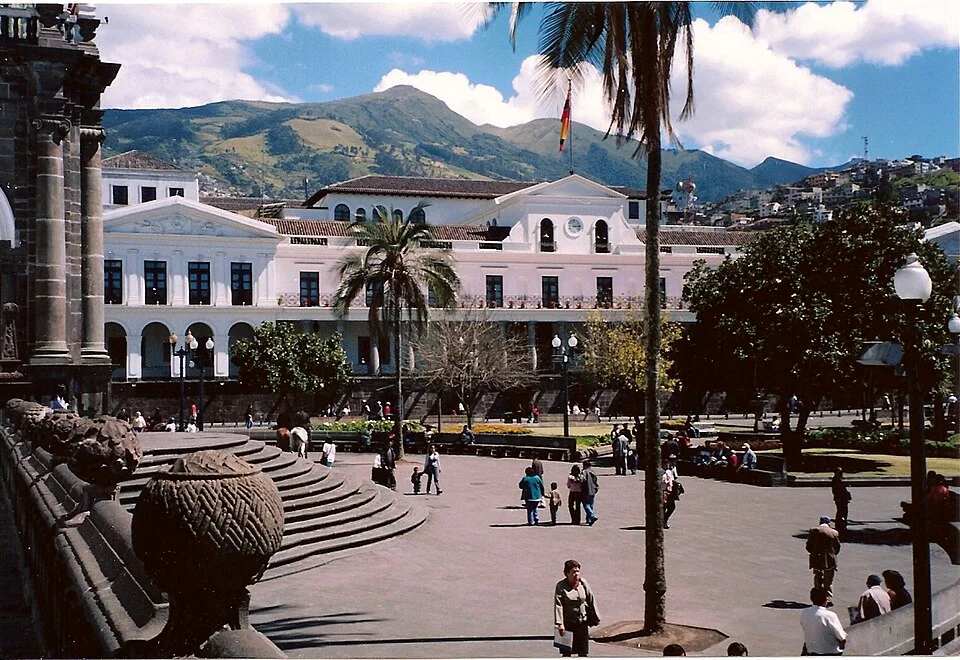
Look at Quito as a city in its own right rather than only the starting point for an Andean journey. The Tatilmerkezi Stork invites you to spend two days on the capital's own streets: finding your bearings around Plaza Grande, reading the scale of San Francisco's plaza, giving a market its own lunch interval, and seeing La Ronda in daylight on the second day. Cotopaxi, Cuicocha, Quilotoa and an excursion to the equator are outside this programme. The reader's need here is to decide which parts of a short city stay belong together on foot and which require a transport connection.
Set the frame at two nights, two full city days and departure on the third morning. Even with an early arrival, do not automatically add a long climb or mountain excursion. Quito's high-altitude setting calls for a programme appropriate to your own circumstances; this guide offers neither medical assessment nor a guarantee of acclimatisation. One plaza, one interior and a proper meal can form a worthwhile first day. Put the place that matters most to you in the middle of the programme rather than saving it for a rushed final slot.
Accommodation: Centro Histórico or a northern base?
An address in Centro Histórico suits a visitor who wants to link daytime visits around Plaza Grande and San Francisco. Examine how you reach the entrance, where a vehicle can stop and how an evening return will work. Being close to historic buildings does not mean every connecting street is comfortable to walk at every hour. A drop-off at the door and an arranged return after dinner may be more useful than a small distance on a map.
A base around La Carolina or Iñaquito adds transport to the historic-centre programme while allowing the second day to include a different part of the city. Stay in one accommodation for both nights and complete the heritage section in a coherent block. If a companion prefers parks and meal pauses to museums, that does not require two hotels. Share the first day in the centre and divide some interests the following afternoon. These area choices compare movement patterns, not neighbourhood safety rankings or promises of unrestricted access.
First morning: find your bearings at Plaza Grande
Use Plaza Grande as the first morning's meeting point. View the public space as a whole before concentrating on one facade or historic building. UNESCO's Quito record explains the significance of the city's historic architecture; it does not establish that every door is currently open. If choosing a museum or church interior, consult the institution's latest visitor information and reserve a separate interval. A photograph in the plaza and time spent reading an exhibition are different activities.

Before starting the walk, save your accommodation address, a suitable return meeting point and a simple route outline on your phone. Work out directions while seated rather than holding the device out for a prolonged period as you walk. Companions need not examine every detail at the same speed. An agreed second meeting time in the plaza can be easier than forcing everyone into one hurried walk. The morning's objective is to understand the historic centre's scale, not to complete the whole city.
San Francisco and La Compañía: two different exterior stops
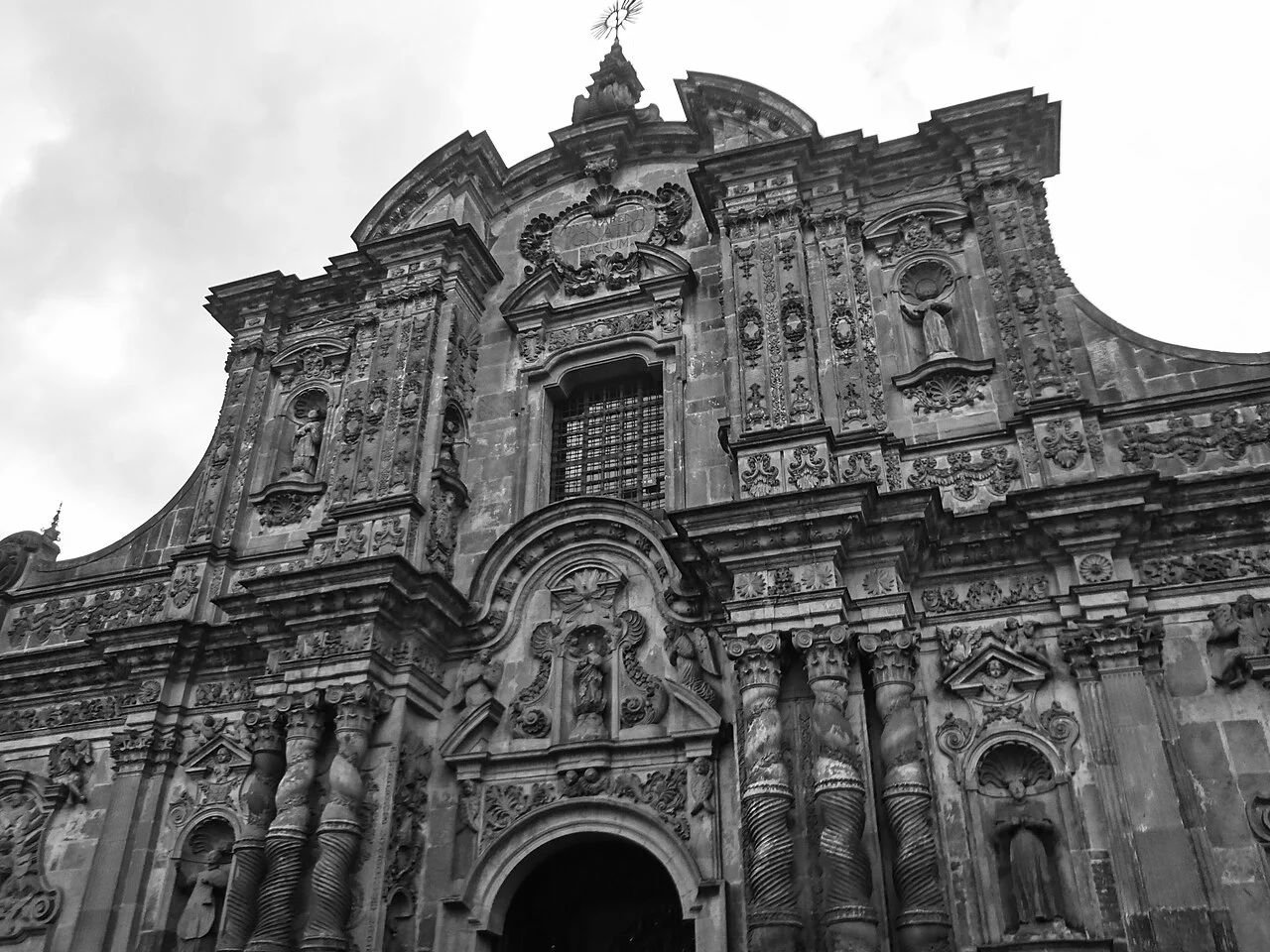
Choose the San Francisco area as another focus where the plaza and historic church exterior can be read together. Pause to compare a distant view of the facade with its details rather than crossing the open space and immediately leaving. La Compañía is a separate historic church stop, not another angle of the same structure counted twice. Looking at both exteriors does not make two paid interiors compulsory in a single day. Verify the present access and visitor arrangements with the institution you choose.
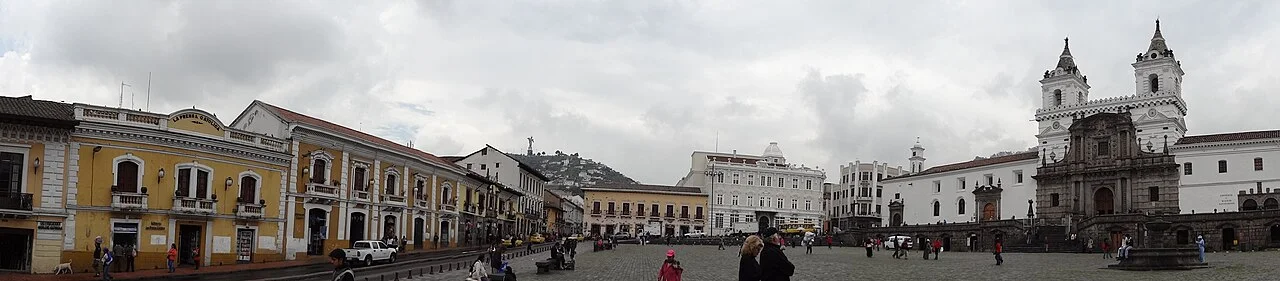

Selecting just one interior helps preserve lunch time. If architecture interests you most, give facade reading more space; if a collection is the attraction, concentrate on its interpretation inside. The historic exterior photographs provide visual context. Older images establish neither today's queue nor the current entrance and security arrangements. When rain arrives, spending longer in your chosen interior can be a better adjustment than extending the list with another church. It also leaves more time to appreciate the differences between the two places.
Lunch: Mercado Central and locro de papa
Give Mercado Central a deliberate lunch interval rather than treating it as a race around shopping stalls. Quito's official market route includes it among the city's food and everyday-life stops. Make a short comparison of the available counters before choosing somewhere to sit. This produces a clearer meal plan than ordering the first plate you see because the next attraction is already waiting. A manageable place for your bag and adequate time to eat are part of making the stop worthwhile.
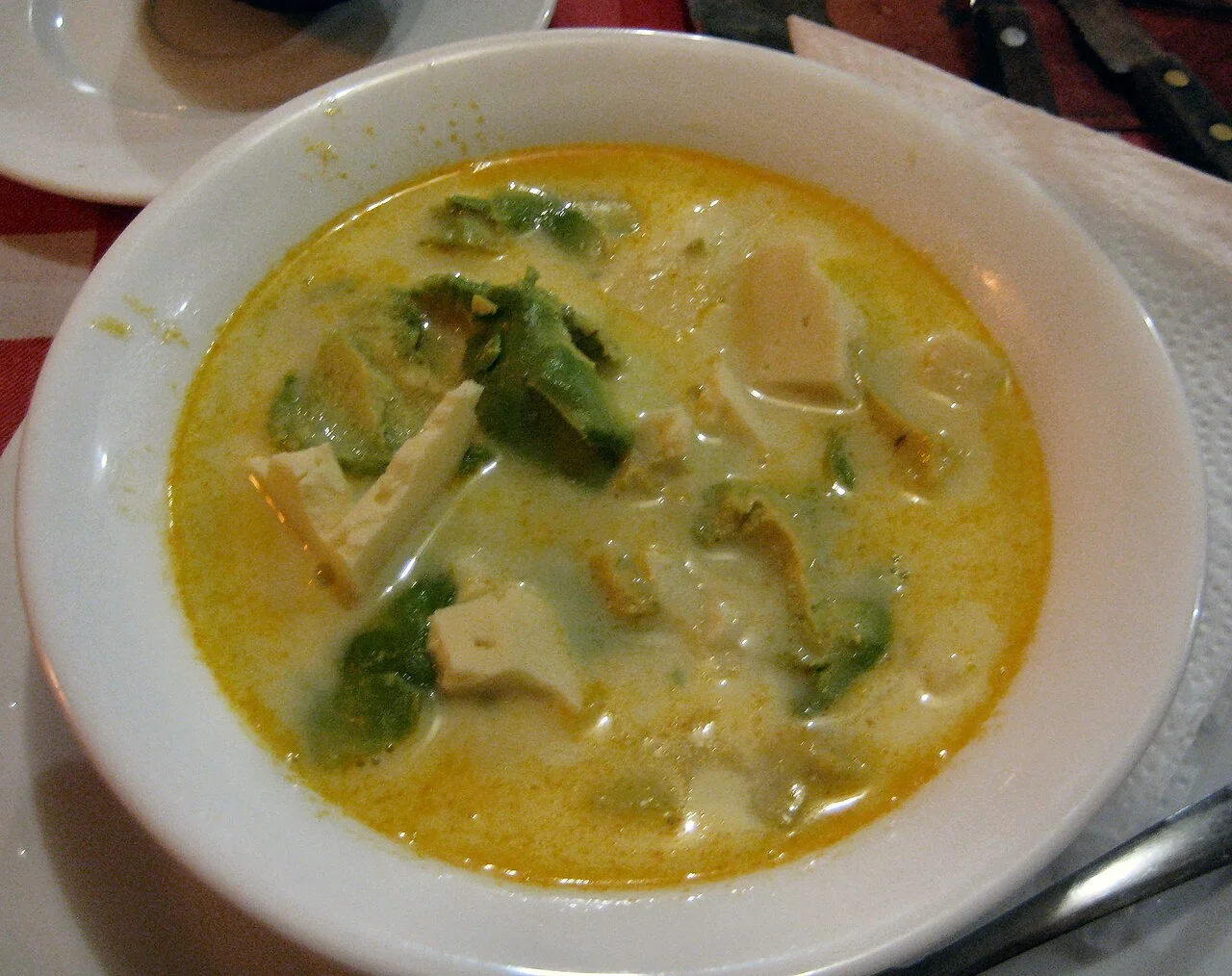

Quito's official visitor material describes locro de papa as a soup associated with potatoes, cheese and avocado. Explore it as part of the first day's lunch, then choose fritada or a different soup the following day so that the two meals offer separate experiences. Companions may prefer to compare smaller choices instead of ordering several identical portions. The accompanying locro photograph illustrates an Ecuadorian food preparation. It is not attributed to the current counter, menu or price of a particular Quito business.
Second day: La Ronda and a different neighbourhood meal
Reserve La Ronda for the second day's daylight walk. Observe the historic street setting, then make room for a café or meal pause. Nightlife is not an obligatory experience in this guide. After the first day's Plaza Grande and church-focused stops, returning to street scale offers another way to understand the centre rather than seeking the same photograph again. An older image does not establish that a particular shop or event is operating today.
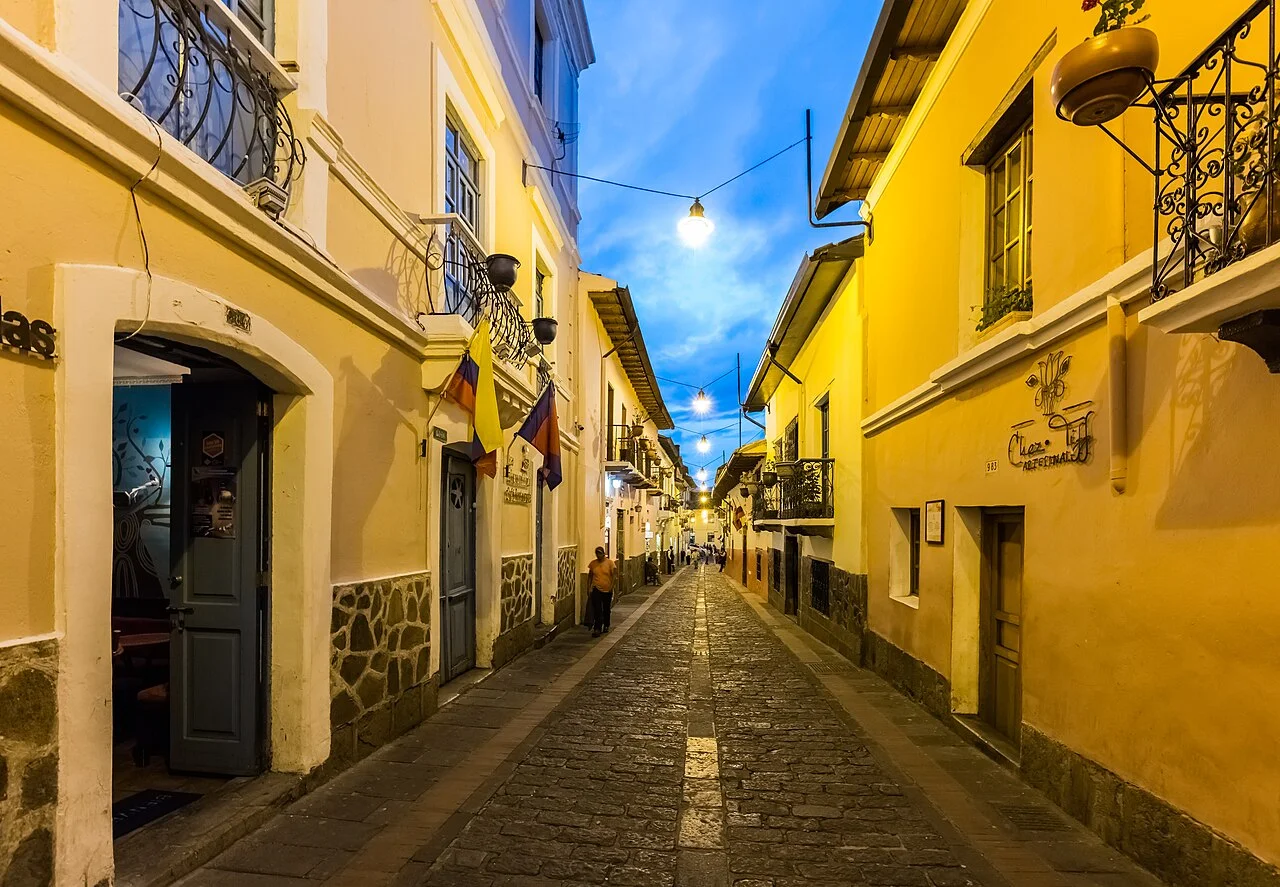

If your accommodation is in the north, an afternoon meal around Iñaquito can balance the two days. Official Quito visitor material refers to the area's market in the context of everyday food; a counter is not presented here as a guaranteed open restaurant. Read the menu when choosing fritada, a soup or a local sweet. Rather than adding two distant neighbourhoods to one evening, keep the journey back to your accommodation straightforward. Trying different food in the city does not require moving between streets until midnight.
Metro, airport transport and the third morning
Compare San Francisco and Iñaquito station names with the metro operator's current information when organising the centre-to-north programme. The official Cuenta Ciudad support page explains the account and digital QR arrangement, but it does not justify assuming that an overseas visitor can use every option with identical documents. Check the current ticket option and service before travelling, and prepare payment before reaching the gate. Arrange the luggage-bearing airport journey separately from this city metro plan; no connection or travel time is guaranteed here.
Leave the third morning for breakfast, check-out and an arranged transfer. UK official advice checked on 4 October 2026 highlights theft risks in Quito's old town and transport hubs, advises against walking alone in quiet places or at night, and recommends booking taxis through accommodation or a known dispatch service. The same source notes that heavy rainfall may disrupt travel. Reducing the route when conditions change is a sensible adjustment. The Stork's suggestion for Quito is to give its plaza and lunch table their own time before rushing towards the next Andean destination.