
When planning Cameroon, do not treat the coast, the major cities and inland landscapes as effortless continuations of one another. A programme in Yaoundé, a cultural or business visit to Douala and an overnight stay near Kribi raise different transport and access questions. The Tatilmerkezi Stork suggests choosing a principal base after assessing current conditions, rather than attempting to fit the whole country into one circuit. This is a conditional planning guide, without a claim that any city is safe or every attraction is open. Its photographs cannot replace current information about a journey.
Current warnings and routes excluded here
On our 4 October 2026 check, UK FCDO advised against all travel to the North-West Region, Bakassi and most of the South-West Region. Limbé and its connecting N3 section were also covered by an essential-travel-only advisory. We therefore do not recommend the classic Mount Cameroon, Buea and Limbé circuit. Extensive warnings also cover the Far North and border areas. Review the complete route against the current official map rather than reading a city name as a security decision. Official terrorism and kidnapping advice takes priority over tourism promotion.
Local support, insurance and cancellation arrangements need to fit that assessment. An operator's itinerary from several years ago may not be workable in the same form today. Transfers between regions require attention to the areas crossed as well as the final destination. This guide provides no alternative passage into places covered by warnings. Postponing the journey or dropping a second region are real planning options. Even after making a decision, check the current position again immediately before travelling rather than assuming a confirmed reservation settles the question.
Your base: Yaoundé and Douala are different choices
Consider Yaoundé alongside appointments in the capital and Douala alongside a coastal-side business or cultural programme. Choosing one does not turn the other into a compulsory day trip. The airport of arrival, arrival time and next movement should shape the accommodation decision. Ask who provides the meeting service, how the vehicle and driver are confirmed, who to contact if delayed and how the return transfer works. A local guide advising on location should understand your actual appointments and vehicle requirements.

Names such as Bonanjo or Bonapriso in Douala and Bastos in Yaoundé can provide starting points for research. They are not security assessments or endorsements of a hotel. A meal selected in advance near your accommodation may make a simpler daily plan than a distant stop chosen only for a photograph. Think in terms of arrival and settling in, one main appointment and meal, then departure or a separately confirmed onward journey. There is no requirement to complete two major cities and a coastal stay in a short visit.
Kribi: give the coast its own time
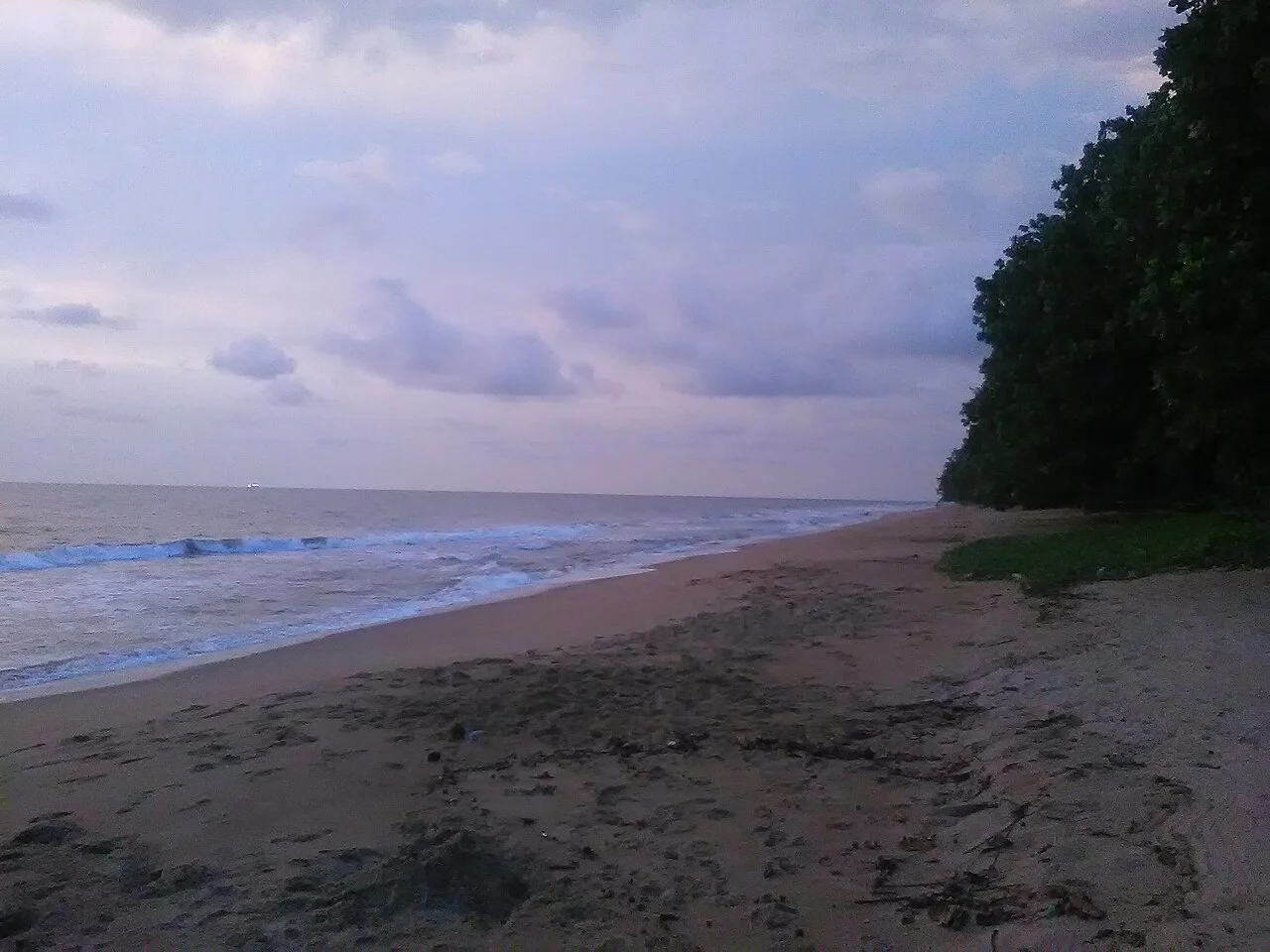
The beach photograph is a landscape record taken in 2017. Attractive evening light does not establish current swimming conditions or support a recommendation for an evening outing. If considering Kribi, clarify accommodation, the intercity transfer and the return together. Do not calculate the trip from map distance alone; agree departure timing, arrival in daylight and rest with the operator. Treat a coastal stay as a distinct accommodation choice rather than a hurried pause appended to a long transport day.
One area whose access has been confirmed and one meal can be enough for a coast programme, instead of collecting several beaches. Make the fish meal a small focus: read the species, preparation and plantain or cassava accompaniment on the actual menu. A boat ride or entering the water is not a compulsory part of a visit. Establish the operator, equipment, conditions on the day and cancellation option before paying for a water activity. When those questions remain unresolved, a day appreciating the scenery without such an activity is still a meaningful choice.
Lobé: do not make the falls a rushed addition
Lobé Falls can offer another natural perspective within a coastal programme, but the 2021 photograph does not establish today's flow or visitor arrangements. If a local guide has proposed a visit, confirm the starting point, permissions or access conditions and return. A coast day does not need to combine waterfalls, a long road transfer and another excursion. One main natural stop, lunch and the return to accommodation may provide a more intelligible framework. Local signs and an appropriate distance from the water should shape what happens on site.
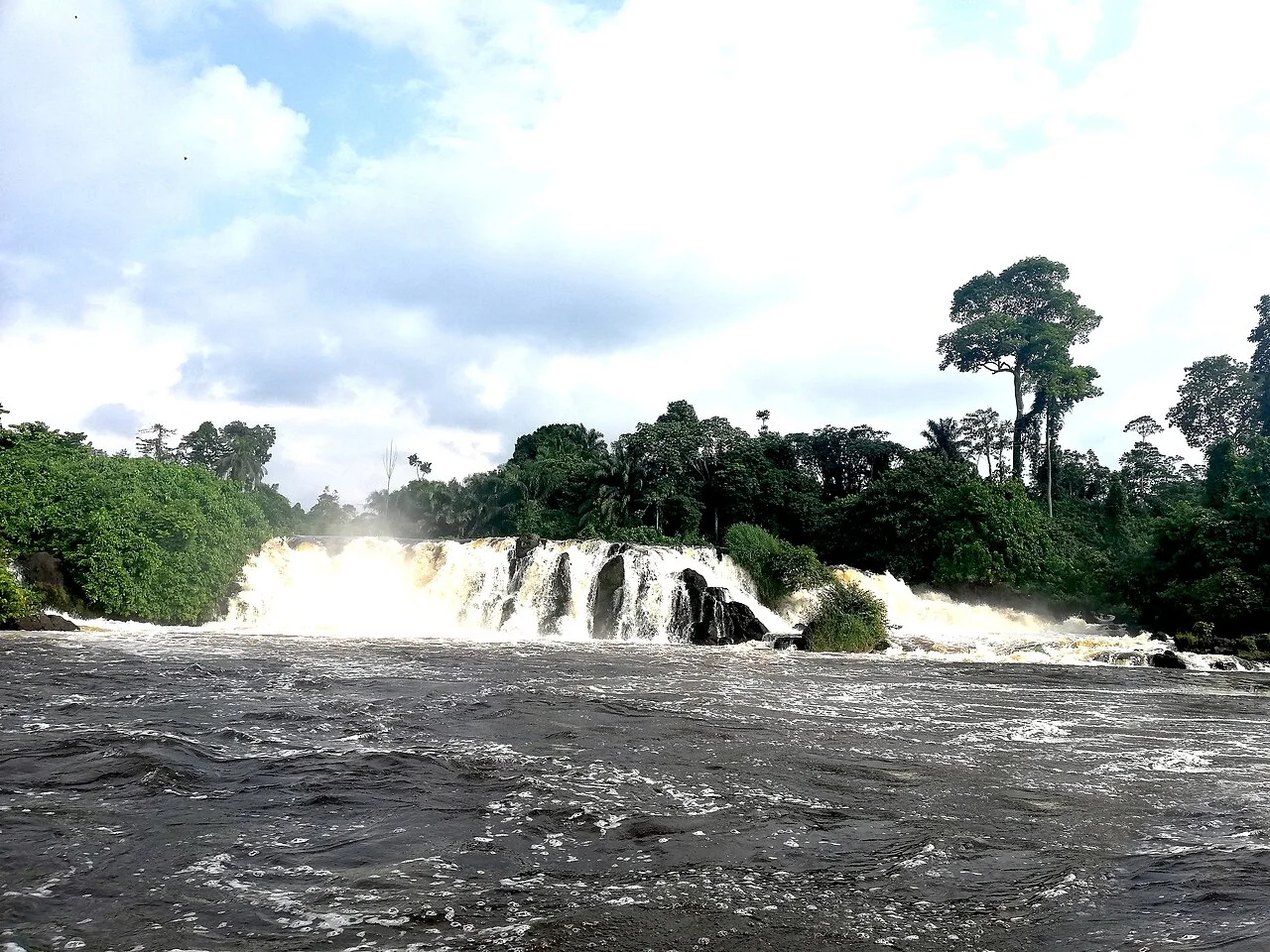

Keep an alternative for rain or unsuitable access: rest at the accommodation or return to a meal already arranged. We do not recommend approaching rocks or entering the water to obtain a photograph. Separate the time of the activity from the time needed to reach it; a brief stop does not mean a brief transfer. Revising a programme is not evidence of a failed journey. It is a way of making the travel plan respond to the conditions rather than requiring the conditions to fit an attractive itinerary.
Ndolé and coastal tables
Cameroon's tourism ministry introduces ndolé as a leaf and peanut-based dish, and includes mbongo'o tchobi and ekoki in its official culinary selection. A food event organised by the Cameroon Embassy in the Netherlands illustrates ndolé paired with plantain and the cassava product miondo. Starting with ndolé and one accompaniment, then trying fish or another sauce at a later meal, can introduce variety without reducing the cuisine to one plate. Ask the restaurant about that day's recipe, including peanuts or seafood, rather than assuming every version is identical.
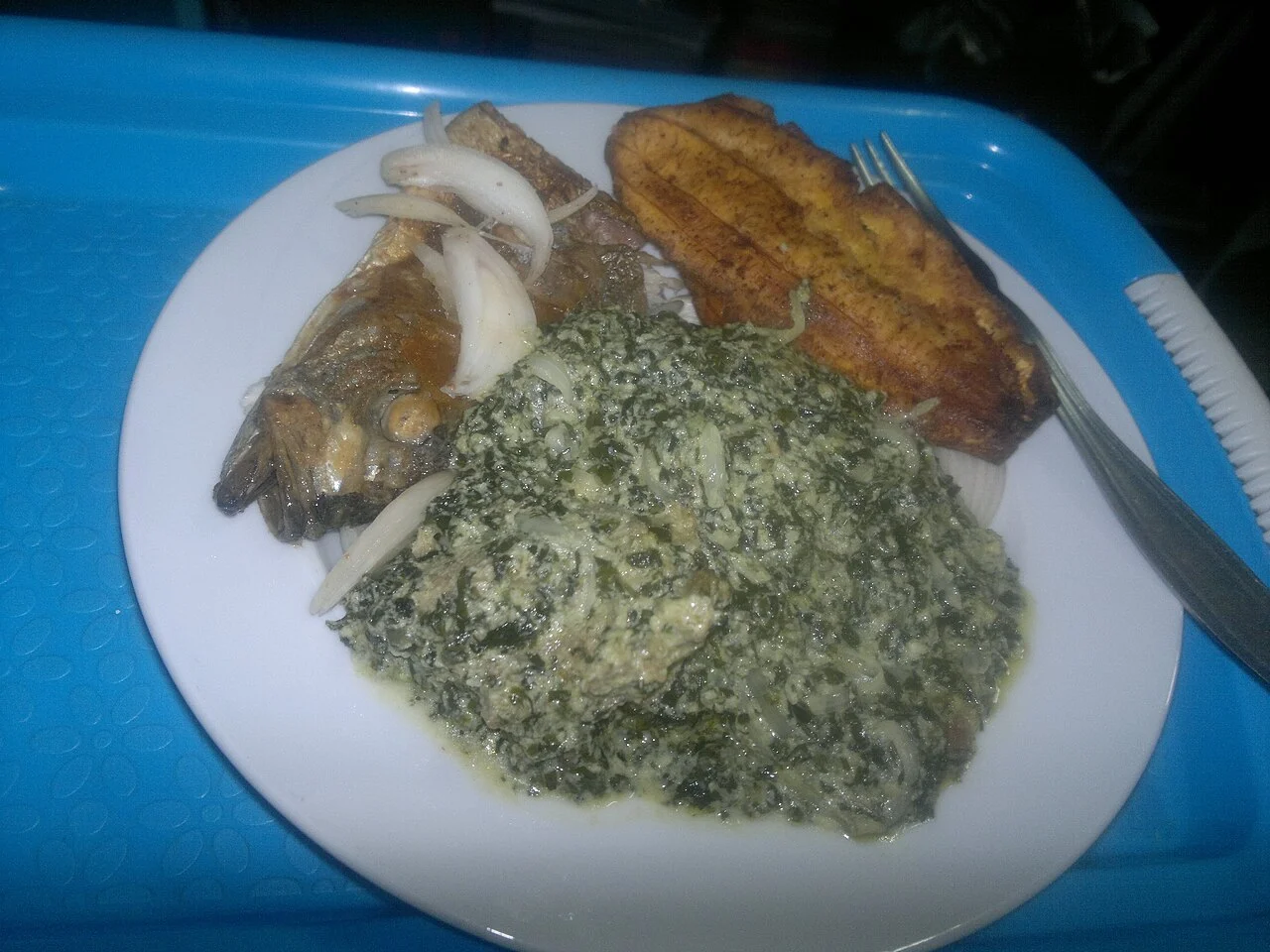

The photographed ndolé plate is attributed to the Douala region in its source and dates to 2014. It is not presented as a current restaurant menu. Fit meals into the daily geography: lunch near the principal appointment and dinner after returning towards accommodation. Understanding urban food culture does not require a long transfer into another region. Exploring different accompaniments and portion arrangements can offer a more useful introduction than hurriedly ordering several famous names without understanding what is on the table.
Rivers and another meal: more than one image of the country
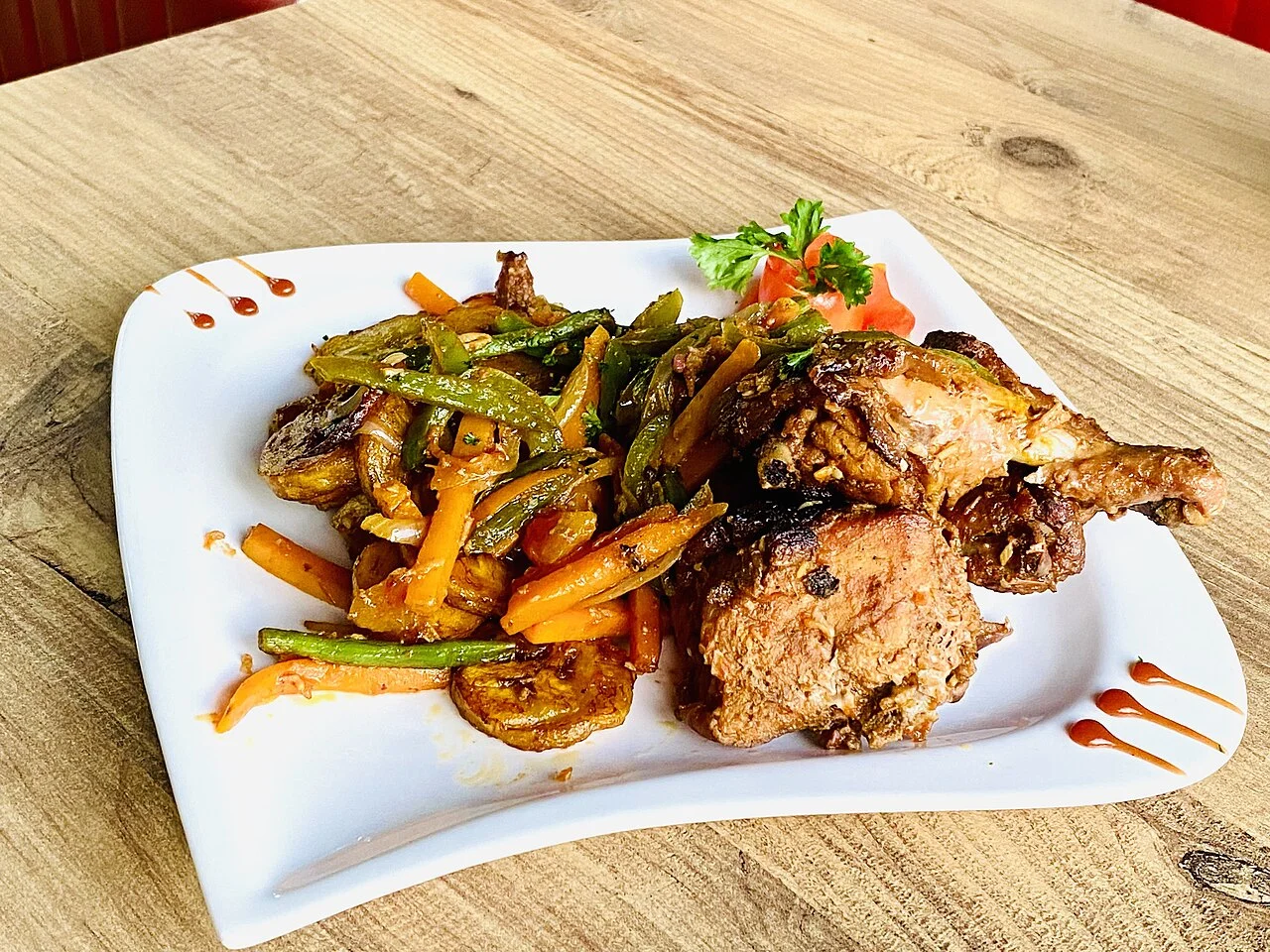
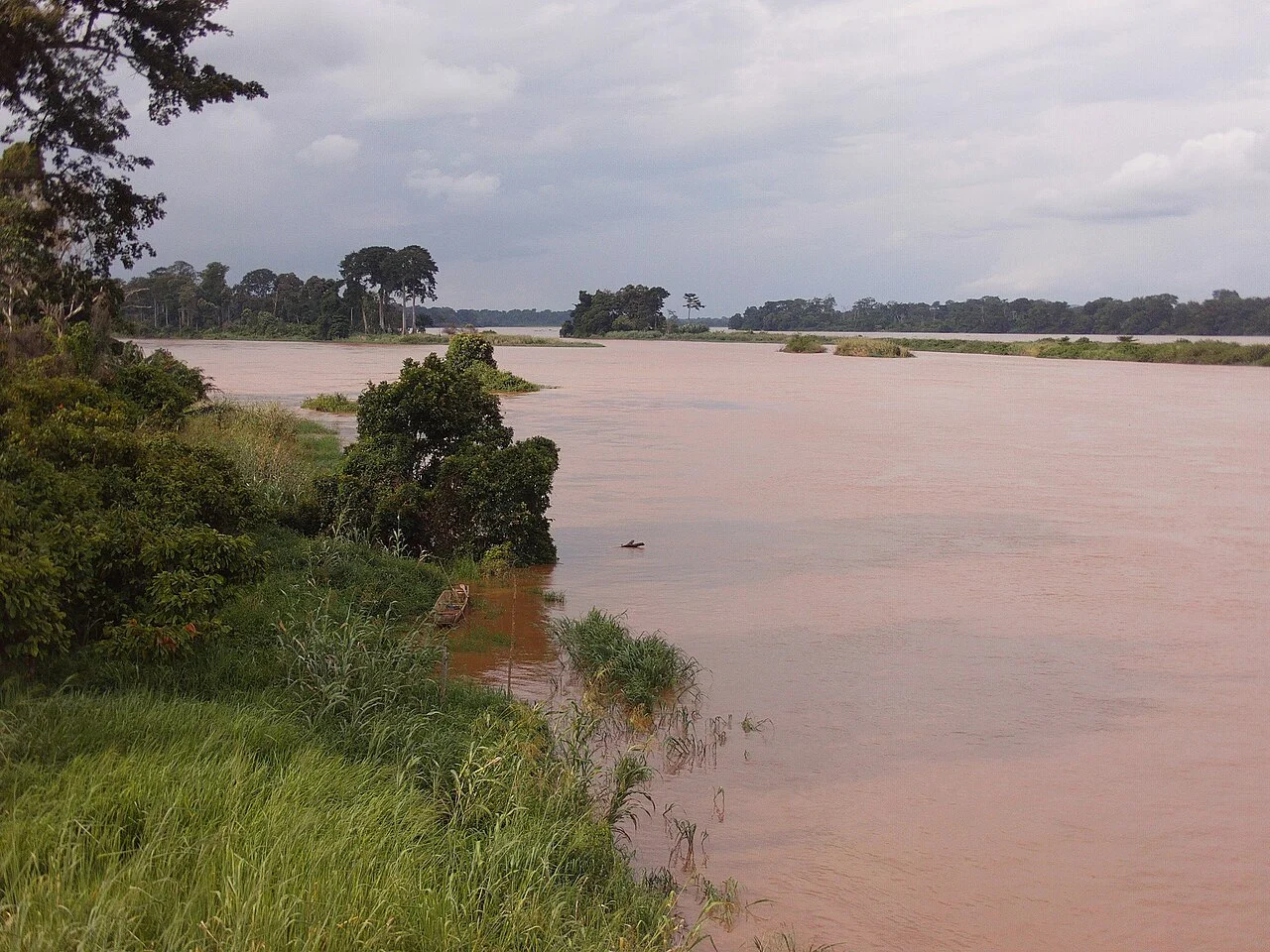
The 2012 image of the meeting of the Sanaga and Mbam rivers explains part of the country's water landscape. It is not a recommendation for a visit or boat service at that point. The poulet DG photograph shows chicken and plantain photographed within Cameroon in 2025. Its source coordinates pointing to a different region do not constitute advice to travel there for a meal. These scenes illustrate different aspects of the country. If an appropriate menu where you stay offers such a dish, learn its ingredients; no particular business or access is promised.

A conditional four-day example could include arrival and rest in one main city, a confirmed cultural or business appointment with a ndolé meal, another short city programme and a different dish, then the return transfer. A Kribi option replaces city days and requires a separate transport assessment; it is not automatically added on top. Complete entry documentation, flight, money and phone preparation through official channels. Curiosity about Cameroon does not need a promise to see every region. A realistically chosen programme can leave time for a table, a landscape and the local rhythm.