
Pune: the old centre, Gandhi heritage and a southern hill
The Tatilmerkezi Stork divides Pune into three different city areas: Shaniwar Wada and the old centre, Aga Khan Palace to the east, and Parvati with Sarasbaug to the south. This allows a first visit without trying to reach distant entrances during one afternoon. The guide covers Pune city rather than every mountain and fort in Pune district or Maharashtra state. Five calendar days and four nights provide three complete sightseeing days between arrival and departure. Someone adding sightseeing to a business trip can choose only the old-centre day. Encountering the historic name Poona does not identify another destination. The purpose is to connect each day’s walk, meal and return instead of completing one long monument list. Keeping eastern and southern programmes separate makes the transport decisions understandable and gives each visit room to develop.
Five days and four nights: separate the city clusters
Day one is arrival, the accommodation transfer and dinner nearby. Day two combines Shaniwar Wada, a short old-centre walk and an appropriately planned connection to Pataleshwar. Day three goes east for Aga Khan Palace, followed by a shorter city pause. Day four groups Parvati and Sarasbaug in the south. Day five is departure. The programme therefore means three full sightseeing days and four accommodation nights. Select lunch within each day’s cluster to reduce cross-city journeys solely for food. A late arrival or early departure does not turn the remaining evening or morning into a complete visit day. If a museum or temple is unavailable, shorten the programme in the same area. Sinhagad, Rajgad and Lonavala are not automatic city additions: each needs its own travel, time and visitor purpose.
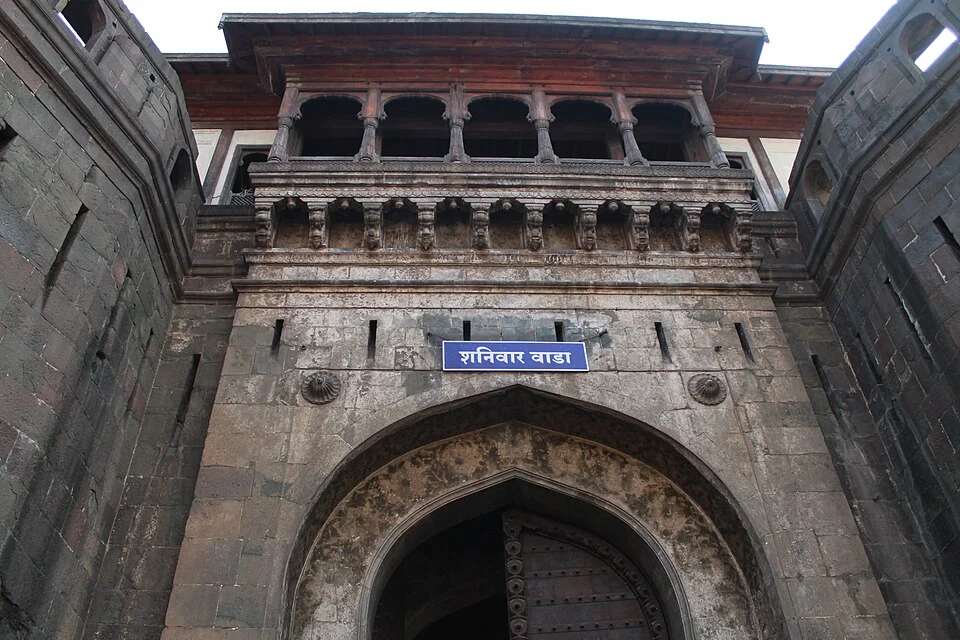
Shaniwar Wada: start with the surviving fabric
Observe the entrance structure and the actual arrangement of preserved areas during the Shaniwar Wada day. Do not interpret an extensive palace description on a district tourism page as proof that every historic floor and room survives today. Ask at entry about currently open areas and visitor rules. A shorter old-centre street walk can follow. For a lengthy historical explanation, choose somewhere that does not interrupt pedestrian circulation. Learning the identity of one building does not require covering every old-city street that afternoon. A nearby misal pav meal can connect the cultural visit with cooking. If considering an evening show, independently verify that date’s programme: a tourism page mentioning a show does not demonstrate identical operation every night. Leave time for a final pause and the accommodation return. The day remains useful even without an additional ticketed evening activity.
Pataleshwar: a rock-cut stop within the city
Treat Pataleshwar as a separate stop on day two. The Indian Meteorological Department’s Pune description introduces the rock-cut temple within Shivajinagar. Assess the route and transport from Shaniwar Wada using current maps; this guide does not invent a precise walking duration. The entrance and worship areas are not an ordinary public park. Follow local instructions about shoes, behaviour and photography permissions. If an interior visit does not suit you, a pause around the outside approach and trees may suffice. Establish the meeting point before entering a narrow area rather than placing the entire group at the same spot. Every added attraction uses time. Adding another museum means shortening the old-centre walk. Calm observation at fewer locations offers a different experience from hurrying through a lengthy checklist, and it leaves more room for the explanations that make the visit meaningful.


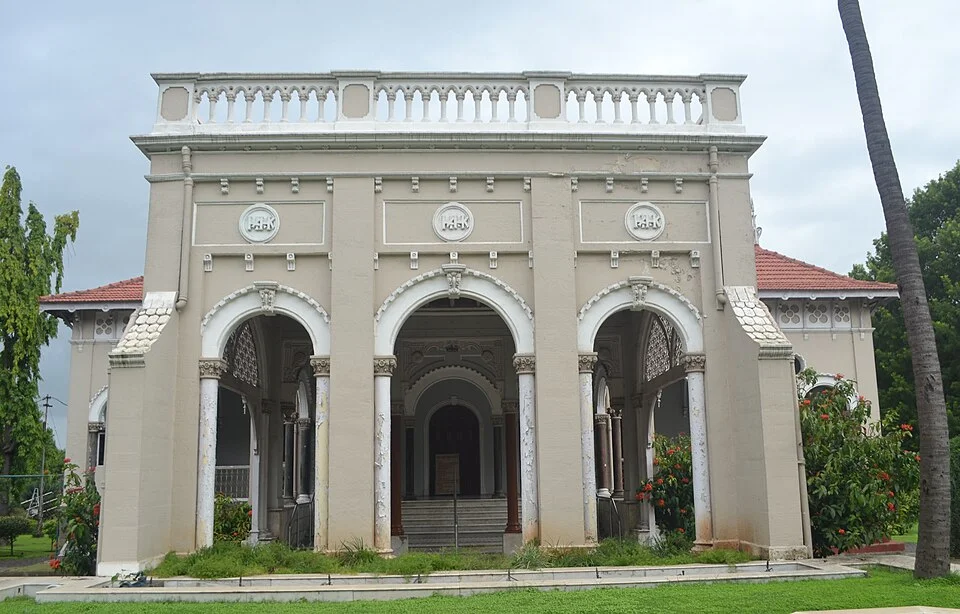
Aga Khan Palace: devote the eastern day to history
Aga Khan Palace anchors day three through Gandhi heritage. Maharashtra Tourism explains the historic building’s independence-movement context and museum role. Exterior arches and internal exhibition areas need not have identical visitor conditions; ask about open sections, final entry and photography rules. Seeing the facade does not complete the interpretation inside. Leave space for quieter reading and observation. Plan this as an eastern city day, selecting a meal or short neighbourhood pause during the return. If considering an address around Koregaon Park or Kalyani Nagar, examine the exact location and connection rather than assuming a named neighbourhood proves an establishment is open. Turning the palace day into an extended southern-hill programme adds unnecessary travel. A shorter afternoon and a return to the accommodation are valid choices. Historical understanding benefits from time within the selected location rather than a large count of distant stops.

Parvati and Sarasbaug: two different southern pauses
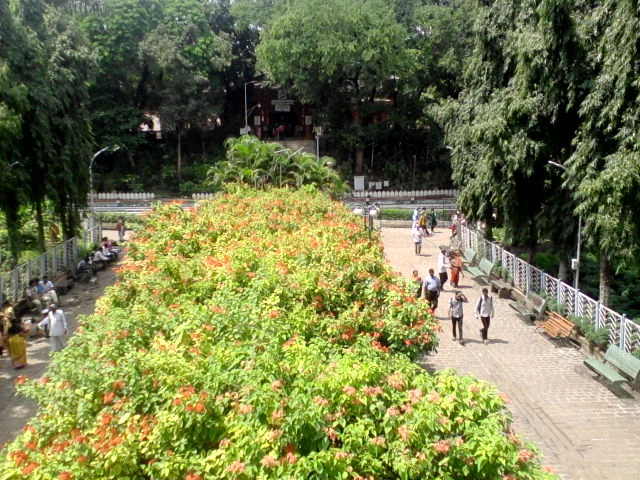
Allow the hill ascent its own visiting time during the Parvati day. Maharashtra Tourism introduces a hill, temples and city views. If steps or slopes do not suit someone, do not force the entire group into the same ascent; a shorter southern programme remains possible. Temples follow active use and local instructions. The garden pause around Sarasbaug provides a different, generally lower-level rhythm afterwards. These are not one structure or the same garden. Plan the connection and meal individually, avoiding another long walk immediately after a hill visit. Use the last full evening to complete shopping and packing rather than adding a distant excursion. A successful garden-and-view day does not depend on entering every temple. One selected ascent and a resting area can complete the city programme. Adjust the sequence to the group’s actual pace instead of treating a printed itinerary as an obligation.


A meal with misal pav, bhakarwadi and mastani
Official Maharashtra Tourism identifies concrete Pune flavours including misal pav, bhakarwadi, puran poli and mastani. Misal pav offers a meal through a spicy mixture with farsan and bread. Bhakarwadi can be a smaller snack, while puran poli is a sweet flatbread with jaggery and lentil filling. If choosing mastani as a milk-and-ice-cream dessert pause, consider it alongside the day’s main meal. The entire list need not fit one morning. Choose misal for the old-centre day, a small snack during the palace return and a preferred sweet on the final evening. Menus and preparation vary by kitchen; no claim is made that every establishment offers the same presentation or spice intensity. Obtain present prices and waiting times from the actual business. Trying regional dishes in Pune does not mean all of them originated exclusively within this city. Keep dining addresses within the selected sightseeing cluster where practical.
Choosing a base, metro checks and actual connections
Compare accommodation in the centre or around Shivajinagar with an eastern option. Starting the historic-centre day may favour the first, while the palace day or an actual business address may favour the second. Pune in an accommodation headline does not establish closeness to every attraction. Use the exact address, a suitable station and the final door connection to decide. Consult the official Pune Metro website for current lines, stations and journey information; do not present an announced extension as an operating service. Arrange airport or railway arrival transfers separately from sightseeing connections. No exact current fare or journey duration is invented. Sources were checked on 4 October 2026. Leave departure morning allowance for traffic and terminal procedures. Retaining all three full sightseeing days depends on flight times and the time genuinely available, rather than the number of dates shown on the booking.