
Cambodia: a measured temple, capital and southern route
Tatilmerkezi Stork does not ask you to consume the whole country at the pace of one temple morning. This country guide proposes twelve calendar days and eleven nights connecting Siem Reap, Phnom Penh and the Kampot area. Day one is arrival, days five and seven are regional transfers, day eleven returns to the capital and day twelve is departure. Days two, three, four, six, eight, nine and ten leave seven full sightseeing days. You do not have to buy flights in this order; reverse the route if real airport connections favour it. Its core is three accommodation areas and daytime transfers. Border temples and an overland approach through Thailand are outside this itinerary because of the current warnings described below.
Siem Reap arrival and an Angkor Wat day
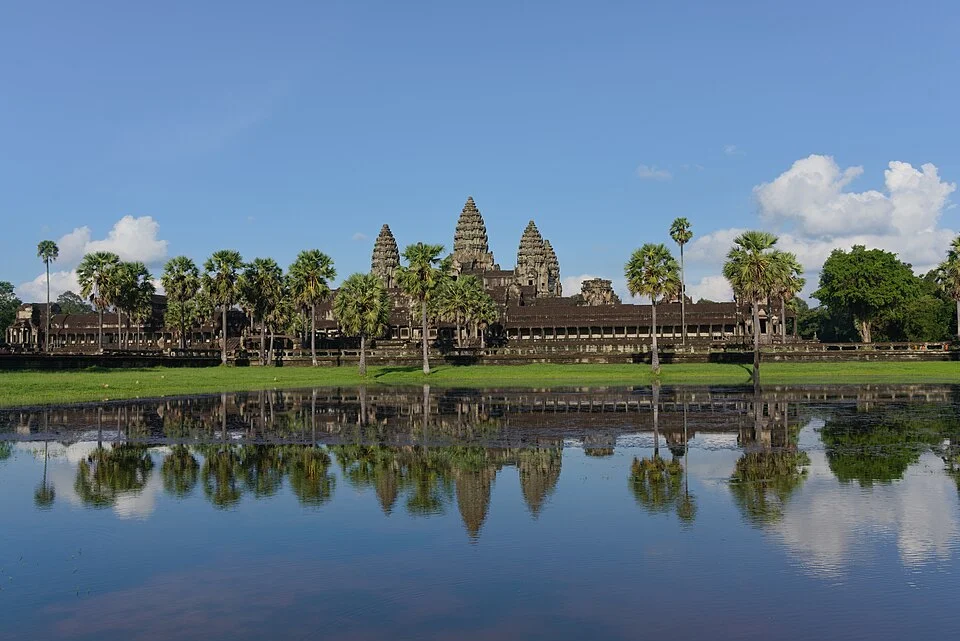
On day one, settle into your room, discuss the following morning’s meeting point with the driver or guide and adjust to the heat. Give day two to Angkor Wat. Check the appropriate visitor pass and its conditions through official Angkor Enterprise rather than assuming an online advertisement is an authorised sale. Sunrise is optional. Even with an early start, leave a substantial break around the hottest part of the day: shade, water and rest belong in the programme. Walk slowly through open visitor areas instead of squeezing numerous temples into one morning. Do not touch stone carvings or cross temporary conservation barriers. A clear photograph is not a reason to obstruct worship or other visitors. Agree the return arrangement and driver’s waiting conditions before setting out.
Day three: Angkor Thom and Bayon
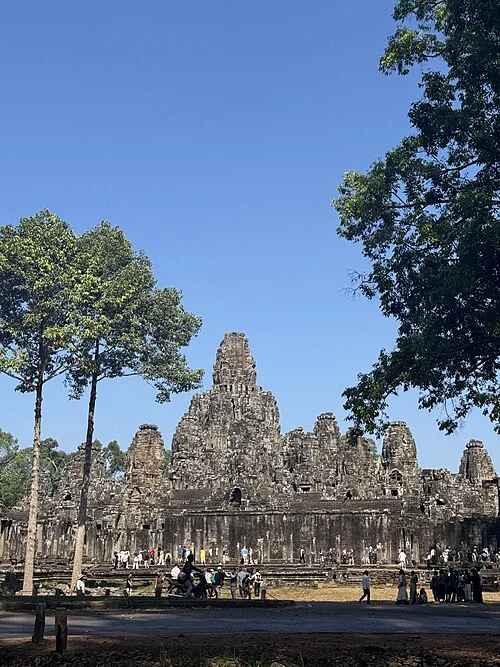
Use day three for a separate programme around Bayon within Angkor Thom. If the previous walk felt tiring, choose a shorter visit. APSARA’s visitor guidance places clothing, conservation and respect for local culture at the centre of responsible behaviour. Bring suitable clothing covering shoulders and knees and follow current instructions on site. Do not assume stairs or narrow passages are accessible. Travellers with wheelchairs, pushchairs or knee problems should discuss the actual visitor route with a guide. Seeing Bayon’s stone faces does not mean climbing to every upper level. Finish the afternoon with a seated lunch and a short neighbourhood walk in Siem Reap. Adding a remote border temple would increase the journey and move beyond the responsible scope of this guide.

Day four: a conditional Tonle Sap choice
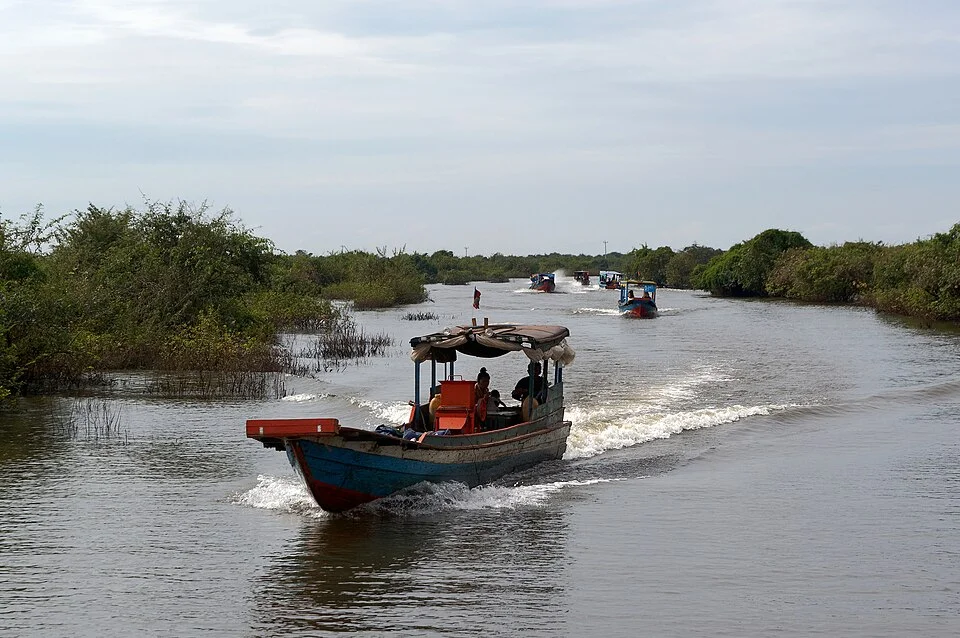
For a day-four visit around Tonle Sap, confirm the season, water level, departure pier and actual itinerary with the operator. A photograph from a previous high-water period does not establish today’s boat access. Understand what the fare includes, the life-jacket arrangement and return point before departure. Do not photograph homes or children in lakeside settlements as though people were a performance. Seeking permission and following a local guide’s advice are basic parts of the visit. School or orphanage visits should not be chosen as tourist entertainment. If conditions are unsuitable, use the day for rest in Siem Reap. A few spare hours are not a loss in a longer country trip. On day five, make a daytime transfer to Phnom Penh, confirming the terminal and hotel link with the real operator.

Phnom Penh: civic history and the palace area
On day six, combine the palace area with a suitable museum visit in the same part of the capital. Royal Palace remains a working royal compound, so do not assume private quarters are open. Official tourism information separates the public visitor area from the protected residence. Check current hours and ceremonial closures and put the phone away in interiors where photography is prohibited. Keep a riverside walk short and in daylight, adjusting to the heat. If exploring recent history, give a memorial or museum enough time rather than treating it as a rushed selfie stop. Arrange the evening return vehicle and the next day’s Kampot departure point in advance. Assess a connection through the operator’s current plan rather than through a map’s kilometre figure.
Kampot and Kep: separate countryside and coast
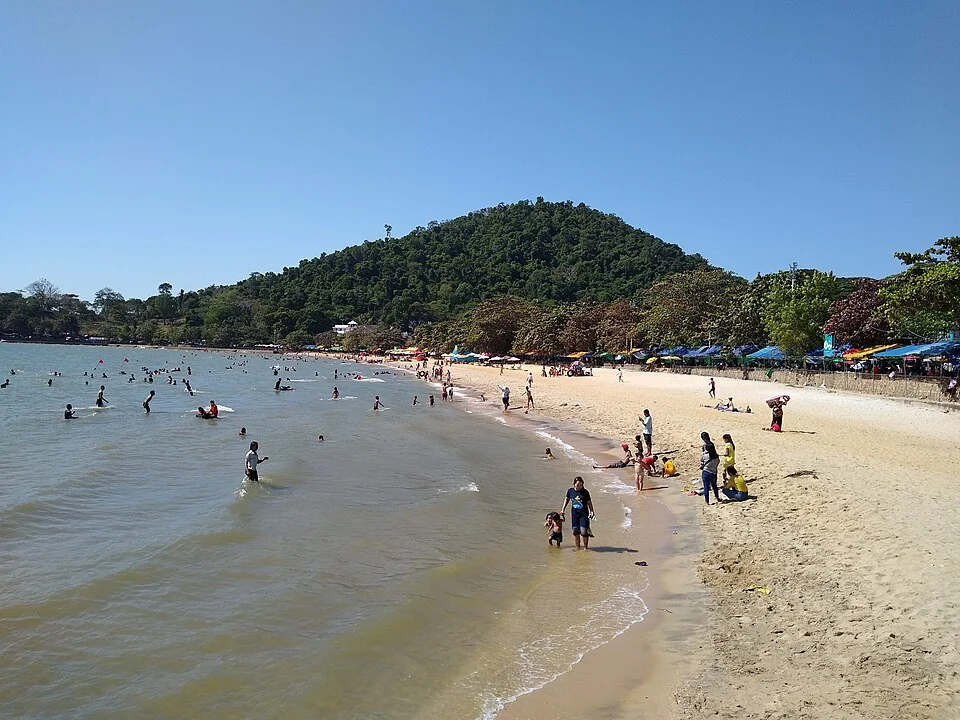
Transfer to Kampot and settle in on day seven. Use day eight for surrounding countryside and a pepper-related visit through an establishment that is open and accepts visitors. Seeing a farm photograph does not mean you can enter any field. Give day nine to a separate return outing to Kep: a coastal walk, shade and lunch can make a satisfying day. Do not automatically add a boat-dependent island excursion without considering the weather and return conditions. Leave day ten for rest or a safe activity postponed earlier. Return to Phnom Penh on day eleven and stay overnight before the day-twelve flight. This avoids attaching a long road transfer on the final morning to the same-hour international check-in, although no buffer guarantees protection from disruption.


Accommodation choices and domestic transport
In Siem Reap, consider morning vehicle collection, meals and the evening return when choosing a room. Being in the nightlife centre is not an advantage for everyone. Compare Phnom Penh accommodation through its relationship to your intended visits; in Kampot, decide between walking to central meals and a countryside setting. A room’s sunset photograph does not guarantee transport at every hour. Keep transfers, accommodation, baggage and activities as separate budget items, requesting a current written quotation and cancellation terms. Adding too many stops to a driving day increases fatigue. Car or motorcycle hire is not a default requirement: check the licence, insurance and road conditions against your actual needs. Stone steps can become slippery in rain, so reliable footwear and a light waterproof layer are useful preparations.
At the table: amok, num banh chok and Kampot pepper
The Cambodian tourism ministry’s food glossary describes amok as fish and egg seasoned with the herb-and-spice paste kroeung. Num banh chok offers rice noodles, herbs and varying accompaniments, particularly as a breakfast choice. Around Kep, crab cooked with Kampot pepper is a regional meal example. Do not present these as identical recipes available daily in every restaurant. Discuss fish, egg and shellfish allergens, sauce ingredients and your preferred heat level before ordering. Ask whether an apparently vegetarian plate uses fish sauce or fermented fish paste. A lighter lunch suits a temple day, while a Kampot evening can hold a longer meal. When buying pepper or packaged food, check its label, transport arrangements and your own country’s food-entry rules rather than assuming every souvenir can be carried home.
Entry procedures and the current border warning
Sources were checked on 4 October 2026. Read eVisa eligibility and accepted entry-point requirements for your passport through official evisa.gov.kh, and arrival-declaration requirements through e-Arrival. They are separate procedures. The UK FCDO advises against all but essential travel within twenty kilometres of the land border with Thailand. Land crossings remain suspended, some border temples are closed and unexploded ordnance presents a risk. Accordingly, this guide does not suggest a Bangkok overland bus as an open connection. Staying outside the warning area is not a safety guarantee; read your own authorities’ current advice and insurance conditions. Remain on marked visitor routes and change the programme for rain or local closures. The Stork would rather omit a temple than remove the space needed for a real connection and proper rest.