

A short trip to Bahrain becomes more rewarding when the skyline, markets and historic houses are not forced into one continuous walk. Manama's commercial life, Muharraq's pearling heritage and the archaeological layers at Qal'at al-Bahrain deserve different parts of the programme. Tatilmerkezi Stork suggests three nights in one accommodation base with two full cultural days: one for Manama and one for Muharraq. With more time, reserve the fort and Dilmun archaeology for a separate day. This country guide is aimed at visitors finding their bearings around the capital, rather than selling a hurried airport stopover. Sea views, shopping and meals should support the history itinerary without expanding it into an exhausting checklist.
Current regional risk: keep the programme flexible
FCDO advice checked on 4 October 2026 says the general warning against non-essential travel to Bahrain has been lifted. It still highlights regional tensions, the possibility of further attacks, cancelled flights and airspace closures, and records an earlier warning concerning central Manama. Neither normal services nor safety are guaranteed by the change. Recheck official advice, the airline and local instructions before travelling. Avoid demonstrations and security installations; do not photograph security incidents. Select arrangements that allow cultural visits to be postponed. Understand insurance coverage, return alternatives and accommodation emergency contacts beforehand. This guide does not propose marine excursions or a route around military facilities.
Accommodation: market access or the fort direction?
A Manama base convenient for the souq can connect an early walk with a seated lunch. If considering the Seef area, compare the fort-day transfer alongside the journey back from an evening meal in the centre. Staying in Muharraq may suit a heritage-focused visitor, but do not assume every historic lane contains suitable accommodation. A short distance on the map is not proof of an easy walk with luggage or in hot weather. Ask about the entrance, lift, shade, taxi stopping point and breakfast arrangements. For a family, connected rooms, rest time and manageable transfers can matter more than a pool photograph. Choosing a base by the day's actual departure and return points makes the whole stay easier to understand.
Manama: a market walk followed by museum time
Open the first full day with a short walk around Manama Souq. Rather than making getting lost the objective, identify a meeting point and an exit. Leave time to sit between streets of spices, textiles and everyday trade, and ask before photographing traders. If shopping, comparing one chosen product may be more useful than collecting several bags in a rush. Plan a separate transfer and a cooler indoor period for the Bahrain National Museum. Its interpretation of Dilmun, traditions and crafts provides context for the next day's pearling heritage. Check current gallery access and hours with the institution; there is no need to exhaust the entire collection in one visit.
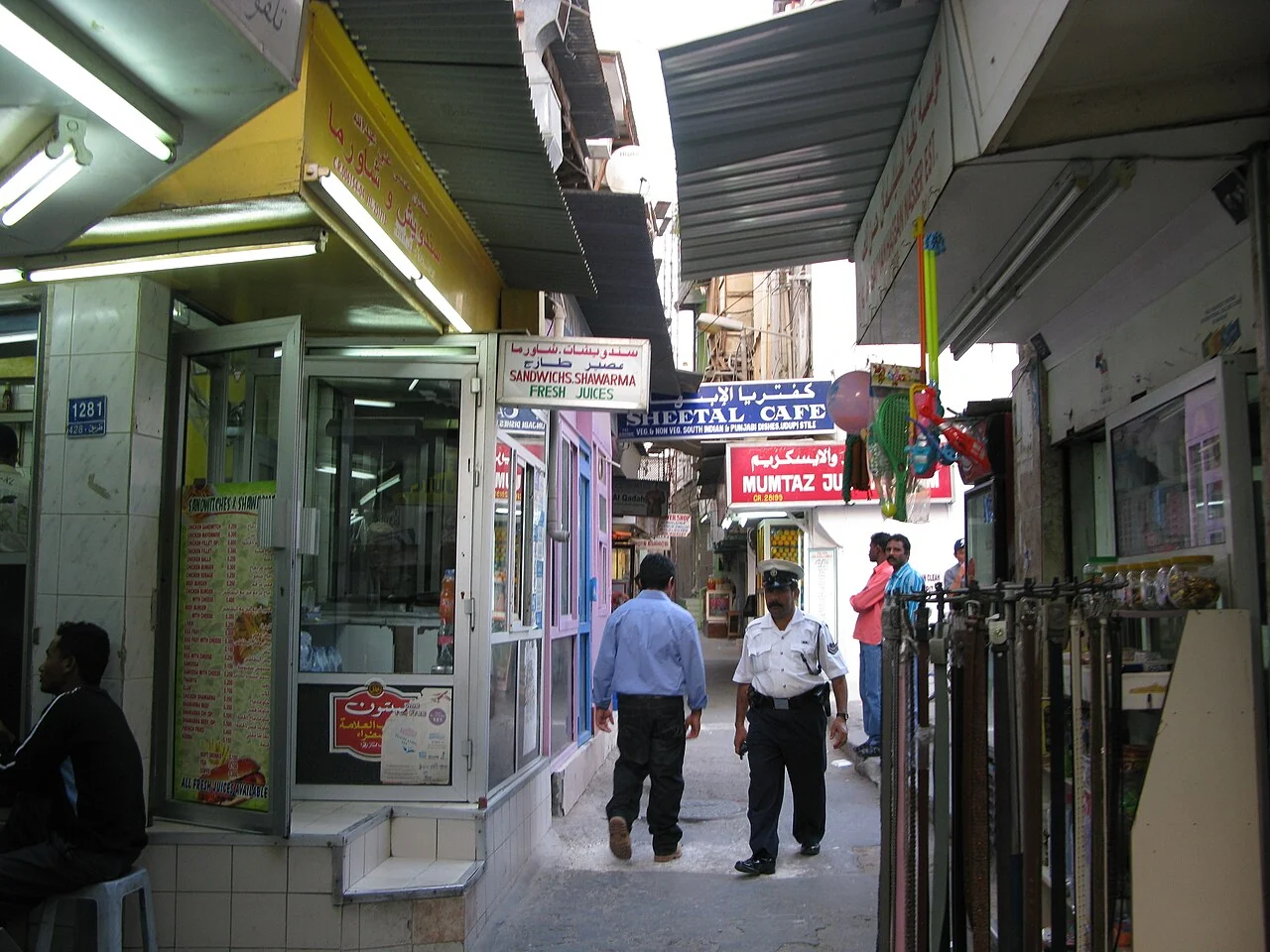

The souq and museum are not presented as an uninterrupted walking route. Connect them by bus or reputable taxi according to heat, traffic and mobility. If tired in the afternoon, avoid adding another evening neighbourhood. Returning to the accommodation for rest can make Muharraq's courtyards and domestic details easier to appreciate the following day. A waterfront photograph offers a sense of the city, not evidence of an operating boat service or a safe swimming location. Build the day's practical movements around conditions on arrival rather than the visual closeness of sites on a screen.
Muharraq: read the pearling route in short sections
Give the second day to the Pearling Path area in Muharraq. Official tourism information connects historic houses, merchants' meeting spaces and buildings associated with the pearl economy. Start with a confirmed accessible visitor point and choose several buildings available that day. Two or three stops can introduce the relationship between warehouse, courtyard and home. Do not construct an itinerary that assumes every interior is open: restoration and continuing religious use can affect access. Move with shaded pauses and seating, and give a courtyard's details time. Contemporary interventions may also be encountered, but historic residences and new visitor structures should not be described as belonging to the same period.


Connect the walk with everyday neighbourhood life. Verify the meal stop, respect privacy and avoid turning residential entrances into photo positions. Promotional routes mention boats towards Bu Maher, but this programme can be planned around land-based walking and vehicle connections. Do not add a boat without confirming current restrictions, permission and operator arrangements. The older night-time street image identifies a Muharraq setting; it neither confirms that the same businesses remain open nor recommends a night walk. A focused heritage day can be satisfying without requiring every transport mode offered in a tourism brochure.
The fort and A'ali: an extra day for heritage interests
Qal'at al-Bahrain can anchor a third full day. Considering the fort, coastal archaeology and site museum together offers more context than taking a photograph beside the walls and leaving. Plan footwear, water and sun exposure for the outdoor component, and do not enter excavation sections merely because they are visible. Combining this with all of Muharraq's pearl houses in the same morning would flatten two distinct historical stories. With limited time, select the one that best matches your interests and reserve the other for a future visit. The fort day can remain short enough to allow a comfortable seated break before returning to the base.
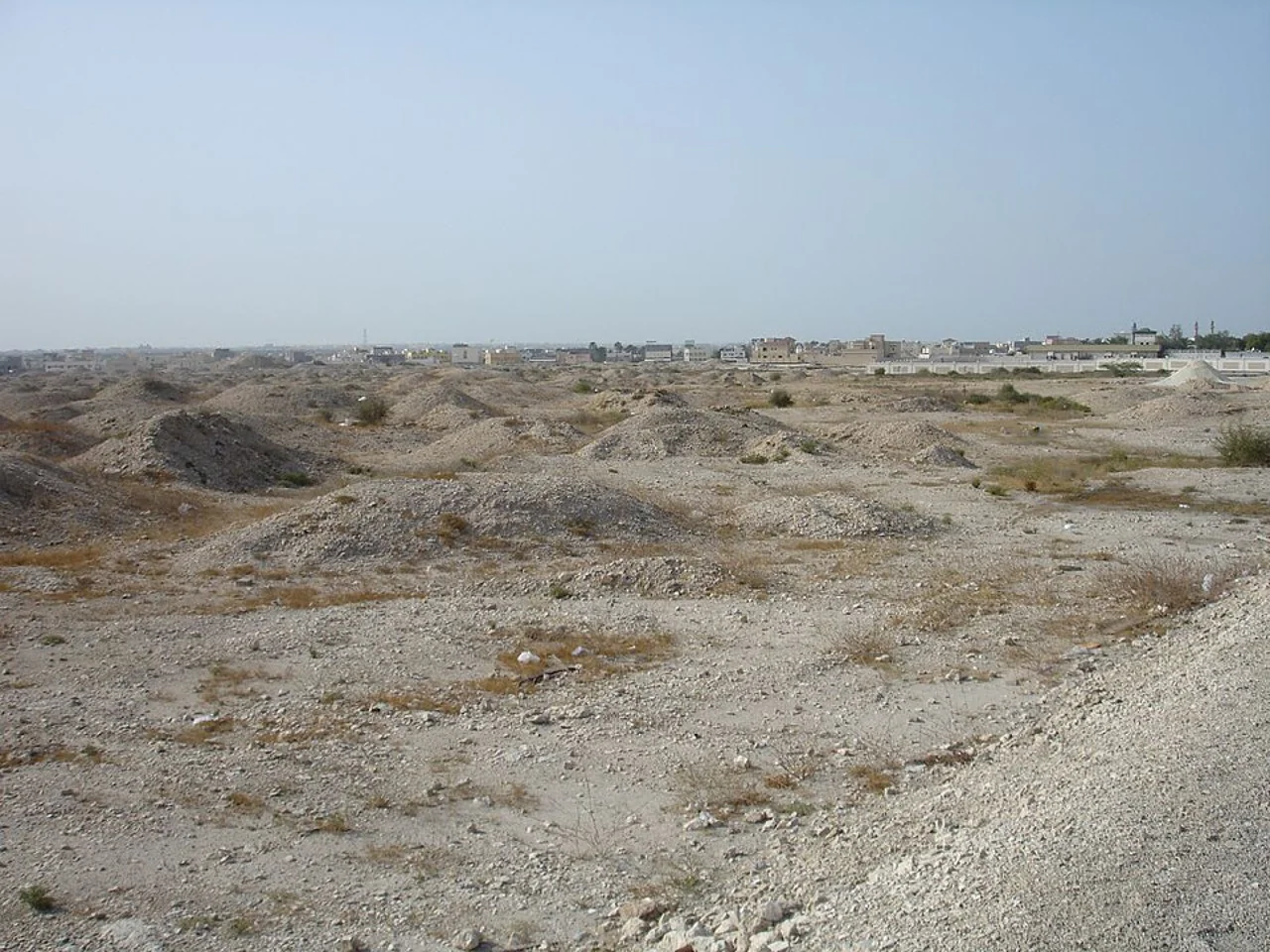

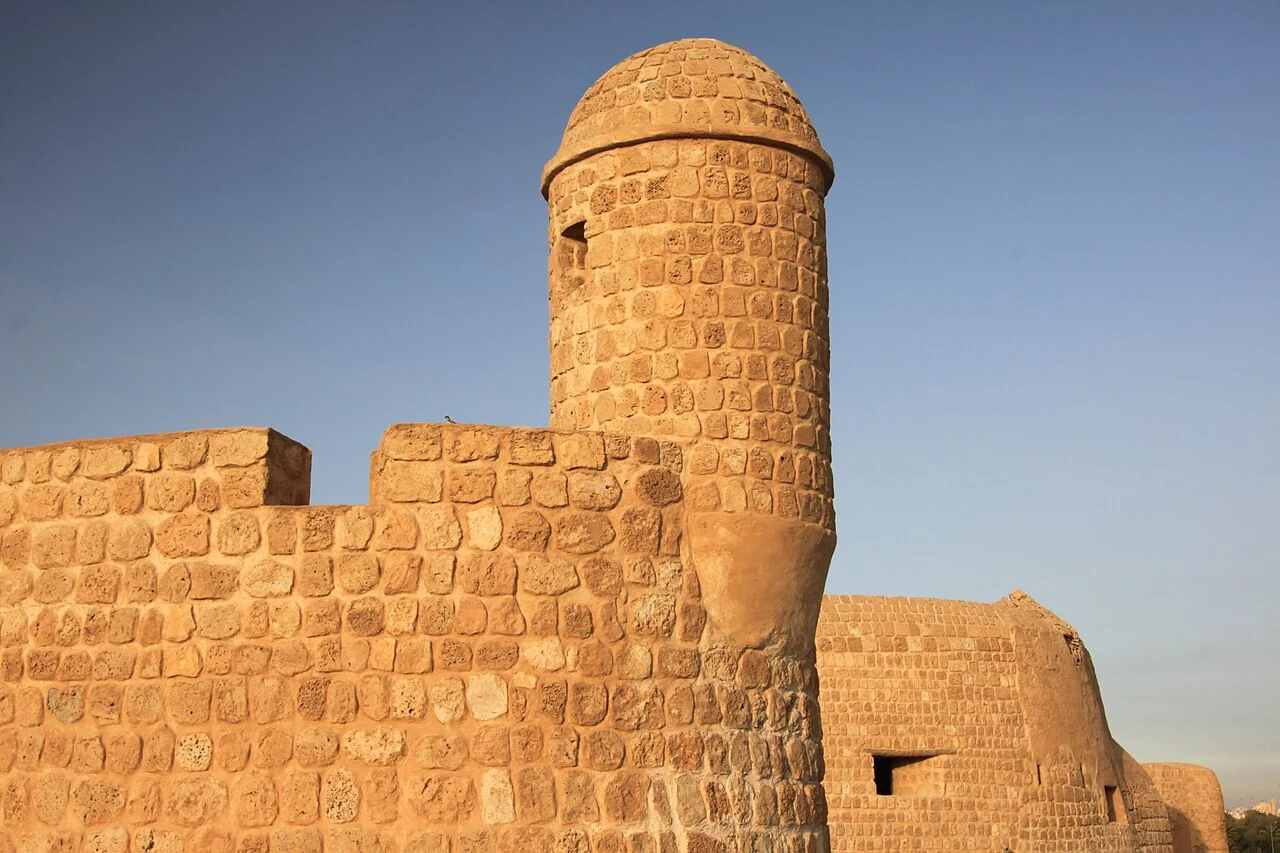

The Dilmun burial mounds around A'ali suit a more specialised archaeological interest. Add this branch only with confirmed permitted access and current local guidance. Mounds are not climbing hills or picnic grounds. Linking the terrain with the burial interpretation at the National Museum helps explain the low rises visible on site. The historical photograph is not a current entrance guide. Account for a vehicle connection between A'ali and the fort rather than treating them as adjoining attractions. Avoid extending a second archaeology visit into an airport departure day, when a delay would affect the entire onward journey.
Machboos: connect lunch with the market day
Official tourism information describes Haji's Cafe in Manama Souq through traditional breakfasts, grills and machboos, while noting a changing daily menu. The listing provides a concrete starting point for local meal research, not a reservation guarantee. If machboos is offered, ask which meat or fish accompanies the rice, whether the portion is suitable for sharing and how to communicate a preference for heat. The dish name alone cannot resolve an allergy question. A seated hot meal after the morning market walk can work well; in Muharraq choose a straightforward lunch whose access has been confirmed. One named cafe need not become a compulsory stop on every day of the programme.
Transport and an example three-night distribution
Use Bahrain Public Transport Company's official journey planner, maps and service information. For an airport bus, separately check the current stop and luggage practicality. This guide does not give fixed departures or invented fares. With a late arrival, a reputable taxi and an agreed accommodation transfer may be simpler to understand. Check visa eligibility for your own passport through the official eVisa service and relevant authority; do not apply a different nationality's entry rules to yourself. Arrival and settling in, followed by Manama on the first full day and Muharraq on the second, is an editorial example rather than a sold tour. Add a night for the fort rather than compressing it. The Stork's final suggestion is to favour three well-understood cultural stops over five hurried transfers: Bahrain's story also unfolds in the time left for reflection and an unhurried meal.