
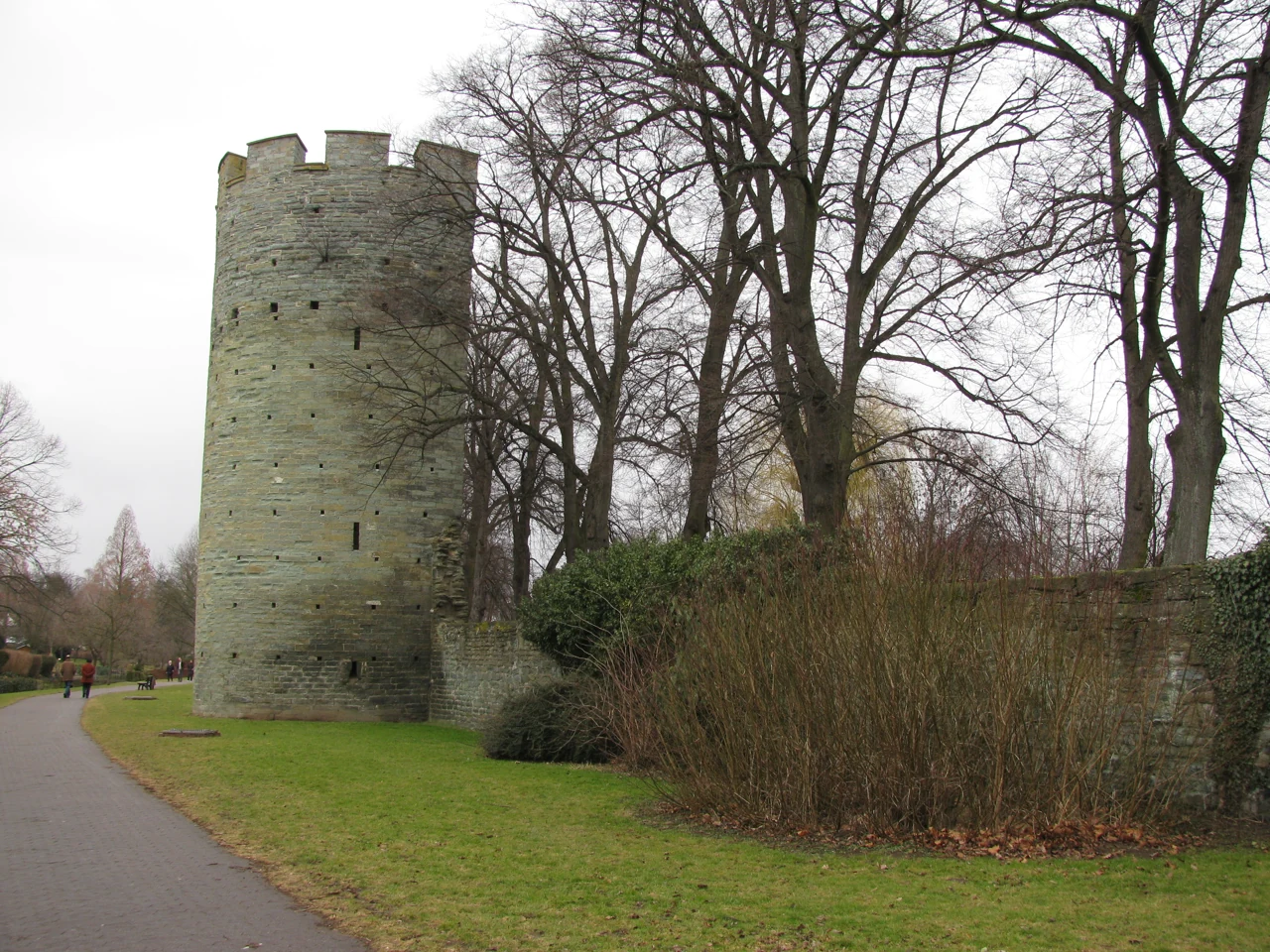
Soest in North Rhine-Westphalia offers a compact historic city visit shaped by green sandstone buildings, churches and a tree-lined defensive wall. Use Germany in accommodation and route searches to distinguish it from the Dutch town with the same name. One day gives you time for selected central sights at an unhurried pace; an overnight stay creates space for an art museum and a second look at the streets in the evening. The main idea is to balance substantial stone buildings with an outdoor walk, rather than trying to enter every church on the map.
Begin around the town hall and St. Patrokli
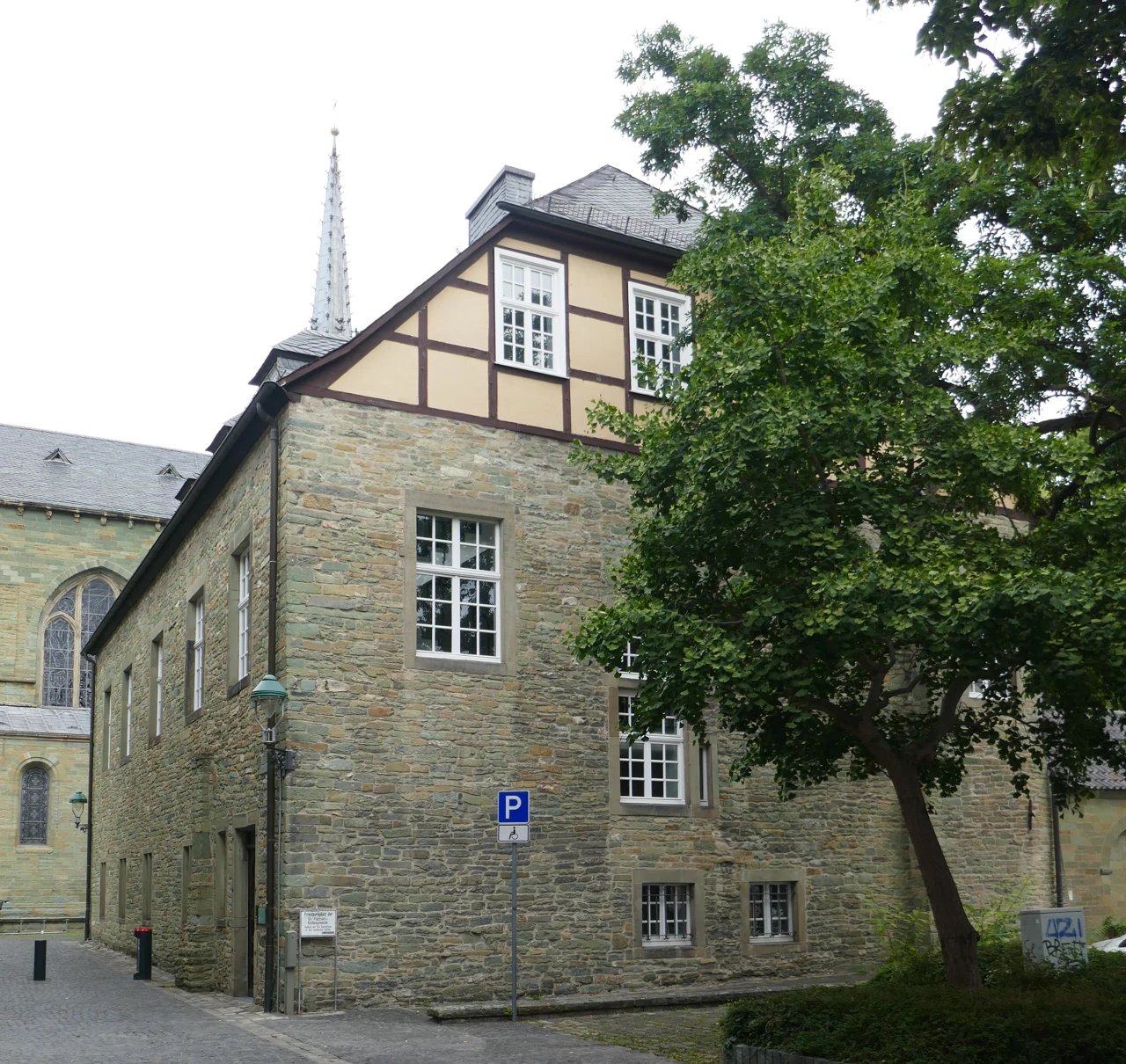
Make the town hall and Domplatz area the first part of the route. The large tower of St. Patrokli provides a useful reference point. Although the building is locally called Patrokli-Dom, the tourism information notes that it was never a bishop's cathedral. Walk around the exterior before going inside so that you can compare the walls, openings and neighbouring urban buildings.
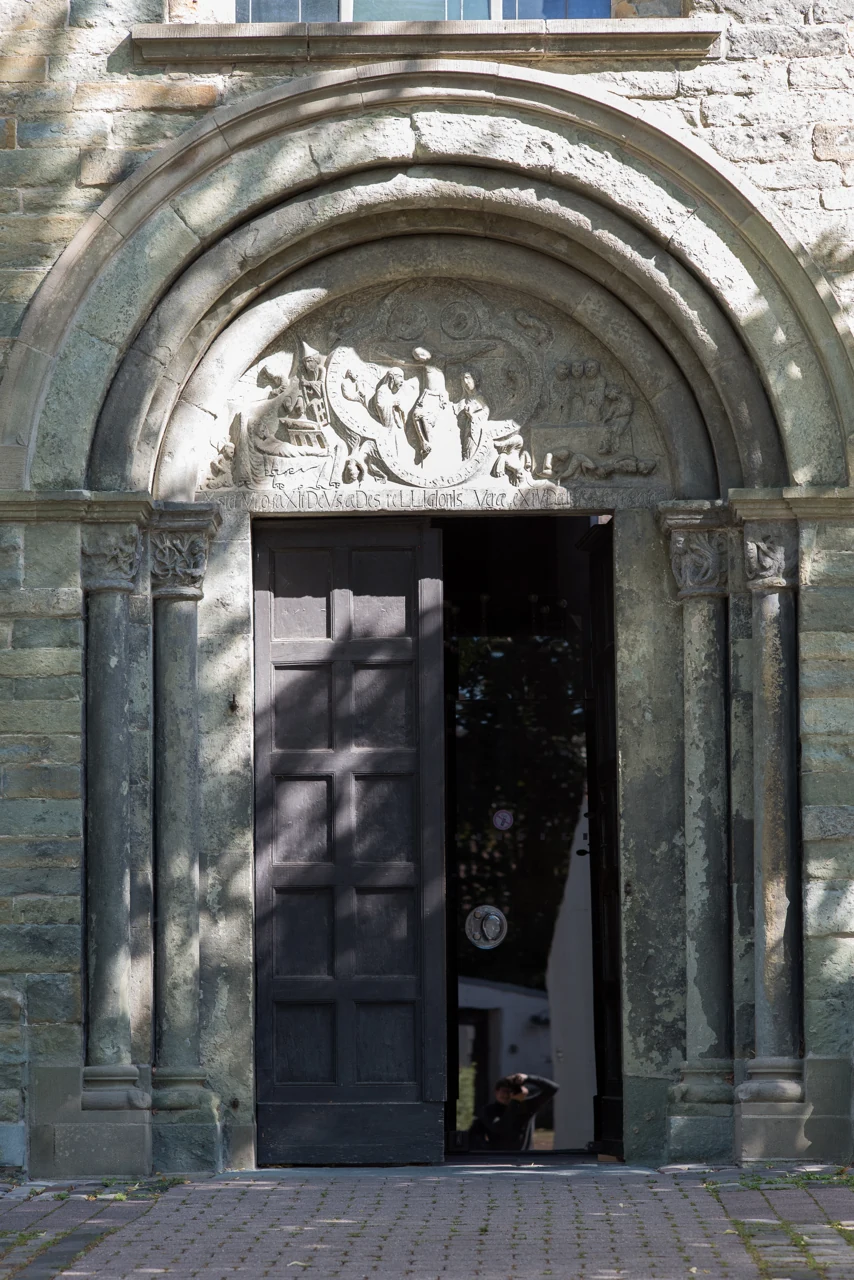
Arrange any interior visit around worship and current access conditions. If the door is closed, continue through the nearby streets and return later instead of spending the whole morning waiting. The town hall surroundings can serve as a meeting point if your group wants to explore separately for a while. Photographers should change position rather than concentrating only on the principal façade: the sandstone can look quite different as the light changes. Time spent looking carefully here will give the next architectural stop more context.
Compare the Wiesenkirche
St. Maria zur Wiese, also known as the Wiesenkirche, is at Wiesenstraße 26. Its late Gothic hall-church architecture offers a comparison with St. Patrokli. The tourism office explains that scaffolding associated with long-running tower restoration is part of the building's familiar appearance. Do not base your expectations on an entirely clear façade in an older photograph. The work need not prevent a worthwhile visit, particularly if you give more attention to smaller details and interior light.
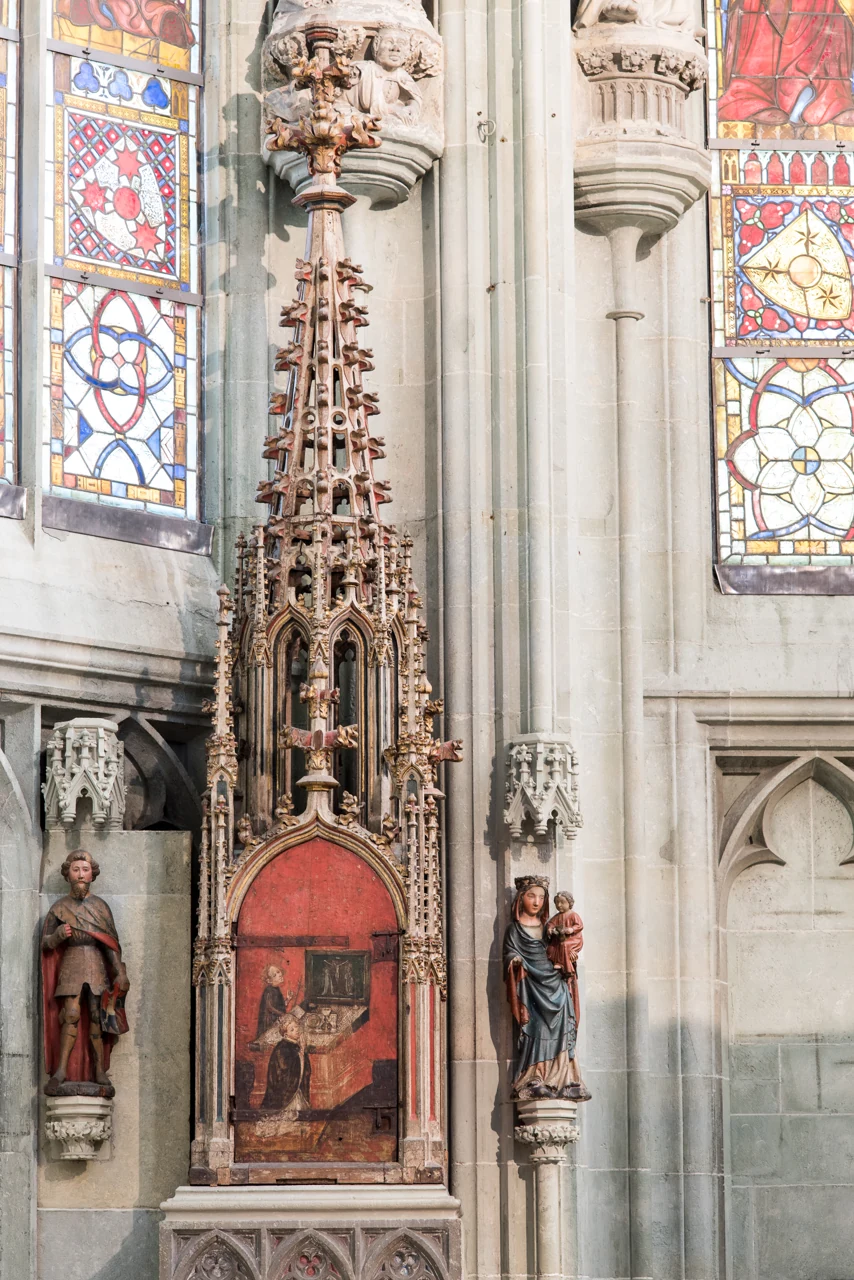
The Westfälische Abendmahl window is notable for its regional table elements in a depiction of the Last Supper. Look at the setting before focusing on the individual details. Bright daylight and a darker sky can make quite different viewing conditions, and looking closely with your eyes may be more informative than trying to photograph every pane. Work around services and check the local instructions concerning photography rather than assuming that all parts of an active church can be photographed freely.
Use the wall walk as an outdoor interval
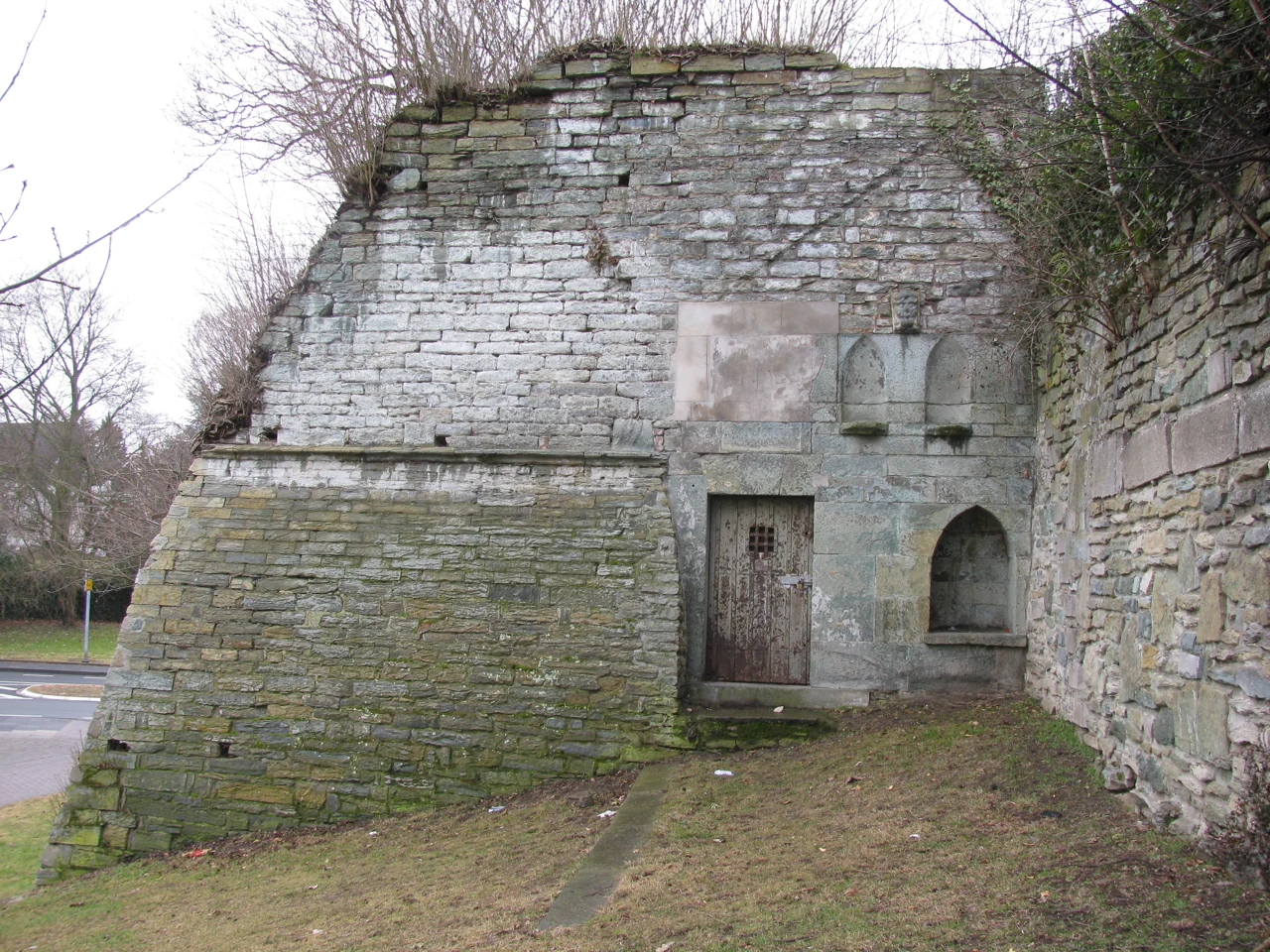
Soest's defensive wall route provides an opportunity to walk under trees after the denser stone surroundings of the centre. You do not need to complete the entire line. Select a section that connects comfortably with your central walk and decide where to return. Treating the wall as part of your route, rather than as an object to view only from a distance, changes the pace of the visit.
Its appearance varies between leafy months, autumn and bare winter branches. A particular season in a photograph will not be waiting for you throughout the year. Take care on wet surfaces and avoid committing to a long circuit that you would have to finish after dark. With children, identify the next meal or rest point before going further from the centre. Making this a planned interval, rather than an activity added only because there is spare time, helps balance the day.
Choose an art visit if the programme interests you
Art enthusiasts can check the current programme at Museum Wilhelm Morgner mit Raum Schroth. For a one-day visit, shortening a second lengthy church interior may be the best way to make space for the museum. Exhibitions change, so do not use an old travel article's list of works as a promise of what you will see. Choose the visit because its current programme interests you, with enough time to look properly.
If you prefer to remain outside, the Großer Teich and Teichsmühle surroundings appear on the city's sights page and can provide another shorter stop. The pond area and museum need not both become compulsory. A clear order of priorities reduces the chance of abandoning several half-finished visits when your return transport approaches. Soest lends itself to a sequence of smaller walks, but the total time spent on paved streets still deserves a place in the plan.
A proper meal at Brauhaus Zwiebel
Brauhaus Zwiebel, at Ulricherstraße 24, is a real restaurant stop. The current operator menu lists Zwiebelschnitzel with fried onions, chips and mixed salad. For a meat-free alternative it also lists Popeye pancakes filled with creamy spinach and finished with Gorgonzola. These provide specific main-course ideas for a break between churches and the wall route. Discuss the portion and preparation with the staff if you have dietary requirements.
Leave enough time for a seated meal instead of booking it immediately before the departure connection. Depending on your priorities, place lunch after the church visits or use it as the end of the outdoor circuit. Recheck the restaurant's own hours and menu to avoid relying on outdated prices or kitchen closing times. A group does not need to choose the same dish; looking at the menu together before arriving can make the decision easier without taking time away from the visit.
Staying overnight at Pilgrimhaus
Pilgrimhaus, at Jakobistraße 75, is a historic hotel and restaurant and a real accommodation example. Compare its address with your walking route before booking, including how you would return after an evening stroll. Discuss stairs, room access or a quieter room explicitly if those matter to you. Read restaurant notices separately from accommodation arrangements: a restaurant closing day does not by itself mean the entire hotel is closed.
For a single day, the centre, two selected churches, a main meal and one section of the wall make a coherent plan. With two days, move the art museum or pond surroundings to the second day and revisit the squares in the evening. On departure day, leave time to collect bags and reach the station before choosing a final short walk. This creates a visit built around Soest's different textures and spaces instead of a long checklist that has to be completed at the last moment.