
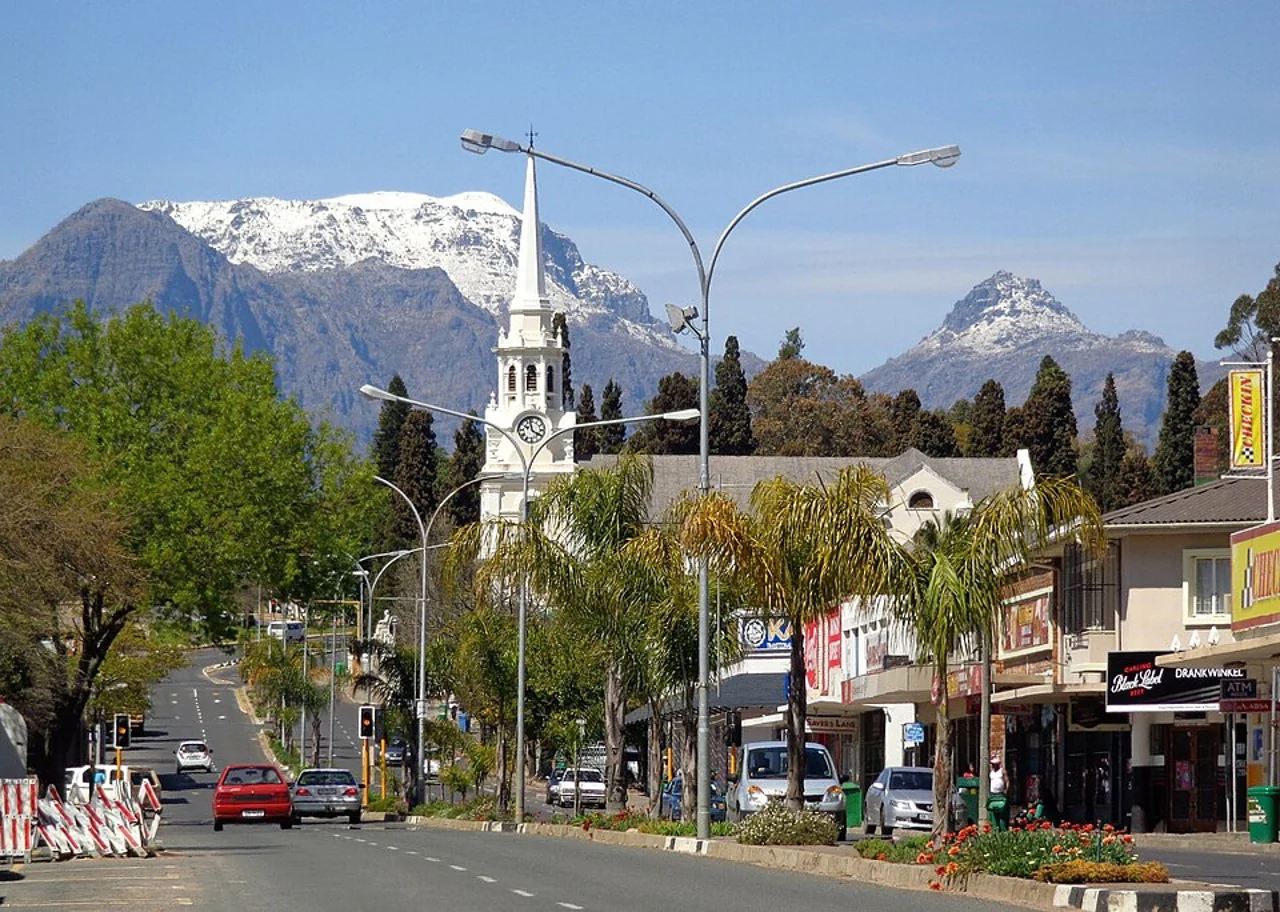
Attach the Wellington name to the right place
A Wellington search can easily lead to New Zealand; this time the Tatilmerkezi Stork lands in the town in South Africa’s Western Cape. The visit is not about Te Papa, a harbour capital or the Kelburn cable car. It compares Wellington Museum’s local education and settlement interpretation with the Egyptian collection in the same institution. Seeing nearby histories and a distant geography interpreted within a town museum raises a different kind of curiosity from admiring a historic facade. State the country explicitly when researching accommodation and transport so the namesake does not determine the booking.
Two nights across three calendar days can work as a starting plan: arrival and a short exterior reading, one full museum day with two collection focuses, then departure. This is not a claim that two different museums or two complete visiting days are provided. To study the themes more slowly, add a third night and create a second full day. Weekend and public-holiday opening is by appointment, so duration alone cannot promise access. Confirm your dates before treating the proposed rhythm as a definite collection visit. A journey day remains separate from the full institutional day.
First layer: how does an education town appear?
Education and religion are important themes in the institution’s own account. Use the first part of the complete visiting day for settlement and education: where a school, an institution or a person’s story is interpreted, consider who had opportunities to learn and how education shaped town life. The museum page connects the Huguenot Seminary, Huguenot College and later educational institutions. That connection does not mean every part of a functioning college is open to tourists. An institution’s history inside a museum and its current rules for entering a working education site are separate matters.


In an exterior reading, consider how a sign, doorway or arrangement of buildings relates to the account you have seen. The Huguenot College photograph in this guide supplies historic exterior context, not evidence of a guided interior tour. Families might ask children who would have learned in such a setting, which is more approachable than memorising a long chronology. Adults can choose one connection between education and settlement to note. Respect the privacy of students and staff. Photographing grounds or interiors may require permission; a building’s historic status does not remove those boundaries.
Second layer: an Egyptian collection in Wellington
The same museum identifies its Egyptian collection as a distinct focus. After a rest, move from the town’s own story to the question of how objects from another geography are interpreted locally. Where a label is available, separate its account of date, function and arrival in the collection. An object’s age does not by itself explain how it was collected. Use the information supplied by the institution rather than inventing an excavation location, a personal journey or an origin story. Questions about the object and questions about its museum setting are both worth keeping.


This comparison is more than repeating the same collection walk. The morning considers education in relation to a town; the afternoon asks about the gap between an object’s original context and the place where it is displayed. Children can identify one question the label answers and another it leaves open. Contact the museum about photography, drawing, a special guide or access to a particular object. Not every piece or room is guaranteed to be available every day. Historic objects also do not remove the separate rights in photographs and the contemporary design of an exhibition.
A Bovlei Road meal: boerewors and pap
Cape Town Tourism’s Wellington guide dated 8 September 2026 specifically lists boerewors and pap, as well as bobotie, at the Grillroom on Bovlei Road. The sausage-and-maize-porridge option gives a concrete meal to consider after the museum day; ask the business whether it remains available when ordering. The local Go Wellington visitor listing confirms the same restaurant and location. This gives the meal plan a verifiable connection to a real business instead of a vague instruction to find somewhere to eat. No fixed price or unchanging recipe is claimed for the journey.


Do not assume that this restaurant sits beside the central museum door: resolve the actual Bovlei Road connection from your room and available transport. A table after the collection reading may be easier than interrupting the confirmed visiting window. Explain allergy, meat-free or children’s portion needs in advance, and do not infer the sausage ingredients from its name. If adding an alcohol tasting or another vineyard activity, arrange the return connection accordingly. This guide’s town and landscape photographs are not presented as a plate of food or the restaurant’s current interior.
A base around Church and College Street
The museum gives its address as the corner of Church and College Street. For a central stay, check the real entrance connection, evening return and luggage arrangements. Families who want to return to a room for a rest may find a nearby base useful, but proximity should not be judged by a straight-line map distance alone. In a historic property, ask specifically about stairs, bathroom layout and parking needs. Attractive architecture in an accommodation photograph does not guarantee the same access arrangement for every visitor. Make these requirements part of the booking decision rather than an afterthought.

A valley stay may offer a broader setting while adding the transport work of reaching the museum and the restaurant. From Cape Town or elsewhere in the Western Cape, compare a hire car, an arranged transfer or a service confirmed for the actual date and starting point. This guide assumes no continuously available app vehicle or particular rail departure. Do not turn a photograph of Lady Loch Bridge into a compulsory pedestrian connection; the current pedestrian conditions and chosen route require separate assessment. Reading historic infrastructure and relying on it for the travel connection are different decisions.
One day, appointments and the lasting comparison
For a short visit, choose one education subject and compare it with one labelled object in the Egyptian collection. A single complete day shaped by that question can be more useful than claiming to have covered every period and every piece. The official museum page observed on 5 October 2026 publishes weekday access and an appointment requirement for weekends and public holidays. Do not assume an open door without arranging that appointment. If the collection is inaccessible, an exterior town walk remains an exterior walk rather than a completed museum visit.
Close to the journey, discuss access, rest needs and any special guide with the institution again. Rain or heat may shorten the outdoor section, leaving more attention for a confirmed indoor theme. The Stork’s final question is particular to this Wellington: what different things do a local school story and an object collected from far away communicate within one museum? Keeping that distinction makes South Africa’s town an identifiable cultural break. It is neither confused with its New Zealand namesake nor substituted with an interchangeable vineyard itinerary.