
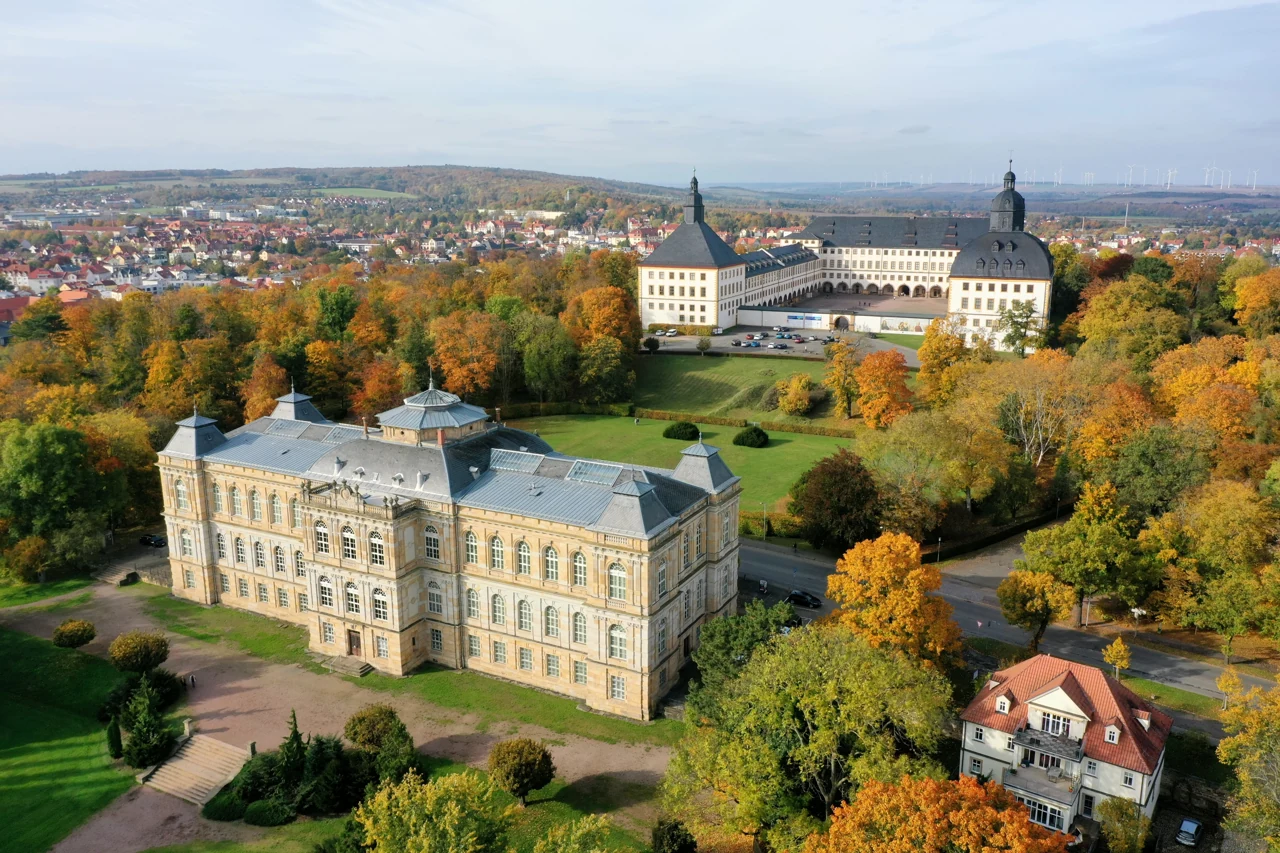
The most useful decision for a first visit to Gotha is to treat Schloss Friedenstein and the Herzogliches Museum as separate destinations. The palace occupies the hill; the museum stands below it near the park. Hauptmarkt and the old town extend on the other side of the palace. This guide joins those places into a practical day for visitors arriving by train, with one substantial indoor visit rather than an attempt to rush every collection. Choose whether historic palace rooms and the theatre, or the museum's art displays, matter more to you. Build lunch and the outdoor walk around that choice. Staying overnight is particularly helpful if both museums are priorities, because it allows a second visit with time to look rather than simply adding more photographs to a hurried day.
From Gotha station to the palace and museum area
Use the official DB page for Gotha station to establish your arrival point and look up connections for the actual travel date. Large luggage changes how comfortably you can begin a walking visit. Overnight guests can leave their bags at their accommodation before entering the park area, subject to the hotel's arrangements. Day visitors should give priority to the indoor attraction whose entrance and closing times limit the itinerary. If a train arrives late, shortening the first outdoor section is more sensible than sacrificing the visit you most wanted to make.
Approaching the buildings from the park side helps you understand the layout: the museum below and the long palace frontage above belong to one setting, but they are not the same interior. Take a moment to orient yourself before heading to the chosen entrance. Visitors who avoid steps should ask the institution about accessible routes and entrances; a short line on a map does not explain the uphill connection. Once at palace level, locate the old-town direction as well. Finishing one indoor visit before going downhill for lunch avoids unnecessary climbing back and forth between a booked activity and a restaurant.
Friedenstein: historic rooms and the Ekhof-Theater
The palace is the natural choice for travellers interested in historic living and ceremonial rooms and the Ekhof-Theater. Seeing the theatre as a museum space is different from attending a performance. Do not expect an ordinary admission to include a show at any time of day. Consult the foundation's current ticket descriptions before buying: the west-tower option, palace ticket and separate museum admission have different scopes. The combined ticket extends to the following museum opening day. If you intend to spread the visit across two days, confirm how that rule works with your dates rather than assuming every calendar day is an opening day.
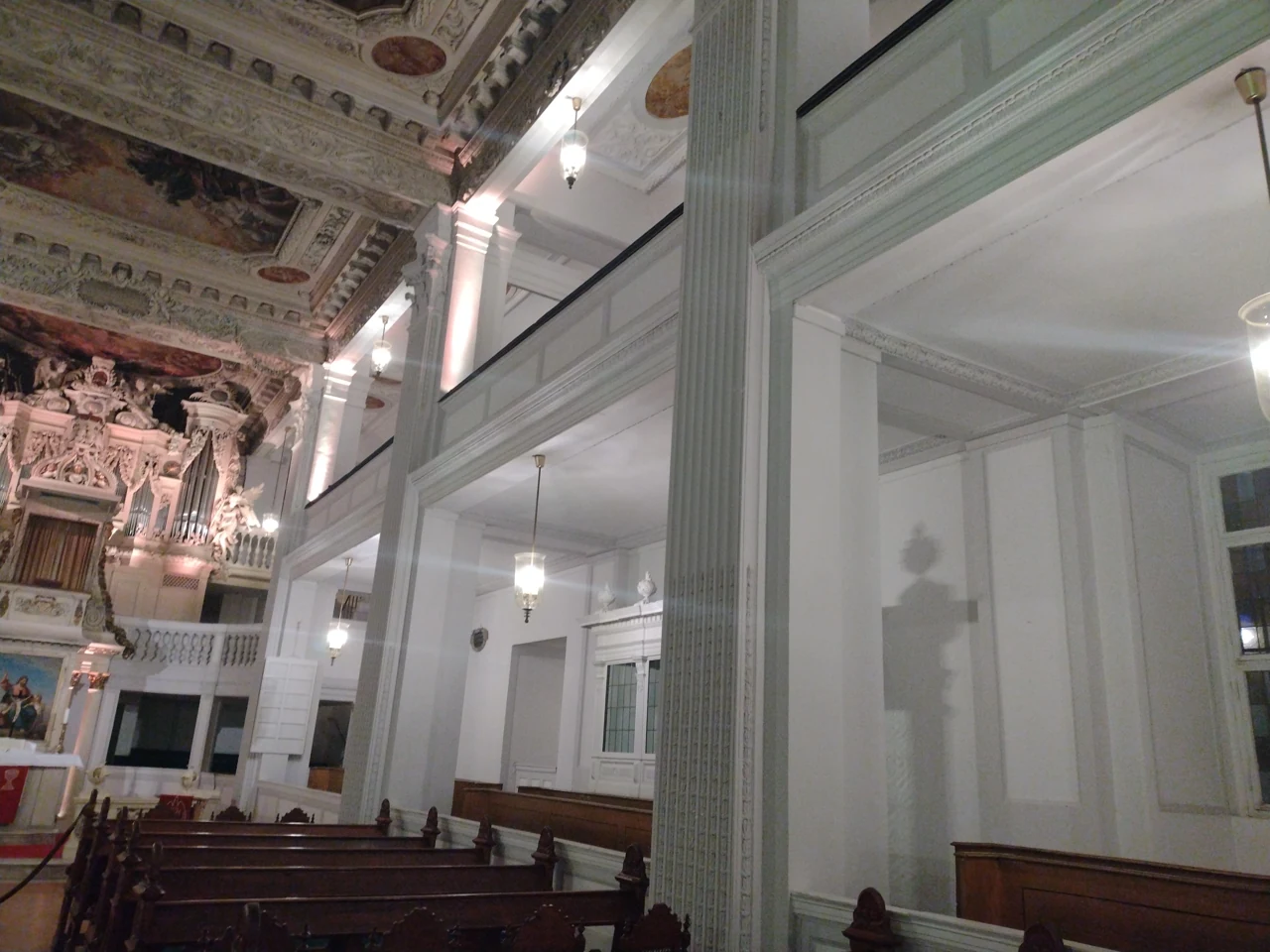
Inside the palace, notice how furnishings, ceilings and doorways work together. Following the connections between rooms makes the experience more coherent than trying to remember every individual object. Moving from a ceremonial room to the theatre also changes the scale and purpose of the spaces you are observing. Companions with different interests can agree on a meeting place at the beginning instead of forcing everyone to inspect every display at the same speed. The Schlosskirche requires particular care in planning: the official visitor information describes access by arrangement or according to the event programme. An attractive photograph of its interior is not evidence that the church is routinely open whenever the museums are.
A separate visit to the Herzogliches Museum
Give the Herzogliches Museum its own time block if the art collection is your main interest. Looking at the building after leaving the palace is a pleasant outdoor stop, but it is not equivalent to visiting the galleries. Temporary exhibitions may bring specific opening hours and admission arrangements, so read the information applicable to your date. Do not assume that the museum follows every detail of the palace timetable during a special exhibition. Selecting a subject, type of artwork or a few galleries beforehand helps a short visit remain meaningful. It is often more rewarding to remember several works clearly than to pass rapidly through the entire collection.
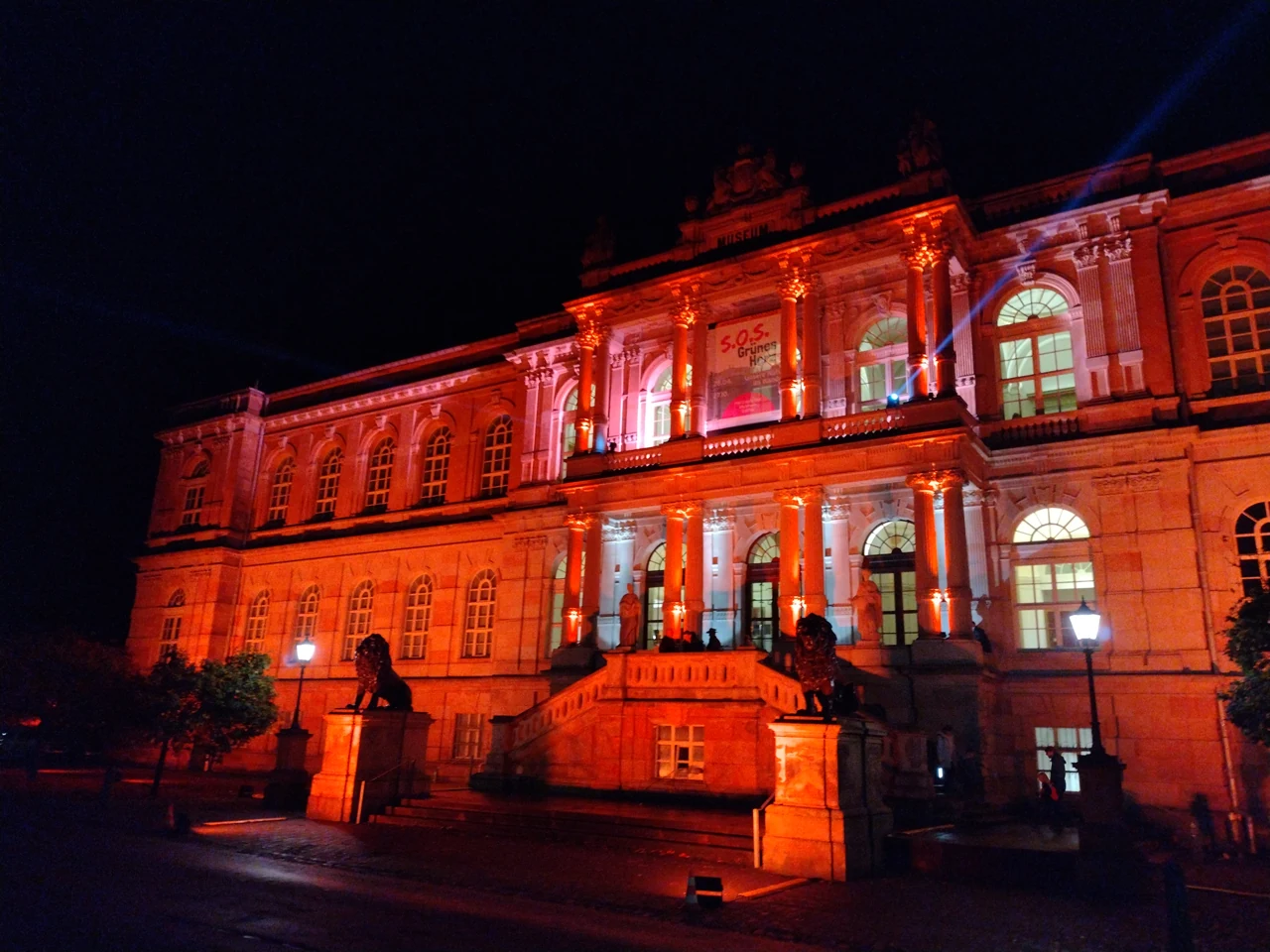
The park gives the day a welcome change of pace and also makes the relationship between the buildings visible. Walk there to understand the setting, not just to fill a gap between admissions. Wet weather can justify spending longer indoors and shortening the outdoor section; a pleasant day may suggest the reverse. Winter planning needs extra attention because the museums can close earlier. A brightly lit museum facade at night provides an exterior view, not proof of late access to the galleries. Keep the opening hours of a ticketed interior separate from the possibility of walking past its illuminated building.

Down through the Wasserkunst to Hauptmarkt
The Wasserkunst provides a useful link between the palace hill and the old town. Gotha's official tourism description identifies it as the water feature connecting Schloss Friedenstein with Hauptmarkt. Water operation is seasonal, so running cascades should not be treated as a year-round promise. Even outside that season, the arrangement helps you read the change in level between the residence and the town below. Look back towards the palace during the descent before continuing to the town hall; the reverse view explains its commanding position more clearly than another close-up of a doorway.
The red Rathaus is a strong visual focus on Hauptmarkt. Walk around the square rather than stopping for a single photograph, observing how the surrounding house fronts differ in scale. Completing the museum first leaves more freedom to turn into nearby streets without worrying about a timed admission uphill. The historic centre and park already make a satisfying first-day circuit. A distant excursion is not a compulsory final step. Sitting on the square after the walk can be a more useful ending, giving you time to connect what you saw inside the palace with the town around it.
A substantial local meal and an overnight option
The Ratskeller at Hauptmarkt 3 offers a concrete main-meal choice on its own published menu: Rinderroulade with Thuringian potato dumplings and apple red cabbage. This is a full meal that fits the old-town part of the route, rather than a snack standing in for lunch. Visitors avoiding meat can look at the two dumplings in a creamy mushroom sauce on the same menu; a cream-based dish should not be described as vegan. Ask the operator about ingredients, allergens and current availability. A published menu does not guarantee table service at every hour, so confirm a suitable meal time instead of allowing lunch to collide with your selected museum visit.
For a genuine accommodation option on the park side, Hotel am Schlosspark lists Lindenauallee 20 as its address. Compare current room conditions, breakfast arrangements and luggage facilities before booking. With a short visit, concentrate on one museum, the Wasserkunst descent and Hauptmarkt. With a full day, use the morning for the chosen interior, then lunch and the old town, with a park walk when weather permits. If both collections matter, stay overnight and use the next opening day for the second museum. Checking the return train before you start makes the final uphill or station connection easier to judge and gives the day a calmer finish.