
Delhi: three different days within one city guide
The Tatilmerkezi Stork chooses three different city days rather than lining up every monument in one afternoon: Old Delhi, a garden-tomb day around Humayun’s Tomb and the southern Qutb Minar cluster. Central addresses described as New Delhi fall within this wider city visit; the two names are not counted as independent destinations. Five calendar days and four nights leave three full sightseeing days between arrival and departure. A first-time visitor needs to distinguish historical layers and keep the limits of the day despite busy connections. Delhi does not stand for an entire India trip. Agra and Jaipur are not automatically added to this short programme. For a longer national itinerary, arrange additional travel nights without subtracting the Delhi days. Staying in one city guarantees neither walking access to every stop nor fixed journey durations.
Five days and four nights: count the complete days
Day one is arrival, the accommodation transfer and a nearby meal. Day two combines Red Fort, Jama Masjid and Chandni Chowk as one Old Delhi cluster. Day three focuses on Humayun’s Tomb and a quieter garden pause. Day four visits Qutb Minar, with an optional India Gate stop during the return towards the centre. Day five is departure. There are therefore three complete sightseeing days between the two travel days and four nights at the same city base. Determine the beginning and return connection for each day individually. If a monument is closed, a shorter option in the same area is more practical than squeezing in another distant site. Do not turn arrival night into an unplanned long walk. A late inbound flight or early departure may change the available time; gaps on flight days do not become complete sightseeing programmes.
Old Delhi: Red Fort and its working surroundings
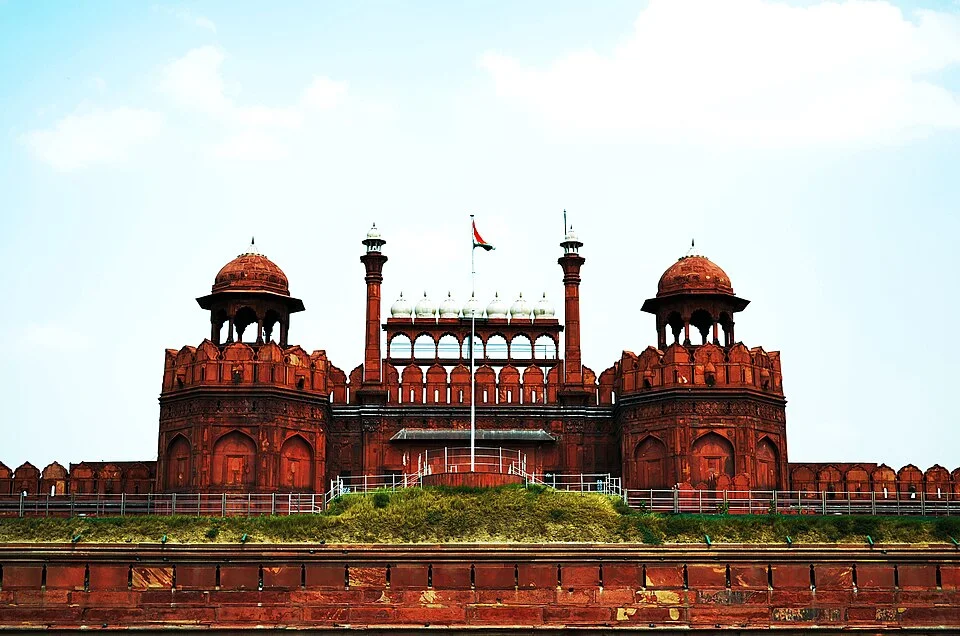
Reserve more time for Red Fort than a photograph in front of the facade. UNESCO describes a building complex; check the current layout of open areas and the sections visitors may enter with the operator. Leave rest and meal time after the fort so that the following walk remains manageable. Do not assume every exhibition and courtyard fits the same short allowance. Check baggage and entry arrangements beforehand and treat the security queue separately from sightseeing time. Establish an exact meeting point when moving towards Chandni Chowk, because a general neighbourhood name may be insufficient in a crowd. This day brings a monument together with a continuing shopping environment. Instead of blocking pedestrian movement while stopping for a long explanation, find a suitable space nearby. Reconsider the accommodation connection towards the end of the afternoon so a busy historic-city day remains manageable.

Jama Masjid: distinguish visiting from worship
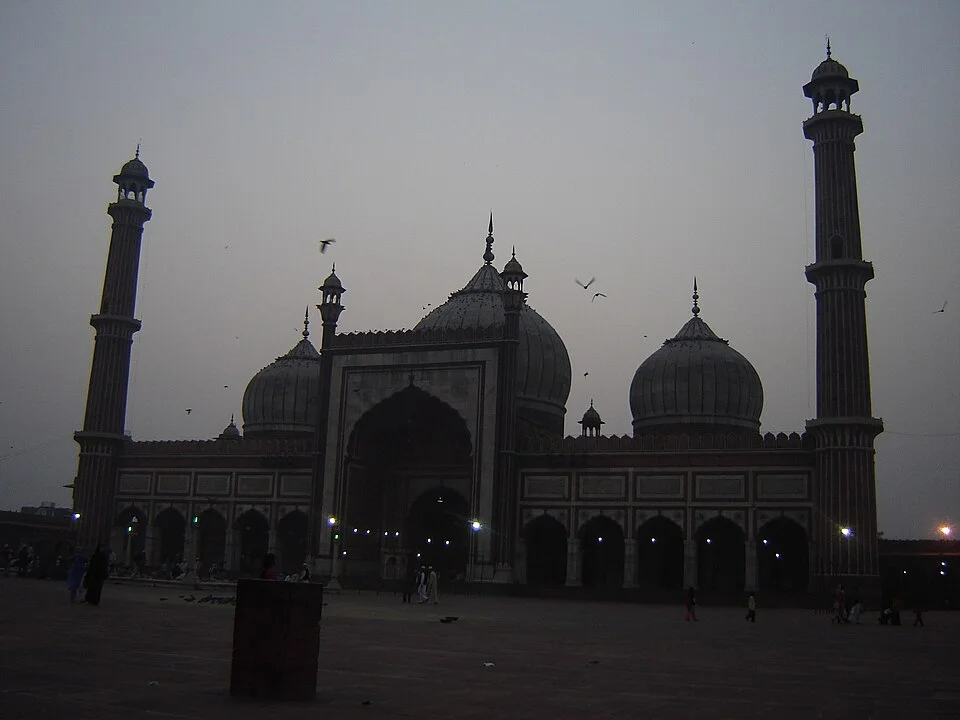
Jama Masjid is a separate stop in the Old Delhi day, not a building inside Red Fort. Delhi Tourism introduces the mosque as a place to visit, but worship follows a different pattern from a tourist walk. Ask about current visiting hours, appropriate clothing and photography conditions at the entrance. A brief courtyard or exterior visit promises neither minaret access nor entry to every interior. An older photograph does not establish present access arrangements. Follow guidance about shoes and avoid close photographs of worshippers without permission. Families or visitors with mobility limitations should assess entrance steps and the possibility of a shorter visit. A selected dining address for the next stop can prevent a group wandering through narrow passages for too long. If visiting is inappropriate at that moment, seeing the surroundings and continuing with the rest of the day remains a reasonable alternative.

Humayun’s Tomb: give the garden setting time
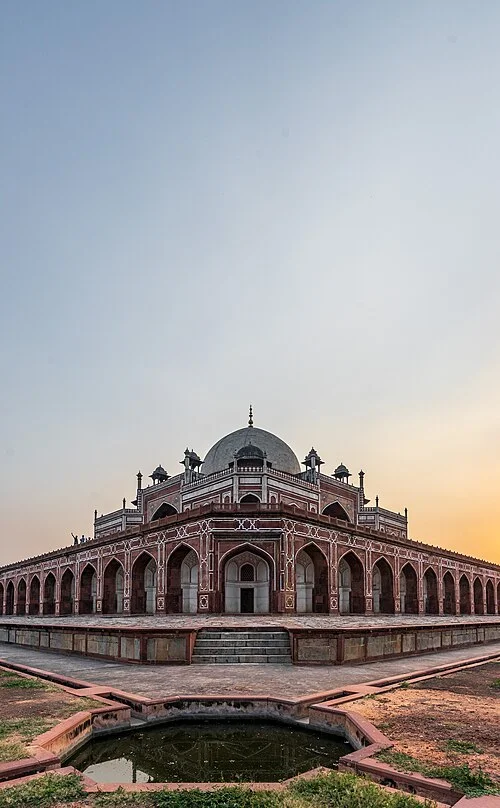
Humayun’s Tomb anchors the third complete sightseeing day. UNESCO explains its place in the garden-tomb tradition and Mughal architecture. Allow time for garden paths, the surroundings and rest instead of entering only far enough to see the dome. Observing different elevations provides a concrete way to engage with the building without memorising a lengthy historical list. If stairs or the elevated platform do not suit you, spending time in lower areas can still be meaningful. A shorter pause around Lodi Gardens can be added to this day, but do not treat the connection as a guaranteed walk between the two sites. Another large museum is not compulsory. Leave room for a cafe or a meal near the accommodation, keeping the day slower and distinct from the movement of Old Delhi. The value lies in noticing the relationship of building and garden rather than the number of ticketed places visited.
Qutb Minar and an optional India Gate return stop
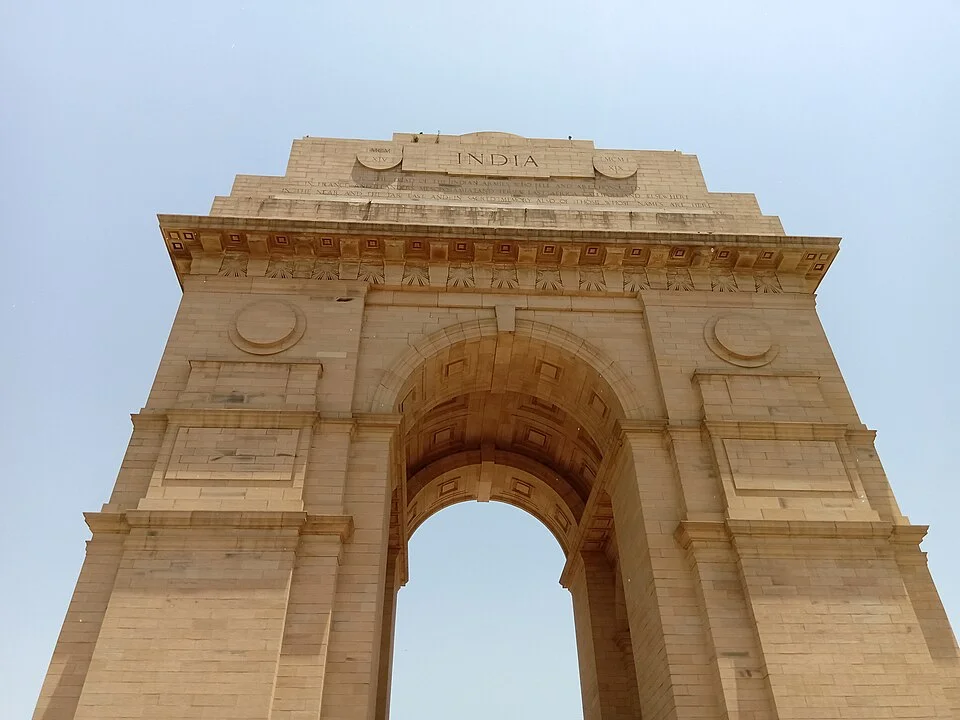
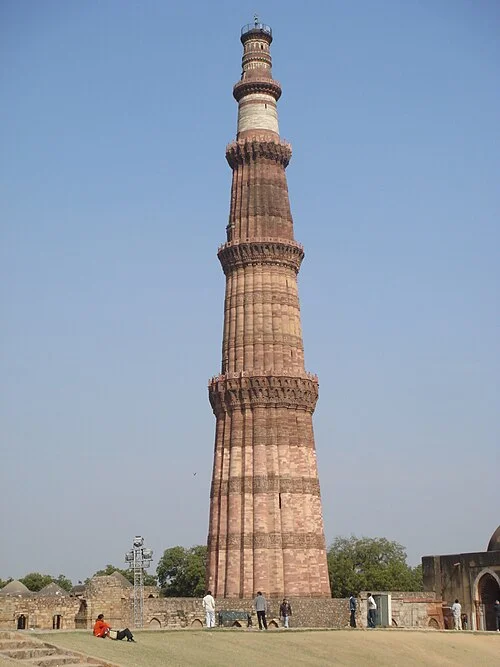
Qutb Minar requires a separate southern connection on day four. UNESCO’s listing covers historic structures around the tower as well as the minaret itself. Spend time in different open parts of the site instead of reducing the visit to one vertical photograph. A picture of the tower does not demonstrate public access to its internal stairs; assess entry according to current staff instructions. Allow ample time for lunch and the return towards the centre. India Gate can become an optional shorter city pause on the same day. If the day grows long, move it to an arrival or final-evening walk instead. The monument surroundings do not constitute a visit to every government building nearby. Events and security arrangements can alter public access. Finishing the southern visit and returning comfortably matters more than rushing photographs at two distant locations.


A Chandni Chowk meal and specific Delhi flavours
Delhi Tourism describes Chandni Chowk and Nai Sadak with snacks such as kachori, chhole bhature and aloo tikki. Put these concrete names into the second sightseeing day’s meal plan. Chhole bhature can form a main meal, while aloo tikki or kachori may suit a smaller pause; eating every item at every stop is unnecessary. If interested in paratha, inspect the selected kitchen’s actual menu. This guide promises neither current restaurant prices nor waiting times or uninterrupted daily opening. Punjabi and Mughlai influences in city kitchens do not mean every encountered dish was invented only in Delhi. Connect food curiosity with an address near the chosen sightseeing cluster. When companions order at different points on a crowded street, agree the next meeting place beforehand. A modest shopping or sweet pause can complement the day without undermining the following morning’s monument programme. Local food remains part of the route rather than a separate race between distant kitchens.
A city base, metro planning and departure
Compare accommodation around Connaught Place with an option farther south. Central connections may favour the first, the southern day the second; the exact address and a suitable nearby station are central to the decision. A room near New Delhi railway station does not make every station exit equally convenient. Use DMRC’s current journey planner with a start, destination and travel time to examine the connection. Its official guidance notes that Airport Express fares can differ by interchange, so no single current price or identical access from every terminal door is invented here. Verify your airport terminal independently and plan the final hotel connection. Check first and last services for the intended date. Sources were checked on 4 October 2026. Give departure morning allowance for traffic and terminal procedures. Completing shopping and packing on the last full evening helps preserve the balance of the three sightseeing days.