

Two nights in Salta do not require you to visit the entire province bearing the same name. Orienting yourself around Plaza 9 de Julio, visiting an actual museum, giving empanadas and humitas their own meal, and selecting a peña evening can make a substantial stay. Tatilmerkezi's Stork invites you to understand the city at different times rather than collect distant high-altitude towns in one day. The outline is the square and Cabildo museum on day one, a separate lunch and park pause on day two, and departure on the third morning. If your museum day falls on a closure, change the order instead of building the trip around a door that will not open.
First day: orientation around Plaza 9 de Julio
After settling into your room, begin with a short walk around Plaza 9 de Julio. The arcaded Cabildo facade, cafes and adjoining streets make the square both a meeting place and a useful measure of the day's scale. Rather than entering every building at once, use the first circuit for exterior views and orientation. Save your accommodation, meal address and the museum's actual entrance on your map. Those simple points make the next two days easier. If a religious building interests you, evaluate its visitor conditions and worship times separately from a general walk around the square.
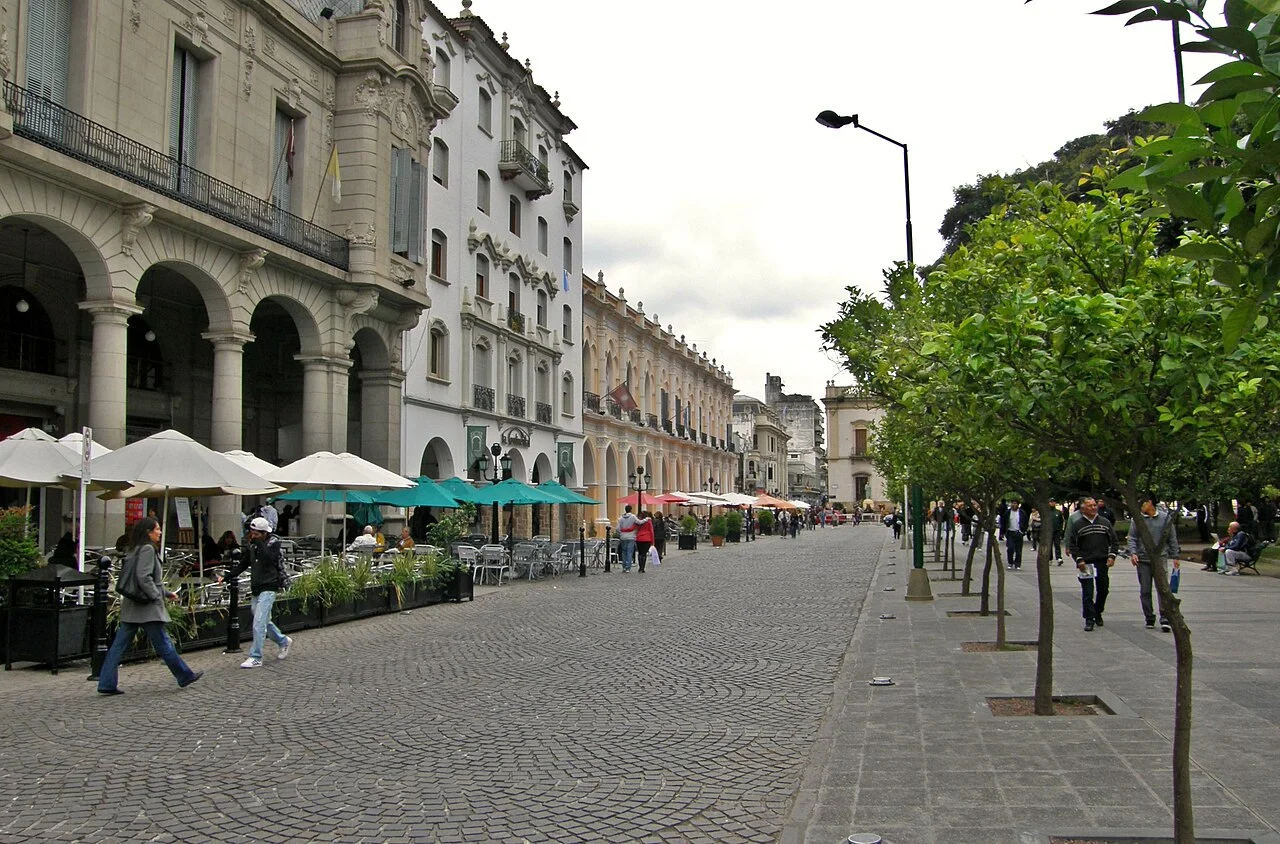

The welcome feature of this central pause is that it can remain short. A tired arrival may need one cafe table and a few streets, while an enthusiastic photographer may want a longer circuit. Evening social activity and morning deliveries give a street different rhythms, so returning does not always mean repeating an experience. Do not use the tables, signs and businesses in old photographs as current order points. This guide helps you construct your own Salta day rather than reproduce a particular dated image with every sign still in position.
The Cabildo: visiting Museo Histórico del Norte
Our selected indoor stop is Museo Histórico del Norte at Caseros 549. The institution's own site places it in the historic Cabildo and states free entry. Weekday, Saturday and Sunday visiting windows differ; do not assume a Monday opening. Whether you can reach the museum after a midday flight depends on luggage and check-in as well as the time left afterwards. It therefore makes sense to group the square and museum geographically while placing the museum's actual visiting window against your arrival arrangements. An old city calendar is less useful than the institution's own current visitor page.
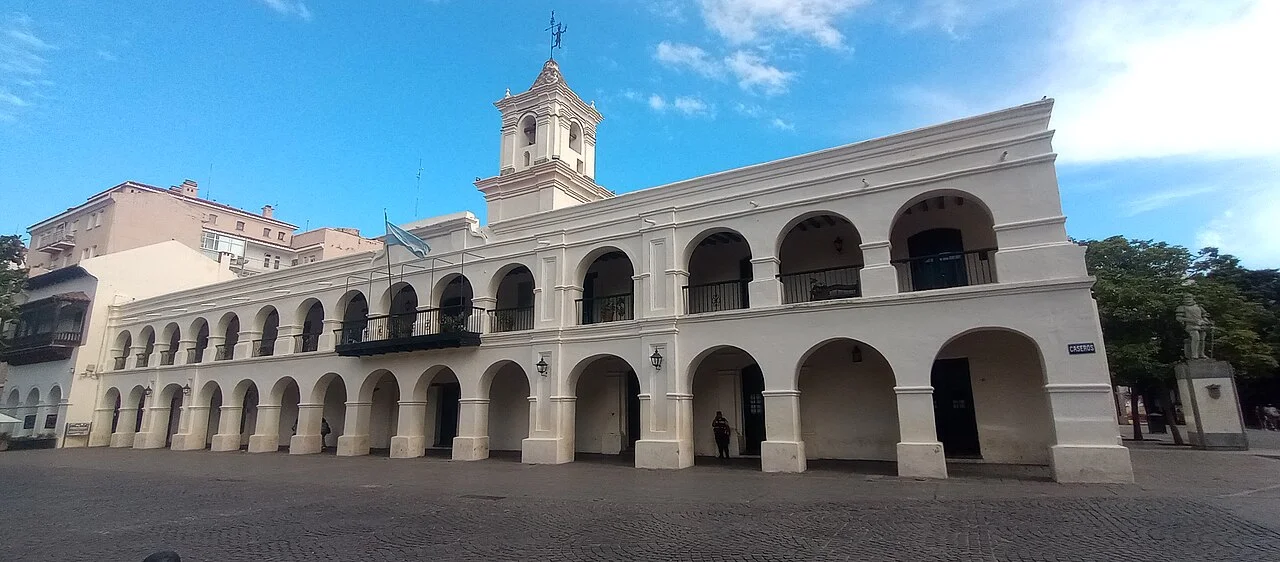

Choose a room or a period to read more carefully. Understanding the Cabildo you have just seen as part of regional history is more lasting than converting the collection into a list of titles. This guide does not use close-up collection objects, human remains or contemporary art. A licensed exterior photograph is not permission to reproduce everything displayed inside. Obtain photography and group-visit rules from the institution. Do not transfer this choice to MAAM as though it provided the same ticket, exhibitions or admission category; the museums are different institutions with separate visitor arrangements.
Second-day lunch: Patio de la Empanada
For a meal that gives the second day its own purpose, make room for Patio de la Empanada. A September 2026 municipal notice gives its location as the corner of Avenida San Martín and Islas Malvinas. This is not another name for the cafe terraces around Plaza 9 de Julio: it is a distinct food stop whose journey belongs in your day. Empanadas can provide a small starting order, followed by a humita or tamal. If you choose a substantial portion of locro, you do not need another main course competing beside it. Sharing allows you to explore several tastes without building an exhausting pile of plates.
The municipal notice lists empanadas, humitas, tamales and locro among its regional choices. Official regional material describes locro as a corn-and-meat dish and empanadas as filled pastry. Humita and tamal should not be read as interchangeable names. Nor does a familiar vegetarian-sounding name prove every preparation is meat-free, or mean every stall uses an identical recipe. Those distinctions matter when choosing from the day's menu. We are not inventing prices or the operating hours of each seller. The useful detail here is an actual address, a manageable meal structure and a clear difference between the foods being selected.
A short pause in Parque San Martín
After lunch, consider a pause in Parque San Martín instead of adding another demanding indoor visit. The park and lake surroundings show a different part of the urban day. The craft-selling scene illustrated here dates from 2007 and does not establish the number or arrangement of stalls now operating. The stop also works for someone who only wants a seat, shade and a short circuit. If a small purchase appeals, think about its packed size. A two-night break does not have to end with a complicated collection of bulky souvenirs and new luggage arrangements.
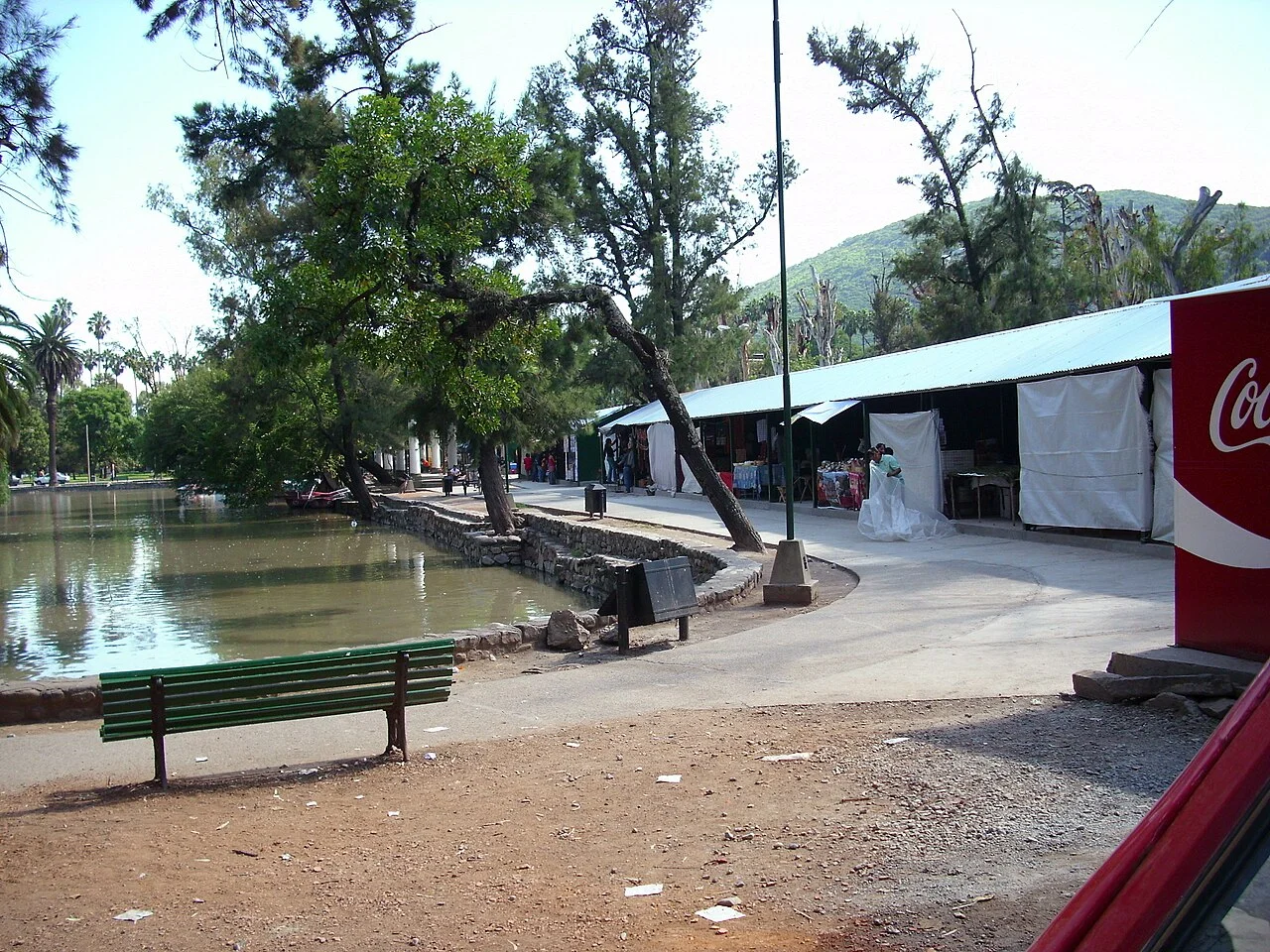

Shorten the park stop according to the weather and your energy. The square, museum and lunch already provide different experiences; no new compulsory checklist is needed here. For a family, putting rest in the middle of the day may work better than carrying tired children through to dinner. Do not confuse this park with Parque General San Martín in Mendoza. The city name and the actual map position provide a better check than searching for the park name alone. Several Argentine places share that name, but they do not belong to the same Salta itinerary.
San Bernardo: only with time set aside
If you want a view over the city, treat Cerro San Bernardo as a separate time block. Salta's official tourism page connects the cable-car start with Parque San Martín and the Avenida San Martín and Hipólito Yrigoyen area. A cable-car excursion is not an automatically free extension of sitting on a park bench. Decide using the operator's conditions, ticket, return arrangement and weather. Avoid placing an unresolved uphill excursion directly before a reserved evening meal. For children or travellers with limited mobility, the actual access route matters more than a broad claim that every viewpoint is effortless to reach.
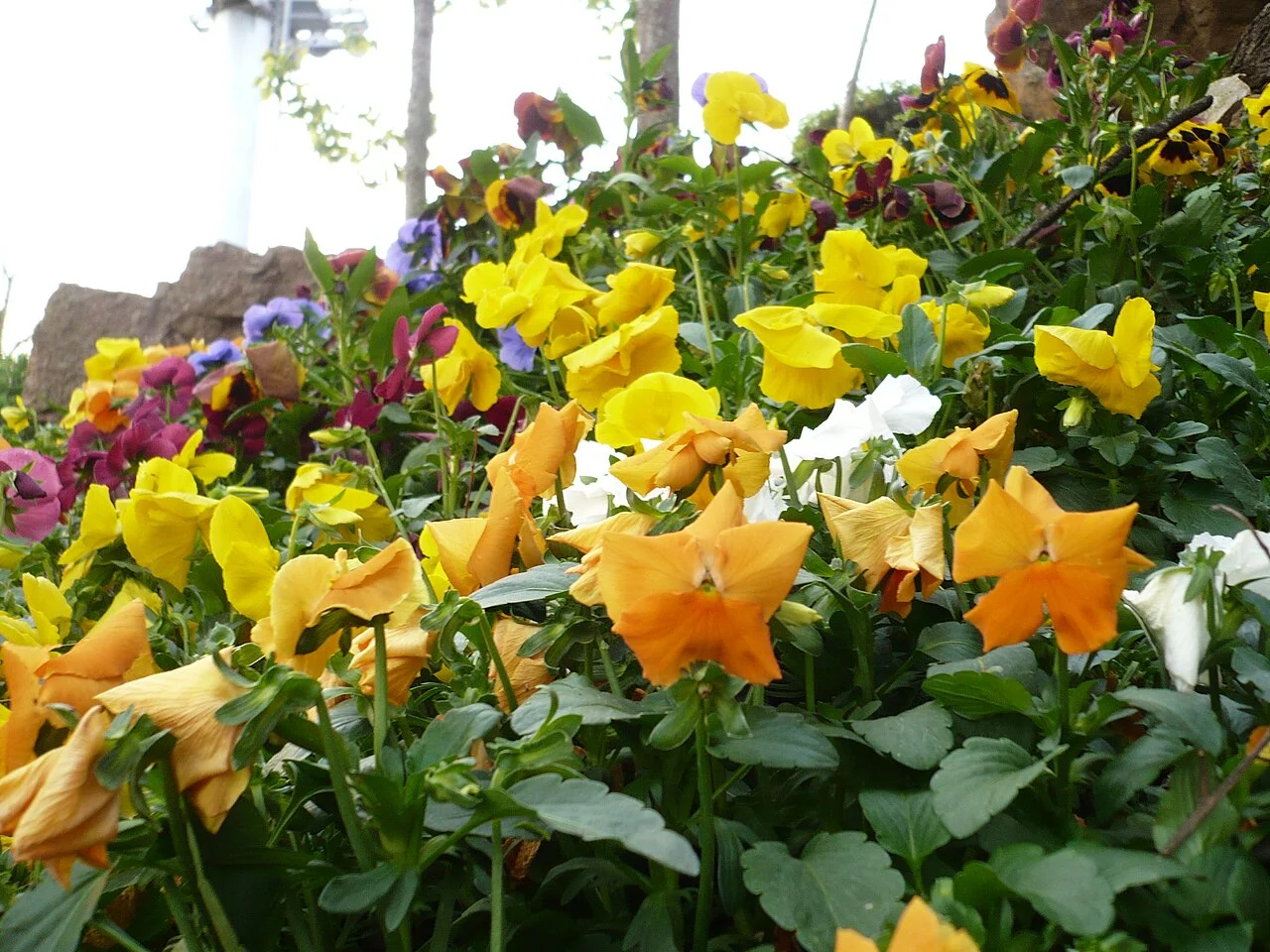

The flower-bed photograph was taken on San Bernardo in September 2008. It cannot promise identical flowering on your travel date or establish the present condition of the gardens. The city-view photograph is dated too; the recommendation does not guarantee the same framing in the same conditions now. Leave this extra stop out without regret if time is short. A successful Salta city pause is measured by time to absorb a place and a meal, not by one more summit tick. Cafayate and other high-altitude towns need a plan beyond this compact urban structure.
Choosing a peña evening and a quieter room
For a peña evening on the second night, consider the music-and-food venues around Balcarce as a separate evening decision. Current official tourism material connects this corridor with empanadas, humitas, locro and folkloric music. It does not guarantee a particular performer or the same programme every night. Build the evening around the venue's performance start, table arrangements and whether food is included. After a substantial locro lunch, a small empanada order may be enough for dinner. Alcohol is not a required part of the experience, and listening can be as meaningful as attempting every dance.
A central room near the square supports the first day's walk and museum. An address closer to the Balcarce evening may make the late return simpler, while noise needs to be considered using the room's actual position. Stay in one room for both nights to reduce luggage work. Write airport or coach-terminal transport separately from the return after a peña. SAETA's official page provides information about route 8A passing the airport exit and card sales and recharging. It should not be interpreted as a free hotel shuttle without checking the current service, stop and payment arrangements. Leave a real margin after breakfast and bags on the final morning. Sources were checked on 4 October 2026; this is a practical city outline, not a substitute for changing institutional or transport hours.