
Nagapattinam: from a temple city to the Bay of Bengal
Our Nagapattinam suggestion uses three calendar days and two nights: arrival on day one, city temples and the coast on day two, and departure on day three. The Tatilmerkezi Stork invites you to observe two environments within one city rather than complete a long coastal checklist. Begin with the Kayarohanaswami setting, give the Soundararajaperumal approach its own time, and reserve a suitable cooler interval for the Bay of Bengal shoreline. A meal and rest between architecture and coast help make the city more than a quick transit point. This is not a condensed Nagore, Velankanni or Point Calimere excursion. Those are separate needs with their own connections. Two nights create one complete city day, without claiming to complete an entire district.
Arrival: Nagapattinam Junction and the actual terminal
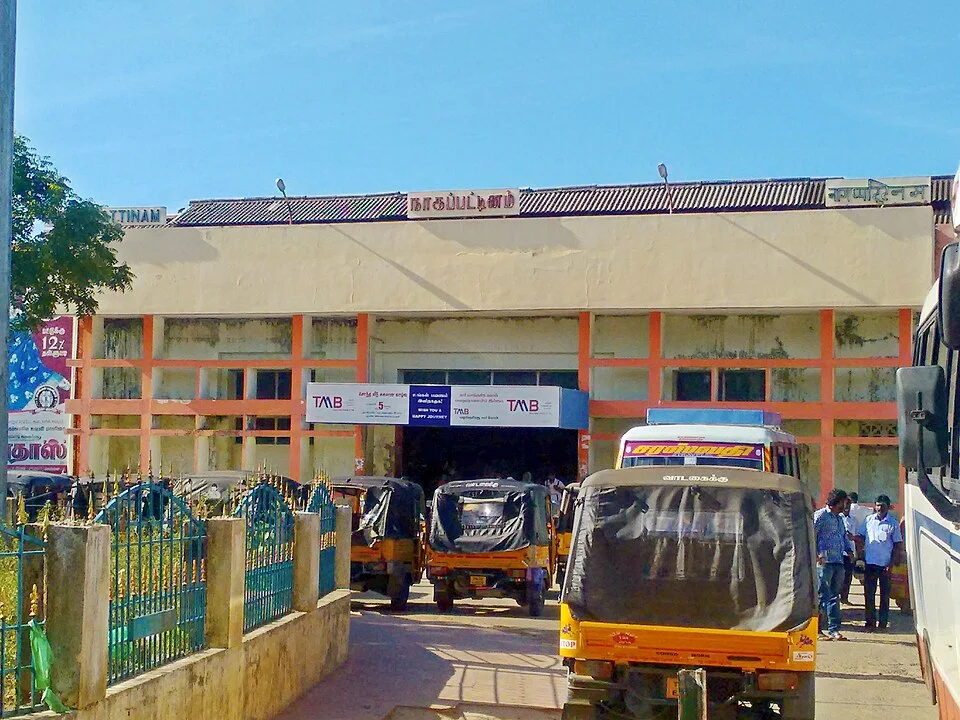
Train travellers should check the station named on the reservation and the service's actual stop. The photograph of Nagapattinam Junction entrance supplies a dated orientation context, not a current timetable or proof that every train stops. Bus travellers likewise need the operator's actual arrival point and the property's entrance address. Leave bags and choose a nearby meal on the first evening. A seafront address and an urban address convenient for departure may meet different accommodation needs. If leaving early, consider the last transfer. Discuss reception arrangements for a late arrival or possible luggage storage beforehand. Rather than forcing every remaining arrival hour into a beach visit, use the complete day ahead. Keep the booked transport service distinct from an older photograph's historical role.

Kayarohanaswami: the first architectural approach
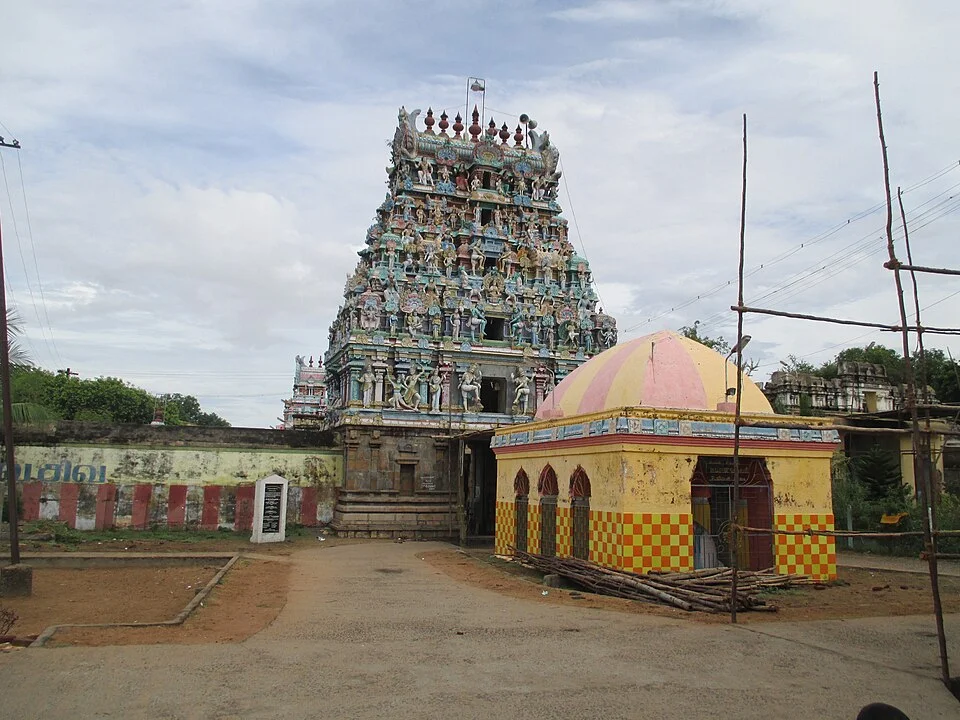
The official district tourism account identifies Shri Kayahorana Swami and Neelayathatchi Amman interests within Nagapattinam. Begin the complete day's architectural programme in this Kayarohanaswami setting. At the entrance establish the permitted visitor route, footwear arrangements and photography rules. Seeing a gateway or tower outside does not prove that every interior allows casual tourist movement. Notice the transition between structure and city street while respecting worshippers and the use of open space. Allowing time for small details around one view can be more rewarding than ticking off many temples consecutively. Architectural curiosity belongs to the visitor; it does not automatically create permission to photograph another person's worship. Where the accessible area is limited, the actual public approach can still provide a useful stop.
Soundararajaperumal: leave time for the second structure
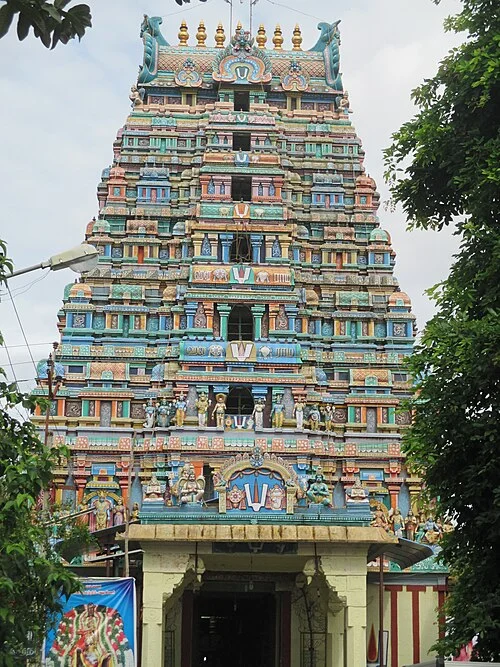
Do not rush the Soundararajaperumal approach as a casual continuation of the first visit. The official HRCE registry identifies Soundaraja Perumal Temple as TM014604 in Nagapattinam 611001. This city structure is distinct from Sowriraja Perumal in Thirukkannapuram; use the city record when selecting the actual address for the second visit. Arrange movement against the entrance address and establish how it is being used that day. The gateway's colour, layers and relationship with the street provide an exterior architectural interest. Where visitor access is limited, that exterior can remain enough. Give lunch a relaxed interval between the two sites or after the second visit. Mobility, sun and traffic may matter more than map distance alone. The second structure should not consume all the time reserved for the coast; maintain a balance between the day's two main interests.

Breakfast and lunch: name the regional food honestly
The national tourism ministry's Tamil Nadu food account introduces idli and dosa, with sambar and chutney accompaniments. An available idli breakfast gives the architectural day a tangible meal starting point. If choosing dosa, ask what that kitchen actually prepares. These are not presented as recipes unique to Nagapattinam. A coast or harbour setting does not establish that every restaurant serves a particular fish preparation. Seafood choices should depend on the actual menu and information from the kitchen. Those avoiding meat can select an available rice or vegetable main dish for lunch. One comfortable meal is often enough between visits; there is no need to make a short city stop a competition to sample numerous dishes. Current prices and restaurant rankings are not invented.
Coastal time: waves, light and a fishing setting
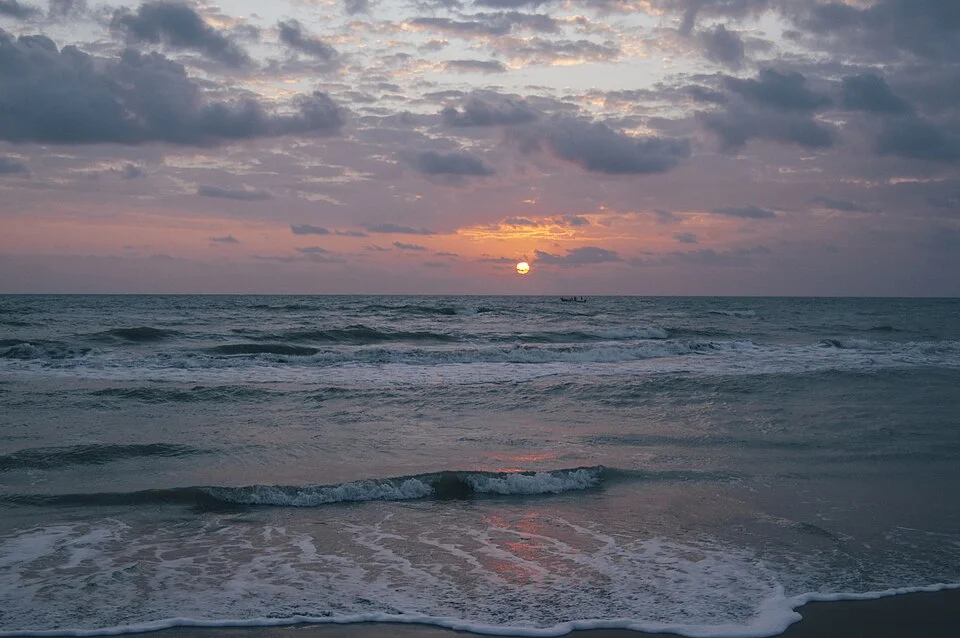
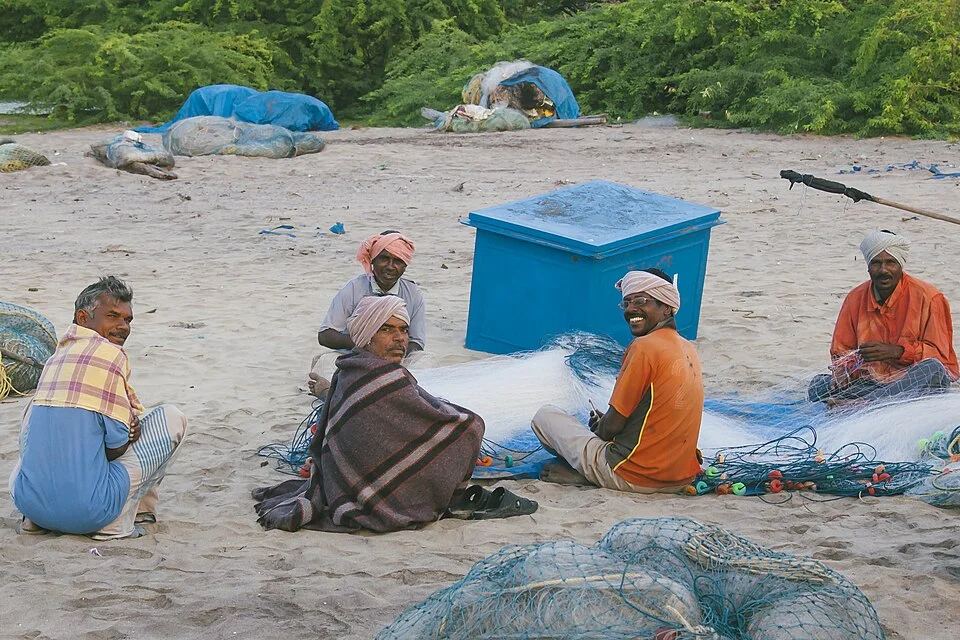
The Bay of Bengal shoreline supplies a second focus distinct from the temple visits. When conditions permit, choose a public coastal section for walking or sitting to observe the sea. Any decision to enter the water belongs to the day's conditions, warnings and local arrangements, not an old photograph. The guide does not guarantee safe swimming everywhere. A dated photograph of fishermen preparing nets supplies a working-coast context. If similar activity is seen today, observe without crowding people, approaching equipment or blocking their work. Boarding a boat or examining nets is not an automatic visitor right. The sunrise photograph represents a different lighting interval. If planning an early visit, establish the real hotel-to-shore connection separately; capturing every possible light period is not compulsory.

Keep the harbour contextual and other excursions separate
Nagapattinam's maritime relationship helps explain the city, but working harbour areas are not presented as freely accessible visitor attractions. Observing coastal life from a public position differs from entering an operational site. Anyone adding Nagore or Velankanni should allocate separate transport and adequate time. Point Calimere similarly requires research into the nature area's own current visiting arrangements. A single complete city day cannot satisfy all those interests. A long list on an older official tourism page is not a definitive guide to present administrative boundaries or operating services. Historical Poompuhar and Sirkali district associations are not carried into a new geographical scope. Two architectural approaches, a relaxed meal and a public coastal interval remain a complete modest programme in their own right.

Two nights and a simple final morning
Select accommodation against the city visits, evening meals and actual onward departure point. For a sea-view property, examine the entrance address and transport relationship; a distant room may multiply transfers within the main programme. Night traffic noise and late check-in arrangements also matter. Keep the final morning for luggage, breakfast and reaching the booked service rather than squeezing in visits already completed the previous day. Transport and visitor arrangements can change after the source check of 5 October 2026 and should be established for the travel date. Three calendar days, two nights and one complete city day describe the Stork's Nagapattinam pause clearly. Temple approaches and marine light supply different curiosities, while ordinary meals and street connections between them make the city easier to understand.