
A first visit to Chengdu benefits from three distinct experiences: history and park life in the centre, a separate morning at the panda base, and a substantial Sichuan meal. This three-day plan keeps the outlying panda visit from being squeezed between unrelated stops, leaving realistic space for transport, admission checks and walking. If you have only two days, choose between the city museum and Wuhou rather than removing every meal break to fit both. Operating details and reservation information were checked against current operator pages on 9 October 2026. Special notices for your actual travel date take precedence.
Day one: the Tianfu area and Chengdu Museum
Use the first morning to understand the city centre. Broad roads around Tianfu can make a short-looking walk take longer than expected, so account for crossing points and station exits. Chengdu Museum is a useful start if you enjoy learning about a city through objects and displays. Choose two sections that interest you instead of rushing through every floor. After a museum visit, details in the streets outside may make more sense. Families can keep the visit comparatively short and follow it with an outdoor break rather than making the whole morning an exhibition marathon.
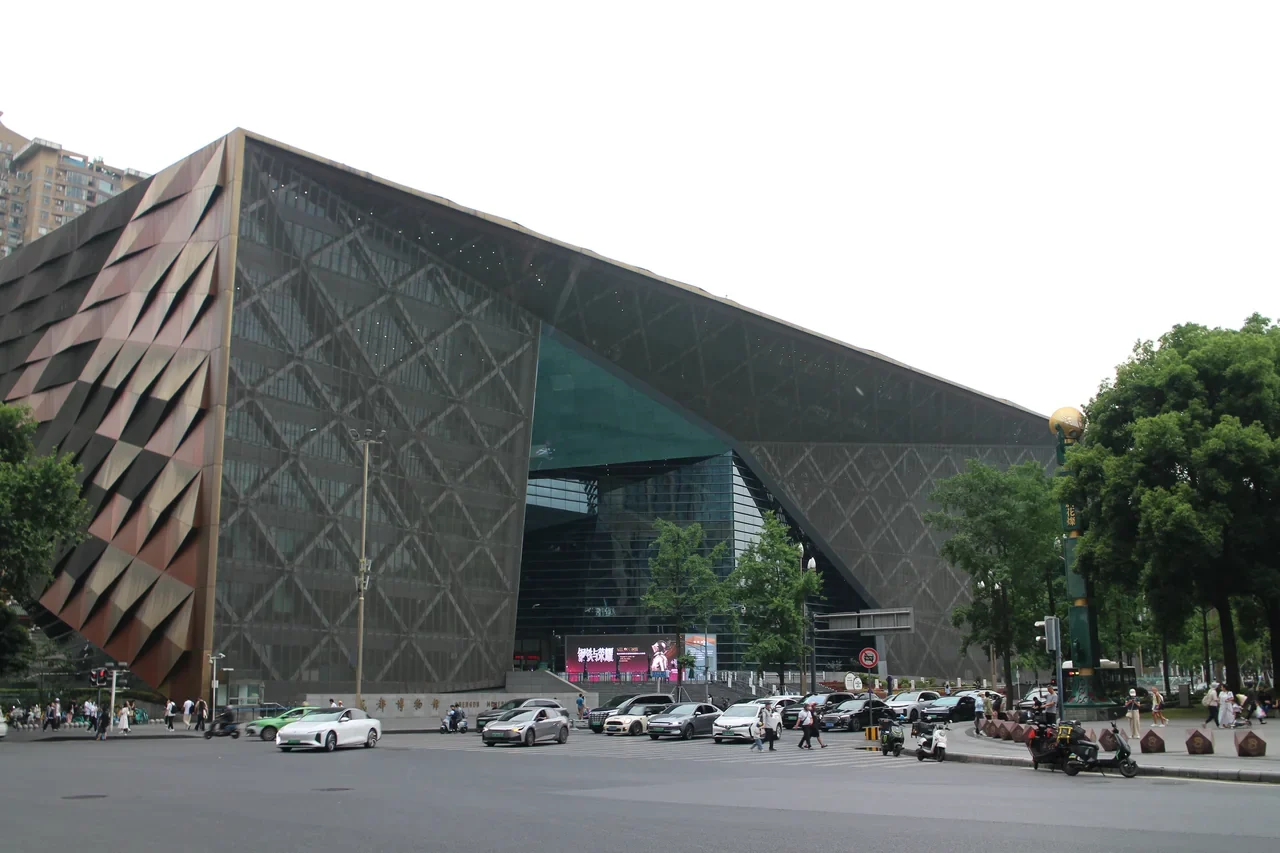
The museum’s visitor guide gives 09:00–17:00 hours Tuesday–Thursday and Sunday, and 09:00–20:30 on Friday and Saturday, with last entry at 16:30 and 20:00 respectively. Monday closure has a public-holiday exception. The address is 1 Xiaohe Street, with Metro Lines 1 and 2 serving Tianfu Square. Check the official site’s reservation link and current notices before setting out. Even where photography is allowed, flash, tripods and selfie sticks are prohibited. Read the end date on temporary-exhibition announcements: an older poster on a website is not proof that a show is still running.
People’s Park: leave space to slow down
After the museum, approach People’s Park as somewhere to pause rather than the next landmark to complete. A bench, a short walk or a tea stop can be the entire programme here. Everyday activities are not performances arranged for visitors, so ask before making close portraits and avoid blocking a group’s space. Slowing down is particularly welcome after a morning indoors. If you order tea or another service, check the price first and clarify whether it is per person, per pot or for a particular service. This is a practical way to enjoy a stop without turning a simple order into a misunderstanding.

Keep this evening comparatively close to your accommodation so the following morning is easier. Save the panda-base gate and reservation slot before going to bed. Checking the document you need, your phone charge and the return route takes little time but removes several decisions from the early start. Be ready to follow the routes open on the day rather than hunting for an exact scene from an old photograph. Chengdu’s scale becomes more manageable when the itinerary contains fewer stops that fit together.
Day two: Chengdu Panda Base
Give the Chengdu Research Base of Giant Panda Breeding its own morning. This is an observation visit connected with conservation work, not a promise of close contact with an animal. Pandas may rest or remain outside your view; activity on demand is not part of the ticket. Watch quietly, follow staff instructions and do not tap on glass, call for an animal’s attention or offer food. An itinerary that is not built around one particular panda is also less likely to turn into a long queue for a single photograph.
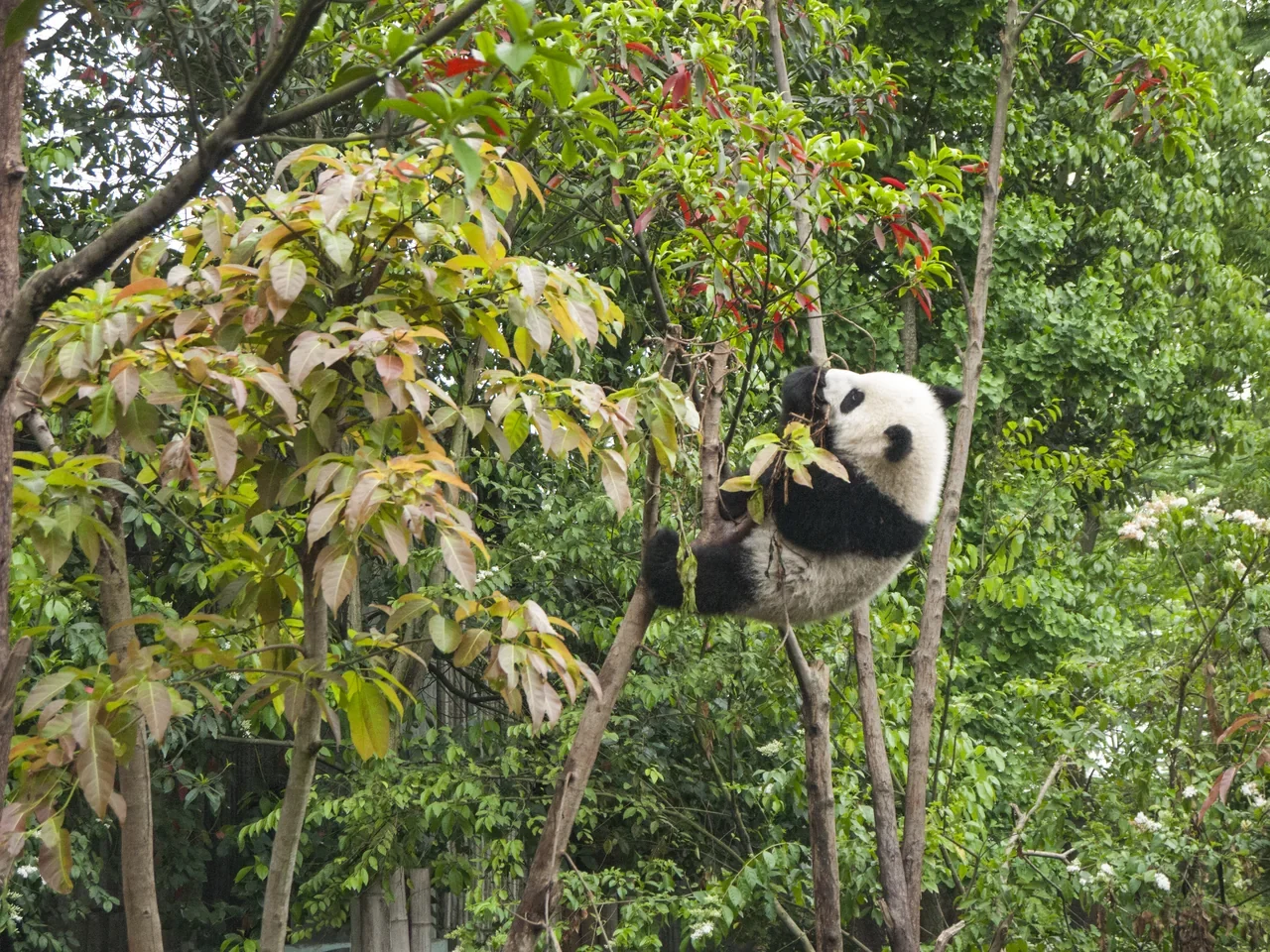
The official ticket page lists a standard adult ticket at CNY 55 and booking up to 14 days ahead. Make a reservation matching your identity document and carry the original. Morning entry starts at 07:30 from March to October and 08:00 from November to February; afternoon tickets have a separate entry window. Check the exact child or senior conditions if relevant. This ticket does not cover Panda Valley in Dujiangyan, so confirm the full facility name on your booking.
The base’s transport page directs south-gate visitors from Metro Line 3’s Panda Avenue station, Exit A, to shuttle 408. For the west gate, it lists Military General Hospital station, Exit B, and shuttle 409. Reaching the metro station is not the same as reaching the entrance. Save your gate choice for both arrival and departure. Keep the afternoon flexible: after substantial walking, a rest at the hotel or a short neighbourhood stroll may be more enjoyable than another large museum.
Day three: Wuhou and Sichuan cooking
Return to the historical side of the city with Wuhou Shrine Museum. First understand which areas are included in the visit you want; neighbouring commercial streets and the ticketed museum are not interchangeable. The museum’s official ticket system gives daily hours of 09:00–18:00 and last admission at 17:00, and warns against unauthorised ticket agents. Read the current conditions through its own channel. Allow time for entry and security during busy periods instead of arriving near closing and rushing the sections that interested you.
For a specific main meal, consider Chen Mapo Tofu on Qinghua Road: No.10–12, 10 Qinghua Road, Qingyang. It is a separate journey from Wuhou, not a restaurant immediately outside the gate. MICHELIN’s own restaurant assessment describes mapo tofu made with tofu, ground beef and spices, paired with steamed rice. The word tofu does not make the dish vegetarian. A serving with rice gives the day a substantial meal rather than a series of snacks; add other dishes according to the size of your table. Discuss both chilli heat and Sichuan pepper’s numbing effect when ordering, understanding that a mild request may not remove every spice.
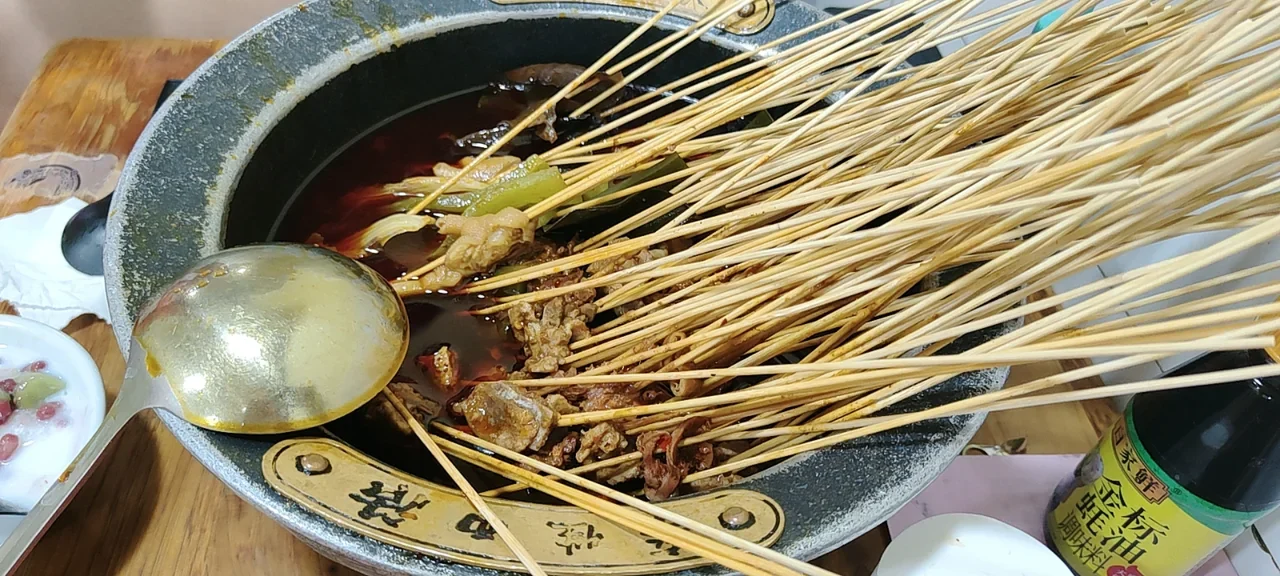
Confirm hours, availability and current prices with the branch directly; this guide does not assume there will always be a walk-in table. The boboji-skewer photograph illustrates a separate example of Chengdu food, not a dish served by Chen Mapo Tofu or a photograph of the recommended meal. When choosing skewers elsewhere, ask how individual items are priced and counted, as well as what they contain. There is no need to sample every speciality at one sitting. Enjoying one main meal and leaving additional tastes optional usually makes a better day.
Transport and accommodation choices
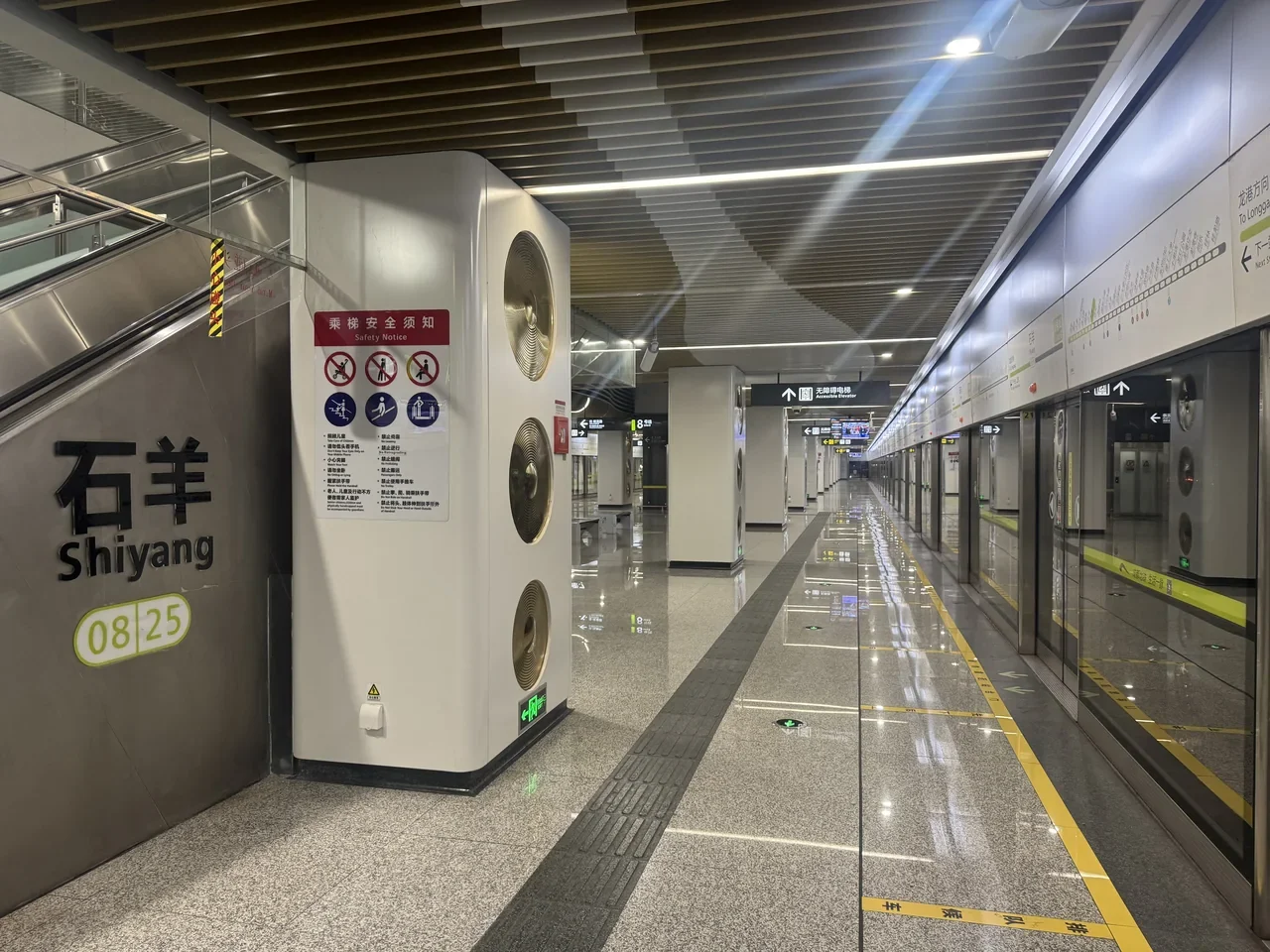
Seeing Chengdu on an airline ticket is not enough: distinguish Tianfu from Shuangliu airport and plan your hotel connection for the correct arrival point. Save Chinese names for your hotel and destinations offline; these can help when speaking with a driver or station staff. The station photograph shows the Line 8 platform at Shiyang and is not presented as the panda-base route. Choose your actual line from your accommodation and allow time for walking and stairs at transfers. Avoid adding an outlying excursion immediately before a departing flight; it is one of the simplest ways to keep the final day comfortable.
A real central accommodation option is JW Marriott Hotel Chengdu, at 19 Dongyu Street, Jinjiang. The operator gives check-in at 14:00 and check-out at 12:00. Do not assume an airport shuttle is included: the official page does not offer a complimentary shuttle and lists private transport separately. Compare room rates alongside cancellation conditions and breakfast inclusions. This higher-end property will not fit every budget. When considering alternatives in the central area, judge the daily transport as carefully as the room photographs.