
Surat: heritage and Surti meals beside the Tapi
The Tatilmerkezi Stork proposes two complete city days in Surat: the first for the fort and central Gopi Talav area, the second for two distinct historic cemeteries and a short river pause. This Gujarat city need not be treated only as an address for diamond or textile business. Someone adding sightseeing to a work trip can select the fort and meal programme, while four calendar days and three nights give a first visit more room. This is a Surat city guide rather than an itinerary along the entire Gujarat coast. The purpose is to understand different heritage spaces without treating every stop as the same kind of visit, and to keep lunch within the day’s cluster. The Tapi helps give direction to the programme without turning every waterfront into a promised visitor facility.
Four days and three nights: two full city days
Day one is arrival, the accommodation transfer and dinner nearby. Day two starts at Surat Fort and continues with a shorter central walk and the Gopi Talav area. Day three treats Dutch Cemetery and English Cemetery as separate stops; a suitable publicly accessible Tapi bank may offer a brief return pause. Day four is departure. This means two complete sightseeing days and three nights: the departure morning is not counted as a third full day. If studying the fort exhibitions at length, shorten the street walk. Allow calm observation of the different tomb structures during the cemetery day instead of rushing through photographs. An unavailable entrance does not require replacing it with a remote attraction elsewhere in the city. Retaining the main cluster can make a shortened programme more useful.
Surat Fort: understanding the trading city
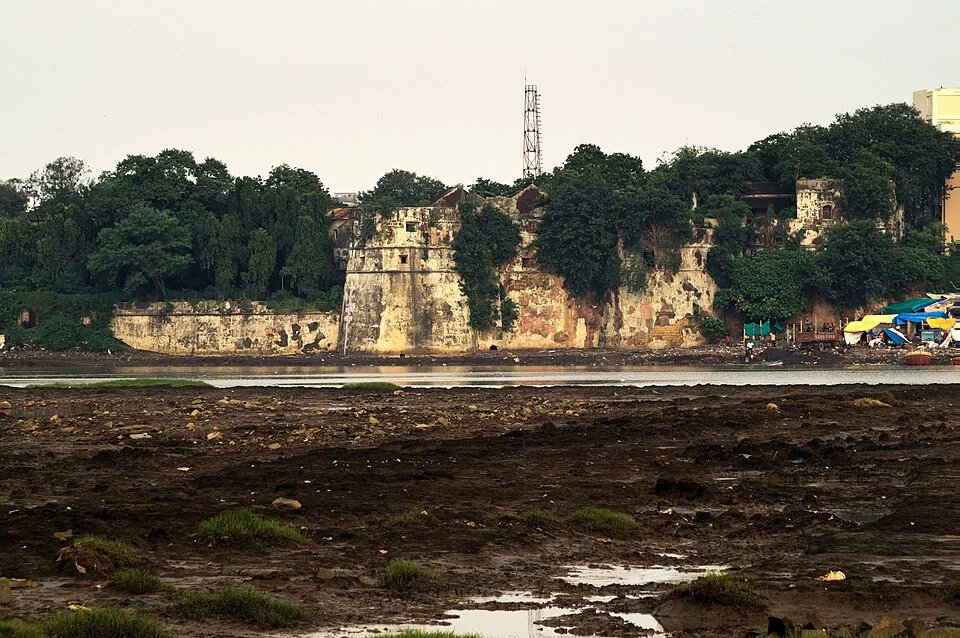
Surat Municipal Corporation introduces the restoration and visitor galleries through its official fort pages. An older riverbank exterior view should therefore not be read as a photograph of the current interior exhibition arrangement. Observe the external fabric, then follow the open galleries and visitor directions inside. No precise current ticket price or universally valid last-entry time is invented here; consult the municipality for your visiting date. Where a gallery arrangement is reconstructed, do not assume it is an original room surviving untouched. Making this the longest visit of the central day helps explain the shorter walk afterwards. Choose the meal in the programme’s vicinity where practical rather than travelling across the city solely to reach a famous establishment. Give the interpretation time instead of using the fort only as a quick picture stop.
Dutch and English Cemetery: separate heritage sites
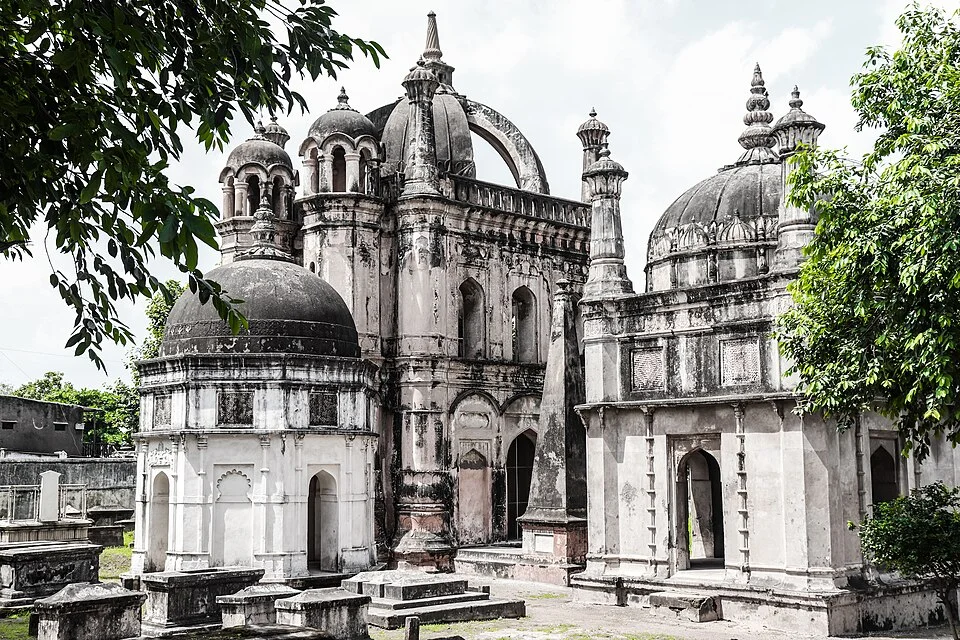
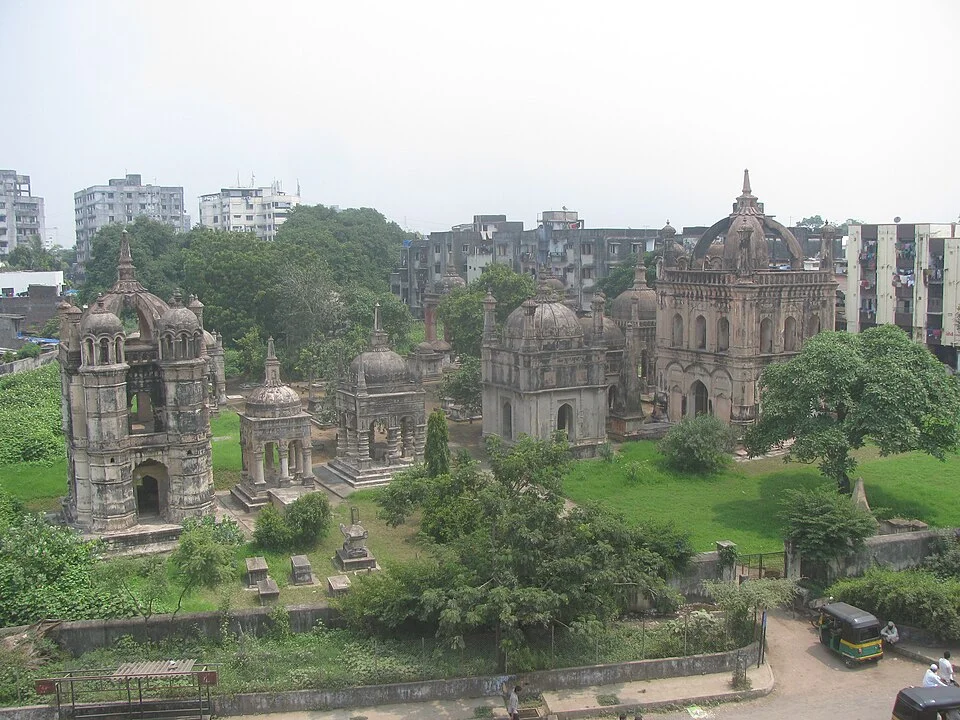
The municipal cemetery page describes English, Dutch and Armenian cemeteries as distinct heritage sites. Dutch Cemetery and English Cemetery are two stops in this plan, not alternative names for one location. Their monumental tombs and trading-history associations call for a different visit from an ordinary park walk. Allow a short, quiet period to observe forms and names. Do not climb tomb structures; follow current entrance, maintenance and photography instructions. Older municipal comments on conservation should not be repeated as a definitive report on every structure’s condition today. Keeping the northern visits separate from a long central fort afternoon also simplifies lunch and the return. Closure of one site does not demonstrate that another is automatically open. A smaller programme remains valid when access or the group’s pace requires it.


Gopi Talav and the Tapi: allowing distinct pauses
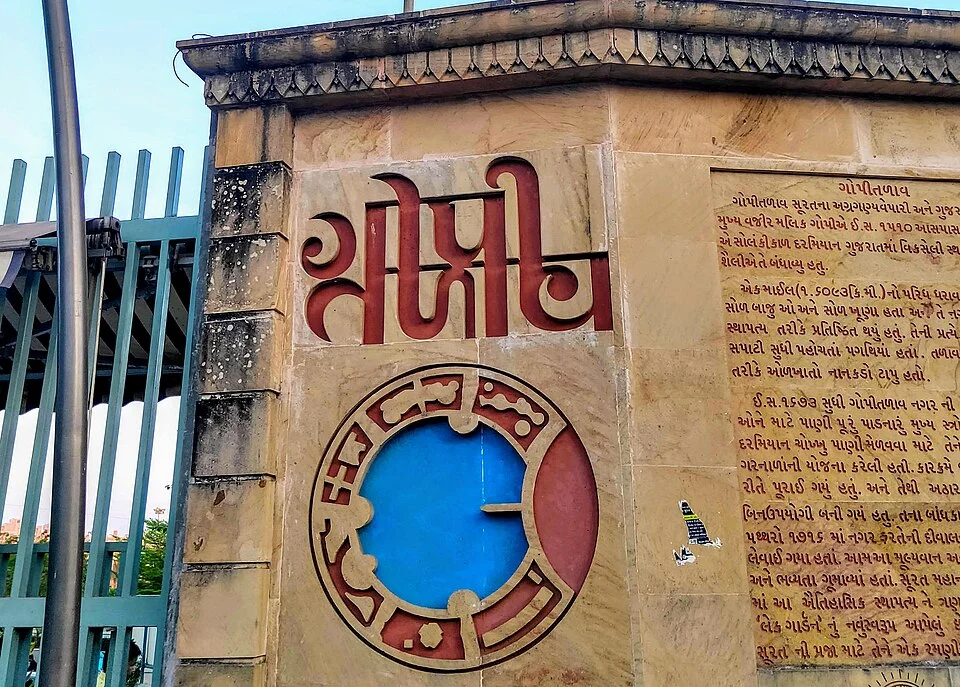
The Surat district government’s official photographs and interest-point records include Gopi Talav. Consider the area for a shorter pause after the fort rather than assuming a large additional programme. If planning an activity around the lake, independently check the open area and service that day; an old image does not establish an operating boat, show or amusement schedule. When approaching the Tapi on day three, verify actual public access to the chosen bank. Boats in a photograph do not establish a visitor rental service, and the river is not proposed as a swimming location. Finish the final pause flexibly instead of making sunset arrival an obligation. These two waterside settings are different places: Gopi Talav provides a lake context, while the Tapi is the river running through the city.



Locho, sev khamani, undhiyu and ghari
Incredible India identifies concrete Surat flavours including locho, Surti sev khamani, undhiyu and ghari. Spread them across the two days instead of ordering a burdensome tasting table at once. On the fort day, locho or sev khamani can provide a smaller meal. On the second full day, consider a regional meal including undhiyu if the actual menu offers it. A separate small sweet pause is enough for ghari. Read the dish name together with the portion: promotion of a regional dish in the city does not mean every kitchen serves identical ingredients throughout the year. For sweets carried away, ask the seller about storage and transport. Obtain present prices and waiting times directly from the business. Using these real dish names gives the dining programme a local basis without relying only on generic questions about spice.
Accommodation and daily connections with Sitilink
Compare accommodation against the railway arrival, central fort day and northern cemetery day. An address around the station may simplify arrival, but a neighbourhood name alone does not establish walking access to every central stop. For an option across the river, include the bridge connection and final door approach in the daily plan. Surat Municipal Corporation introduces its official Sitilink application for route and stop information. Consult the actual stops and suitable connections using that current tool before travel; a proposed transport service must not be presented as an operating route. Arrange airport or train transfers separately from the sightseeing day. If one vehicle does not suit the entire group, establish the meeting point and return plan beforehand. No precise journey duration or current fare is invented in this guide.
One central day or a two-day extension
With one city day, retain the fort, a nearby walk and a selected Surti meal. Adding two cemeteries hurriedly is not compulsory. Two full days allow the visitor to encounter different traces of the trading past in separate programmes. Coastal stops such as Dumas or Dandi are not automatically added to this city itinerary; choosing an excursion requires an independent journey and allocation of time. Keep a little of the final evening for shopping and packing. If a business appointment interrupts the visit, remove the most distant small stop while preserving the principal cluster. Sources were checked on 4 October 2026. Entrance conditions, menus and daily transport changes should be checked again through official or direct business channels before visiting. A rewarding Surat programme connects heritage, river and meals rather than measuring success by the longest list of attractions.