
Turn a railway stop into a day in Ratlam
Rather than seeing Ratlam only as a place to change trains, plan one night and a full city day. The district’s current place records identify Kalika Mata with adjoining Jhali Talab and Gulab Chakkar as two separate central focuses. Giving the first group the morning and the circular historical monument the afternoon produces a clear outline. Place a regional Dal Bafla meal and a proper rest between them. This programme does not combine Sailana, Bilpank and surrounding reservoirs into the same central walk. On the arrival evening, leave your luggage and clarify the return ticket, then use the full day with suitable entry and transfer allowances. Institutional exteriors, a temple courtyard and street views can explain the scale of the city around the main visits. A trip need not include a separate journey to reproduce every photograph. Protect time for the two actual central focuses before adding further options.
Arrange the first step from Ratlam Junction
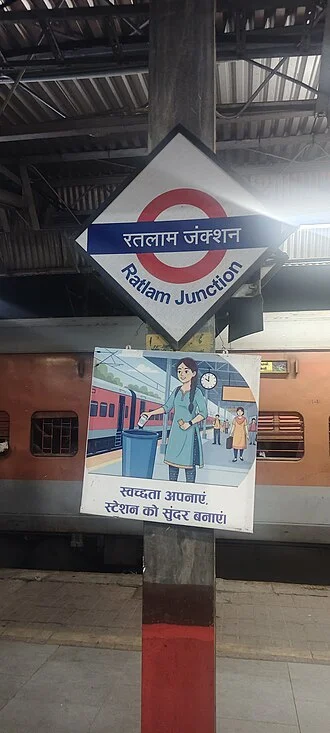
The station photograph clearly shows the Ratlam Junction name. Compare it with the arrival point on your ticket, while remembering that the archive platform and train do not establish today’s service. The district introduces rail access and a road transfer from Indore airport. Use a current official booking search for the actual train date, seats and departure; flying still requires a separate journey onwards to Ratlam. At the station, displaying the full accommodation address can be more useful than giving only a hotel name. Establish late reception and the gate where the final vehicle will drop you before arriving after dark. For departure, retain enough time between checking out and boarding. A short city visit need not become a circuit of every central attraction with luggage in hand. Clarifying the first and last transfers helps make the time between them more useful.
A morning around Kalika Mata and Jhali Talab
The district places Kalika Mata temple in central Ratlam beside Jhali Talab. The temple and water surroundings can be considered together, but worship and a pause in open space follow different arrangements. Learn the day’s admission, footwear and photography rules first, then find the usable bank or sitting area. Although the source describes gardens and open spaces, do not assume every path suits everyone in the group. A shorter exterior visit can fit your walking capacity. A busy festival day and an ordinary morning may need different allowances. No photograph of a differently named temple has been substituted for Kalika Mata: the Manglay courtyard image in this guide is a separate city scene. After finishing the Jhali Talab surroundings, preserve the meal and rest interval so that the afternoon monument visit is comfortable. Let actual access decide the extent of the visit instead of relying on an idealised picture of a quiet morning.
See Gulab Chakkar as a separate historical focus
Gulab Chakkar is a circular historical monument identified by the district in central Ratlam. Arrange the journey from Kalika Mata according to your vehicle or suitable walking plan rather than relying on a universal transfer time. Seeing the open approach and reading the shape of the space can form the purpose of a short visit. The official page also mentions an evening sound-and-light arrangement, but this does not establish that an event takes place at the same time every day. If interested, confirm current operating days and any ticket requirements separately. Without a show, an exterior daytime observation remains a valid option. Do not prepare it as an interior palace museum visit. Clarifying the journey back to accommodation or your meal location afterwards can keep the evening from extending solely to add more names. A smaller number of clear stops makes the central relationships in Ratlam easier to understand.
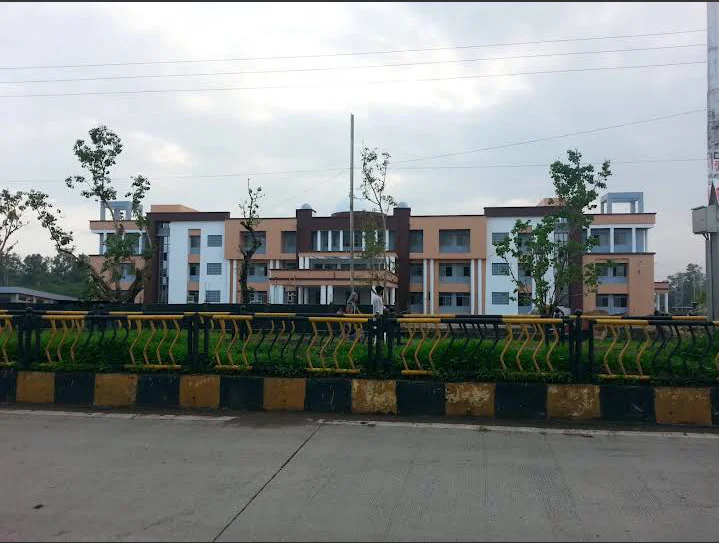
Everyday Ratlam outside the administrative building
The actual image filed as Collector Office Ratlam records an administrative building’s front, approach and green surroundings. The district’s own main page also presents the Collectorate among its city institutions. This view is not described as an open visitor hall or a tourist palace tour. If passing from a suitable public approach, a brief exterior observation can show where public administration fits into the city. A visitor without an official appointment need not enter a gate to recreate the image. If reaching the building would extend the main route, prioritise the two central focuses and the meal. The purpose of a city break is not to visit the entrance of every institution. Everyday building exteriors can help explain Ratlam beyond a railway or monument photograph, while the image date supplies no information about present entry arrangements. Keep this context optional and related to your actual onward direction.

Avoid confusing the Manglay courtyard with another temple
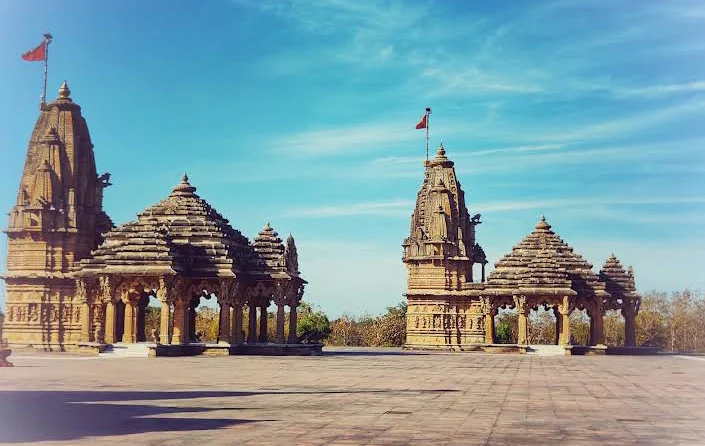
The photograph recorded as Manglay Mandir shows several temple structures and a broad open courtyard. It is not used as an illustration of Kalika Mata, Jhali Talab or Gulab Chakkar. The image’s own place record supports naming the visible architecture, but does not establish current worship, services or visiting times. If considering such a temple, check the full name, location and admission arrangements through a current local source. A courtyard appearing empty in an archive photograph may have a different atmosphere today. In a short Ratlam programme, the view introduces another form of religious architecture rather than becoming a compulsory third attraction. Another open exterior can be added once the two principal stops have received enough time. Follow the actual arrangements on your day instead of proceeding into a prohibited section simply to imitate a photographic viewpoint. Keep the visual identity of each place clear throughout the trip.

A shopfront as a view of street activity
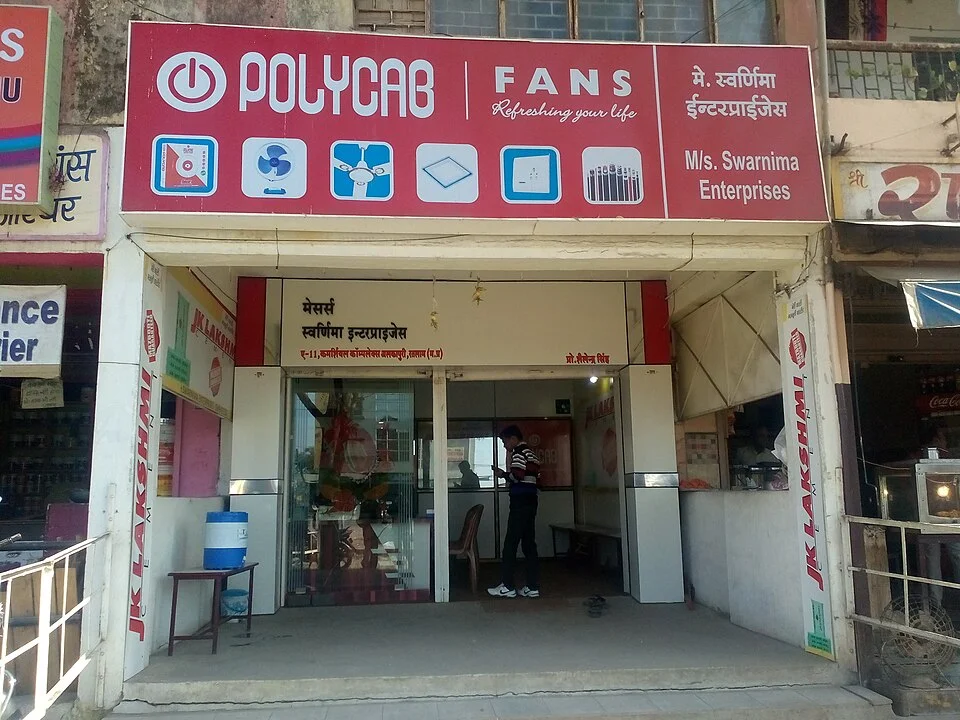
The archive photograph of a Swarnima-signed shop records a commercial frontage and entrance steps in Ratlam. Its role is to show everyday streets beyond the monuments, rather than supplying a present shopping or product recommendation. An old shopfront view does not prove that the business continues under the same name or that the pictured brands remain in stock. Observe the streets along a suitable approach between your principal visits instead of seeking out a particular shop solely for the photograph. If making a purchase, clarify the type, measurements and full cost with the seller. A frontage with steps may not offer appropriate access for everyone. A brief street observation can fit the interval between a meal and the return vehicle; it need not become an extended shopping circuit. The photograph should not be read as a price or quality ranking of a particular retailer.

An open-space image and the limits of the centre
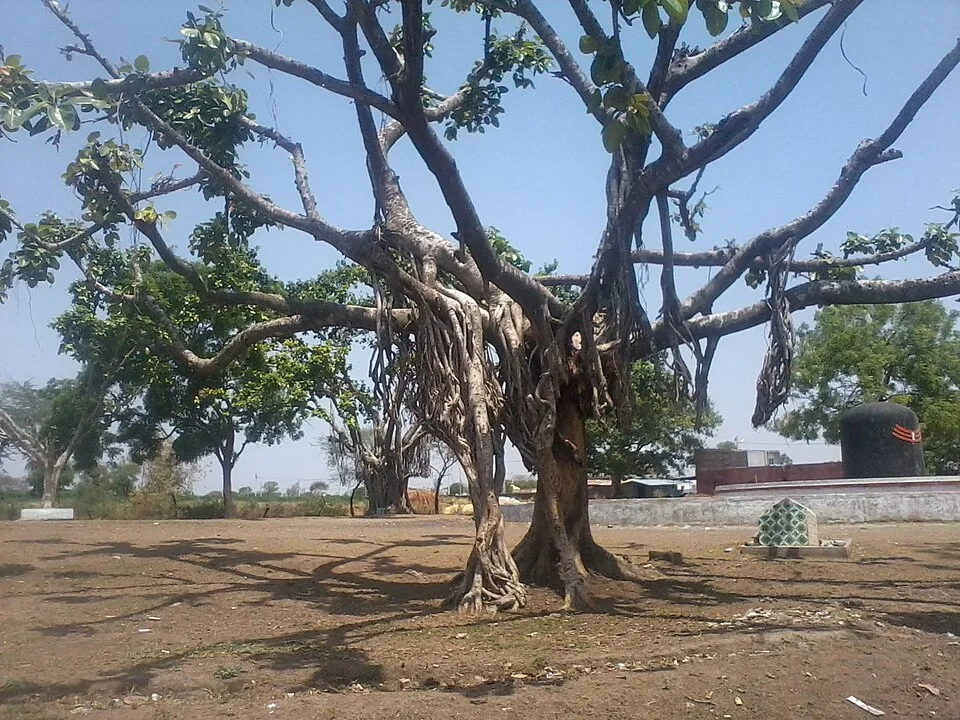
Another photograph located as Ratlam records a broad-branched tree and a small structure in open space. The scene has not been labelled as the bank of Jhali Talab, a garden at Gulab Chakkar or any other recognised stop. A tree image alone does not prove the presence of a named park or an operating visitor picnic facility. The archive location and visible tree can explain a more open spatial scale around the city. Base the journey on the actual city route and your need to rest, rather than arranging a separate transfer to this view. Assess available shade and seating under present conditions: the photographer’s empty foreground and weather are not guaranteed. Preparing a short Ratlam visit requires distinguishing its wider surroundings from the central monuments. If adding Sailana or a reservoir, allocate a separate portion of the day using real transfer information instead of treating it as the continuation of a local stroll.

A concrete regional meal of Dal Bafla
The Ratlam district’s culinary record introduces Dal Bafla as a specific main meal. Bafla made from wheat dough is boiled and roasted, then served with spiced toor dal and ghee; the same account mentions chutney, kadhi and occasionally a sweet alongside it. At an actual establishment offering the dish, ask whether dal and bafla are served together, the portion size and suitable accompaniments. No particular Ratlam restaurant’s menu has been presented as independently verified here. This is a regional dish of Ratlam and the Malwa surroundings, not a claim of invention exclusive to the city. Explain requirements relating to wheat, dairy and spice before ordering. Its name does not establish identical ingredients or the same quantity of ghee in every kitchen. Checking that day’s availability and final cost with the actual serving establishment is the honest way to connect an institutional regional account with the meal you will receive.
Balance accommodation with the second day
When selecting accommodation, consider the final station transfer, access to the Kalika Mata surroundings and the departure time together. The district’s stay list includes Hotel Ajanta Palace at a Shastri Nagar address and Hotel Lavanya Palace at Sala Khedi. These records do not guarantee a particular room, rate or accessible layout; compare the location against your programme and clarify present conditions with reception. For one night, the two central focuses and a Dal Bafla meal can be sufficient. With a second day available, consider district places such as Sailana’s cactus garden or the Virupaksha temple at Bilpank with separate vehicle and return allowances. Do not place their names on a central walking route. Institutional pages were checked on 5 October 2026. Daily admission, lighting events, departures and food availability require real information obtained near travel. Archive photographs retain their own recorded dates rather than guaranteeing the present scene.