
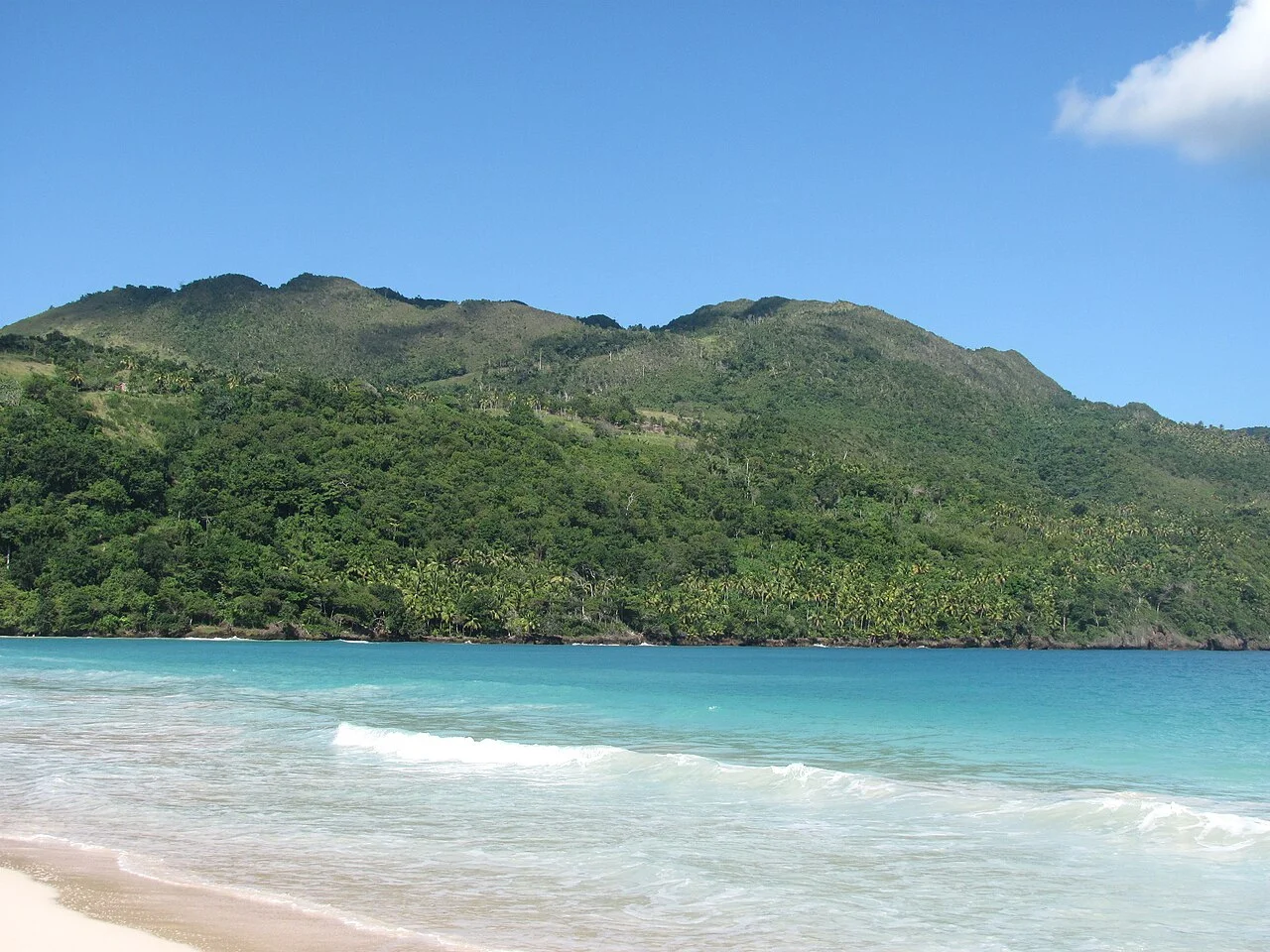
The first Dominican Republic decision is which two places deserve real time, rather than how many coastlines fit into a week. Tatilmerkezi Stork proposes an eight-day, seven-night framework connecting Santo Domingo with the Samaná peninsula. This country guide has a different purpose from individual city checklists: it connects arrival airports, accommodation bases and regional transfers. Start with the capital's historic centre, then settle into one peninsula base. Jarabacoa and the distant southwest are separate extensions, not compulsory stops in the main week.
Eight days and seven nights: two bases and a return night
Day one is for arriving on the Santo Domingo side and reaching your accommodation. Day two allows a Zona Colonial walk and time for the city's food. Spend the first two nights in the capital. Transfer to the peninsula on day three, choosing one base among Santa Bárbara de Samaná, Las Terrenas and Las Galeras. Nights three, four, five and six stay in the same place. Give day four to the nearby coast, day five to Los Haitises if conditions and arrangements permit, and day six to a lighter programme that can absorb a change in weather or transport. Return to a suitable departure-airport area on day seven for the final night. Depart on day eight. Two capital nights, four peninsula nights and one return night equal seven.
This is a planning example for comparing connections, not a bookable offer. If you fly through Punta Cana or Puerto Plata, do not automatically put the final night in Santo Domingo. Different arrival and departure airports can change the first or last leg substantially. A morning spent carrying luggage between terminals should remain visible in your itinerary rather than being counted as a full beach day. The return buffer gives you room to simplify when one regional activity changes.
Accommodation: walking in the capital, access on the peninsula
Accommodation near Santo Domingo's historic centre is worth researching if you want to divide daytime walks into manageable sections. Compare noise, the room's position, evening entrance arrangements and whether your transfer can reach the actual door. A hotel chosen for a distant view may require additional transport for every meal. Star ratings alone do not reveal how your day will work. Put breakfast, lunch and the journey back to the room on the same map as the attractions.
On the peninsula, Santa Bárbara de Samaná can suit a bay-oriented plan with boat arrangements, while Las Terrenas can suit travellers combining accessible eating options with coastal outings. Las Galeras is a different eastern base. These are not interchangeable accommodation addresses. Compare access to the nearest beach, shops, lunch and the final transport leg at the property level. If seeing a distant beach means another long trip for food afterwards, reduce the day's ambitions instead of adding more stops.
Los Haitises: a boat day that can change
Coastal rocks, forest and mangroves in Los Haitises introduce landscapes beyond an ordinary resort-beach picture. The official tourism source describes boat access from Samaná. That establishes a route option, not a guarantee that a particular departure or excursion operates on your dates. Confirm how you reach the departure point from your accommodation, where the boat returns and the total time involved. Day five of the main framework is reserved for this option; a quiet local day is a sensible replacement when conditions do not support it.
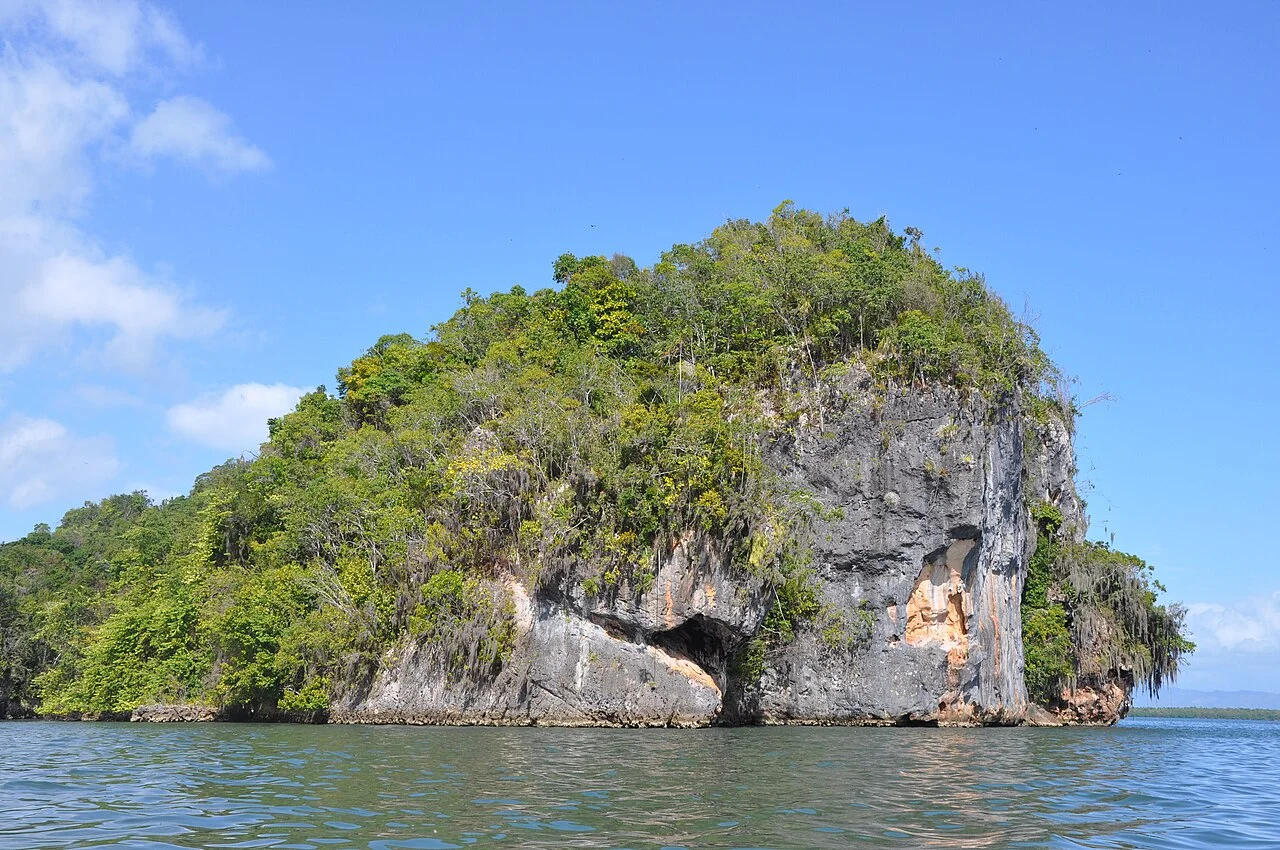

Do not read the historic rock photograph as a specific cave entrance or as permission to climb an islet. Observe birds at a distance and follow the protected area's route and the operator's instructions. You need not add a remote waterfall to the same boat day. Decide whether lunch is on board or ashore before leaving, so the return does not unexpectedly require travelling hungry to another town. A useful itinerary accounts for ordinary needs as carefully as it accounts for a dramatic view.
Mangroves: another scene in the same protected area
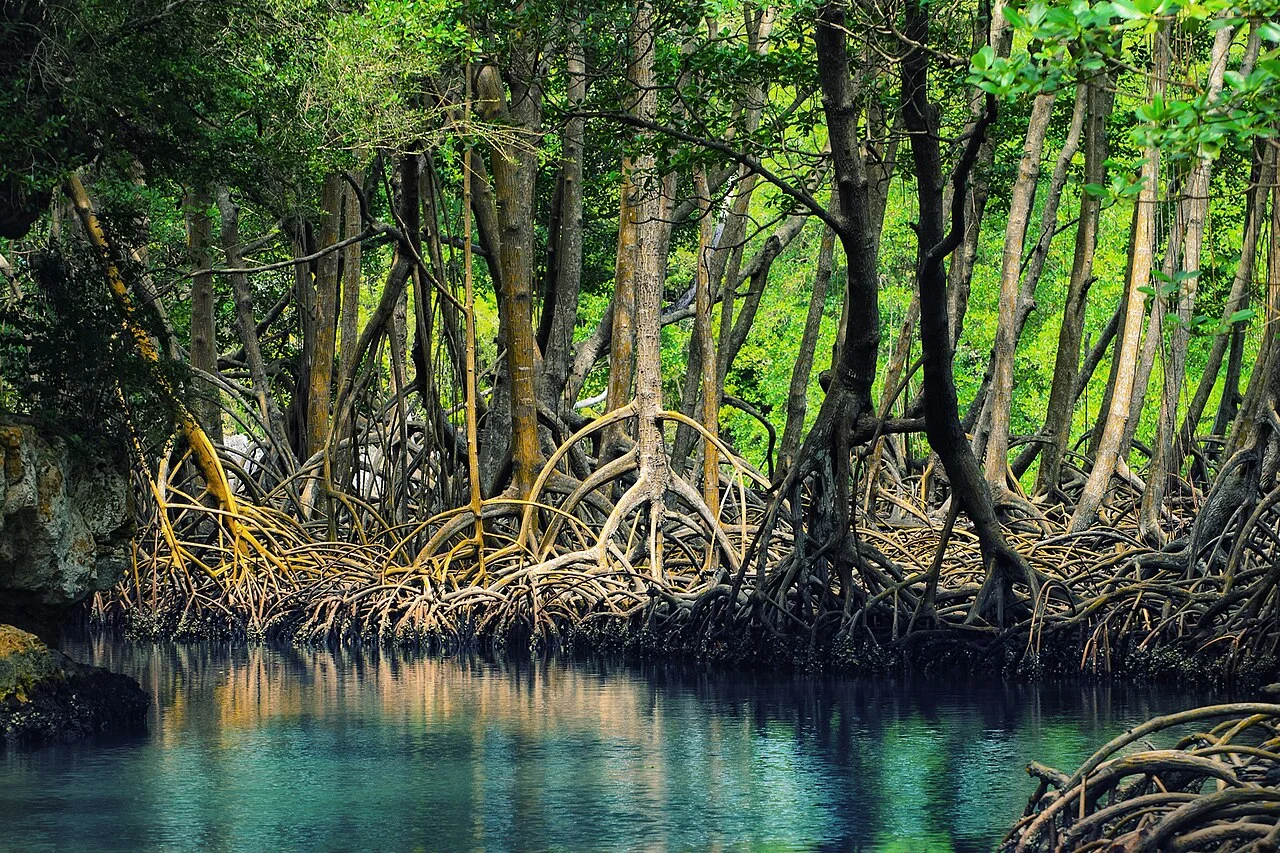
The mangrove photograph is a distinct Los Haitises scene, not a crop of the rocky-islet image. Water passages and exposed roots are a reminder to look beyond an open-sea panorama. Whether a boat or kayak arrangement is appropriate depends on the day's organisation and conditions. This guide promises no universally accessible activity. Protect the space around wildlife, and let the local protected-area arrangements determine where a visit can proceed.

Reserve an evening on the peninsula for a meal such as fish in coconut sauce. After a long boat day, choose a short journey to dinner rather than another ambitious transfer. In the capital, research mangú for breakfast, locrio de pollo at a different meal and sancocho on a separate evening. Spreading these dishes through the trip creates a practical food plan instead of a challenge to eat every named speciality in one day. A meal is part of the route, not a spare item left after sightseeing.
Jarabacoa: a mountain alternative, not an automatic addition
The Jimenoa waterfall image dates to summer 1997 and illustrates a different inland setting around Jarabacoa. It does not establish that today's access path, bridge or bathing conditions are open or suitable. If the mountain region is your priority, design an alternative that replaces part of the peninsula stay. Constant hotel changes between the capital, Samaná and Jarabacoa can consume much of the same week. Choosing between mountain and coast is a real itinerary decision, not a failure to visit enough places.
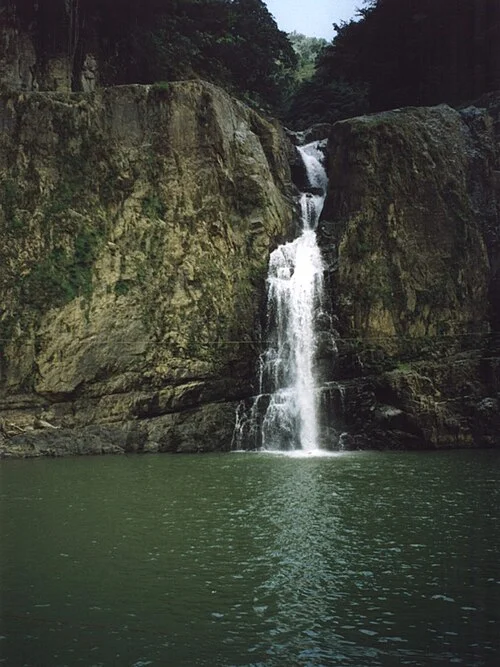

Evaluate a waterfall outing together with the journey out and back to your accommodation. After rainfall, current local authoritative guidance matters around rivers and paths. An early breakfast, one walk and an unhurried lunch afterwards create a readable day. No activity admission, fee or physical-suitability guarantee is offered here. Historical scenery provides context; current arrangements have to establish what you can actually do.
Bahía de las Águilas: a separate southwestern journey
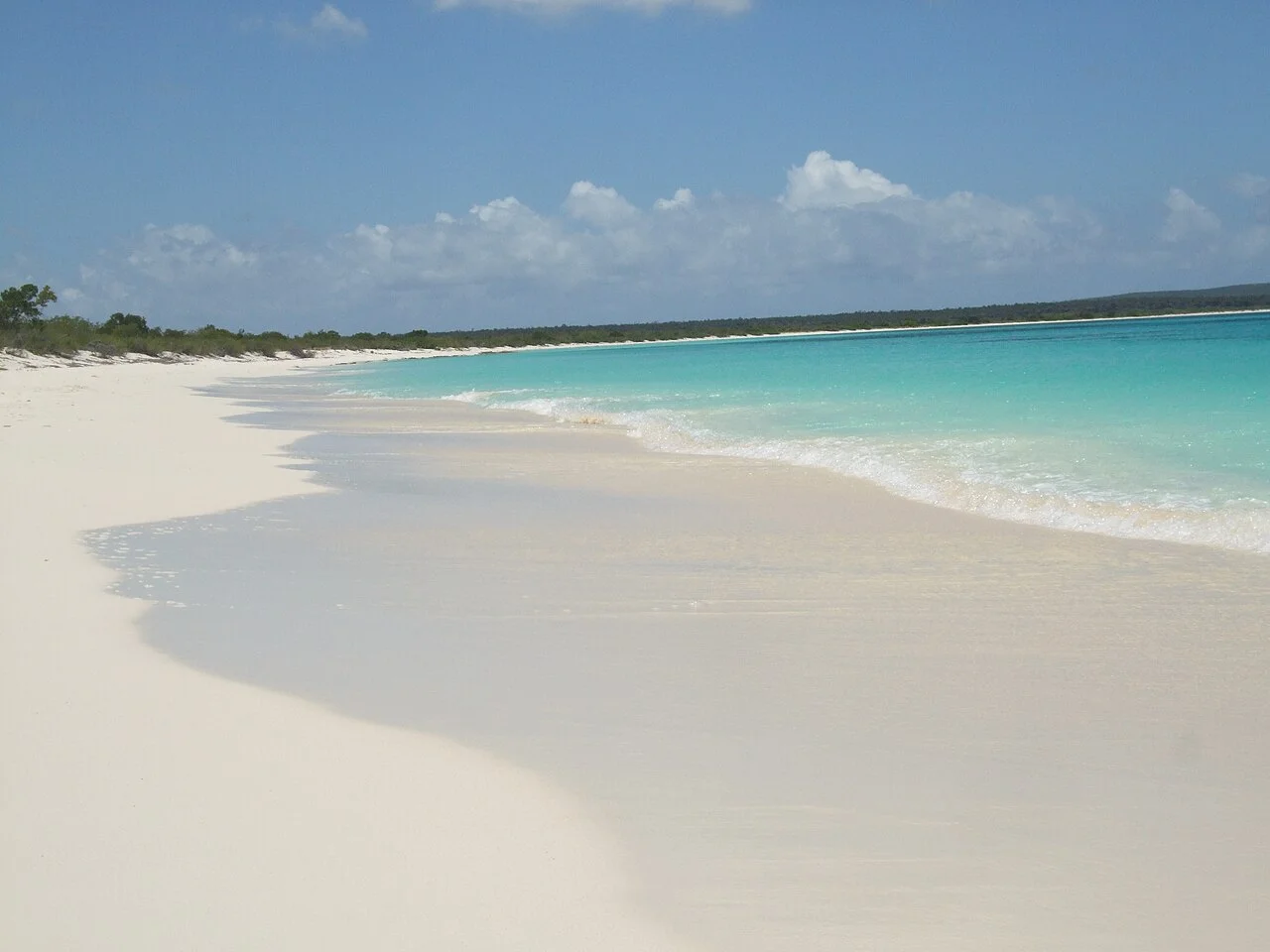
The Bahía de las Águilas picture shows the Pedernales side of the country, not a Samaná beach. It is not presented as a nearby extra in the eight-day framework. Prioritising the southwest calls for a longer journey or a different regional backbone that removes another segment. Verify protected-coast access and local transport separately. The quiet beach in an old photograph is neither a forecast of present crowding nor an assurance about conditions in the water. Giving this region its own time is more honest than treating the whole country as a single beach strip.

Transport, budget and current conditions
The official tourism transport page describes intercity coaches, guagua minibuses and taxis. For the first long transfer with luggage, investigate the terminal, ticket, departure and arrival addresses together. A guagua and a coach should not be assumed to have identical baggage or comfort arrangements. Compare a hotel transfer, coach and private vehicle through the total door-to-door cost and the required connections. This text invents no current fare or departure frequency. A cheaper ticket can still entail an additional transfer at each end.
The FCDO check on 4 October 2026 calls for attention to crime, road risks and hurricane-season disruption. Avoid displaying valuables, use reliable transport and revisit current official advice near departure. Check entry requirements for your own nationality separately. Tatilmerkezi Stork's final suggestion is to leave room for local meals in one city and one coastal base. Two well-connected stays make a more coherent introduction than five regions linked by rushed journeys.