
Darling: domestic work, farm tools and theatrical satire
A short Darling break can be built around two different readings: traces of domestic and agricultural life preserved in a museum, and political satire recreated around an old railway station. The Tatilmerkezi Stork suggests two nights and three calendar days, with arrival and settling in first, one complete town day in the middle, and departure the following morning. Day visitors from the Cape Town direction can shorten the same main route. A theatre performance should not be included as a certainty merely because the visit falls on a weekend: its date and ticket are separate decisions from museum access.
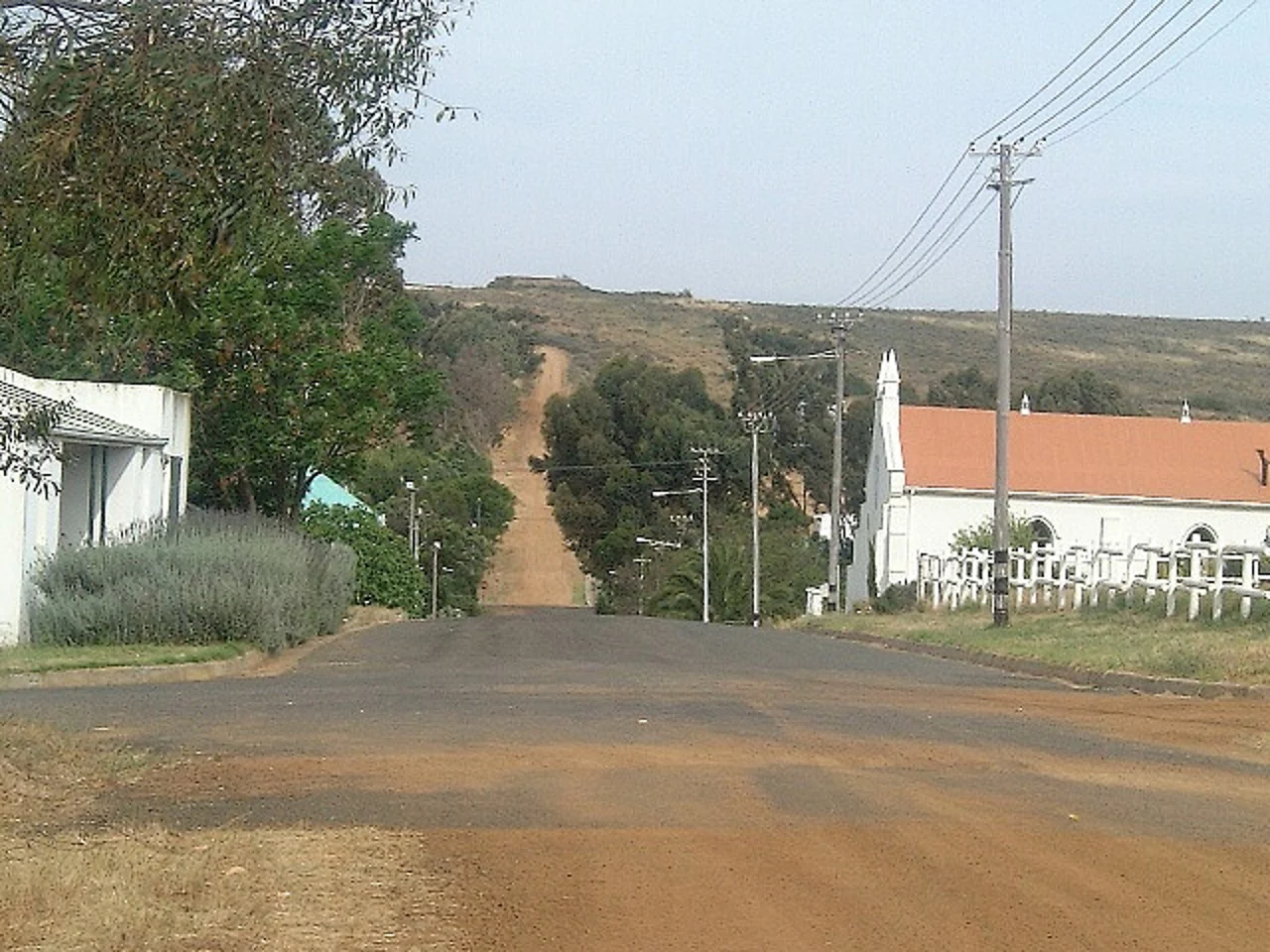
This itinerary does not rely on promised flowers in bloom, a wine tasting tour or a long sequence of farms. Within Darling's town setting, it compares household objects, agricultural labour and the language of humour built around a stage character. After checking in on the first evening, marking the next day's two addresses on a map is sufficient preparation. Quiet streets in an older photograph do not establish present traffic, continuous pavements or every shop's opening. Assess actual walking connections when you arrive rather than treating a historical scene as a current transport survey.
Darling Museum: what ordinary objects can explain
According to Darling Museum's own account, the institution was founded in 1978 through the Women's Agricultural Association. That background helps explain why its domestic and farming objects deserve more attention than a quick glance at an assortment of old things. Make the museum at 20 Hill Street the first focus of the morning. Ask which sections are accessible that day and discuss any guided interpretation separately. Its own page provides visiting information, but the notice for the travel date takes priority. This guide promises neither an unchanged admission charge nor identical hours throughout the year.

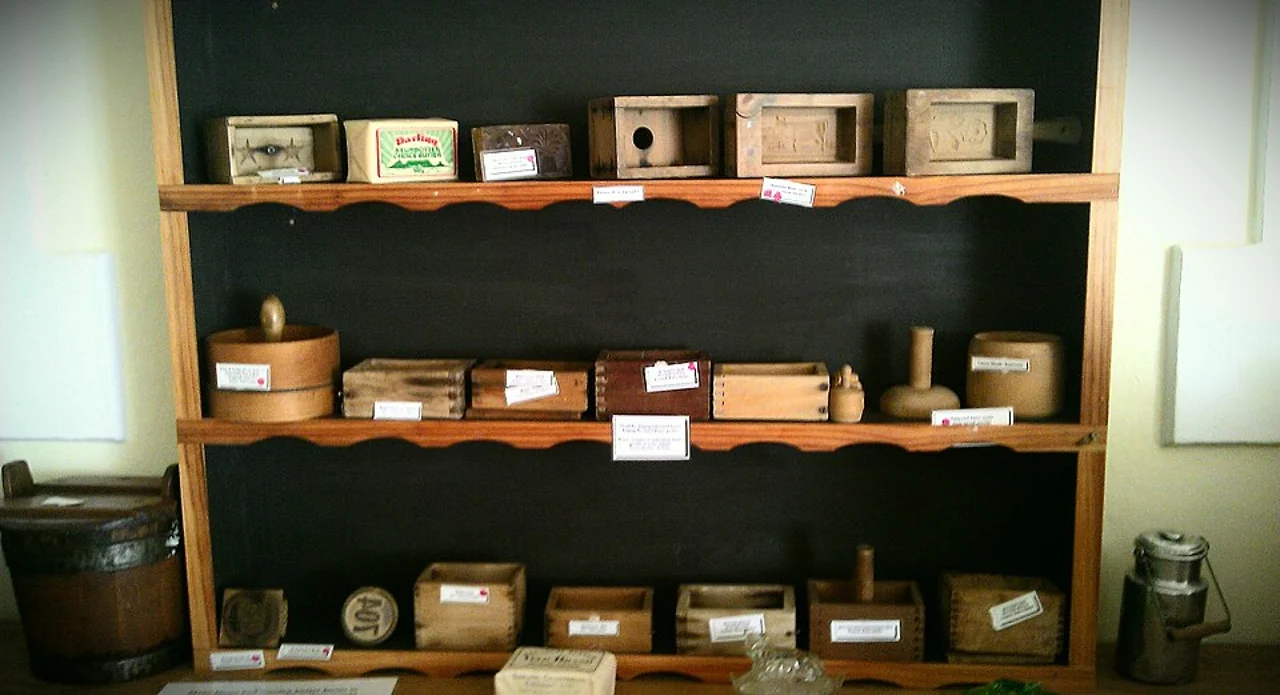
Look at small containers, household implements and the large agricultural machine through a shared question: how did a household organise storing food, preparing it and carrying out work in the fields? The older machine in a photograph is not evidence of an operating demonstration today. If you cannot identify a component, ask staff about its purpose. Discussing the distribution of work within a household is more useful than assigning a confident but guessed name. Reading the town's agricultural relationship through the concrete museum display then gives the surrounding farmland a historical frame, without pretending that every present field follows the same practices.
Evita se Perron: distinguish fictional character from history
The second focus is Evita se Perron around the old station at 8 Arcadia Street. The current operator's description brings together political memorabilia, exhibitions, theatre and food products. Tannie Evita is a fictional satirical character: the character's personal story must not be retold as the biography of a real diplomat. Moving from everyday work objects at the museum to political representation and humour here provides a clear comparison between two ways of constructing memory within the same small town. It is a different reader need from collecting a list of rural attractions.
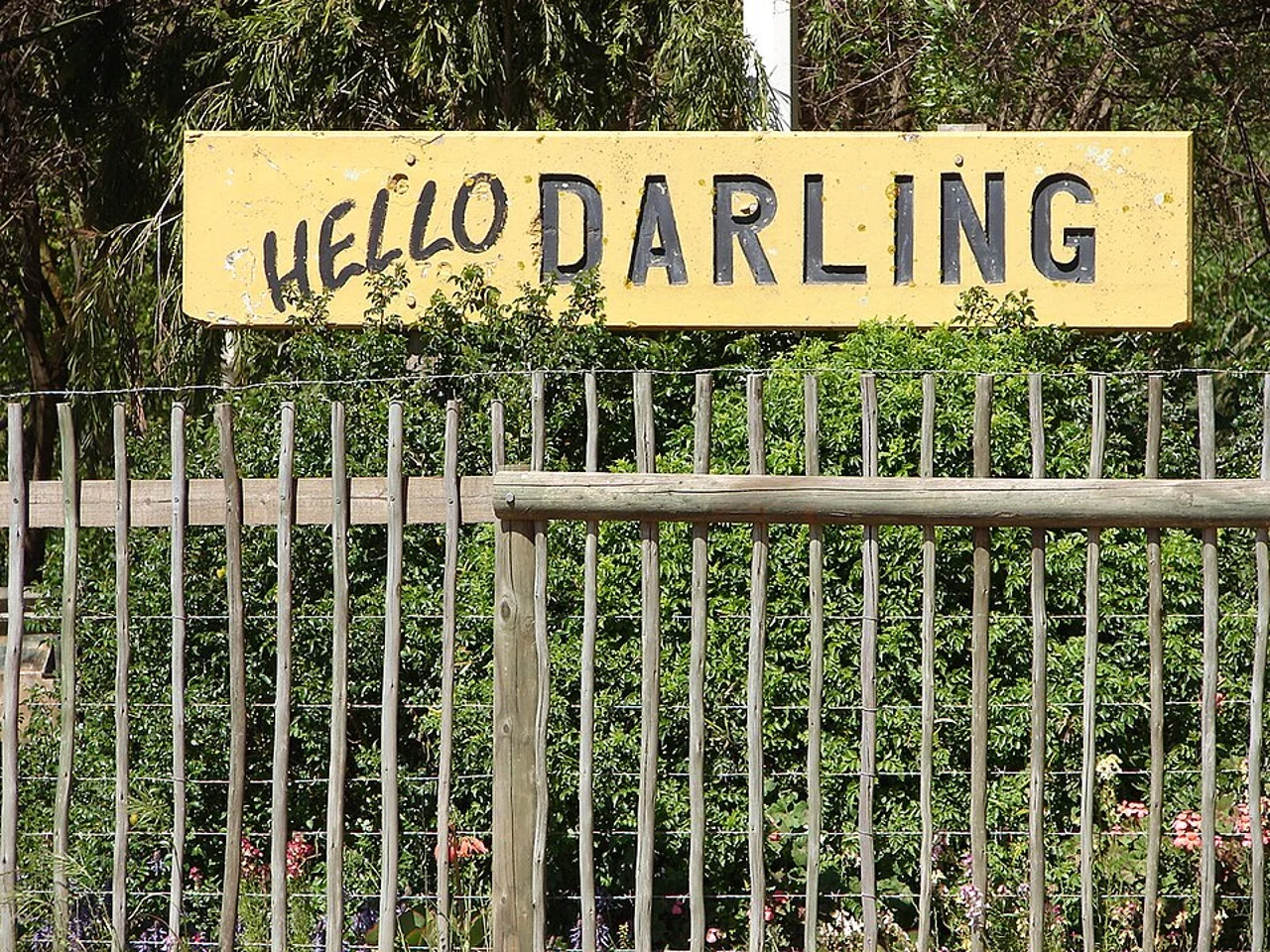

If a theatre experience matters, use the operator's programme for the actual date and its indicated ticket channel. Being at the station does not prove that a performance is taking place or that admission is available without a ticket. Contemporary political sculptures in Boerassic Park may also carry underlying artwork rights separate from a photographer's licence; the images in this guide do not reproduce those works. A station nameboard records exterior context, not an auditorium or the current exhibition layout. Without a performance, a short visit to confirmed accessible interpretation and the setting is still a useful second focus.
A pause with buttermilk rusks and honey-salt toffee
Darling Sweet's own product page lists concrete options including buttermilk rusks, almond-orange rusks and honey-and-salt toffee. Rusks are a crisp, durable baked product that can accompany a coffee or tea break; they are not presented here as a hot meal service or a full lunch menu. Buying a small quantity of two varieties can help turn the producer story into a comparison of tastes rather than merely a photograph of packaging. Ask which products and serving formats are available that day. An online list is not a guarantee of stock on arrival.

With honey-and-salt toffee, compare sweetness and the salty finish; with an almond-orange product, consider citrus and nut texture. These are straightforward questions about flavour, not claims of exceptional health benefits. If dairy or nuts matter to you, read the current label and ask the staff. Do not let a sweet purchase substitute for a main meal; choose a currently open food business separately for lunch. Buying a product also does not grant access to its production area or establish that a factory tour takes place. Any tour or tasting needs its own current conditions and confirmation.
Transport between two addresses and choosing a base
When placing the museum and station focus in one day, do not turn a short map distance into effortless walking for every visitor. Sun, pavement continuity, mobility and road crossings all affect the decision. If using a car at both points, identify actual parking and the return route beforehand. A historic station name does not establish an active passenger train service. Regional transport requires current information from its operator; a photograph cannot supply a timetable. Adding a wider surrounding route to this compact town day would require additional time rather than squeezing it between two visits.


For accommodation, examine the actual address and its connection to Hill Street or Arcadia Street. A central guesthouse and rural accommodation outside town involve different transport requirements; not every Darling address is within the same walking distance. Confirm key collection and dinner arrangements before a late arrival. If you have booked a verified evening theatre performance, return transport belongs in the plan as well. Arrange driving accordingly if adding an event that involves alcohol. The cultural route itself does not require a drinks tour, and its domestic-history focus should not disappear beneath a general rural tasting itinerary.
How to keep the town day flexible
One full morning for domestic and agricultural memory, followed by an afternoon station focus with confirmed access, is enough. Put a real lunch and a short product break between them instead of implying that each stop requires a complete day. If the museum is closed, change to another confirmed visiting date or shorten the stay; do not describe seeing the inside of a closed institution. In rain, reduce outdoor walking and prioritise an indoor space whose opening has been checked. That is more useful than racing from one supposed attraction to another.
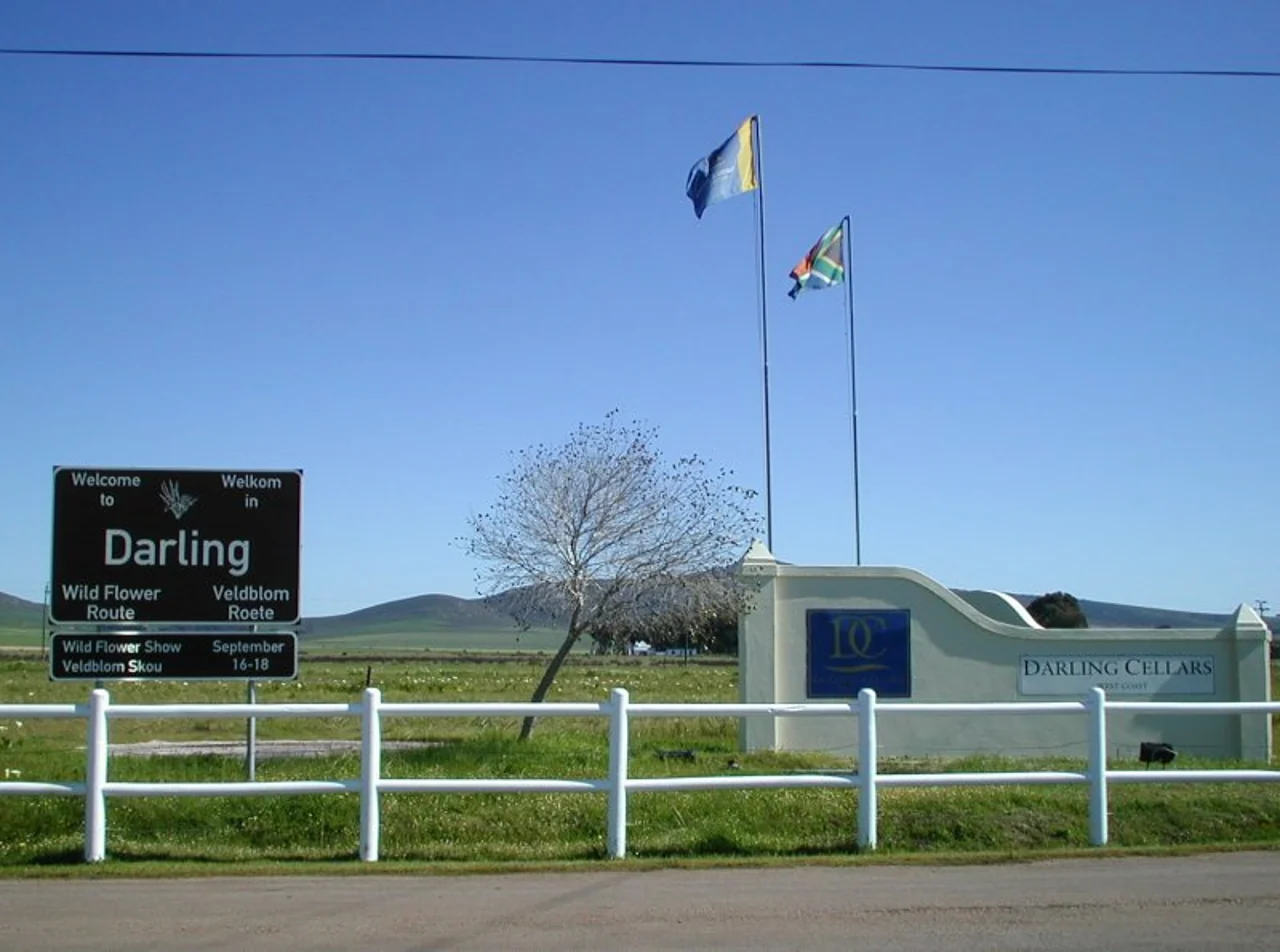
Breakfast, luggage collection and departure on the third calendar day are not a second full cultural day. If buying products at the end, check the actual shop opening and avoid making the onward journey dependent on it. The Stork's preparation list consists of current institutional access, the theatre programme for the date, product ingredients and stock, and the transport links from your accommodation to both focuses. Dates for the older town, welcome and museum photographs appear in their captions; those images do not guarantee today's display or programme. Darling's distinctive value is reading household and field work alongside the stage of political humour within one town day.