
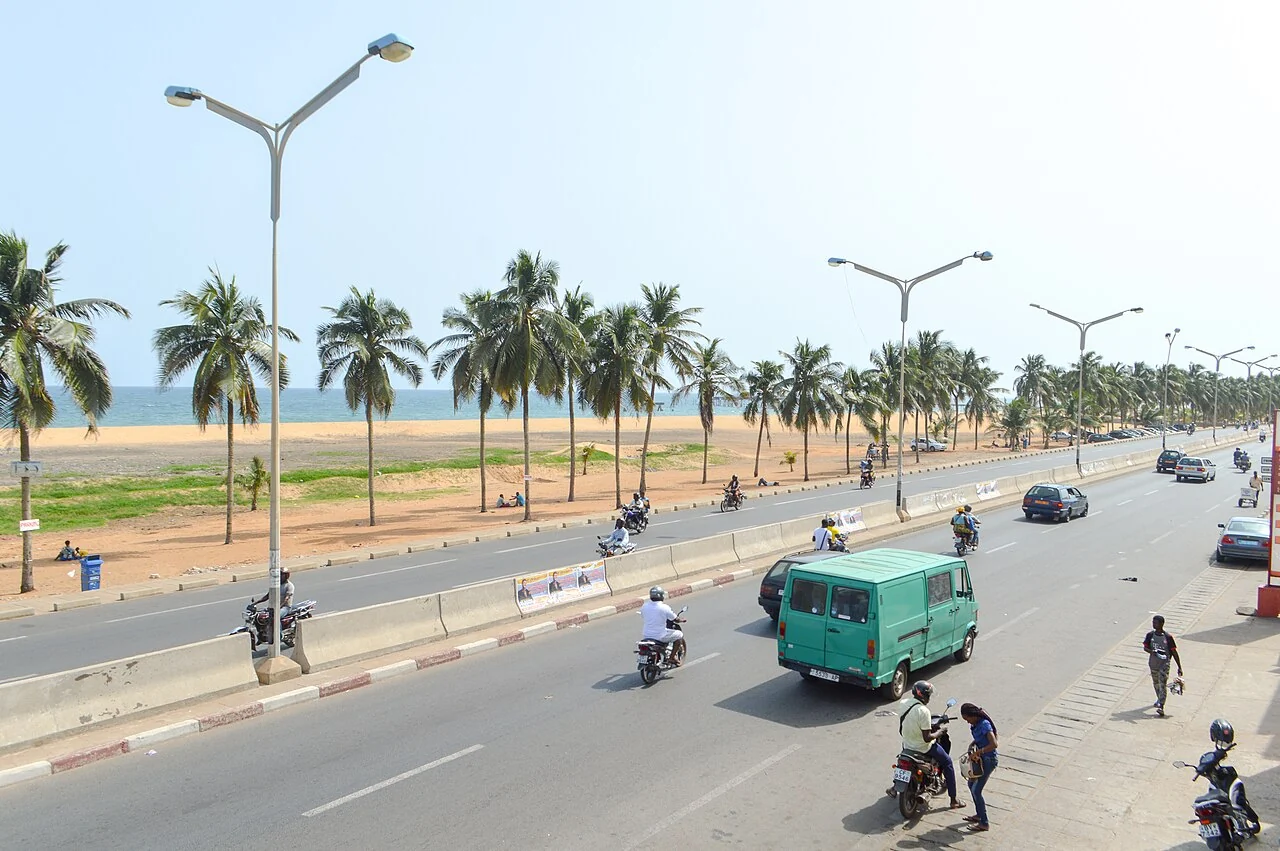
The Tatilmerkezi Stork does not try to fit all of Togo into a first week. Lomé's coastal roads, busy market and craft stops offer a different rhythm from the green surroundings of Kpalimé. This guide builds a six-night itinerary only in the south; the northern border and the Savanes region are excluded from the holiday route. Two main accommodation bases make it easier to move between urban life and a guided countryside day without constantly repacking. You do not need to collect every waterfall. A thoughtful town walk, one suitable nature excursion and local meals can provide a more rewarding introduction.
Read the travel warning before choosing the route
In the 4 October 2026 review, FCDO advises against all travel within 30 kilometres of the Burkina Faso border, except Dapaong city and the N1 road leading south. It advises against all but essential travel in the rest of Savanes. This guide does not turn the exception into a holiday recommendation: the entire northern/Savanes section is outside the proposed itinerary. The south is not guaranteed safe either. Recheck official advice, insurance coverage and local conditions before travelling.
Six nights, seven days: two different rhythms
A balanced example gives Lomé the first two nights, Kpalimé the next three, and Lomé the final night. Use day one for arrival and rest, day two for the market and crafts, and day three for a daylight transfer to Kpalimé followed by a short orientation walk. Day four can be a suitable waterfall excursion; day five a short guided countryside route. Return to the coast on day six and fly on day seven. Transfers count as part of the trip rather than disappearing from the schedule. The return buffer avoids turning the last road journey into a race against the flight.
If urban culture interests you more than nature, shorten Kpalimé by one night and allow another market or museum session in Lomé. An extra day does not need an extra town. If rain affects the trail, replace the countryside outing with a properly arranged producer or craft visit. Avoid scheduling a long drive, a demanding walk and another accommodation transfer on the same day. Ask for a shorter option when the proposed distance, ground conditions or return arrangements do not suit you.
Lomé: market, crafts and a lunch break
Visit the Assigamé market area during a cooler part of the day. Agree on an entrance and meeting point, and start with a short circuit that does not take you too far from the main street. Observing textiles, everyday goods and street life is a better introduction than treating the visit as a shopping competition. Discuss the item and price before buying, and ask permission before photographing people. Keep narrow passages clear and your bag closed. An accessible lunch stop afterwards can be more comfortable than trying to drive around the entire city in one afternoon.
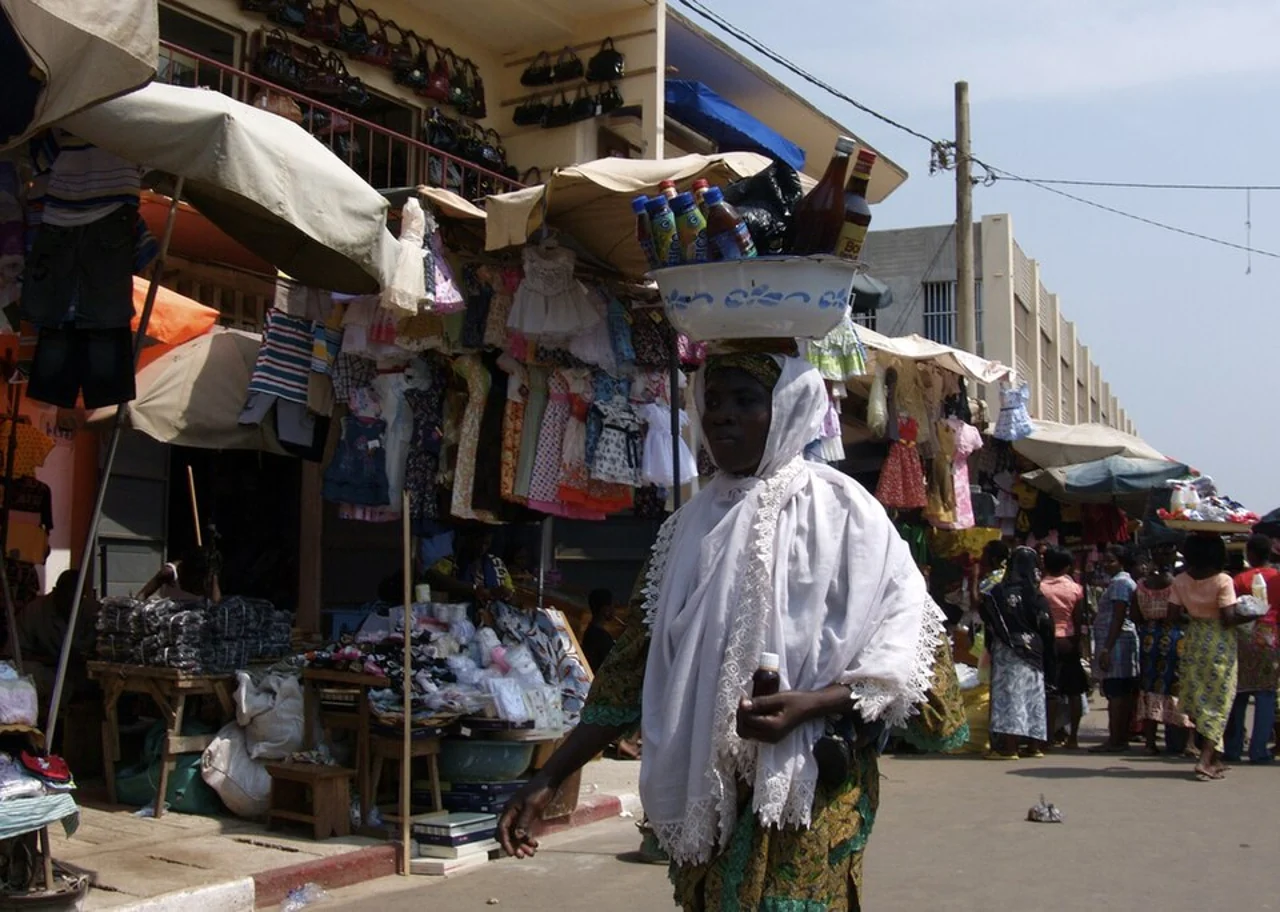

Village artisanal, highlighted by the official tourism source, allows a separate look at craft work. Ask about materials, where an object was made and how it should be transported; do not assume a large purchase will fit your flight baggage. Keep the coastal walk short, with shaded breaks. A seaside photograph is not a swimming recommendation: strong currents can occur without warning signs. Before the day ends, confirm the next driver's meeting point and the room's check-in arrangements. These details reduce last-minute searching in an unfamiliar city.
Kpalimé: keep the waterfall day manageable
A countryside nature day can combine one waterfall with a short walk. The ministry's Womé record confirms a waterfall location in the region, but an old development-project article does not demonstrate that facilities are open or newly improved today. Ask a local guide which route is accessible on your date and how the road is behaving. Find out whether the walk involves water crossings, where the return vehicle will wait and what happens if it rains. Swimming should not be a compulsory part of the outing; assess the actual water and rocks on site.
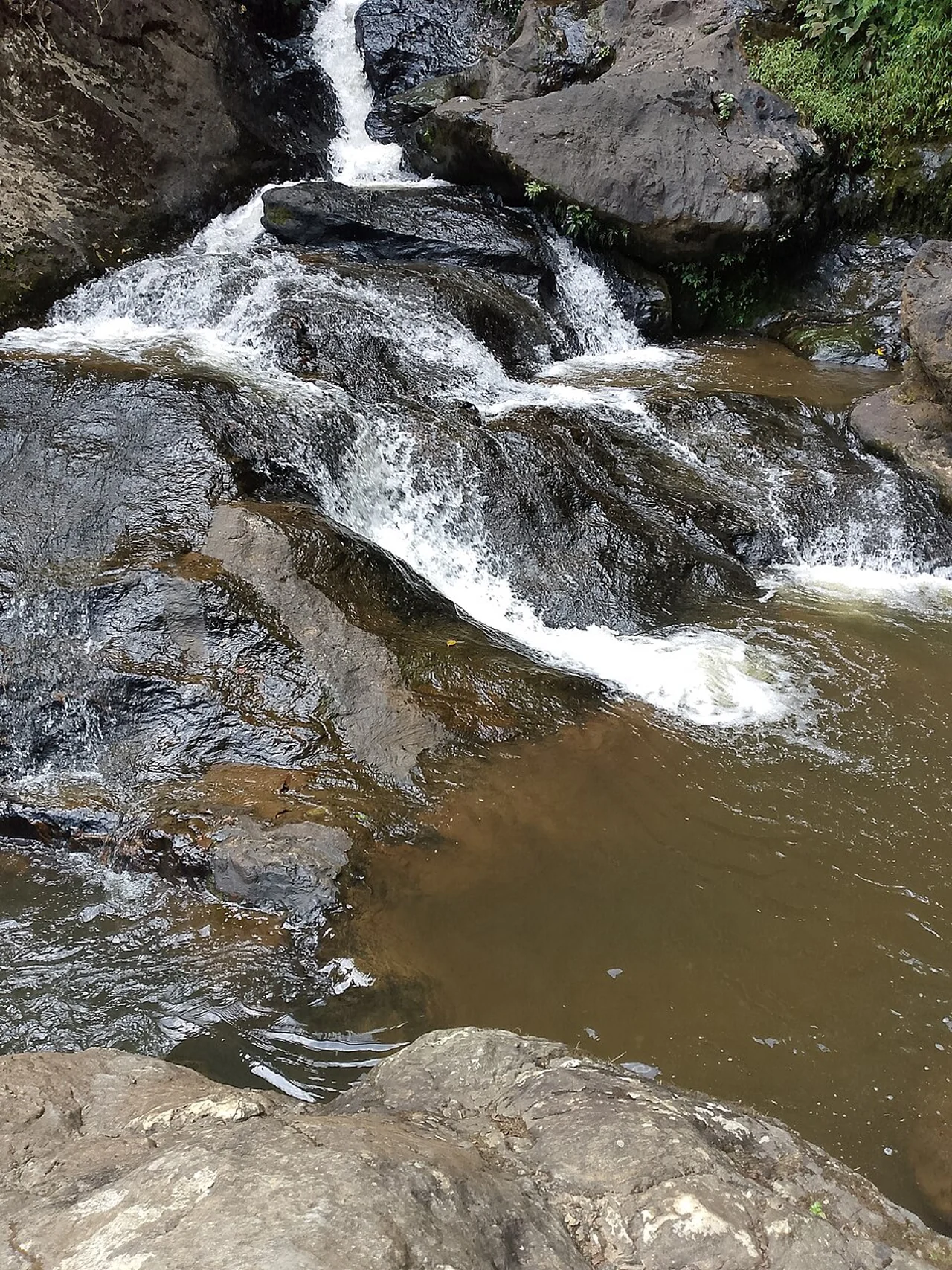

A calm meal after one main nature stop may be more useful than another distant waterfall. Staying in Kpalimé supports an early local departure rather than travelling from Lomé and back every day. Do not open your own trail along a forest edge. Arrange producer or community visits in advance and avoid treating homes, stores and workplaces as unrestricted attractions. Describe a cocoa activity as harvesting, drying or selling only when that process is actually taking place. A quieter day gives more room to listen and ask appropriate questions.
Adémè déssi, ewokoumè and a cocoa stop
UN Tourism's African gastronomy publication records the Togolese pairing of adémè déssi and ewokoumè. The leafy sauce recipe can include fish and meat, while ewokoumè is a maize-flour accompaniment. If the combination is available on a menu, ask about it for lunch. Check fish, meat and spice ingredients rather than assuming a leafy dish is vegetarian. Following a market morning with this particular meal connects the urban walk to everyday cooking and creates a useful pause in the day.
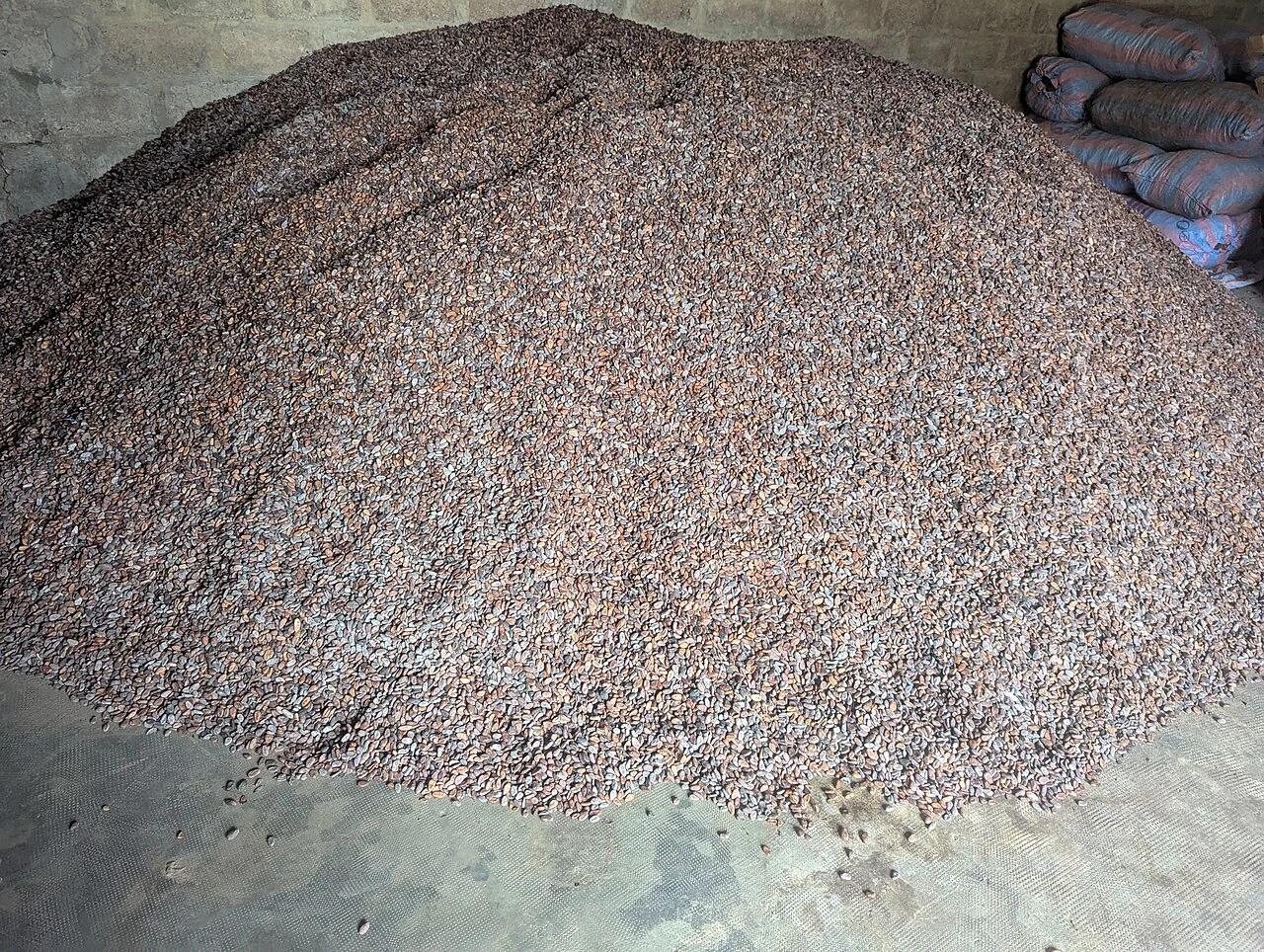

Arrange a cocoa visit around the producer's availability in the Kpalimé area. Raw beans are not ready chocolate or a prepared meal. Read ingredients and storage instructions before buying a product. On a longer nature day, agree on drinking water and a small portable snack, leaving the main meal for the return. Ask your accommodation about meal times instead of assuming every village has a restaurant ready at any moment. Questions about processing and labour make the visit more interesting than merely photographing a product or making a purchase.
Choose the vehicle and room around the itinerary
Plan road transfers in daylight and confirm in writing which stops and waiting periods are included. No fixed journey time or fare is given here: weather, roads and the vehicle can change the duration. Small roads may become impassable in rain and roads outside towns may be unlit. In Lomé, an easily reached base near meal and rest options can simplify the trip. In Kpalimé, look for accommodation able to arrange an appropriate nature departure. Ask about transfers, drinking water, fans or air-conditioning and electricity before choosing solely for a distant view.
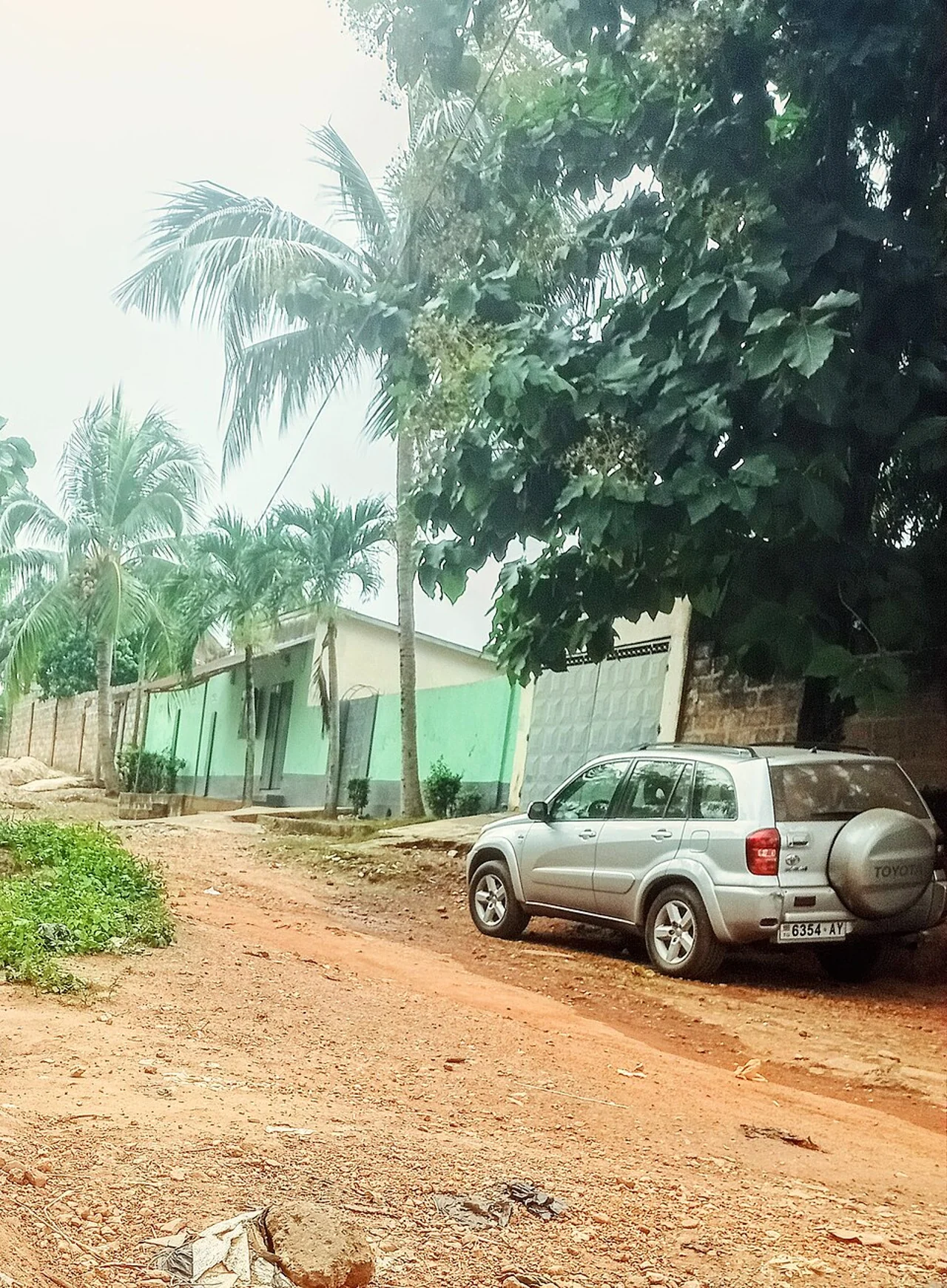

Returning to Lomé for the final night creates a practical flight buffer. Use the official voyage.gouv.tg system for the entry requirements applicable to your nationality and length of stay. Its current procedures page points to submitting visa applications at least five days in advance; that is not a guaranteed approval time, so do not leave the process to the last day. Confirm relevant health documents with qualified advice. Demonstrations and security conditions can change: check the route again close to departure, and be willing to shorten the trip if the circumstances require it.