
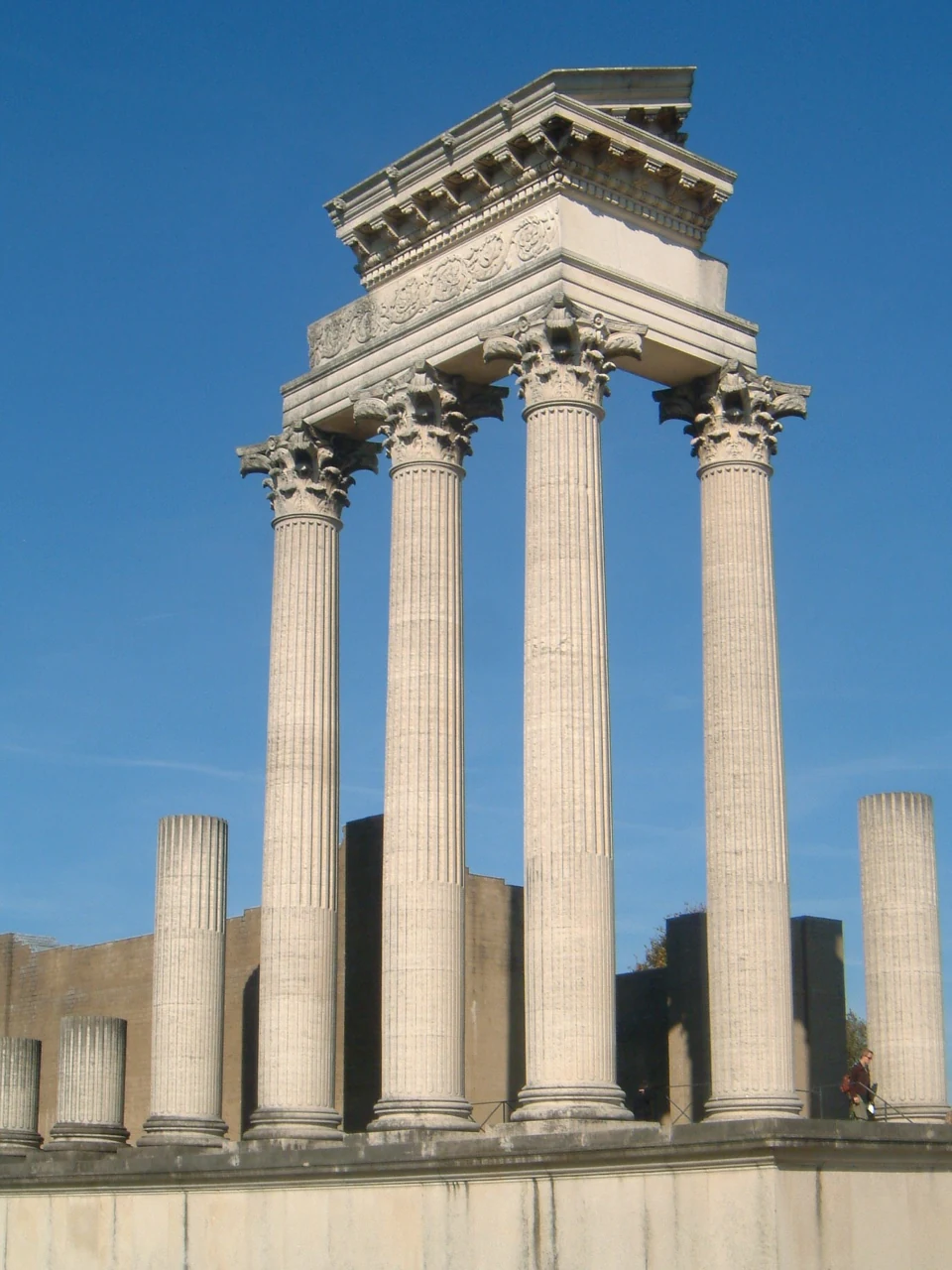
Xanten lends itself to a visit in two historical layers: the Roman world through an archaeological park and museum, followed by the smaller streets and cathedral of the town centre. Give LVR-Archäologischer Park the substantial part of the day instead of treating it as a brief stop between squares. The centre can then provide a quieter finish. With two days, splitting these areas is especially useful for families or anyone who likes to spend time with collections. Decide what matters most before tying admission, meals and evening plans to a tight schedule.
Arrival and choosing an entrance
Mark your intended park entrance separately when planning the journey from the station. The official LVR park website lists the Stadtzentrum entrance at Am Amphitheater, Hafentempel at Am Rheintor and RömerMuseum at Trajanstraße 10. An administrative postal address should not be used as a visitor gate. Your choice depends on whether the old centre or museum comes first. Arrange luggage storage or check-in before setting out with bags. A park visit includes walking back out and taking breaks as well as reaching the first building; allow for the whole route.
Making the Roman park manageable
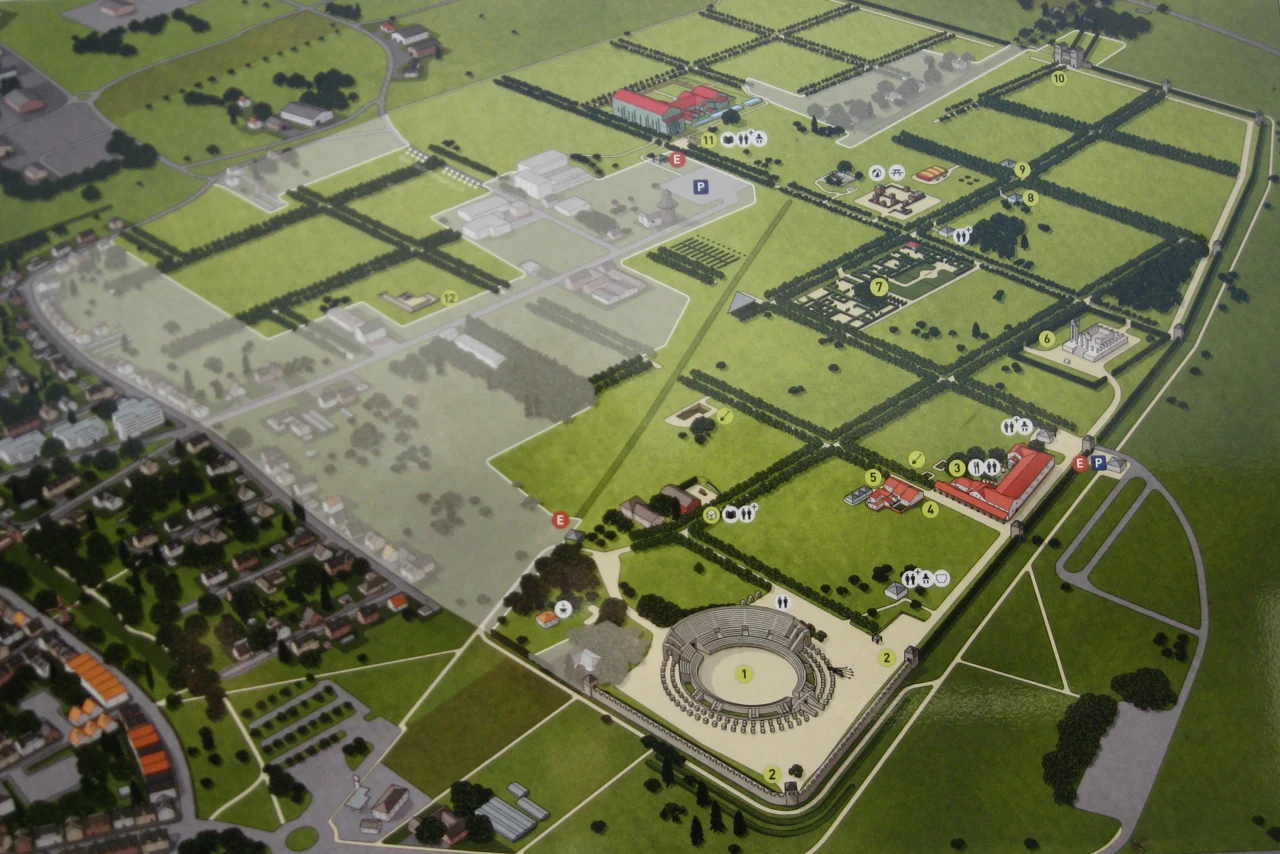
Look at an overview plan on arrival and choose a few principal stops rather than attempting everything at once. Connect these through a walk that suits your interests. Notice the distinction between archaeological remains and reconstructed structures. Columns, wall traces and interpretation work together to make the settlement's scale easier to understand. Stay with a structure for a few minutes after photographing it, considering what it represents. With younger children, divide the outdoor route into smaller sections and pauses. That makes it easier to keep the group's energy through the afternoon without turning each stop into another deadline.
RömerMuseum and the season
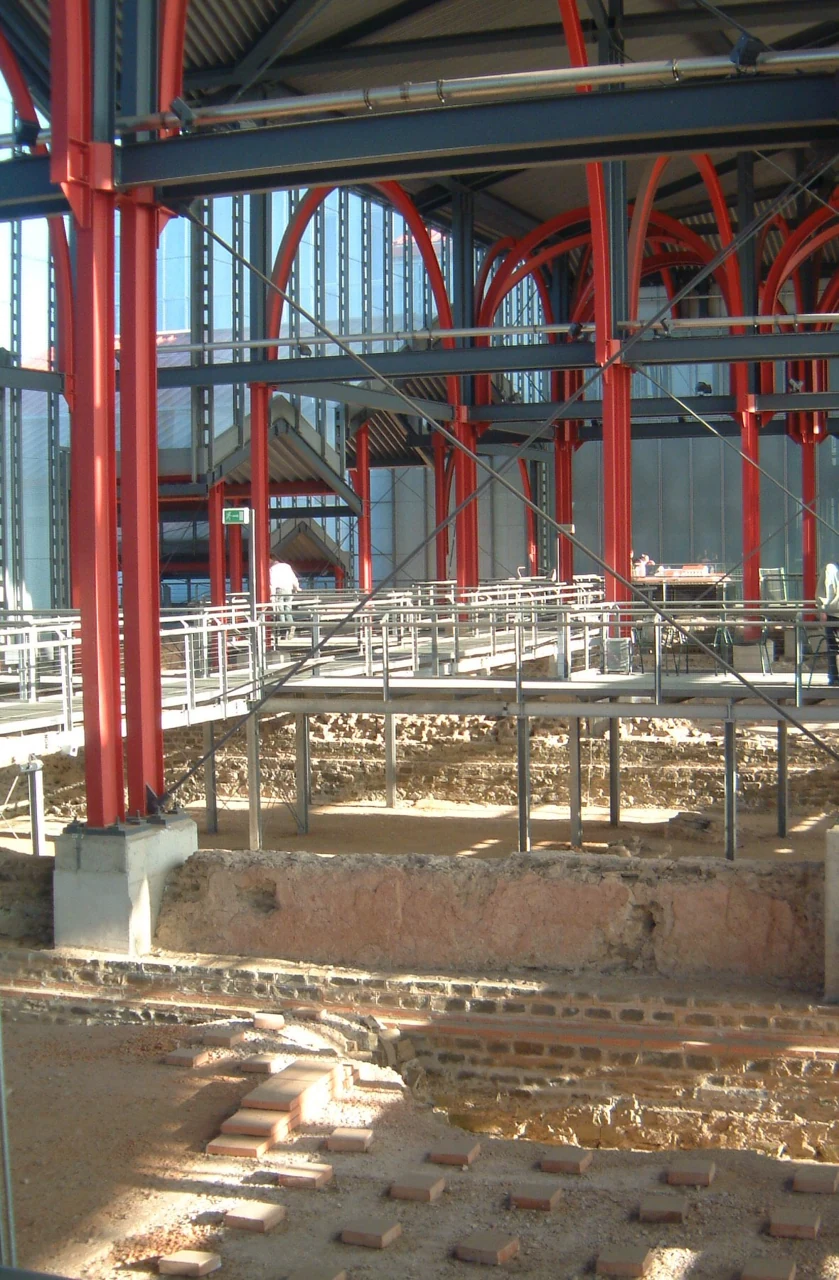
Choose your museum time according to the collection you want to see, rather than automatically replacing the entire outdoor visit when rain appears. The official announcement schedules RömerMuseum's annual maintenance closure for 23–27 November 2026. Park opening hours differ between summer and winter, so a late start leaves less outdoor time on shorter days. Check the admission coverage when buying a ticket. Paying attention to fewer objects can be more rewarding than a hurried last-hour circuit. For a family visit, ask each person to choose one object to discuss, linking the collection with structures seen outside.
Hafentempel and architectural detail
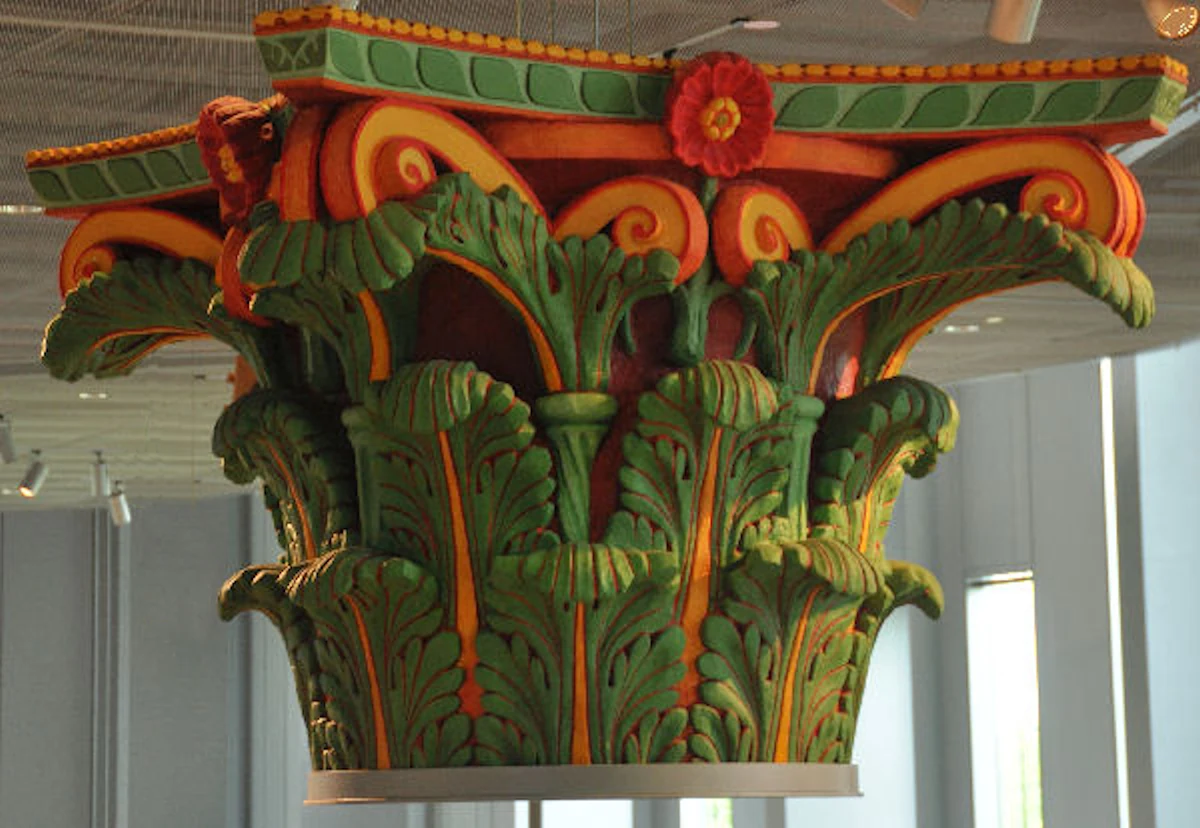
At Hafentempel, start with the overall structure and then look at smaller details such as capitals and surfaces. Dated photographs in this guide illustrate the architecture; they do not promise that every working area is accessible in exactly the same way today. Reconstructed colours and proportions can challenge the idea that Roman architecture should always be imagined as grey stone ruins. Account for wind and sunlight during this part of the outdoor route. Pause without blocking other visitors' views or interpretation panels. Before leaving, decide whether to return to your arrival gate or continue towards an exit more convenient for the centre.
St. Viktor and the town centre
The official St. Viktor visitor page describes independent visits and guided tours. Sunday sightseeing begins at 12.30 pm, so do not build the morning around entering during services. Walk from the cathedral towards Markt and make a small circuit through the adjoining streets. After the extensive Roman site, the centre offers a more intimate scale. If you continue towards Klever Tor and Kriemhildmühle, judge the total walk by the energy left in the group. Leave room to sit in a square instead of covering every stop at the same hurried pace.
A short rest in Kurpark
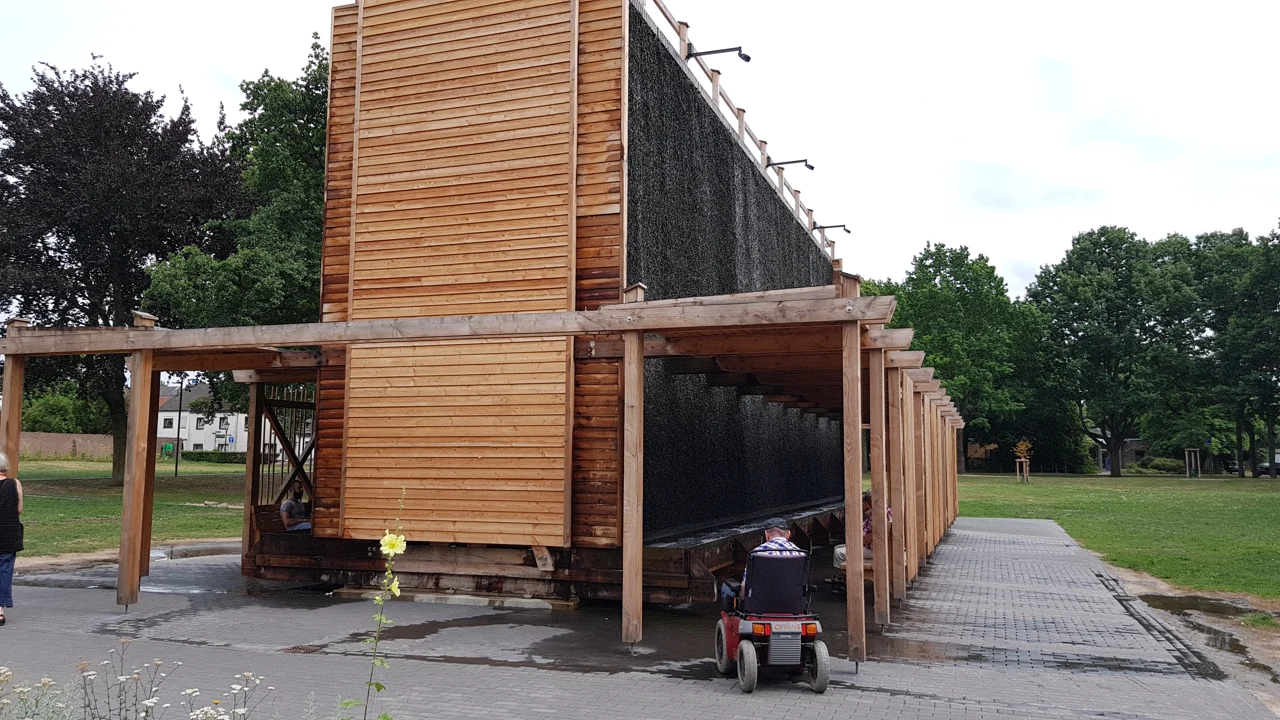
Kurpark and the Gradierwerk area can provide a short outdoor interval after the museum and central streets. There is no need to make this another major programme. A small circuit and a rest may be enough before dinner. In cold weather, choose a more sheltered stop in the centre rather than staying outside simply to complete a route. The season shown in a photograph need not match your own visit; trees and open spaces look different throughout the year. Keep this section brief if a departure time is approaching, preserving a comfortable journey back to the station.
A proper meal at El Dorado
El Dorado, at Marsstraße 69, is a specific option for a substantial meal. Its menu lists the El Dorado skewer with pork fillet and beef medallions, served with fried potatoes and vegetables. Ask about a suitable alternative if these ingredients do not fit your preferences. The operator lists Tuesday as its closing day, so do not make this the only meal plan for a Tuesday visit. Include the journey to the restaurant after leaving the park. A table reservation for a larger group can keep the evening from becoming a search for enough seats.
Where to stay
Hotel van Bebber, at Kleverstraße 12, offers a central accommodation option. Consider the location if your visit includes an evening in the old town or a more relaxed park start the next morning. A historic building should not be the sole criterion for choosing a room. Ask about stairs, quiet rooms, breakfast and parking where these affect your stay. Late-arrival arrangements may also matter. With two days, returning briefly to the hotel after a substantial Roman visit can give the evening walk a fresher pace. The centre is then something to enjoy, rather than another obligation at the end of a tiring route.
A day plan and a second-day option
Start at the park in the morning and give your selected structures and museum enough time. Continue to the town centre in the afternoon for the cathedral, Markt and smaller streets. With another day, separate the museum or extend the central walk. The current park website reports the APXpress visitor train out of service and renovation work affecting a courtyard; account for these when planning movement inside. One closed area need not undo the visit. Choosing the open places that most interest you and avoiding unnecessary retracing is a practical way to make Xanten work at your own pace.