
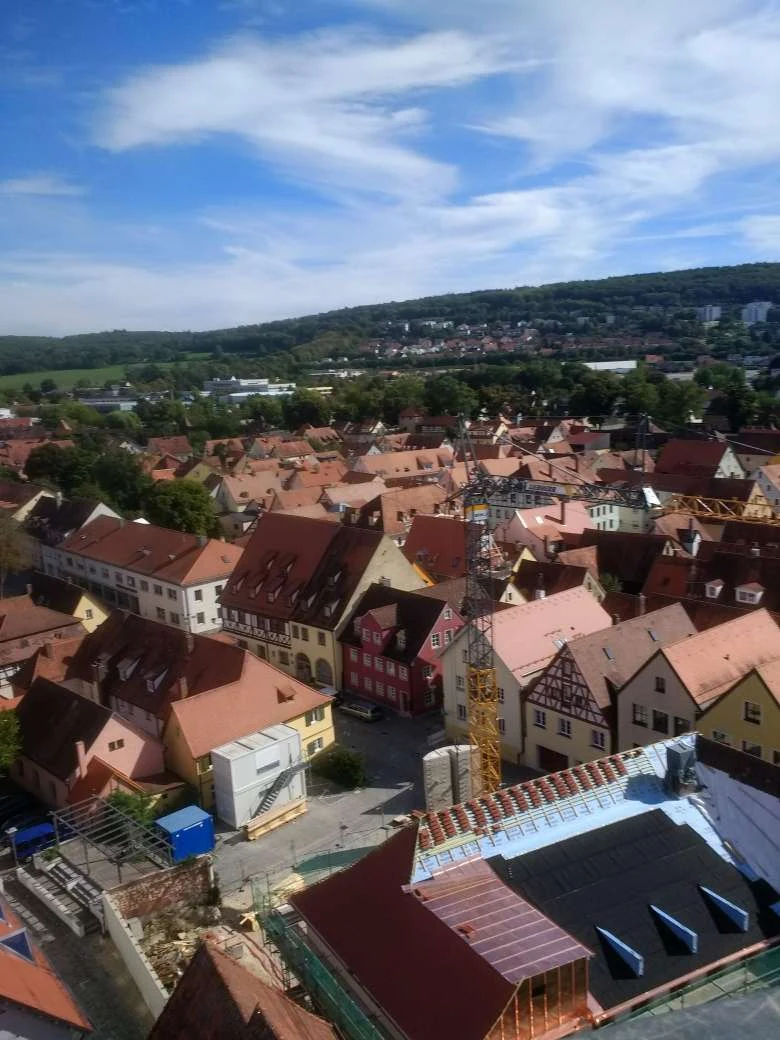
A day in Weißenburg in Bayern is easiest to understand through two historical layers. The old centre offers civic architecture, churches and the street pattern inside the town's defences. The Roman section consists of a museum of objects in the centre and separate bath and fort sites to the west. One helps you examine finds; the other explains buildings in their original setting. They should not be expected behind a single entrance. This itinerary places the outdoor Roman section first, followed by food and a central museum visit. Wülzburg or the Suffersheim valley can be chosen as additional trips, each with its own travel allowance.
The station, Biriciana and the Roman baths
Weißenburg (Bay) station is at Bismarckanlage 20. DB identifies it as a station without staff available for on-site assistance, so arrange support before travelling if needed. Check the return journey once on arrival and then head towards the Roman area. This order avoids unnecessary repeated walks between the centre and western sites. If staying overnight, discuss leaving luggage with your hotel rather than carrying it through the whole visit. Allow at least ninety minutes for the baths and associated walking as a personal starting estimate, with longer for visitors who want to read the displays closely.
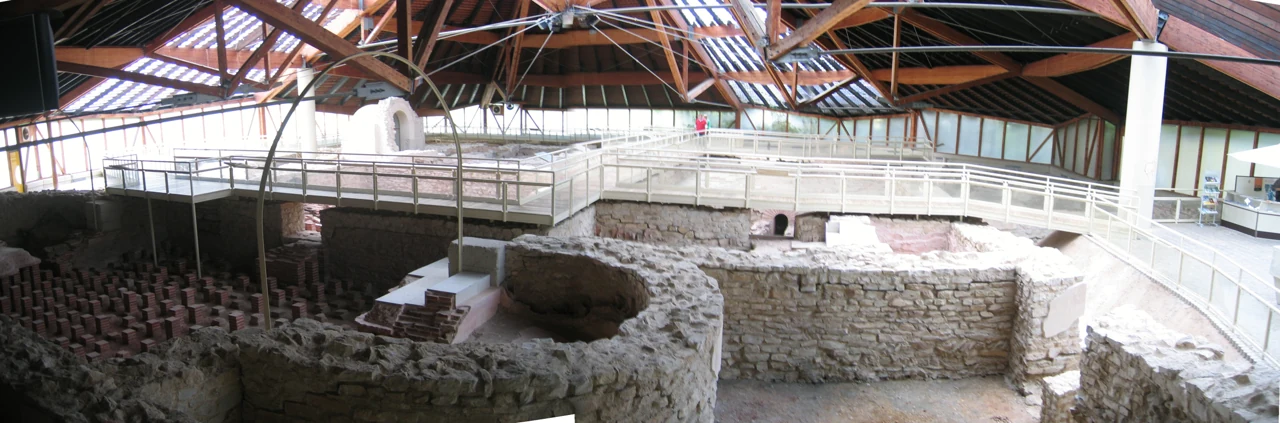
Museen Weißenburg's current German visitor timetable lists Kastell Biriciana as accessible throughout the year. Römische Thermen opens Tuesday–Sunday, 10am–5pm, from 15 March to 15 November. Do not treat the baths as a winter indoor attraction. The operator's description explains that visitors see protected remains beneath a large roof, using walkways and interpretive material. This is an archaeological site, not a working pool or thermal-spa session. Begin with the plan before following the different spaces: understanding how they connect is more useful than treating every surviving wall as an isolated object to photograph.
RömerMuseum and the old centre
Back in town, RömerMuseum around Martin-Luther-Platz provides a second Roman perspective. The same current German timetable gives Tuesday–Sunday opening from 10am–5pm, 15 March–15 November, then split hours of 10am–12.30pm and 2pm–5pm from 16 November to 30 December. Specified end-of-year dates are closed. The late-autumn midday interval matters when arranging lunch and a short museum stop. The baths' seasonal closure does not remove the possibility of seeing Roman material in the centre later in the year. If choosing only one of the two, decide whether you most want to understand the building layout or engage with the objects and displays. That produces a clearer day than choosing solely by proximity to the next cafe.
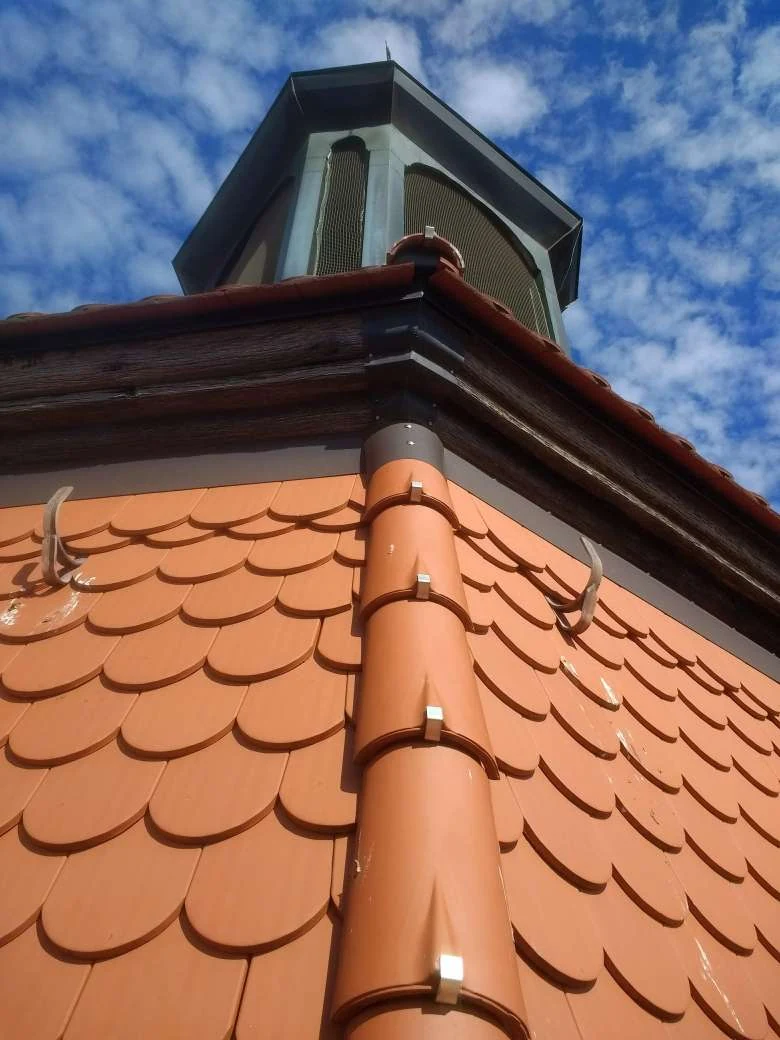
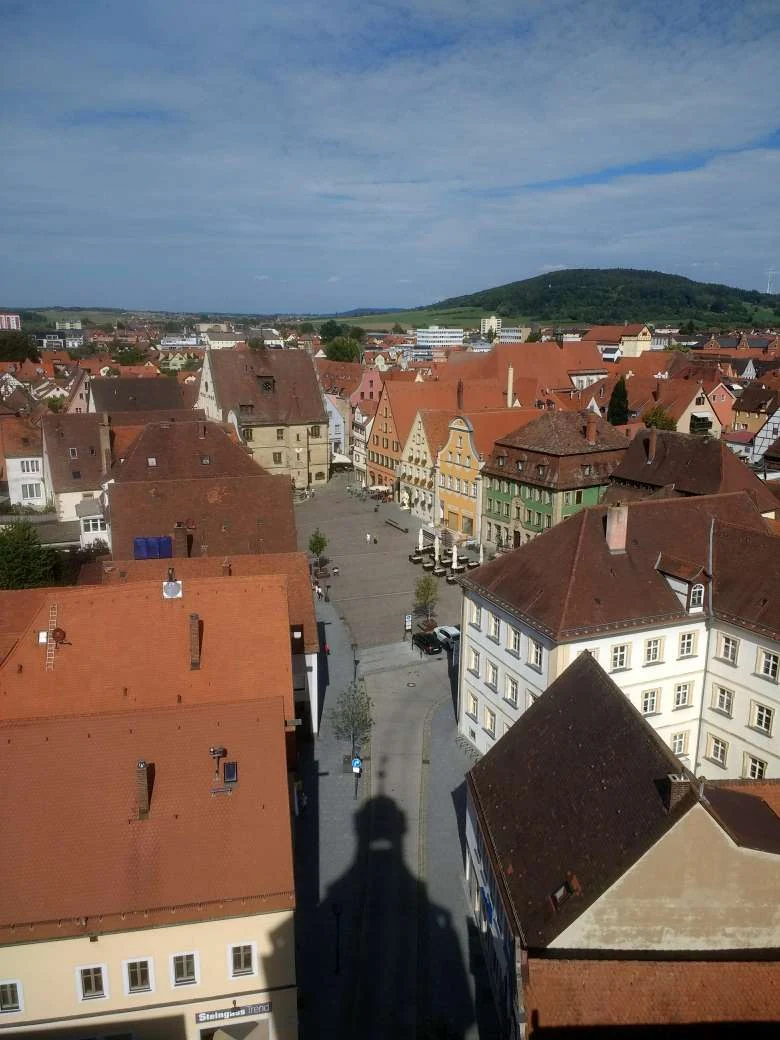
Combine Marktplatz and the Rathaus area with the exterior of St Andreas and a short circuit of streets near the gates. The roof forms around Spitalkirche help explain the tightly built townscape. A photograph taken from a tower does not establish that every visitor can make the same ascent without arrangement; check current tour access if that view is a priority. Ordinary facade observation from the street offers a rewarding visit without needing to enter every building. Take one broad look across the square, then follow a narrower street for closer details. About an hour of free walking is a useful personal allowance, leaving time for an unhurried meal rather than turning the centre into a series of hurried photo stops.

Wülzburg and Suffersheim need separate choices
Hohenzollernfestung Wülzburg is a substantial additional visit rather than the equivalent of a few more central streets. The official museum information allows year-round access to the exterior circuit and courtyard. Fortifications, bastions and the deep well are visited with a guide; guided access runs from May to mid-October and depends on weather. Do not assume every military space is freely accessible throughout the year. A rail day trip can remain satisfying with the Roman area and centre as its priorities. Visitors particularly interested in the fortress should remove one central museum from the plan or use a second day, allowing the additional journey to become part of the experience.
Suffersheim is a district southeast of Weißenburg in the Schambachtal. It is not a continuation of the market-square walk. The Gunthildis spring and St Gunthildiskapelle area belong to a separate rural outing. The city distinguishes the older excavated wall remains from the newer chapel opened in 1995. Water, small structures and a valley setting form the interest here, and the section is optional for visitors focused on the urban centre. Arrange travel and the return leg beforehand rather than leaving the district trip to the last available hour. Carry drinking water; the presence of a photographed spring does not establish that its water is suitable to drink.
A proper meal and an overnight stay on the square
Andreasstuben near St Andreas is an actual restaurant option. Its published food selection includes beef roulade with gravy, a potato dumpling and red cabbage. Pork shoulder with a dumpling is another main-course choice, while cheese spätzle with a side salad provides a meat-free option. Distinguish the online delivery timetable from the availability of a table for lunch, and confirm dining service directly. The operator explicitly identifies Wednesday as its rest day. After walking through the Roman area, allow about an hour for a seated main meal. This supports a comfortable afternoon in the centre instead of letting the day's food become only a snack between exhibitions.
Hotel Goldener Adler at Marktplatz 5 is a real central accommodation option. Its restaurant has a Saturday rest day, which should not be confused with the availability of a hotel room; check the two services separately. Confirm the selected room, breakfast and arrival procedure for your dates. An overnight visit lets you choose more comfortably between the Roman remains, the centre museum and an additional fortress or valley outing. For a single day, the western Roman section, historic streets, one main meal and a museum already form a coherent route. Protect the final return margin rather than adding a distant attraction just before the train.