

Kairouan: two days for water structures and the Raqqada collection
The Tatilmerkezi Stork returns to Kairouan with a different question from a Great Mosque and carpet-shopping checklist. These two days consider how water was organised and how historical objects are interpreted in a museum. The first centres on the Aghlabid Basins, the second on the Raqqada collection outside town. They are not stops on one walking loop: Raqqada requires planned outward and return transport. Three nights can separate arrival and departure from the collection days. Rather than a hurried excursion from Sousse or Tunis, the plan uses an urban base for two different visitor needs.
On arrival, settle into accommodation and establish the basins' actual entry arrangements and the museum-day return. Put a manageable seated meal in the middle of the day rather than an elaborate lunch that consumes the whole window. Daylight arrival, baggage storage and a nearby evening meal make a practical start. Counting attractions is not the measure of success. Understanding a water structure at town scale and a historical object in detail can be more rewarding. Shorten the itinerary according to mobility, institution responses and weather rather than treating the sequence as an obligation.
Day one: understand water through the Aghlabid Basins
AMVPPC's own basin page explains settling, storage and drawing components. On site, consider why these processes needed different spaces rather than merely photographing the largest circle. Collecting water and keeping it available raise different urban needs. The agency's historical account does not identify today's water as drinkable; entering the basin is not the purpose of the visit. From the permitted route, compare shape, walls and surrounding scale. In suitable weather a short outdoor observation followed by shade and a seated pause makes a useful rhythm.
The institution publishes seasonal arrangements and different Friday and weekend windows. Check your actual day rather than assuming a late Friday arrival will work. Information about a combined ticket is not unlimited permission to enter every monument; ask which sections and conditions apply. Do not squeeze the basins, mosque, medina and every surrounding site into the same narrow morning. A town lunch afterwards and an evening close to accommodation preserve energy and preparation time for the separate Raqqada journey. Current admission amounts should come from the real provider, not a fictional price in this guide.
Day two: a morning for the museum outside the city
Raqqada National Museum of Islamic Art is not the same location as the central mosque. Its own institution page describes an Islamic-art collection, Monday closure and seasonal visiting arrangements. Put the second day on a real opening day rather than automatically scheduling Monday. Discuss return collection, waiting and baggage alongside the outward vehicle. An apparently open doorway is not confirmation of interior access when an institution response is unavailable. Keep museum admission, transport and meals as separate budget decisions. This makes the day easier to adjust without pretending that every transfer has one fixed duration.
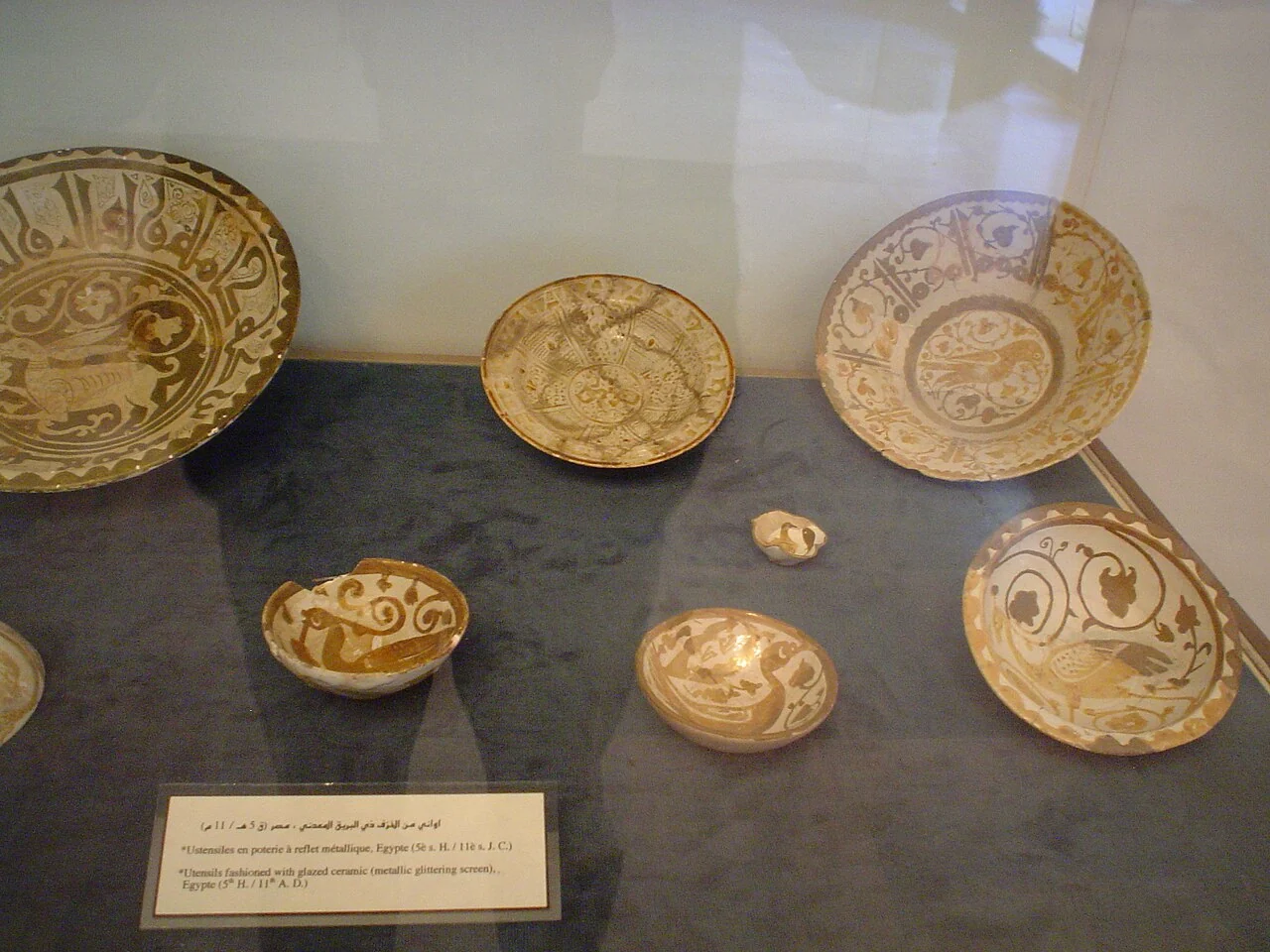

Begin inside with ceramics, comparing the form of a plate or vessel with decoration and its label's historical information. Do not assume that all objects share one period or function. The ceramic case photograph records a 2007 collection view; today's location and display are established at the institution. Allow calm time for one group before switching materials instead of racing through every case. A family might compare two objects, while a visitor with different mobility needs may prefer one accessible section. Both choices serve the collection purpose without requiring the longest possible circuit.
Writing and light: different questions in small objects
After ceramics, compare a written leaf with a metal lighting object. Consider the Blue Quran leaf's blue ground and gold-coloured writing together with physical size and material. Its illustration is a public-domain reproduction of a historical two-dimensional work. An unknown capture date has not been replaced by the upload date, and the source crop is credited. No promise is made that this exact leaf will be displayed on your visit. Use the institution's actual collection interpretation to select another written example if necessary. The purpose is comparison, not collecting an unsupported list of must-see exhibits.
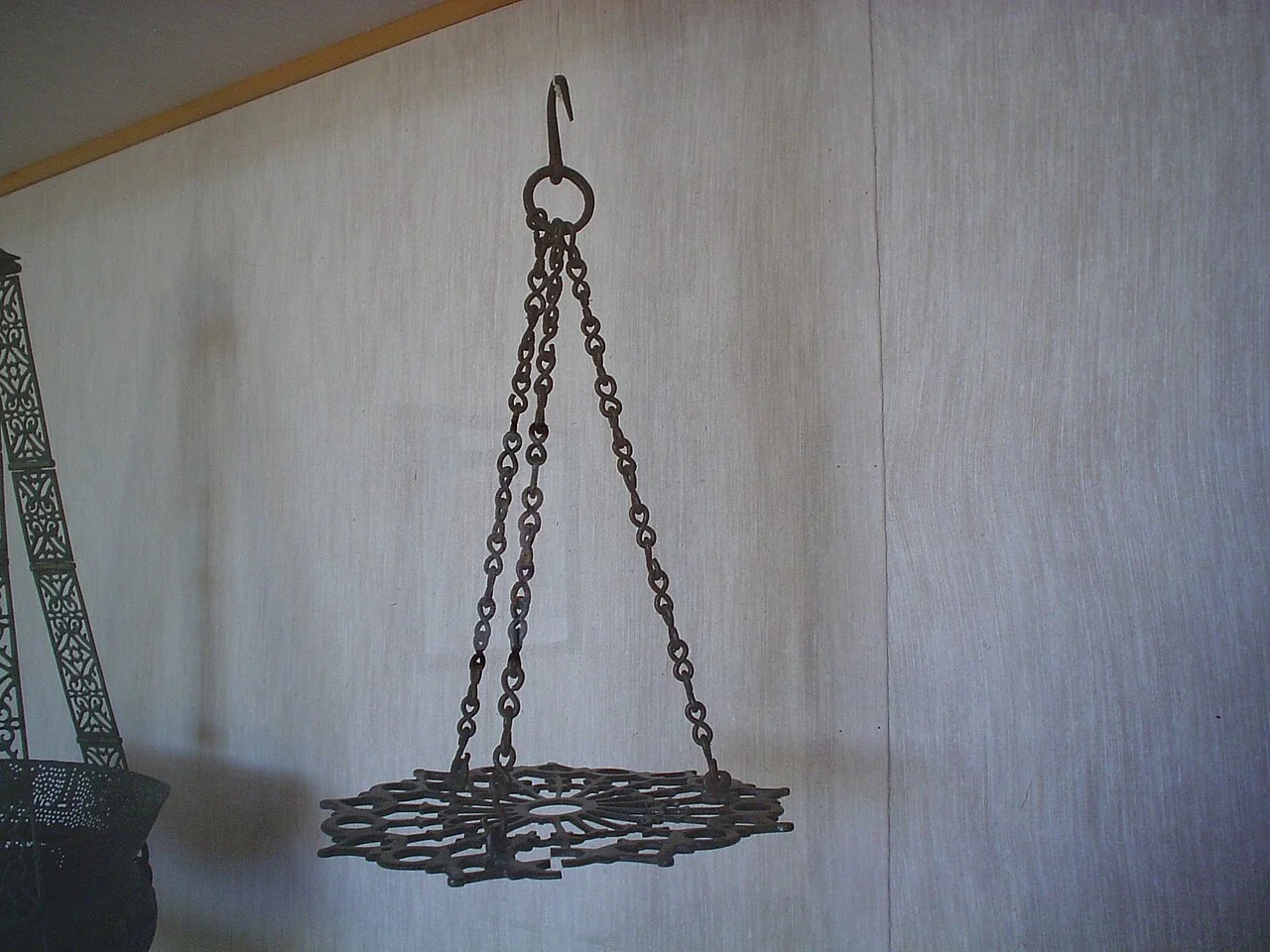


The bronze polycandelon photograph represents a separate historical object, not another crop of the plate or manuscript. Distributing light across several points raises a different question from reading writing across a surface. This need not become a specialist examination: observe material, original function and the surviving object. Leave space around cases and follow the institution's flash and photography rules. Recording one memorable detail in a notebook can be more useful than reproducing an entire collection. It also leaves a calmer transition to the return journey and a meal in town.
A wooden detail and a short return branch
The wooden-door detail belongs to the Raqqada collection context, but its source explicitly places the photographed display in the heritage presentation centre opposite the Great Mosque in 2012. It is not labelled as a photograph inside a Raqqada gallery. Present location and visitor access require separate evidence, so the presentation-centre interior is not promised here. The image illustrates how an object's function and later display context can differ. Actual institutional interpretation on your date is a better visit basis than an old photograph's location. Keep the distinction between collection ownership and photographed display clear.


After returning from Raqqada, choose a short medina branch with a recognisable entry and collection point if conditions permit. It need not become an extended carpet-shopping circuit or a mosque-interior promise. Check steps, shade and practical passage according to your needs, and do not interpret a shop demonstration as a purchase obligation. One afternoon pause, an evening meal and return to accommodation can complete the day. If the institution or transfer takes longer than expected, remove this additional walk first rather than sacrificing the principal collection time.
Concrete local meals: mosli allouche and maqroudh
ONTT's Kairouan source identifies mosli allouche, an oven-prepared lamb dish, followed by maqroudh. Where the actual menu includes it, ask about preparation, accompaniments and portions. Neither the same recipe at every business nor everyday availability is guaranteed. A seated principal meal after the basins offers rest following outdoor observation. On the Raqqada day, leave a meal window after the museum. Discuss allergies and dietary needs independently of a dish name: a sauce or accompaniment may contain ingredients absent from a short menu description. One suitable concrete meal is more useful than a vague promise of authenticity.
The source describes maqroudh through semolina, oil and honey, with dates as a possible filling. Sharing a small portion with tea creates an actual end-of-meal pause rather than a long tasting checklist. Ask the seller about filling, sugar and relevant allergens; every package purchased in town need not use the same ingredients. A photographed historical ceramic plate is not presented as a current dessert photograph. Budget separately for main meals, a small sweet pause and the return vehicle without inventing a cheap current price. Rest after eating should be part of the plan rather than whatever time remains at the end.
An urban base, actual transfers and the final check
A centre or medina-edge room serves the basins and evening meal differently from accommodation near Raqqada, which requires a return town journey. Ask about the actual doorway, steps with baggage and vehicle drop-off. A tourism example of medina accommodation does not imply identical access on every street. Match the room to these two days' transport and rest needs before choosing only for a view. Confirm dated intercity arrivals, departure points and baggage conditions with the actual provider. Fixed schedules or travel durations have not been invented for this itinerary.
Current official Tunisia advice covers regional restrictions and security risks; an urban plan does not replace the national assessment. Monday museum closure and the basins' different weekday arrangements may require reversing the two days. Before leaving, combine actual institution windows, weather, meals and the return vehicle. If access fails, reconsider the day's purpose instead of racing to another historic building to fill a blank. The Stork suggests reading water at city scale and an object at close range, keeping the two questions on separate days rather than compressing both into one hurried excursion.