
Chikkamagaluru: build a coffee interest from a town base
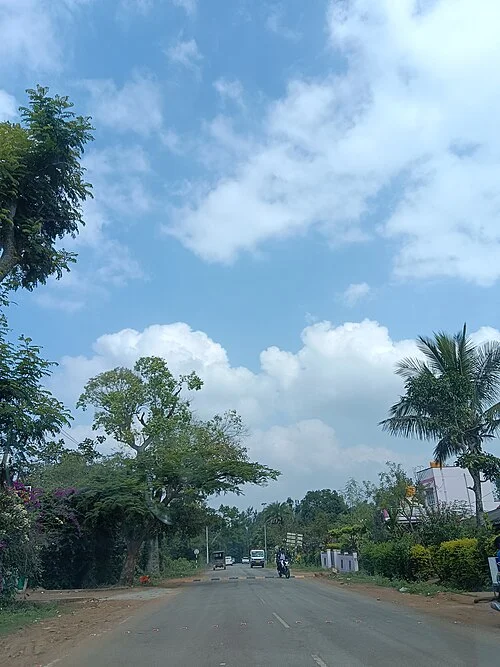
Chikkamagaluru is a Karnataka town base associated with coffee and the Western Ghats. Sources may use Chikmagalur or Chikkamagalur; matching the room address with the stop on the ticket and the district context reduces confusion from spelling alone. The Tatilmerkezi Stork chooses three nights: arrival evening, a town and coffee day, a separate lake and mountain-road day, then departure morning. Only two of those four calendar days are full visiting days. This gives coffee an understandable place without filling one session with every waterfall and summit. A central room may work as a base for returning and eating, while a plantation stay requires a different address and final connection. Two chosen road photographs are recorded as Chikkamagaluru in their sources, but no precise street or coffee-estate identity is inferred from that description. The distinction between the town and its wider district is retained in both the accommodation choice and the route.
The railway photograph has a date, not a current timetable
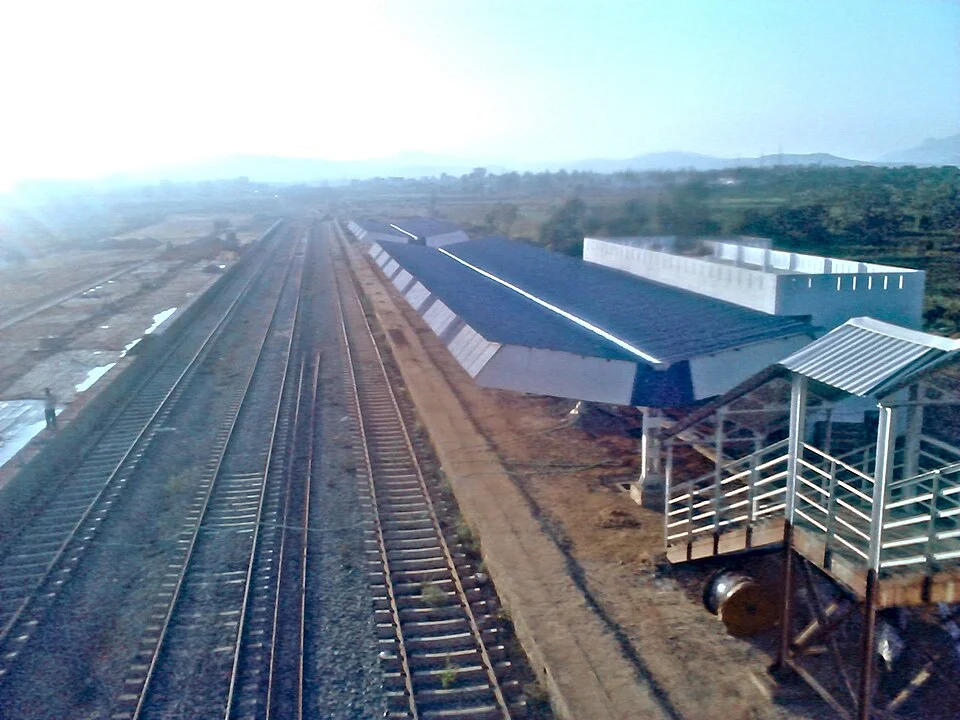
The railway image was captured in 2012 while Chikmagalur station was under construction. Rails and platforms are visible. This does not mean the present station remains under construction or that the same trains operate today. The image is explicitly used as a historic transport scene. The district access account mentions Kadur and road connections; match the actual arrival point on a currently booked train ticket to the accommodation. Alighting at Kadur is not the same event as arriving at the Chikkamagaluru room entrance. Consider the final ground connection, reception time and movement with large baggage beforehand. A bus journey similarly needs its genuine drop-off stop identified. Approximate journey times in an official account do not replace traffic conditions, stops or the booked service’s present schedule. The first evening of the three-night plan is not set aside for completing the sightseeing list. Reaching the room, eating and discussing the next day’s connection are enough. If considering a flight, evaluate the real airport and remaining road journey together without inventing present flight frequency.

Learn the coffee process without calling every green lane an estate
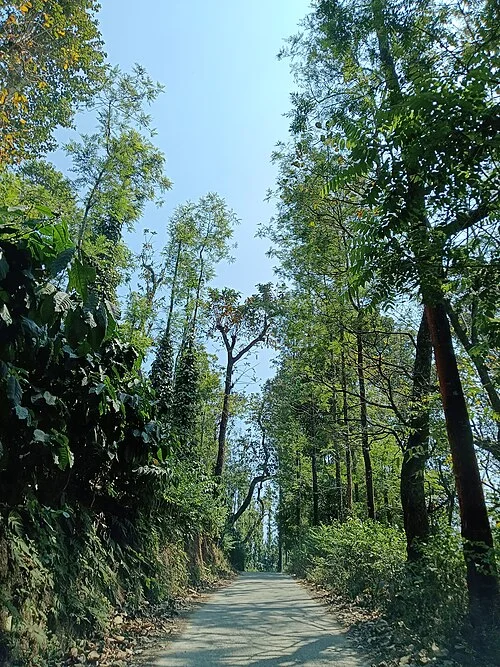
The current Karnataka town account discusses cultivation, processing and visitor experiences at some businesses. This general interest does not justify labelling any selected green photograph as a coffee farm. Trees and a narrow road are visible in the lane image, but coffee cherries, a processing unit or a named estate sign are not, so those details have not been added. A traveller seeking to learn about production should discuss the genuine business name, admission arrangements, language of the visit and return connection in advance. Every accommodation is not assumed to own a plantation or processing line. A town-day coffee interest can begin through a real learning session or a cup actually served. Anyone planning a museum visit should check current opening and admission information separately rather than transferring old tourism hours into a promise. No personal tasting memory has been invented for the visitor. Organising the return vehicle alongside the meal break gives coffee its own place in the day instead of making it an advertising label squeezed between unrelated nature stops.

Akki rotti with chutney, then a separate filter-coffee pause
Karnataka’s current Chikkamagaluru page identifies akki rotti as a rice-flour flatbread cooked on a griddle and describes coconut chutney and vegetable accompaniments. Where a genuine establishment serves it, this provides a concrete breakfast or early meal on the town day. Identical flour mixtures, sides and heat levels are not promised in every kitchen. Ask about the actual ingredients and any personal dietary requirements when ordering; a dish name does not resolve suitability. The same source places filter coffee within the regional coffee culture. Make a separate cup pause after asking whether the preferred milk-based or other serving style is genuinely available. The cup does not have to replace the main meal. A green lane photograph does not document coffee reaching a plate or tumbler; food is explained through its source without inventing a photographic scene. Prices, personally tested restaurants and tasting notes for particular beans have not been supplied. Returning to the same room at the end of the town day gives the three-night base a real rest before the mountain connection.
Hirekolale requires a separate lake-setting decision
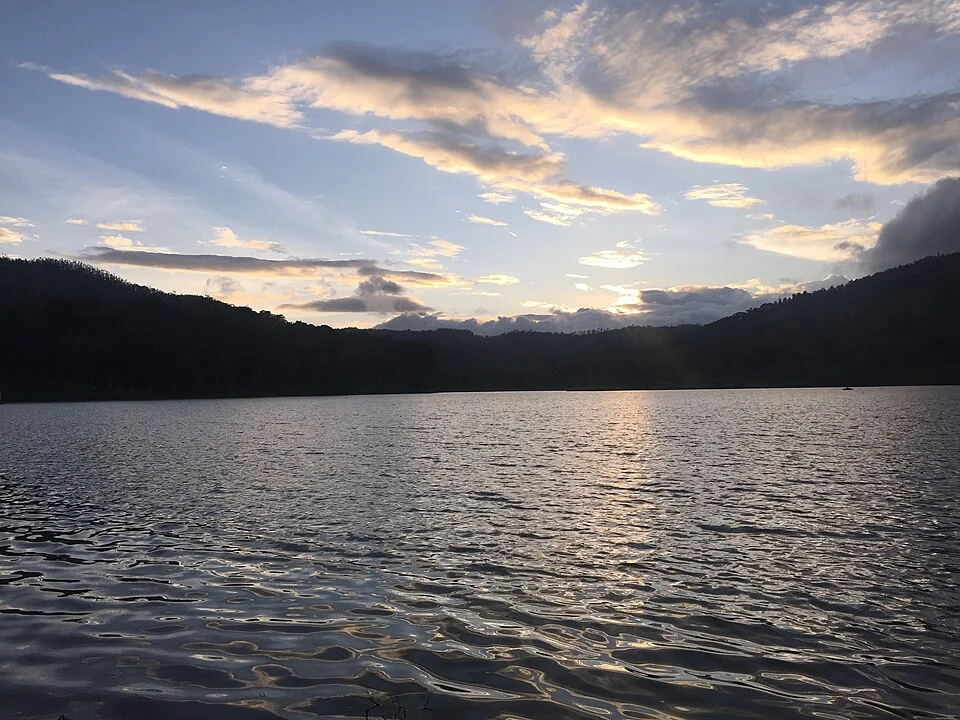
The Hirekolale photograph shows the water surface and a hill silhouette behind it. An older waterside view does not establish continuously open access around every bank or prove a boat service exists. Put the lake interest on the second full day through a separate road connection. Discuss departure from the room, an actually admitted edge and the return time with the vehicle provider. Sunset colours in a photograph do not guarantee identical light on the booked travel date. There is no need to leave an uncertain return until darkness solely to imitate that light. Staying longer in town can be a meaningful alternative if local road or water conditions are unsuitable. The lake is not automatically offered as a swimming or watersport destination. A hill relationship in the filename also does not prove that the same summit is visible at the same angle from every position. Anyone combining the lake session with the Mullayyanagiri road connection should assess the two real locations and remaining time. Sharing a district name does not place them within one continuous walking distance.

Mullayyanagiri Road: a bend is not a summit ticket
The mountain-road photograph genuinely displays a bend, asphalt and hillside vegetation. It shows neither summit steps nor a panorama captured at the top, so it has not been relabelled as either. Organise a Mullayanagiri interest through a vehicle connection, current road conditions and an admitted stopping position. Weather, visibility or road arrangements may make a modest road-setting session the appropriate choice; completing the entire summit is not compulsory. A photograph of a bend does not prove parking is allowed there today. Agree on stopping and return with the driver instead of creating a view pause that blocks passing traffic. Other walks and waterfalls named in state promotion have their own time and access needs. Adding Hebbe, Kudremukh and Sringeri to this second full day as a string of names would erase the practical limits of the town base. Leave room for a meal and the return rather than measuring success by the largest count of destinations. The 2016 capture does not establish current road admission or identical vegetation.
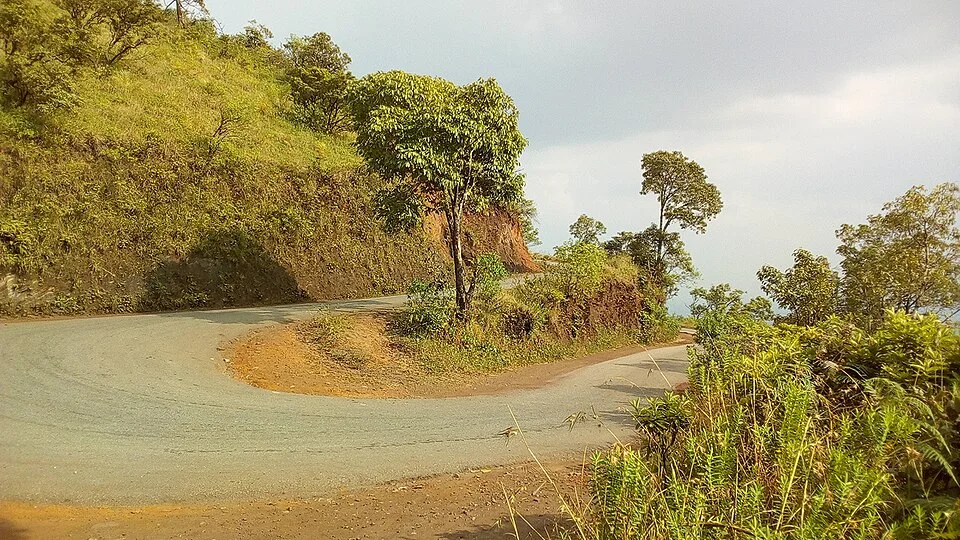

Choose between the town address and an estate, then leave a real final morning
A central room can be considered for the town day and returning after a meal. A genuine plantation address may offer a different accommodation setting, but the two are not automatically interchangeable. Clarify the final connection to an estate room, evening meal service and the next day’s vehicle departure with the accommodation. A central room is not assumed to have a mountain view; assess its convenience through location and the return arrangement. The broader road image recorded as Chikkamagaluru provides a real example of the access setting, not a precise hotel road or named principal street. On the last morning allow time for a genuinely served meal such as akki rotti, then return to baggage and the ticketed connection. Adding a waterfall or long walk to that morning requires a real increase in days. Sources were checked on 5 October 2026. Capture dates from 2012 to 2025 remain separate from present visitor arrangements. The three-night programme makes a comprehensible base by placing coffee and the lake or road session on different days.