
Velddrif and Laaiplek: fish from working memory to the table
This Velddrif and Laaiplek route is for travellers seeking more than a view of the sea. The Tatilmerkezi Stork brings the South African Fisheries Museum's working memory together with fish drying and product shopping around Bokkomlaan. One is an institution preserving tools, models and voices; the other is a local production focus where you can ask what is actually offered today. The plan uses two nights and three calendar days: arrival and settling in, one complete fishing-culture day in the middle, and departure the following morning. Port Owen or another waterside stop does not replace the main reader need.
On the first evening, locate your accommodation and the two main focuses on a map. Laaiplek and Bokkomlaan are not interchangeable names, and every coastal address should not be treated as part of one uninterrupted short walk. Without a car, discuss outward and return transfers and the meeting point in advance. A short introduction from an appropriate public waterside space is enough. A fishing-boat photograph establishes neither permission to enter a working jetty nor a promise that the same fish will be sold in the same place today. Distinguishing public access from working premises is the route's first practical rule.
The fisheries museum: labour behind the tools
Bergrivier Tourism's institutional listing locates the South African Fisheries Museum around De Villiers Street in Laaiplek. Its regional interpretation identifies old canning tools, fishing equipment, model boats and oral-history recordings as concrete collection focuses. They can provide a useful sequence for one morning: bringing a catch ashore, processing it, moving it and listening to the people who did the work. Organise the museum visit around actual access confirmation. The presence of a tourism listing does not guarantee that all internal components are open on your travel date.

Because the museum's direct website can be difficult to access, this guide supplies no fixed opening hours, admission charge or promise of entry without an arrangement. Use the current contact channel in the regional institutional listing and ask about the day's conditions. Inside, do not read the tools merely as old objects. More useful questions concern when a product could deteriorate, how preservation altered work routines and how workers' memories sit beside material equipment. If the visit is unavailable, consider another date or a shorter town day instead of creating an alternative itinerary that pretends to have seen the museum interior.
Bokkomlaan: observe drying culture respectfully
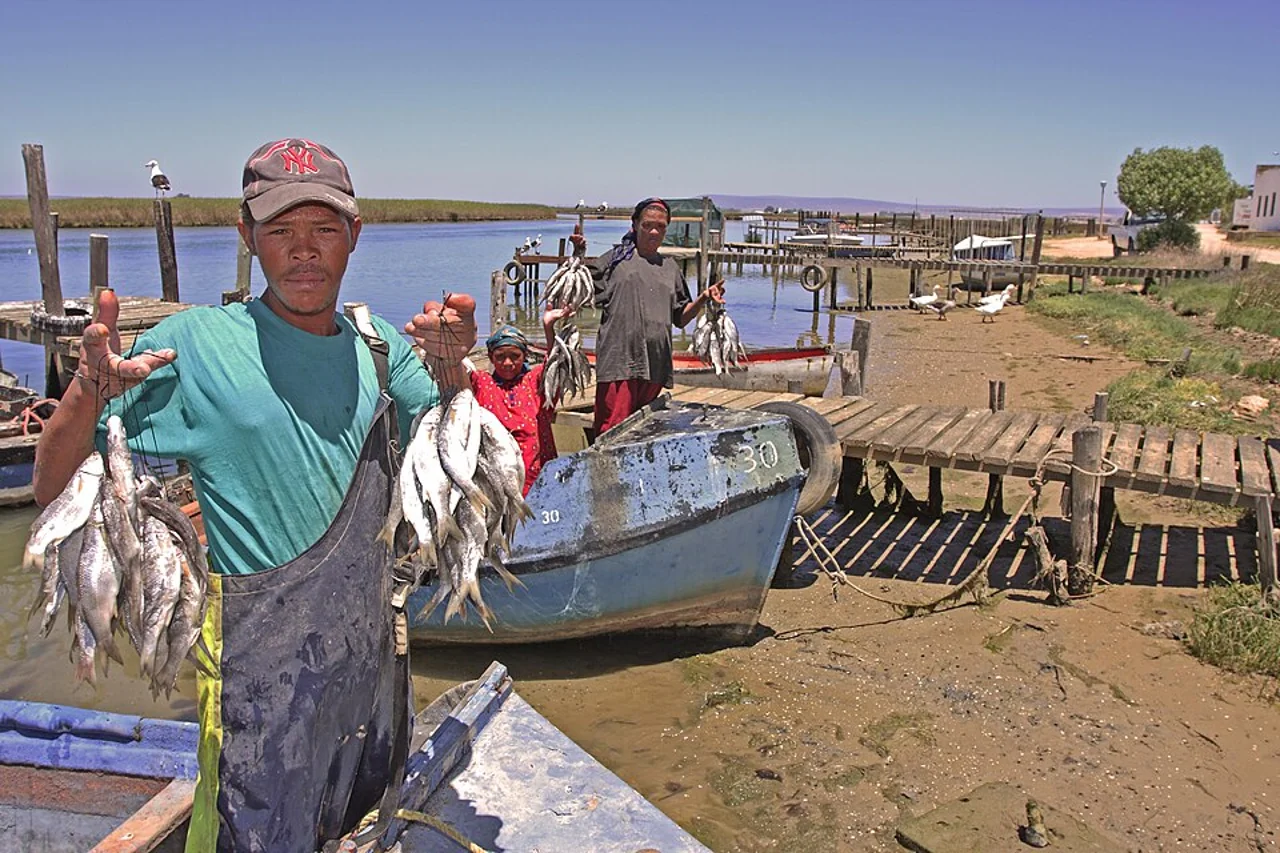
Bokkomlaan is the second focus. Bergrivier Tourism's local account associates bokkoms with salted, dried harders, a mullet-type fish. This is a preservation and consumption tradition different from a freshly cooked fish plate. If production is visible, observe without entering work areas, ask before photographing and avoid interrupting the process. There is no guarantee that the same drying stage can be seen every day, that every stall will be open or that a producer will provide a free explanation. Ordinary work should not be converted into an attraction with an invented performance schedule.

Comparing the museum's equipment with the concrete product here makes the day distinctive. How are salting and drying used, how should a purchase be stored, and how does a ready-to-eat pack differ from a product requiring further preparation? Ask the seller directly. Do not identify the person in an older street photograph as the owner of a named business: a shared location is not proof of business identity. Historic shoreline scenes describe the environment, not a current map of permitted drying areas or food-handling conditions. Keep observation, purchase and permission separate rather than treating a photograph as evidence of all three.
A concrete food choice: bokkoms and moskonfyt
Bergrivier Tourism's Dagbreek Visserye listing describes bokkoms, harders and ready-to-eat bokkom packets as concrete product options. Ask the business about current sales and stock. Bokkoms is distinctly salty; a first-time visitor can start with a small quantity and listen to the seller's consumption advice. Packaged products and a whole fish on a counter may involve different preparation needs. This guide does not recommend uncertain raw-fish consumption or guarantee the food safety of a particular batch. The practical question is which product you are buying and what the current instructions require.

The regional tourism account also presents moskonfyt, a grape-must preserve, as a local flavour associated with bread. If it appears on a menu or is available for sale, it can form a small bread break separate from the salty fish; do not assume it is offered in every café. These two products are not described as one standard plate served together every day. Travellers wanting a full lunch should assess the real menu of a business open that day. Discussing ingredients, service format and storage is more useful than a fabricated price or portion promise, for both an immediate meal and a product carried onwards.
Port Owen, jetties and choosing a place to stay
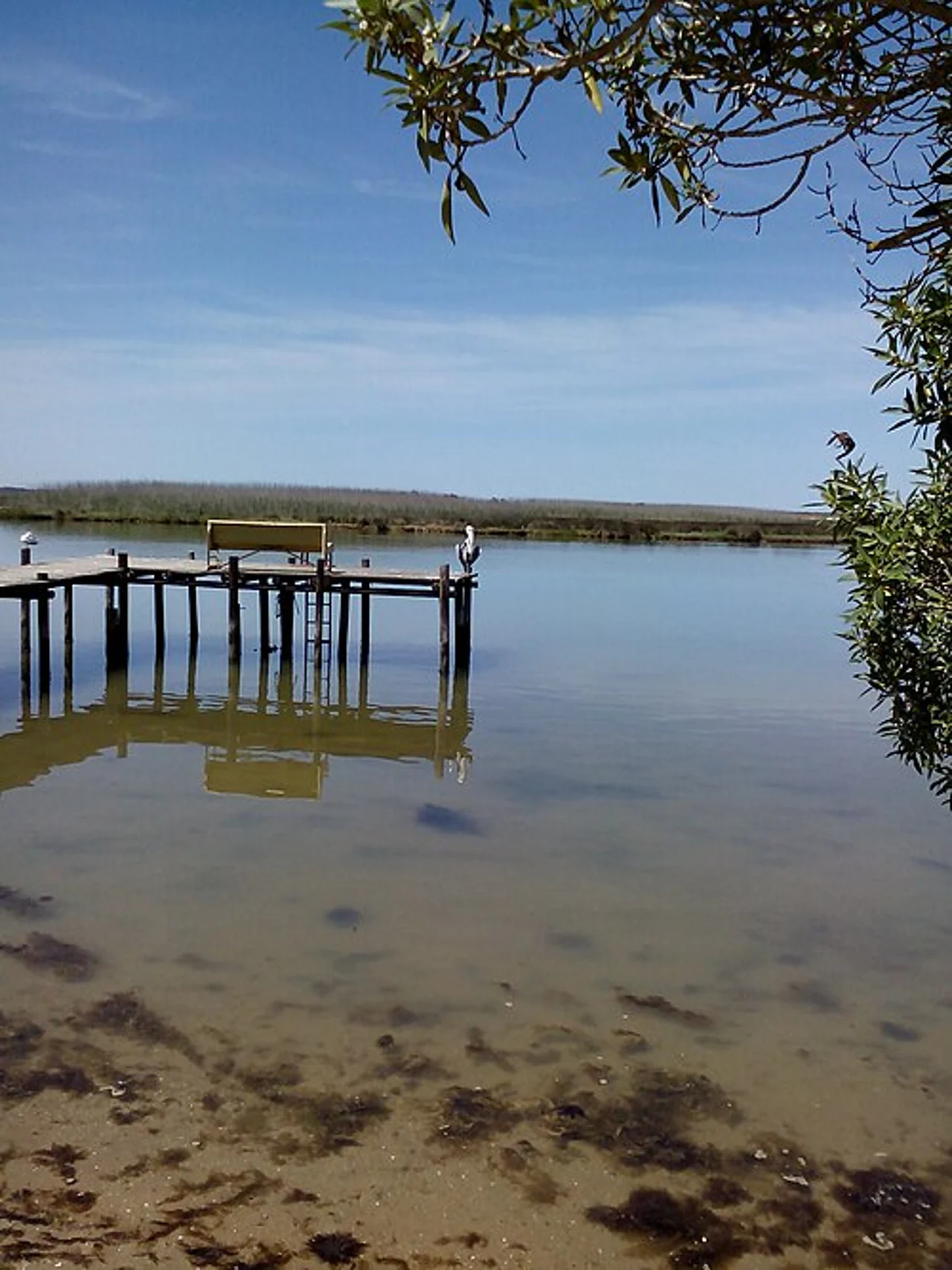
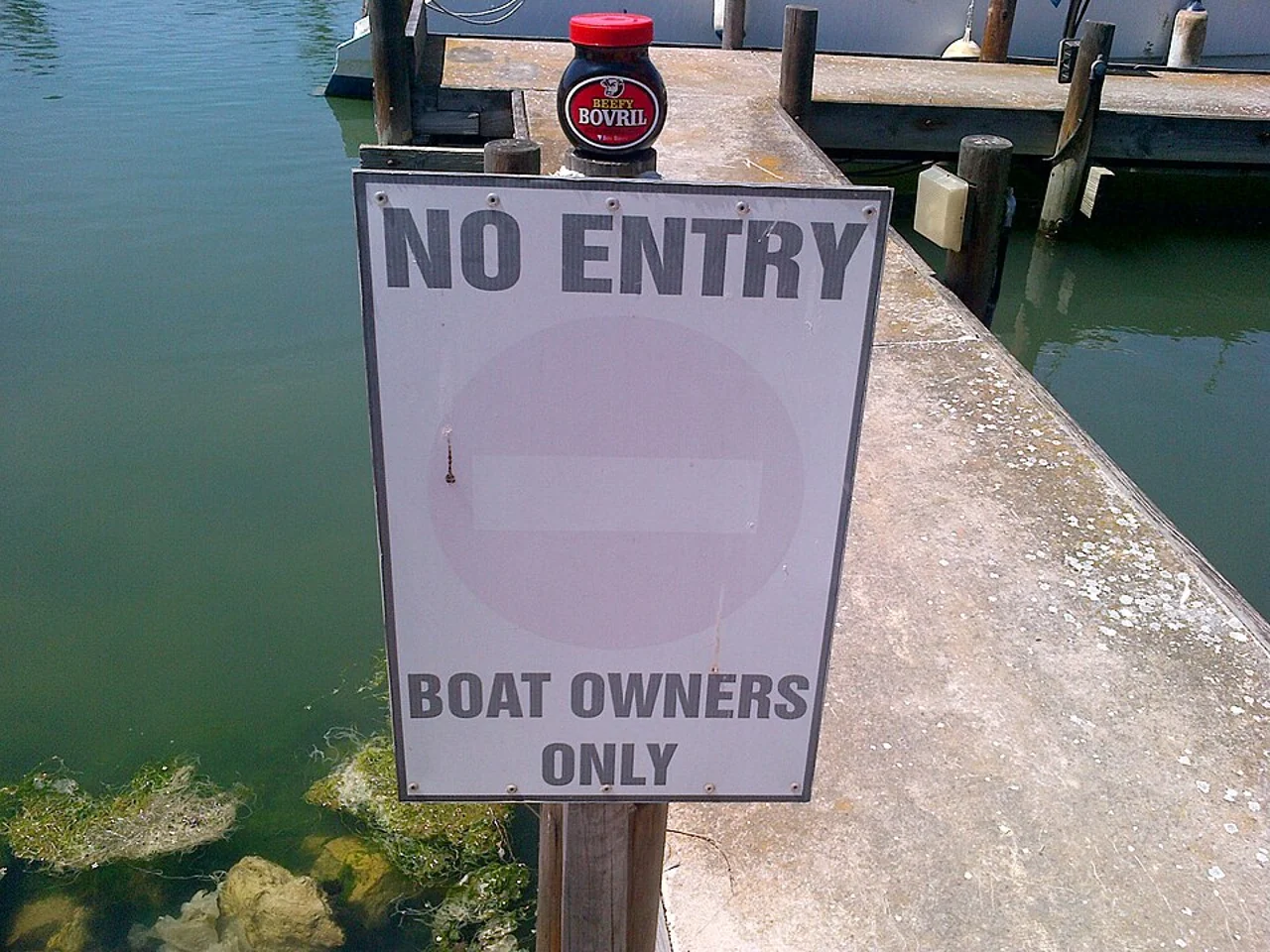
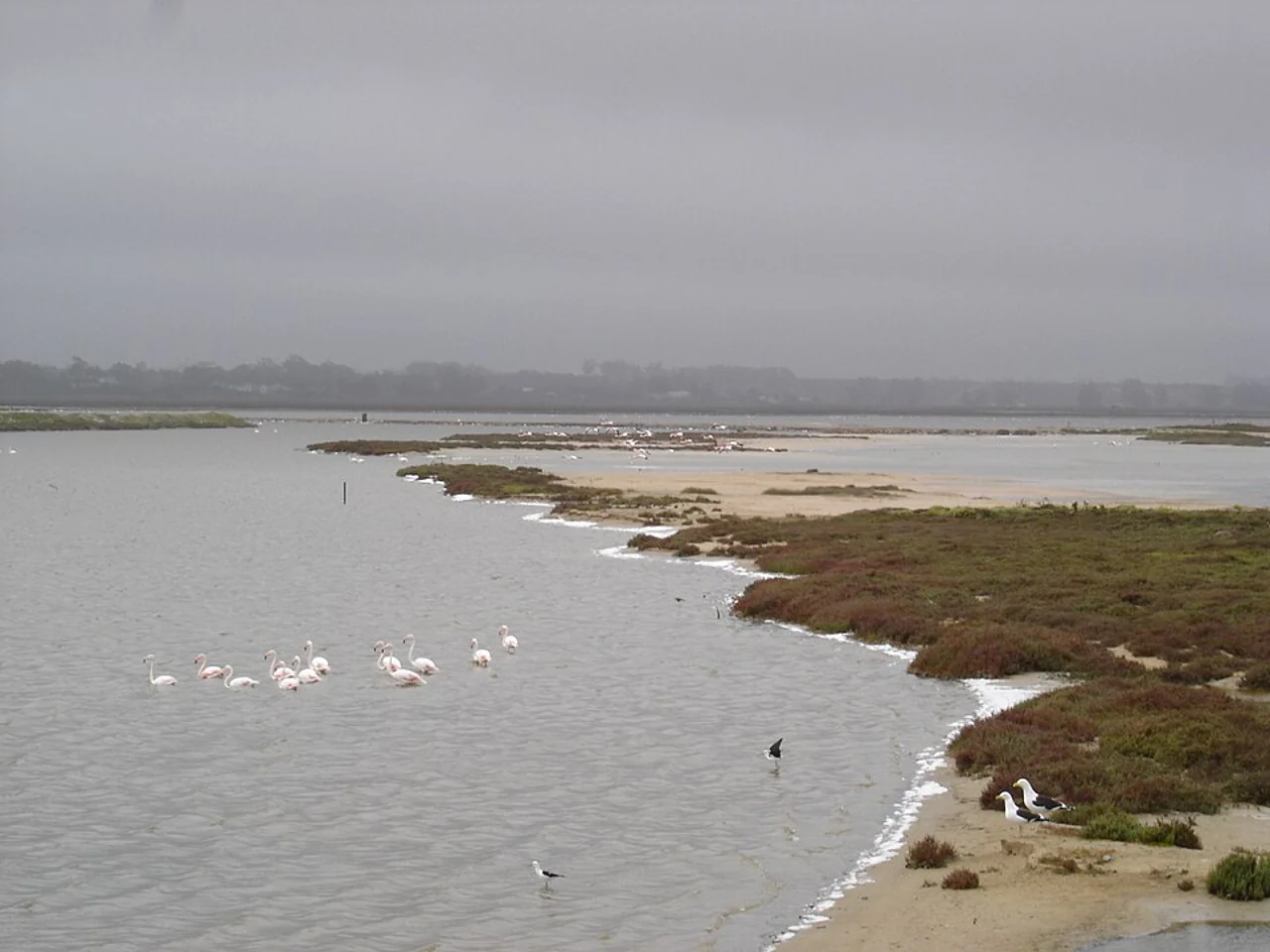
A short waterside walk in the afternoon can add rest to the fishing-history focus. Port Owen is a marina setting; the 'boat owners only' sign visible in one image is a reminder that public walking and a private jetty are separate. Crossing that restriction or approaching a boat is not required by this route. Along the river, assess present permitted access, ground conditions and a return point. Wetland birds may be a pleasant extra, but an older flamingo image does not guarantee the same birds on the date of the visit.
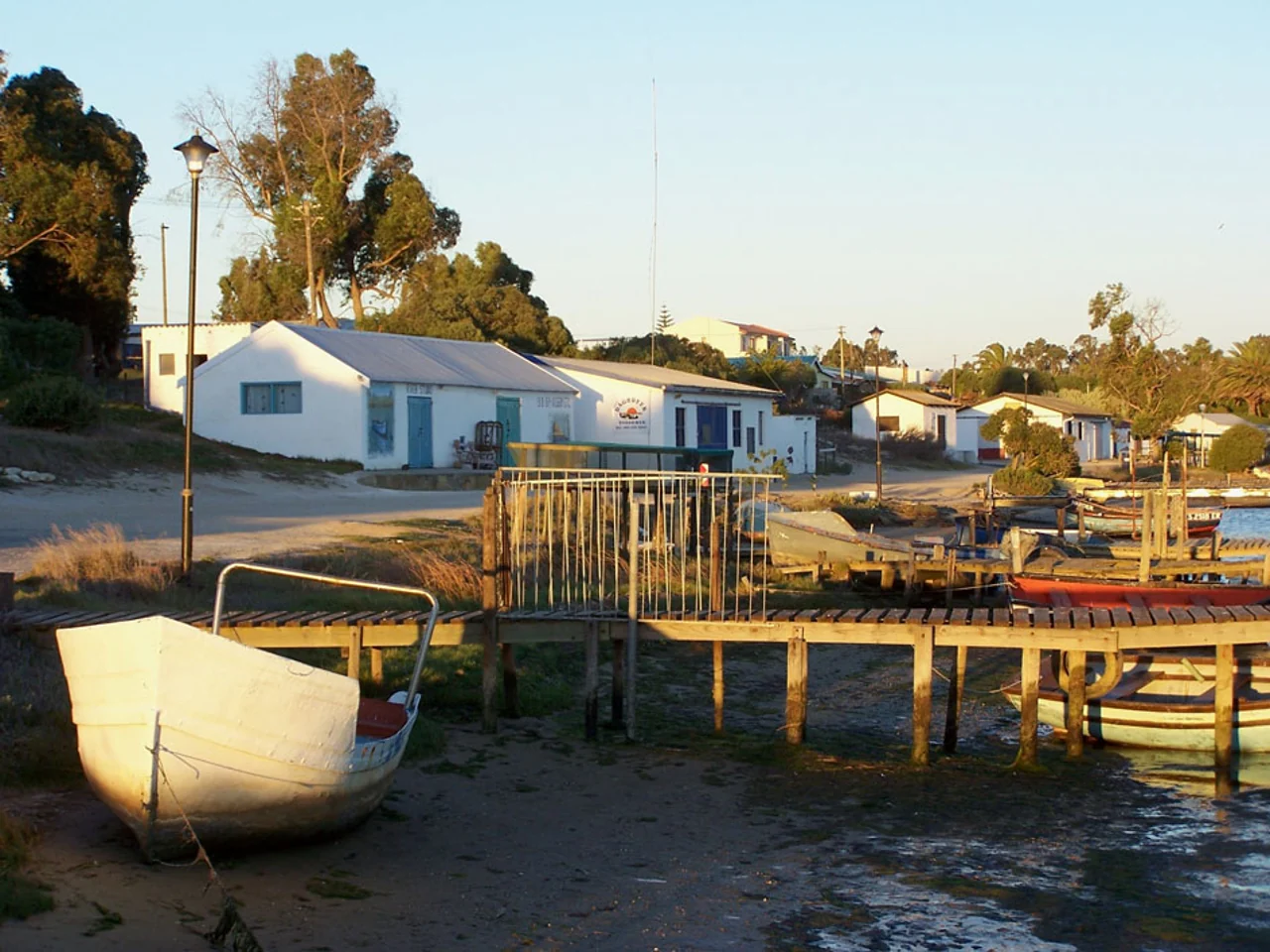

A museum-oriented Laaiplek address, accommodation near Bokkomlaan and a base around Port Owen produce different transport decisions. They are not presented as having identical views or walking distances. Confirm where dinner is possible, late-arrival arrangements and the route to the museum using the actual accommodation address. With a car, identify parking and meeting points; with a transfer, agree the return in advance. A marina photograph can suggest calm surroundings but proves neither access from a chosen room nor a right to enter a private waterside area. Let the itinerary's two main focuses guide the accommodation choice.
Departure and an adaptable coastal plan
Keep departure morning light, with breakfast and luggage as the priorities. Depending on an unconfirmed shop opening for a missed purchase can needlessly compress the onward journey. If the museum is accessible only on another date, change the days of this two-night plan rather than assuming a closed institution has been visited. In poor weather, shorten the public waterside walk and prioritise a confirmed open indoor focus. In good weather, retain the museum instead of reducing the whole day to jetty photographs: the main topic is the relationship between work and product around the sea, not the sea alone.
The Stork's preparation list includes actual museum access, the seller's products for the day, consumption and storage instructions for bokkoms, a safe public waterside section and connections from the accommodation. An official regional listing does not establish that an institution is open on the travel date; direct current confirmation remains an important part of the plan. Older image dates appear in captions. This Velddrif and Laaiplek day connects collection objects to a product travelling towards the table. It is not a generic beach itinerary that could be written merely by substituting the name of another coastal town.