
Kuwait: an island and coastal itinerary from a city base
The Tatilmerkezi Stork suggests a country itinerary built around island history, coast and environmental observation beyond individual capital-city attractions. Current conditions come first: FCDO’s assessment current on 4 October 2026 records regional attacks affecting Kuwait and possible flight disruption. The same source reports reduced services and terminal changes, so confirm the actual terminal and flight with your airline. This six-day framework applies when access and activities operate. A Failaka island day and a permit-dependent Al Jahra nature option are distinct from repeating a city-market itinerary. Flexible bookings and an alternative urban day are useful. A small country on a map does not mean a sea connection or protected-area visit is automatically possible. Base decisions on the real operator arrangement and conditions for the travel date.
Six calendar days with two conditional visits beyond the city
Day one is arrival and settling into the base. Day two combines a capital-city coastal pause, a short cultural visit and local food; day three Failaka if transport and site access are confirmed; day four permitted Al Jahra observation or an appropriate urban alternative; day five a coastal pause around Salmiya and rest; day six departure. That makes four activity days within six calendar days. If an island connection is cancelled, use the urban alternative rather than forcing another boat journey into the day. A reserve is not an unrestricted public park. Add a night honestly if arrival and departure times require it. One main purpose each day and realistic transfer allowances can help introduce different environments without rushing between them. The alternatives are part of the itinerary, not an excuse to enter somewhere without permission.
Failaka: a historic island with separate access decisions
Kuwait’s official government portal identifies Failaka among the country’s historic islands. Heritage and conservation announcements do not establish that every archaeological area is freely accessible each day. Confirm actual departure, return and excursion route with the transport operator, together with permissions and local site access. The return arrangement matters as much as the outbound ticket. Use a guide to distinguish archaeological remains, abandoned structures and lived-in settlements. Do not enter closed buildings for improvised exploration; follow marked routes and security instructions. Allow water, shade and rest in open terrain. Postpone the island day if sea or regional conditions are unsuitable. Failaka is not described here as already inscribed on the UNESCO World Heritage List: official announcements refer to nomination and conservation work. Give the island’s history time to be explained rather than collecting a few unrelated photographs.


Al Jahra: distinguish permitted reserve access from coastal observation
Kuwait’s Environment Public Authority offers an application service for entry to Al Jahra Reserve for observation and photographic documentation. That service does not mean every foreign traveller receives immediate permission: establish eligibility, dates and actual visit conditions directly. Without permission, do not enter the protected area to complete a schedule. Choose another accessible coastal location or an urban cultural visit. Keep a distance during birdwatching and avoid feeding wildlife or approaching nests. Particular species are not guaranteed. The flamingo photograph shows the Doha coast in Kuwait, not Qatar’s capital or the interior of Al Jahra Reserve. A nature day can provide quiet observation and understanding within permitted boundaries. It should not become a competition to approach as many animals as possible or a claim that wildlife behaves identically throughout the year.


A coastal day combines maritime context and rest
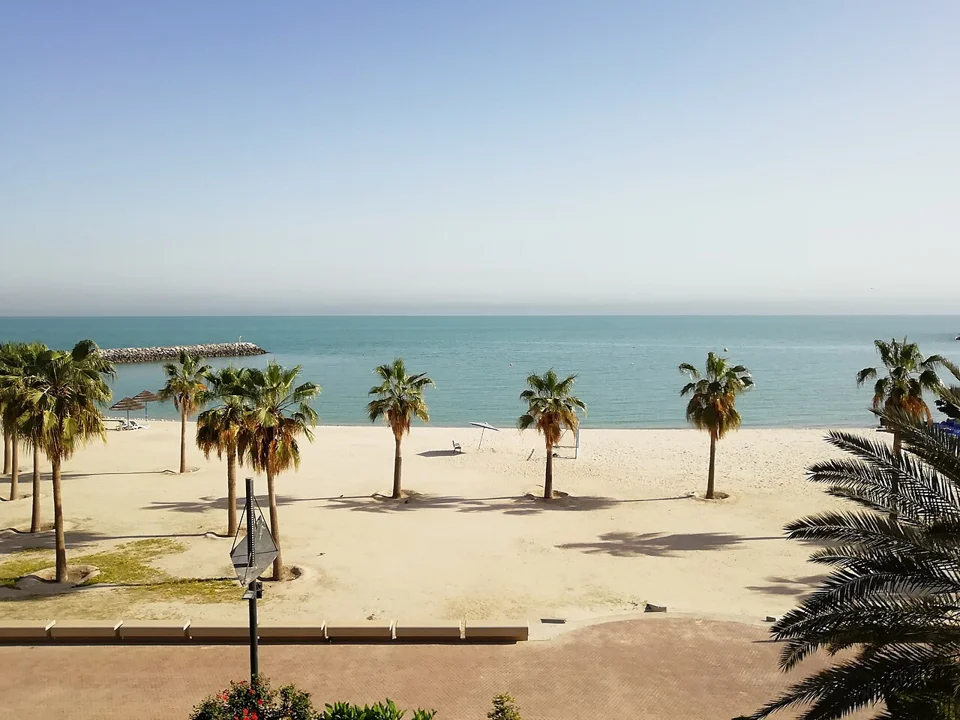
The capital’s dhow harbour can be a daylight stop for observing a maritime setting. Do not enter working areas without permission and ask before photographing people. Seeing a boat from the shore does not establish that it is safe or available for a tourist excursion. A short walk and lunch around Salmiya or another suitable coastal area can provide a gentler pace after the island day. Do not assume that swimming, fishing or launching a boat is permitted everywhere. Adapt to sun, wind and actual access. Public coast and the beach facilities of a private property are different arrangements: establish what a reservation includes. This day is not a remote-border or oil-infrastructure excursion. Remain in normal visitor areas and arrange reliable return transport instead of approaching restricted facilities for a photograph.


Transport and accommodation: the right terminal and meeting point
Kuwait Airport’s official information introduces taxis and buses. Because terminals and services may change, a general bus description is not proof of your exact flight connection. Confirm the meeting point, luggage arrangements, late arrival and actual charge in writing for a reliable transfer recommended by accommodation. One base in the capital or around Salmiya can reduce luggage moves between island and nature days; the best choice depends on the actual excursion departure point. The address, evening-food access and vehicle-to-room approach matter as much as a hotel name. If renting a vehicle, check your own licence entitlement, insurance and local requirements rather than applying another nationality’s driving permission to yourself. Ask about local rules and documentation for shared rooms before booking. Do not leave an access problem to be resolved on the evening of arrival.
A concrete local meal with machboos and fish
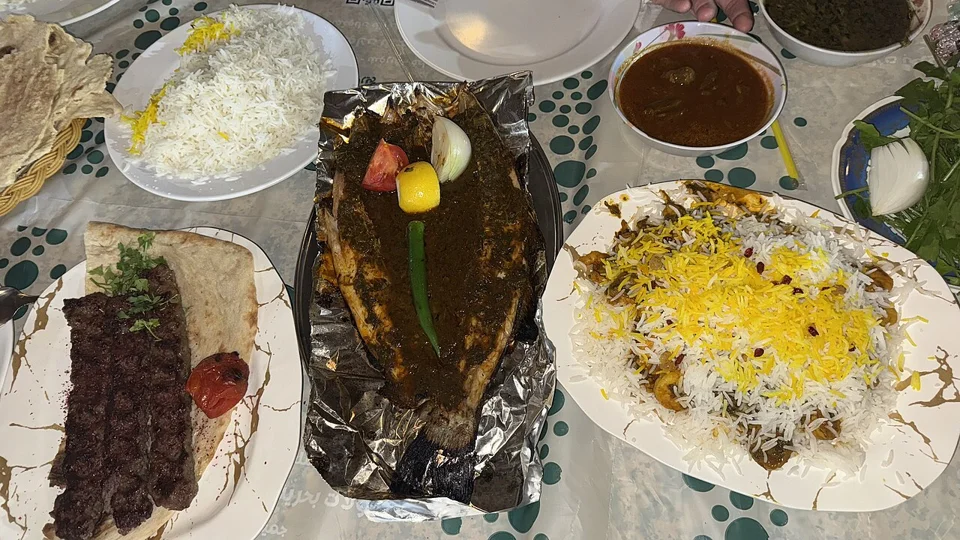
A Kuwaiti operator’s own menu shows Kuwaiti-style chicken machboos, meat machboos and mutabbaq fish options. This supports specific dish names and an actual establishment example, not fixed prices, daily stock or an identical recipe across every restaurant. Link a country day with a lunch chosen around rice and chicken, meat or fish according to preference. Ask the kitchen about fish species and preparation; a menu label should not become a universal national standard. Clarify portions and accompanying sauces before sharing a platter. A lighter meal rather than a substantial order immediately before a sea journey may suit personal comfort. Explain allergies or dietary needs before ordering. The meal photograph taken in Mubarakiya is not offered as proof of a particular machboos recipe. Let real availability determine the meal rather than an invented fixed menu.

Entry, local rules and a final review
Check visas or entry permission through Kuwait’s official Ministry of Interior channel for your nationality and passport category. Arrange personal travel-health preparation, medication-entry checks and insurance before departure. Alcohol is illegal under local law; observe public-behaviour, dress and photography rules. Do not turn military, government or oil-related restricted facilities into photographic stops. Regional tensions may alter sea routes or air connections, so do not plan an independent remote boat route without reliable confirmation. Consider operator competence, lifejackets and actual weather together. Keep important document copies and cancellation contacts accessible. Sources were checked on 4 October 2026. This country itinerary is a framework to adapt to real permissions and transport conditions; it does not promise that an island visit, reserve entry or flight will operate. Leave time to make changes without sacrificing the return connection.