

Two Beira city days within three nights
The Tatilmerkezi Stork suggests giving Beira two full city days rather than treating it only as a hurried safari connection. This plan reads the Sofala capital through its coast, railway architecture and public buildings. It is separate from the Mozambique country guide's Maputo–Inhambane–Tofo circuit. Think of an arrival and settling-in evening, a cathedral and central-area day, a railway-building day with a weather-dependent Macuti coastal pause, and departure the next morning. Three nights therefore contain two activity days; hours at an airport are not counted as sightseeing. Gorongosa and Savane are not squeezed into the same programme. Add transport and accommodation on a separate calendar if a regional excursion matters to you.
On the first evening, agree the next morning's vehicle meeting and meal options with accommodation. Ask about seated rest opportunities at each stop when travelling with children, a companion who tires easily or someone needing mobility support. Two short visits separated by lunch can be more useful than a compulsory long walk. Instead of recognising Beira through one beach photograph, consider how a building is used on day one and how people move through the city on day two.
The cathedral and centre: an architectural question for day one
Mozambique's official tourism service and LAM's city introduction identify Beira Cathedral among the historical stops. Reach it in daylight on the first morning. Looking at an exterior and entering a place of worship are different visits: ask staff about visitor access, services and photography. If a ceremony, wedding or closed entrance changes the day, use the exterior without insisting on an interior visit. No fixed opening hour or admission charge is promised. Choose an arch, tower and principal doorway to compare proportions instead of inventing historical explanations for every unlabelled detail.
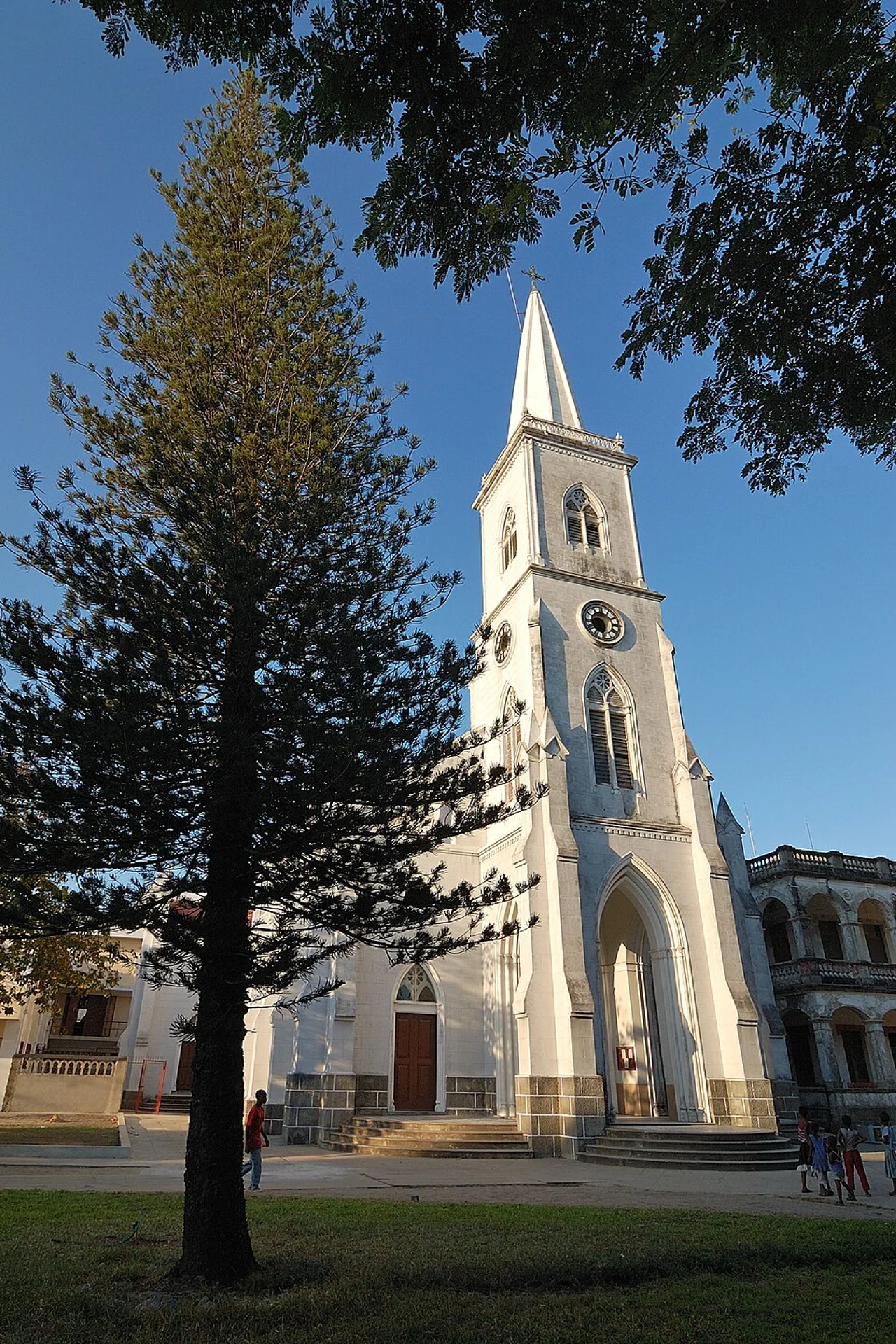

Take the next pause at a central location proposed by a local guide. Official descriptions also associate Casa dos Bicos with exhibitions and events, but this is not evidence of an exhibition open on your particular date. Choose a separate visit only after establishing the current programme. Without that confirmation, omit an indoor stop or assess the exterior rather than promising access. Distant buildings are not declared walkable simply because a map joins them with a line. Establish the return-to-vehicle point and lunch address beforehand. Comparing two structures does not require completing the entire centre, and a clear appointment is more valuable than collecting disconnected sights.
The station and Macuti: divide day two into two parts
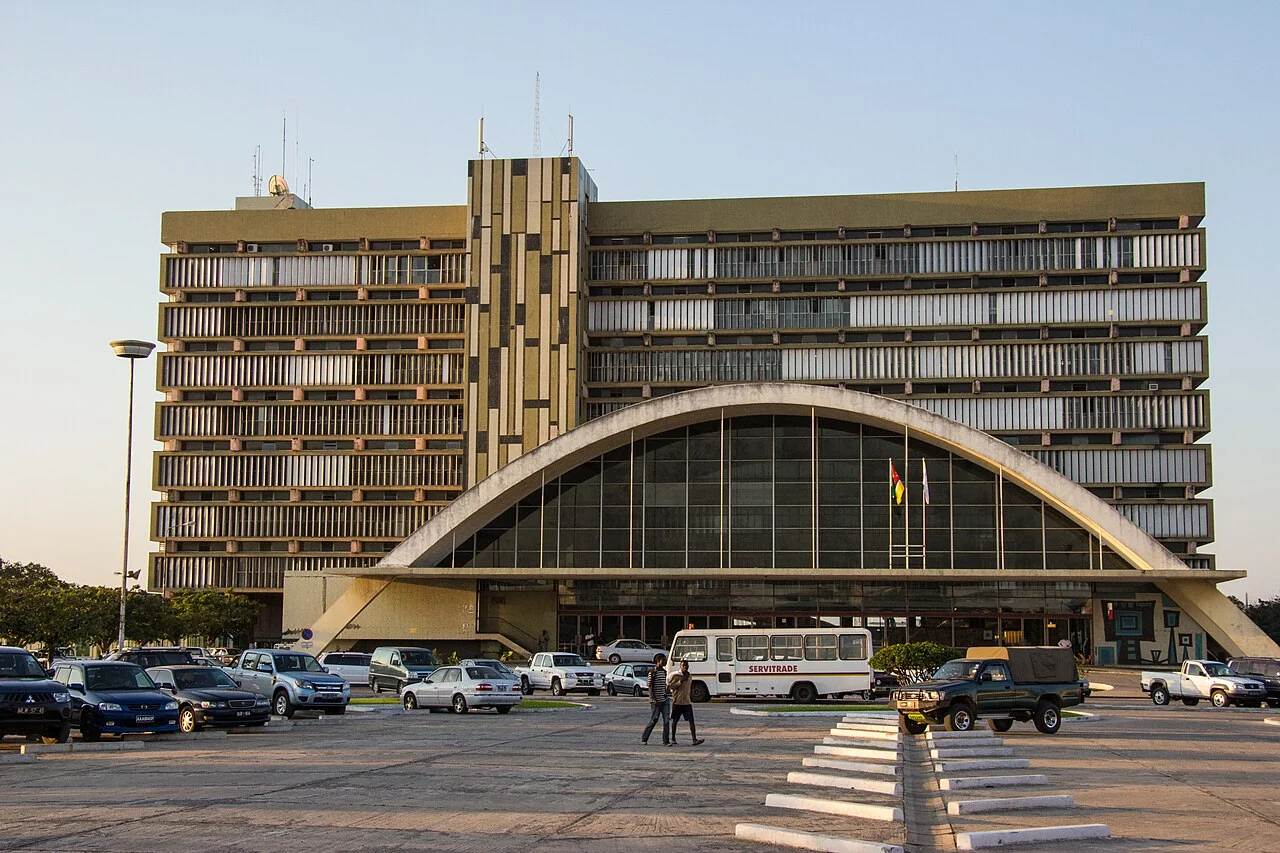
LAM's institutional city introduction treats Beira railway station as an architectural stop. Reserve the first part of the morning for its frontage and surrounding public space. Visiting a passenger building is not a plan to board a particular train: obtain separate operating information and any necessary permission for platforms or interiors. Respect staff boundaries and establish where cameras are permitted around the station and port. Comparing the broad horizontal building with the previous day's cathedral tower creates a concrete question about different roles in urban life. Vehicles or crowds in an older photograph do not measure current traffic.

For the afternoon, choose a short, separate stop around Macuti lighthouse only when weather, coastal access and a reliable return vehicle make it appropriate. The official source identifies the lighthouse as part of the city's heritage. It does not promise permission to climb the tower or enter the sea. Do not climb wreckage or approach tidal areas merely for a photograph. Going to the coast and swimming are separate decisions. Cancel this segment and extend lunch when conditions deteriorate. A boat trip, dive or distant beach excursion is not necessary to complete two worthwhile urban days.
Xima and matata: leave room for lunch
The national tourism source describes xima, also called upshwa, as an accompaniment made from maize or cassava flour and served with fish, meat or vegetables. Look for that name on the first day's menu and ask what fish or vegetables actually accompany it. LAM's Sofala–Beira account connects matata with crab, peanuts and pumpkin leaves. Investigate this preparation for the second lunch if available, without claiming it belongs exclusively to the city or appears in every restaurant. Discuss shellfish and peanut ingredients explicitly rather than judging allergy suitability from the dish name.
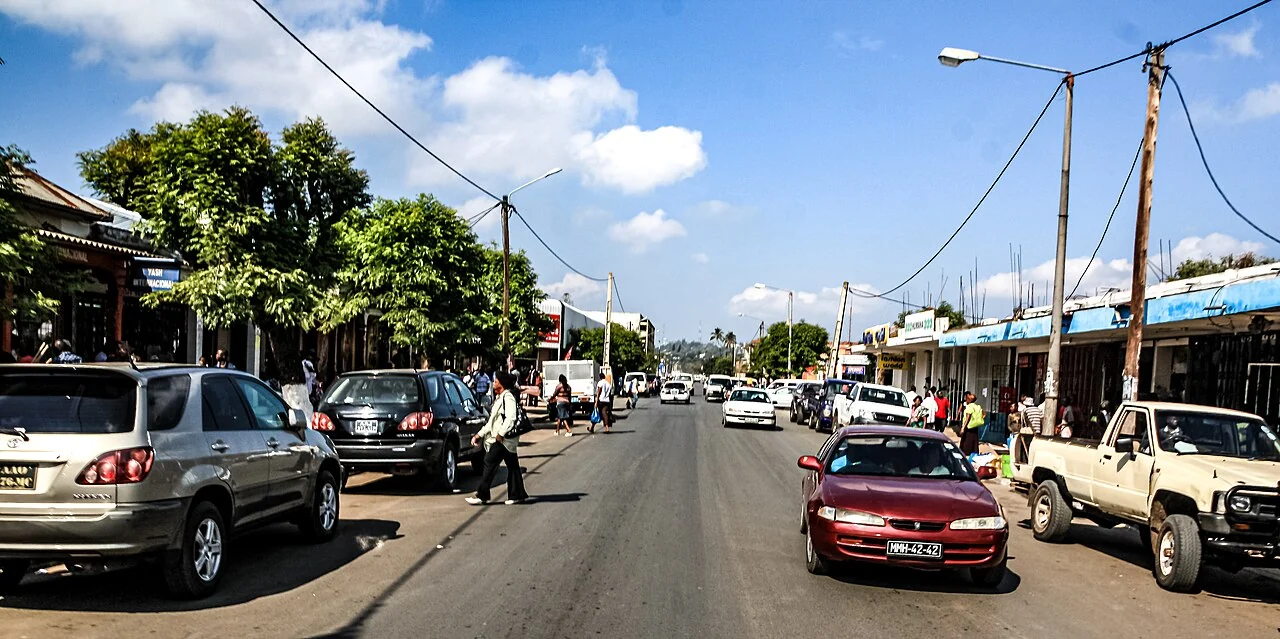

After the cathedral morning, select somewhere to sit comfortably with drinking water and a workable return arrangement. On the following day, avoid turning the station visit into a long walk without food. Breakfast, a short city segment and a separate lunch make a better sequence. Companions need not all order substantial seafood dishes; a small portion or familiar option is equally reasonable. When coconut or chilli sauce is involved, ask about the actual recipe and its heat. City photographs are not restaurant or plated-meal evidence. Make the food decision through the real menu and cooking and storage conditions. Confirm the total before ordering instead of relying on an invented price range, and leave enough time to eat without racing back to a connection.
A central or Macuti base: decide rooms and transport together
A central room and a base around Macuti lead to different vehicle plans for the first day's urban visits and the coastal pause. Evaluate the real address, daylight meeting point, dinner options and access to the room together. A property that looks central does not make every surrounding street safely walkable. Ask reception about transport to the cathedral on day one and station on day two. Establish luggage storage, late arrival, steps, air conditioning and any particular room needs in writing before reserving. A dependable transport agreement can save more usable time during a short city stay than a sea view alone.

Use LAM's current sales channel to investigate Beira connections, then verify the purchasable date, baggage, transfer and change conditions on the actual ticket. A destination promotion does not establish identical departures every day. Do not attach a long road return to Maputo to an international flight on the same day; allow another night or an appropriate connection margin. When considering a bus, assess vehicle and operator suitability and match the arrival point to the hotel meeting. Keep the last morning for breakfast, luggage and the real onward connection instead of filling it with one final beach outing. Three nights and two urban days provide a clear beginning without confusing room bookings in several cities on one calendar.
Current regional advice and a weather fallback
Official FCDO advice checked on 4 October 2026 continues to advise against all travel to some parts of Mozambique and against all but essential travel to others. Do not attach warning areas in Cabo Delgado, Nampula and Niassa to this Beira city plan as holiday extensions. Read the current official map alongside your own authorities' advice and insurance cover. A separate urban itinerary is not a safety guarantee. Avoid demonstrations, keep valuables discreet and do not make solitary night walks the ordinary return arrangement. Establish photography permission around official or security-sensitive places beforehand.
FCDO records that rain and flooding can affect low-lying routes and that historic mine risks may remain away from main routes in parts of Sofala. The vehicle day therefore does not include improvised rural shortcuts. Obtain current local weather and road information before moving. When conditions deteriorate, stay at accommodation or reduce an already reliable central arrangement instead of pressing on to the lighthouse. Check entry and transit conditions for your passport through the authorities rather than applying an authorisation issued for another nationality. Arrange travel-health preparation with qualified advice. Having room for another night and communications if your return is delayed is more useful than pressure to complete both days regardless of conditions.