

In La Paz, a short distance on a map may not feel short on foot. The Tatilmerkezi Stork makes changes in level part of the route decision: one morning of history on Calle Jaén, a lunch around Mercado Lanza and another day spent understanding an urban cable-car connection. This plan covers two nights and two city days, followed by departure on the third morning. It does not add Titicaca, Uyuni or Yungas excursions. La Paz is treated as a visit with its own neighbourhood and meal pattern, rather than a renamed opening chapter of a Bolivia country tour.
The FCDO notice checked on 4 October 2026 reports a declared State of Emergency in Bolivia and advises staying away from demonstrations and roadblocks. There is also advice against non-essential travel in Chapare, a region outside this itinerary. Theft, taxi security and fuel shortages that may affect transport in La Paz belong in present planning. The city arrangement below is a suggestion for use when access conditions permit. Do not attempt to force a passage through a closed road or assume that the cable car is an escape route guaranteed to operate in every situation.
Arrival day: short distances and a light programme
Arrange the transfer from El Alto airport using the flight time and accommodation's complete address. For taxis in La Paz, FCDO discusses established companies and vehicles called by telephone. A collection recommended by your accommodation is a clearer choice than a shared ride offered by a random waiting vehicle. The fare and luggage arrangement should be understood before the journey starts. Traffic or a blockade can change the transfer time, so do not put a second, tightly timed activity after arrival simply because it appears close on a map.
The high elevation is more than a feature of the photographs. Leave room in the first day instead of adding strenuous uphill walking, a stair-filled viewpoint and a packed museum list. This guide does not prescribe medication or give individual medical advice about altitude; decisions concerning your health require qualified information and professional advice separately. In itinerary terms, a simple adjustment is to leave luggage at the room and choose a nearby meal and rest. The entire first outdoor portion can move to the following day if necessary. Seeing less in the first hours need not make the rest of the stay less worthwhile.
Accommodation: weigh Centro against Sopocachi by need
A room in Centro can bring daylight visits around Calle Jaén and San Francisco closer together. Map proximity alone does not establish quietness or a flat walk, however. Ask about the entrance street, steps and where a vehicle can set you down. Sopocachi offers another neighbourhood base for accommodation and meals, but the historic centre then requires return travel during the two days. FCDO also records security incidents in that area, so a neighbourhood name is not a safety guarantee. Discuss the evening return and door access when making the reservation rather than leaving them to the first night.
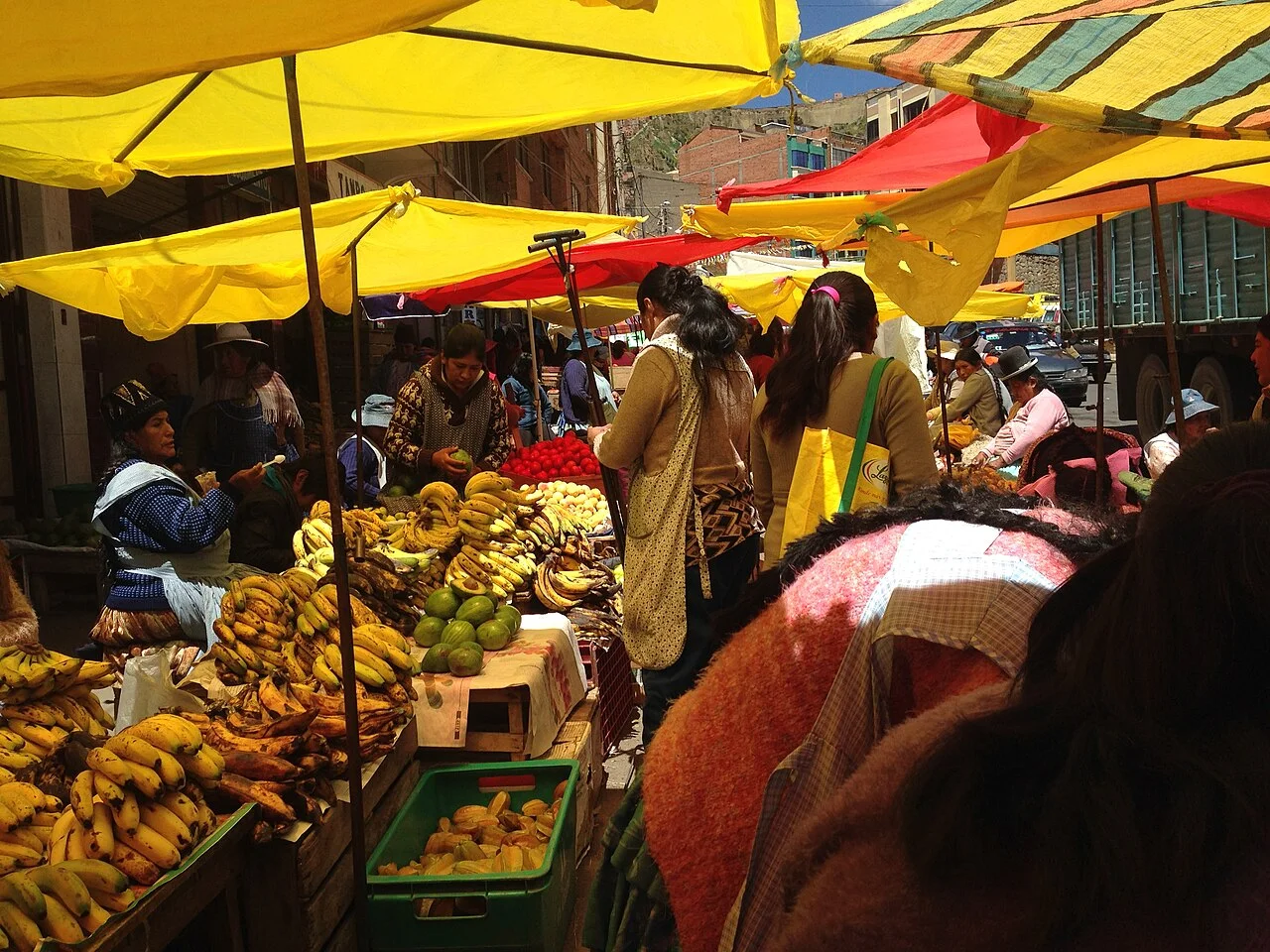

Changing rooms each day is unlikely to help a two-night visit. One fixed base supports a midday rest and makes the third morning's airport transfer easier to arrange. If station proximity interests you, examine the actual station you intend to use and the route from the room, not just a cable-car line's colour. Every line does not meet every other line at the same point. A collection point that reduces an uphill luggage walk may be more useful than an expansive city view. This guide does not fix accommodation prices; evaluate the room together with transport and rest requirements.
First day: give one Calle Jaén museum proper time
The municipality's cultural route presents institutions such as Casa de Murillo, the Costumbrista museum and Metales Preciosos along Calle Jaén. Choose one that interests you instead of attempting every doorway, leaving time outside to understand the historic street's scale. Casa de Murillo's historical narrative and a precious-metals collection's material focus answer different interests. Establish which exhibition is open before making the choice. An older combined-ticket statement or a festival programme should not be treated as the ordinary day's current admission conditions. The value of the visit comes from choosing deliberately, not accumulating the greatest number of museum names.


On the narrow street, account for the stone surface, gradients and everyday pedestrian movement. Do not block a doorway while photographing a living street. Depending on the day's energy, travel toward San Francisco by an arranged vehicle or a modest walk. This is not an assertion that the entire centre forms one level route. The photograph rights associated with a historic exterior and a contemporary work inside a museum are separate matters. Follow the exhibition's rules and respect permission when photographing people. The Calle Jaén image accompanying the guide provides historic street context; it does not establish access to today's exhibition.
Lunch: choose a concrete meal around Lanza
Mercado Lanza appears in the municipality's Centro tourism list and provides a reference for a first-day meal without abandoning the central area. Examine the serving arrangement and available dish when choosing a stall or establishment; the whole market does not share one menu. The municipality includes salteña, a baked pastry with a juicy filling, in its traditional-food descriptions. If you have already taken a small morning salteña pause, leave room at lunch for something different. Ask about the filling and portion when ordering. A dish's name alone does not guarantee a particular meat, allergen profile or suitability for a special diet.
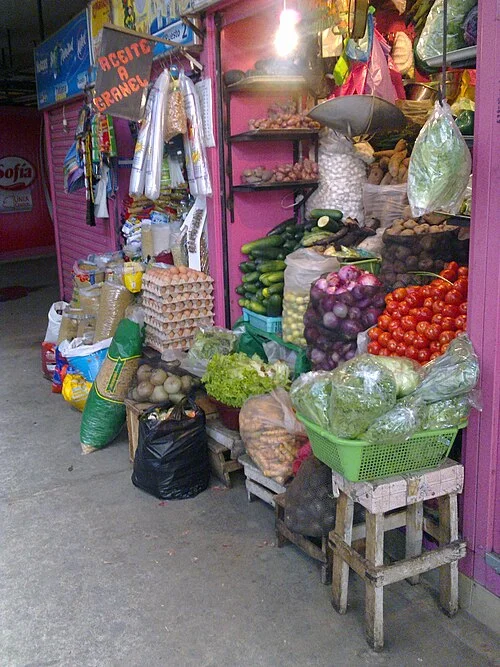

Chairo paceño is a soup in which chuño is a principal ingredient, and the municipality gives it a distinct place in the city's food story. Choosing soup at lunch can provide a calmer pause on a cold day than repeatedly assembling quick snacks. Marraqueta is another concrete bread name to look for, a useful point of comparison at breakfast or a small meal. The guide does not claim that a named stall currently sells all three products. The El Tejar photograph shows a different La Paz market: it is not labelled Lanza and does not make an additional market visit compulsory. The itinerary connects food with the neighbourhood rather than turning every illustration into a new stop.
Second day: read the cable car as a transport choice
Mi Teleférico's official orange-line page lists Central, Armentia, Periférica and Plaza Villarroel stations. Selecting a short section with useful starting and finishing points for your accommodation is more intelligible than trying to cover the whole network on the second day. Establish current operation, ticket conditions and the onward journey from the destination station first. A line colour alone does not tell you that the service goes directly to a chosen museum or to the airport. The view can be an enjoyable part of the journey; the principal purpose here is an informed urban connection.
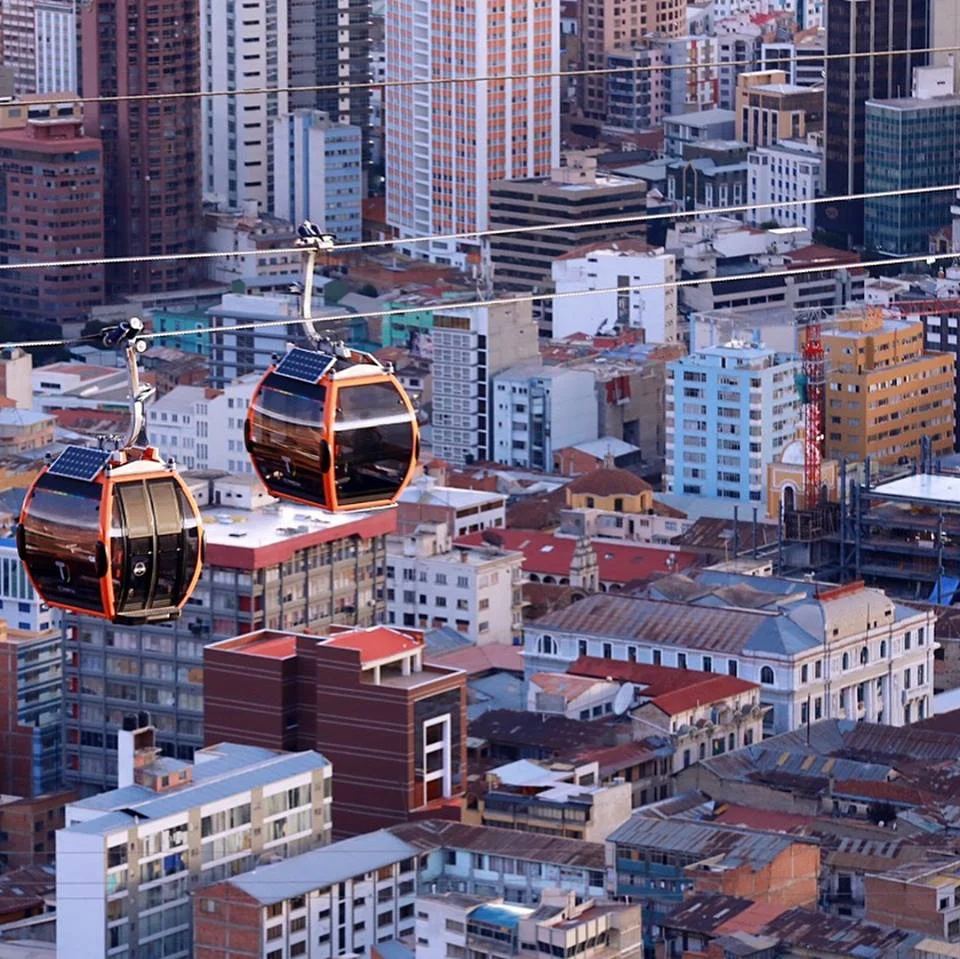

Do not obstruct passenger movement to take photographs or assume that people inside a cabin consent to appearing in your picture. After the cable-car portion, select one meal and a resting point. If yesterday included salteña and chairo, a breakfast with marraqueta or another cooked dish on the menu can complete the pattern today. If transport is disrupted, remove the distant connection and stay near your base instead. Leave on the third morning with time for the return transfer. What the Stork carries from this capital is not an endless list of stops, but a small plan that reads the slope, the local plate and the neighbourhood's everyday transport together.