
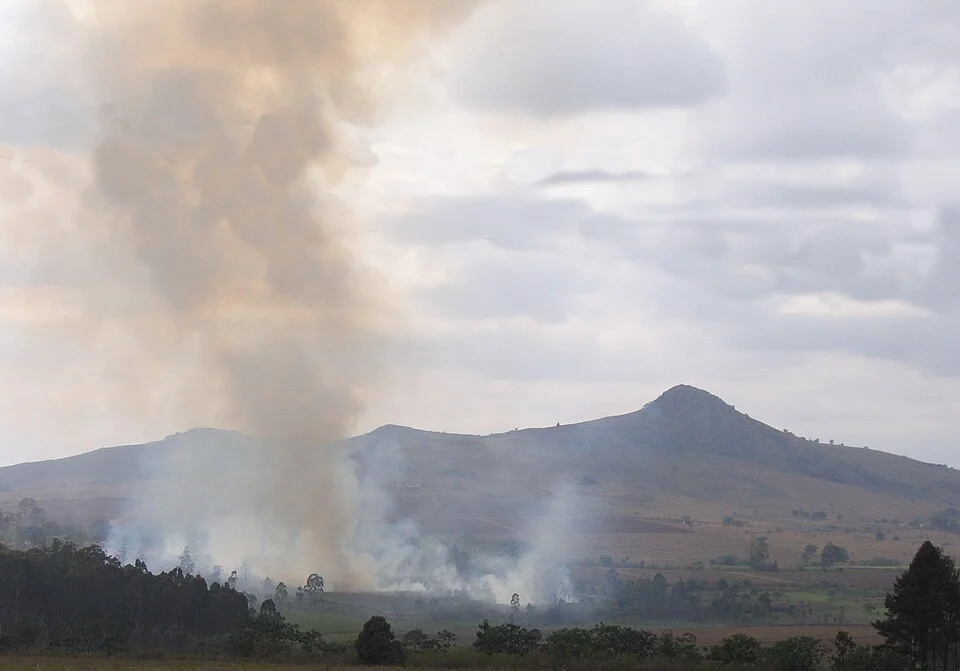
Eswatini: nature and culture from one valley base
Tatilmerkezi’s Stork likes building different days around a single base in Eswatini. Accommodation near the Ezulwini Valley, with Mantenga, Mlilwane and an appropriate Malolotja day, offers an understandable first-visit framework. A small country on a map does not mean every road is short or every activity begins in the same place. This guide proposes five calendar days, without claiming to cover all northeastern reserves or neighbouring-country safaris as well. Decide first which day belongs to culture and which to walking. You may retain more time for meals and rest without moving hotels each evening. The arrival point, your fitness and the border connection can change the sequence. Leaving some space for the landscape can be more rewarding than adding another stop.
Five calendar days, three full activity days
Day one is arrival and the transfer to accommodation around Ezulwini. Give day two to Mantenga, day three to Mlilwane, and day four to Malolotja if weather and park conditions permit. Depart on day five. Arrival and departure are included, leaving three full activity days. The Malolotja programme can be a short scenic visit rather than a demanding walk; difficult trails are not compulsory. At Mantenga, a guided cultural visit and permitted short waterfall paths can form the day’s main experience. For Mlilwane, obtain the real start and return arrangements from the activity centre. Include border formalities explicitly if arriving by road from another country. A late arrival should not acquire extra sightseeing obligations. Your final flight or border timing may also require a different last-night location.
Read Mantenga’s cultural setting with a guide
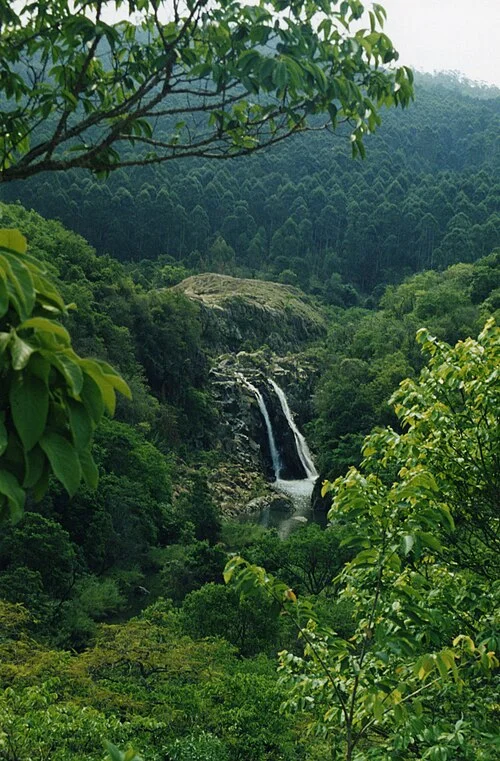
Official tourism information introduces Mantenga through its waterfall, wooded reserve and cultural village. The village is a constructed representation explaining historical ways of life, rather than an invitation to walk unannounced into a family home. During a guided visit, ask about the functions of structures and social traditions before following permitted short paths towards the falls. Obtain current performance and tour times directly rather than treating an old programme as a guaranteed session. Ask permission when photographing people and follow the explained visitor arrangements. Leave a relaxed lunch interval instead of racing immediately to another region after seeing the waterfall. Follow guidance when rain, slippery ground or local access affects the walk. The quantity of water in an archival photograph is not a measurement for your travel date.

Mlilwane: a lake setting and an outdoor day
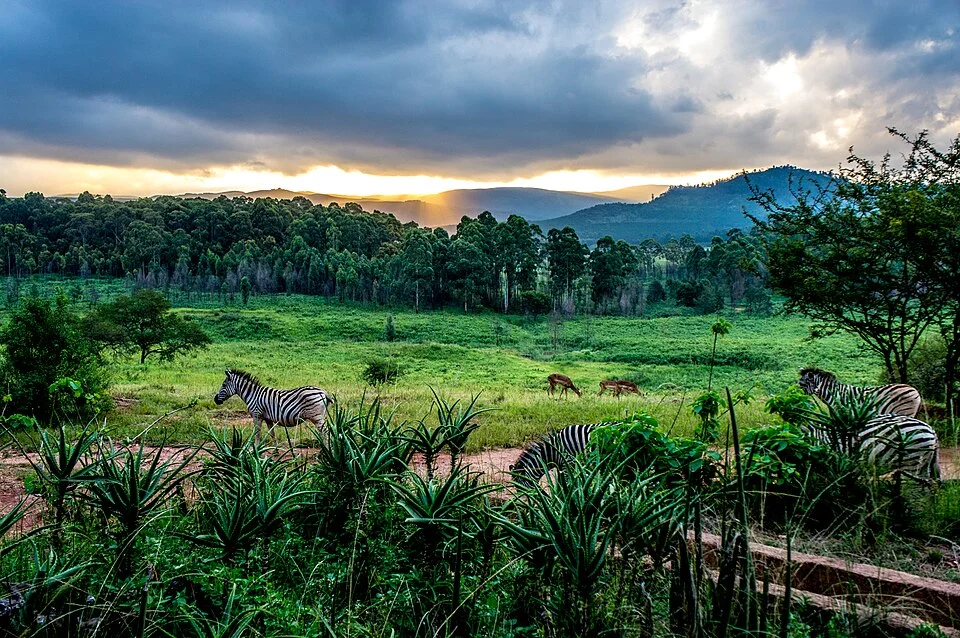
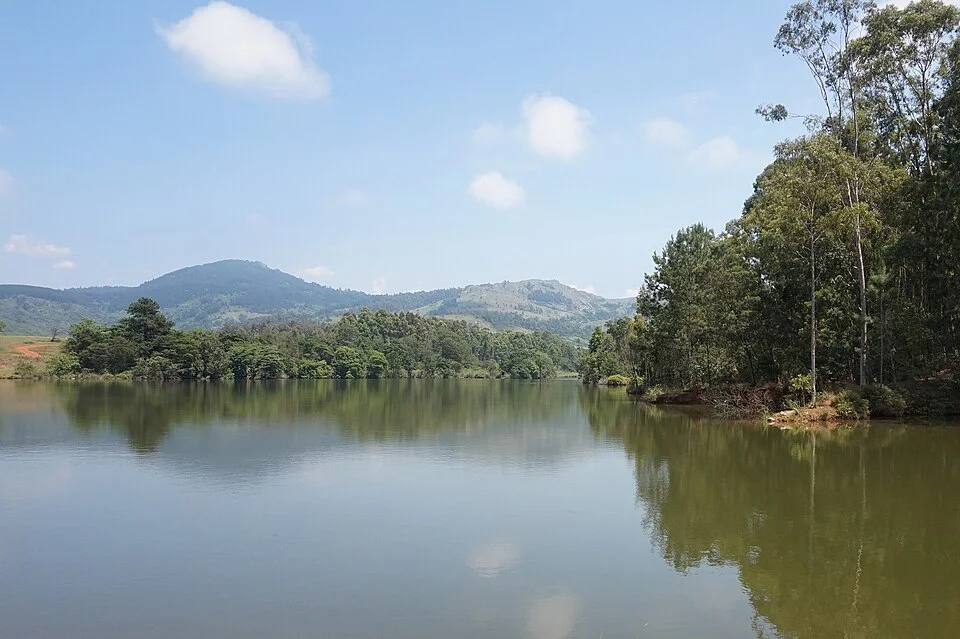
Mlilwane’s own park operator and the tourism authority describe outdoor activities and accommodation in the sanctuary. Build the day around one principal land walk, cycling outing or another activity the operator considers suitable. Establish permits, guide arrangements, equipment and route conditions at booking; not every path should be assumed open to an independent walk. A quiet scenic pause beside the lake does not automatically become a swimming programme. Keep distance from wildlife, do not feed animals and follow the stated safety procedures. Zebras appear in the illustrative photograph, but are not promised at a particular time on your visit. Judge the experience through vegetation, water and mountain scenery as well as animal observations. Settle return transport before beginning the activity rather than discovering the arrangements at the end.


Malolotja: match the walk to the day
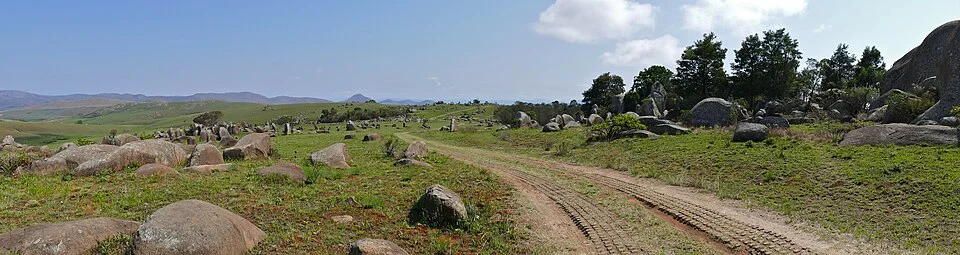
Official information highlights walking possibilities ranging from short outings to longer wilderness programmes, and weather that can vary markedly. This five-day example considers an appropriate day visit rather than an overnight expedition. Ask at the park entrance about open routes, starting points, ground conditions and the return plan. A canopy activity and a land walk are different products with separate requirements; read the operator’s conditions if considering either. Carry water, layered clothing and sun protection, and choose suitable footwear. A short scenic outing is a valid decision when weather deteriorates. Stop for mountain photographs only where parking is safe. Keeping this day interchangeable with another activity offers a more flexible itinerary than binding every reservation tightly to one fixed sequence. Obtain an updated route briefing even when an older photograph shows clear conditions.

Choose accommodation alongside the transfer
An Ezulwini base may help connect these three activity days, but compare actual property addresses rather than relying on the regional name alone. Consider restaurants, activity starting points, evening transport and transfer arrangements together. Staying within a park and at a valley property are different experiences; included meals and activities should be explicit in writing. Official tourism information describes arranged Johannesburg connections and documentation for road entry depending on vehicle ownership. With a rental car, confirm company permission and cross-border insurance in advance. Check the current flight or coach service directly with its operator rather than assuming an identical daily timetable. Compare public transport, taxis and an arranged driver with the evening return included. Prefer daylight travel on rural roads, where animals, rough surfaces and inadequate lighting can complicate driving.
Pap, stew and local food producers
The official food guide includes maize-meal pap and stew among regional African meals found in Eswatini. These are concrete ideas for discussing lunch, not a guaranteed menu at every establishment. Ask which vegetables or meat accompany the dish and how it is served. The same tourism source names local jam, chutney and chilli-sauce producers and honey from Bulembu. Clearly labelled products can provide a breakfast addition or a small tasting break; Eswatini Kitchen and Black Mamba offer starting points for discovering local production. Pap should not be presented as exclusively Eswatini’s invention: the guide places it within a broader regional tradition. Obtain ingredient information for allergies and choose clean, thoroughly cooked food. Arrange the nature-day meal with the accommodation or activity provider rather than assuming a distant restaurant will be convenient.
Safety, weather and entry documents
Current FCDO information recommends avoiding demonstrations, keeping valuables discreet and not walking in central Mbabane or Manzini after dark. Same-sex sexual activity is illegal; consult the official detail where relevant. Violent storms and flooding in the November-to-April wet season can affect roads, so reassess transfers against weather warnings. The official tourism visa guide lists Turkey among nationalities not requiring a visa, but expressly treats the table as guidance that may change. Confirm your passport category with Home Affairs or an authorised mission. Travelling through South Africa does not remove that country’s separate entry or transit requirements. Sources were checked on 4 October 2026. Before leaving, review documents, weather, health and activity arrangements again, then enjoy a deliberately simple trip with three principal experiences.